Understanding Bone Anatomy: Structure, Types, and Functions of the Human Skeleton
Bone anatomy forms the foundation of human anatomy and physiology, providing structure, support, protection, and facilitating movement. The human skeletal system is composed of approximately 206 bones, categorized into the axial skeleton (skull, vertebral column, rib cage) and appendicular skeleton (limbs and girdles). Each bone has a unique structure, composition, and function, contributing to the overall health and stability of the body.
Bone Structure:
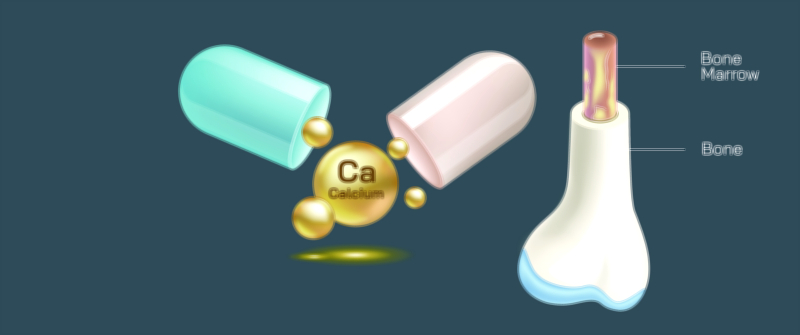
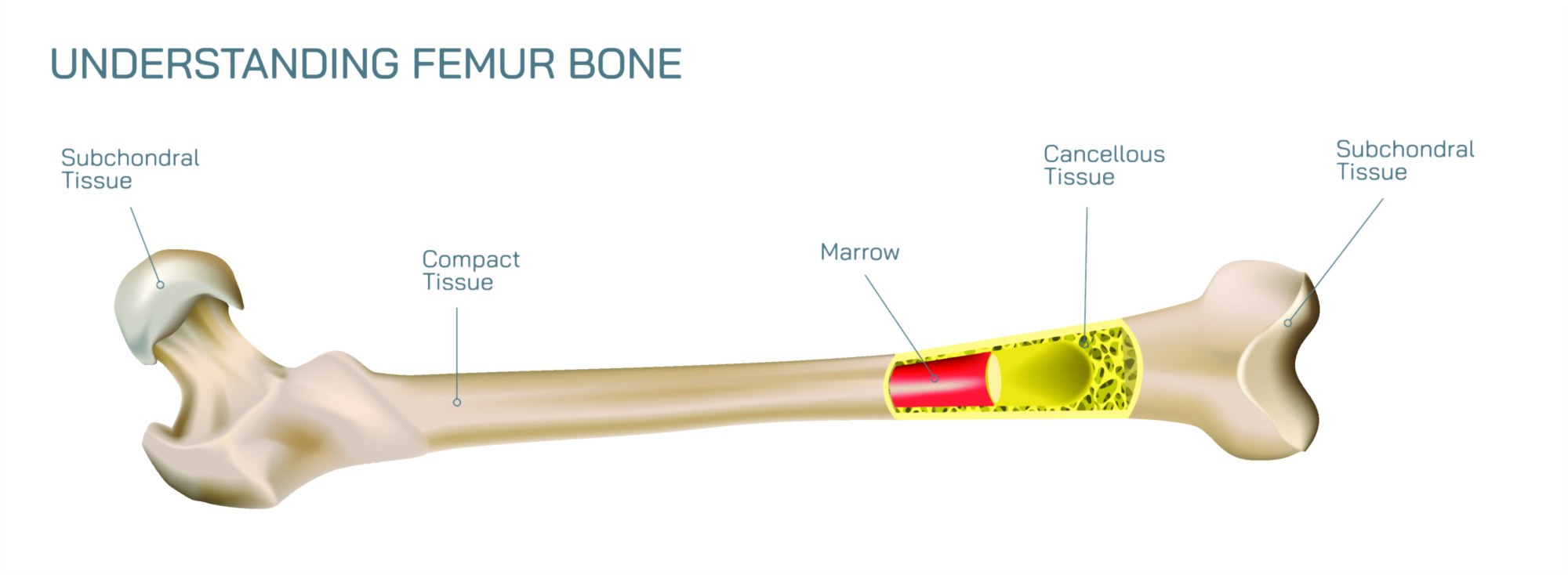
Bones consist of a dense outer layer (compact bone) and an inner spongy layer (cancellous bone) that houses bone marrow. Compact bone provides rigidity and mechanical strength, while spongy bone contains red marrow, responsible for blood cell production. Bones also contain periosteum, a protective membrane rich in nerves and blood vessels, which supports growth and repair. Microscopically, bones contain osteocytes, osteoblasts, and osteoclasts, which maintain bone health through remodeling and mineral metabolism.
Types of Bones:
Long Bones: Found in limbs (e.g., femur, humerus), these bones support weight and facilitate movement.
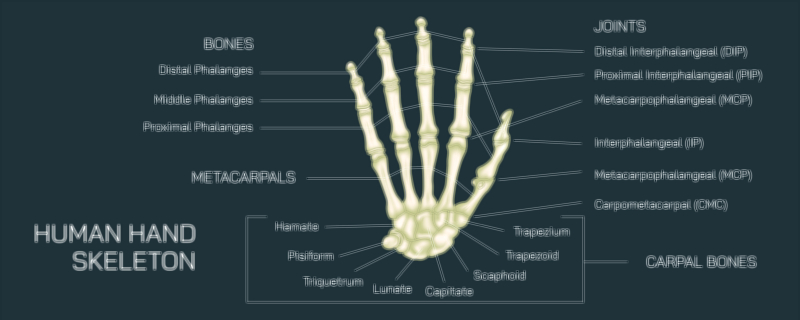
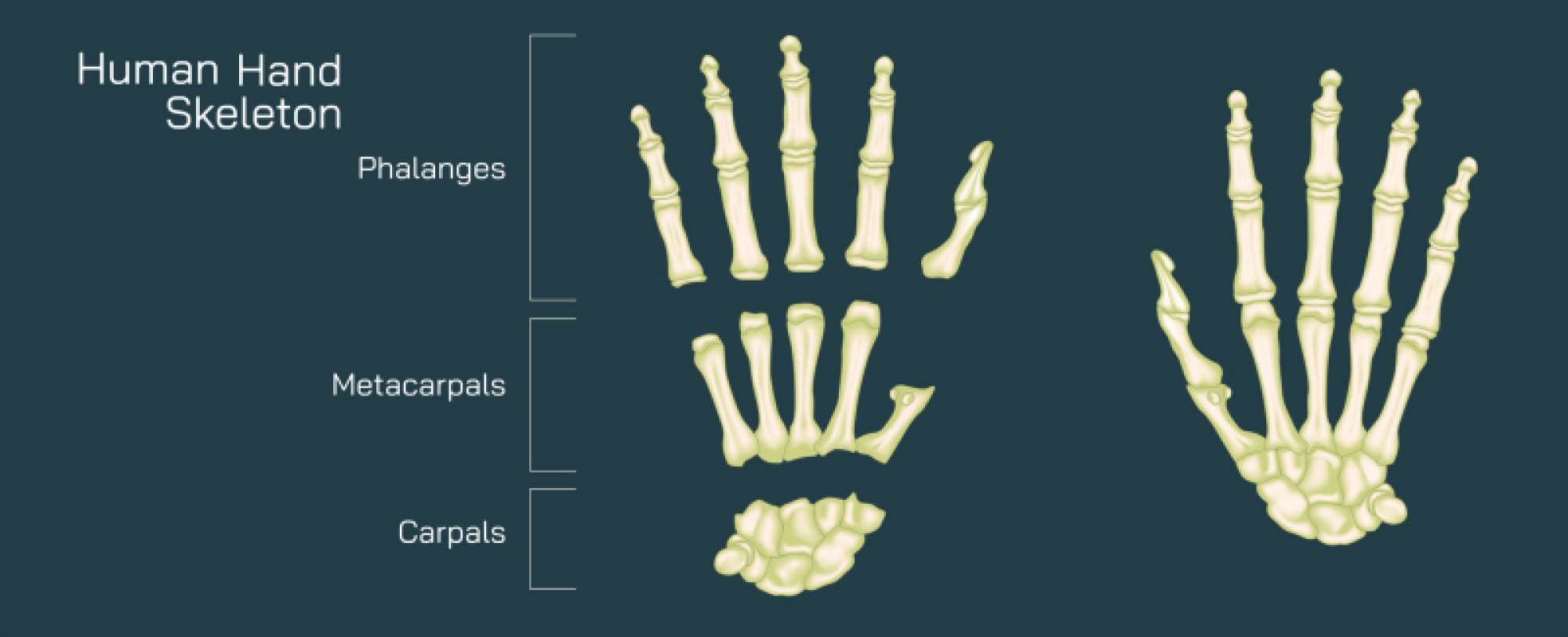
Short Bones: Cuboidal bones (e.g., carpals, tarsals) provide stability and limited motion.
Flat Bones: Bones like the skull and sternum protect internal organs and provide muscle attachment sites.
Irregular Bones: Vertebrae and facial bones have complex shapes for specific functions.
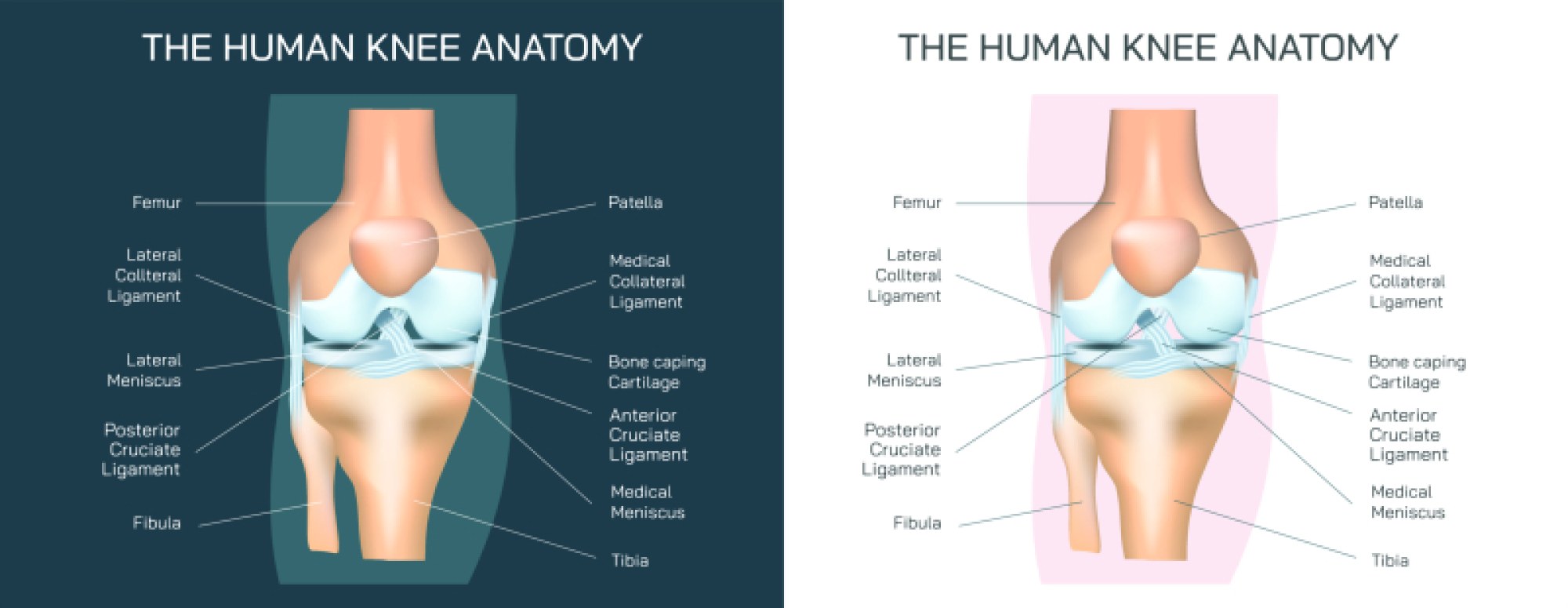
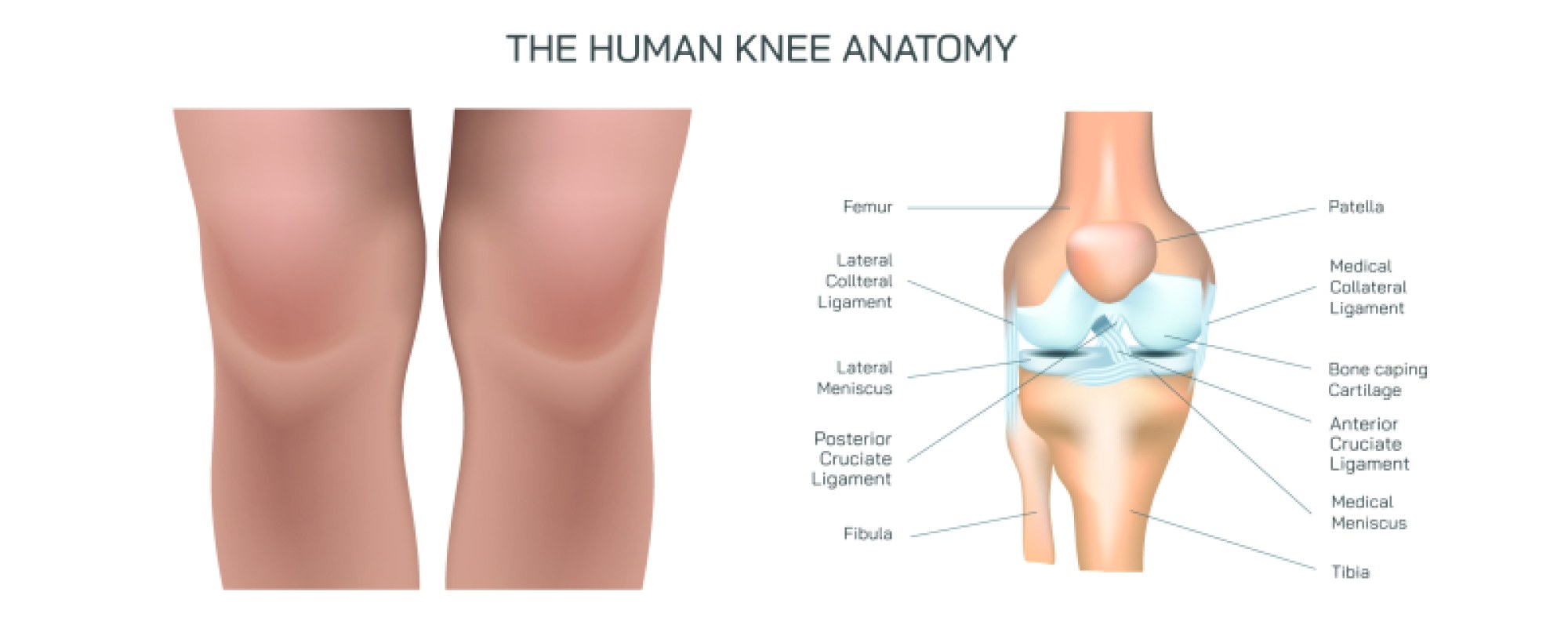
Sesamoid Bones: Embedded in tendons (e.g., patella), these bones reduce friction and improve leverage.
Functions of Bones:
Support and Structure: Provide a framework for the body and maintain posture.
Movement: Work with muscles and joints to enable locomotion and manipulation.
Protection: Shield vital organs such as the brain, heart, and lungs.
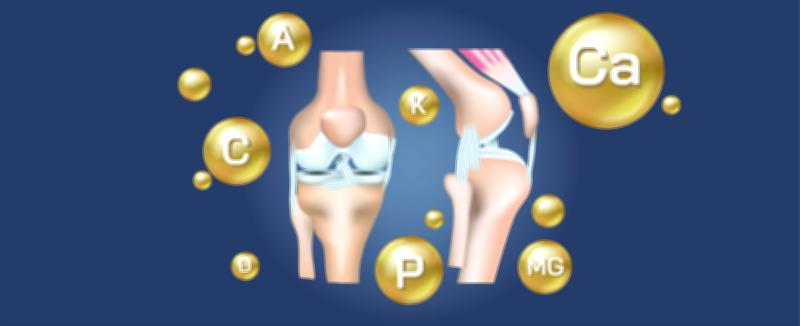
Mineral Storage: Store essential minerals like calcium and phosphate for metabolic needs.
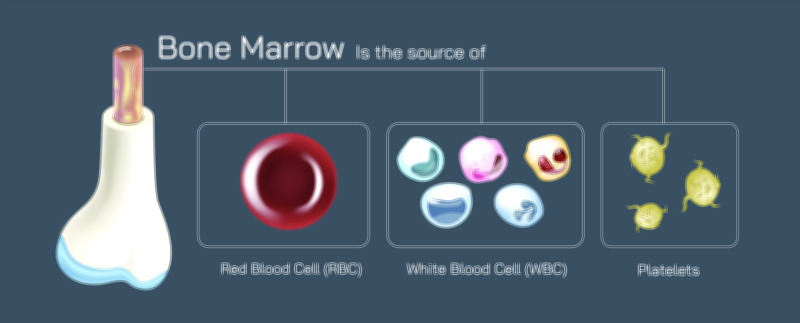
Blood Cell Production: Red bone marrow produces red blood cells, white blood cells, and platelets.
Endocrine Function: Bones release hormones that regulate energy metabolism and mineral balance.
Clinical and Educational Importance:
Studying bone anatomy is crucial in orthopedics, physiology, sports medicine, and anatomy education. Understanding the structure, types, and functions of bones helps diagnose bone disorders, plan surgical interventions, improve rehabilitation strategies, and enhance overall skeletal health. Visual aids such as vector illustrations, diagrams, and 3D models reinforce learning and comprehension of complex anatomical structures.
In conclusion, understanding bone anatomy is essential for appreciating the skeletal system’s role in support, movement, protection, and metabolic regulation. Knowledge of bone types, microstructure, and functions provides a foundation for medicine, education, and health sciences, enabling proper care, treatment, and appreciation of the human body’s intricate design.