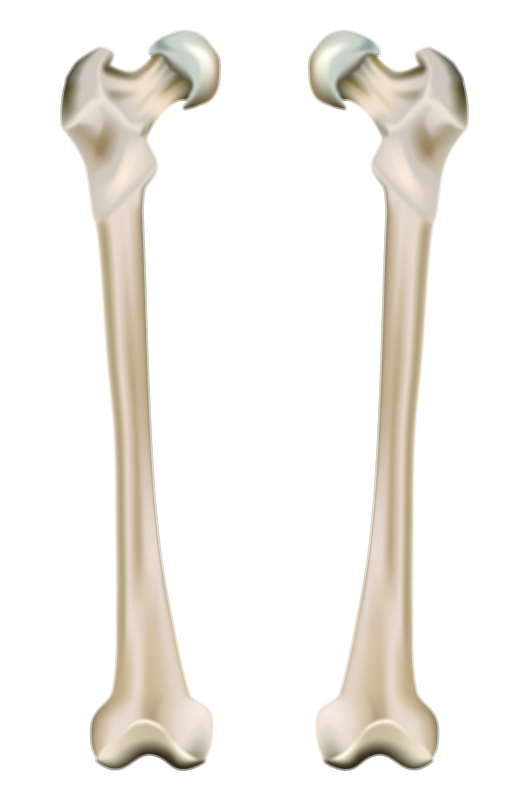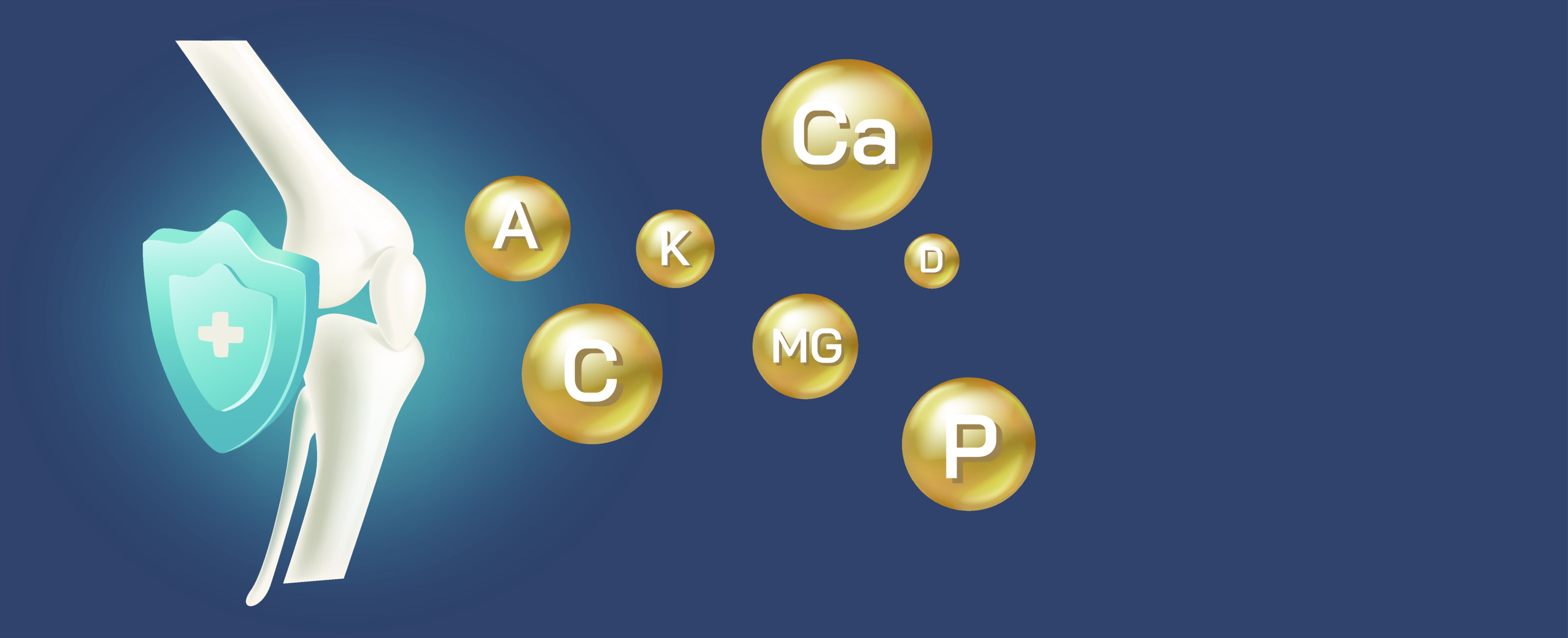
Bone Strength Vector Illustration Template with Essential Vitamins and Minerals Supporting Healthy Bones
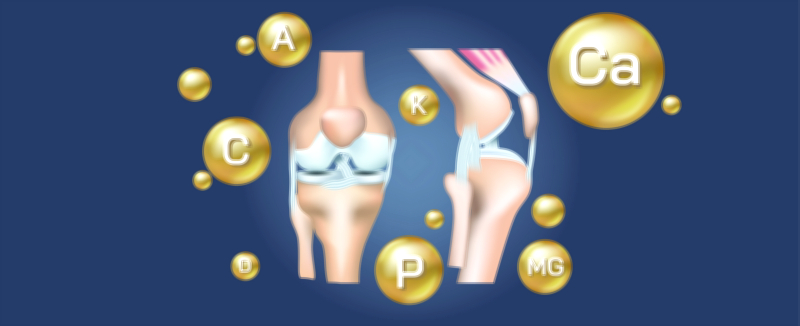
Bone strength is not simply a matter of how thick or solid a bone looks on the outside; it depends on a delicate balance of nutrition, metabolism, mineral storage, and ongoing tissue renewal inside the skeletal system. A vector illustration template designed to show how essential vitamins and minerals support healthy bones becomes a powerful tool in medical, fitness, and public-health education because it transforms hidden biological processes into visually understandable concepts. Bones are living organs constantly remodeling themselves through the coordinated actions of osteoblasts (cells that build new bone) and osteoclasts (cells that break down old bone). Whether this continuous remodeling strengthens the skeleton or gradually weakens it depends largely on the availability and balance of key nutrients—especially calcium, vitamin D, vitamin K, phosphorus, magnesium, and several trace minerals. A visual template that features these nutrients alongside bone density and structural anatomy helps viewers understand that bone health is not a fixed trait but a dynamic partnership between lifestyle, diet, physical activity, and biological regulation.
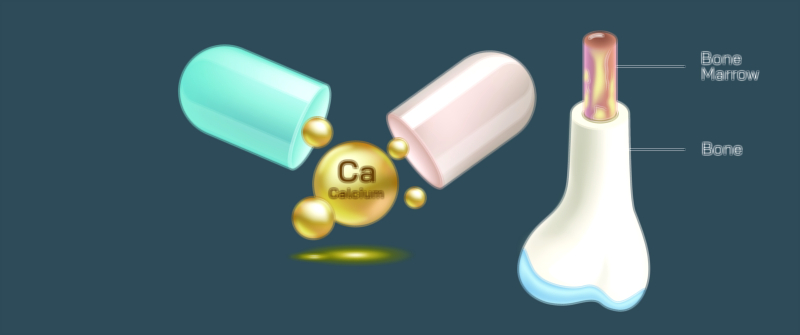
The foundation of bone density lies in its microscopic structure. When illustrated in cross section, a healthy bone shows a dense cortical (outer) layer and a strong lattice-like trabecular (inner) network that provides both stability and shock absorption. Adequate mineralization is what gives both layers their strength. Calcium represents the most substantial mineral component of bone and is used to harden and stabilize the collagen matrix that forms the skeletal framework. Without calcium, bones become brittle and porous because the matrix loses its mineral reinforcement. A vector illustration might show tiny calcium crystals packed tightly within a healthy bone versus scattered sparsely in a weakened bone. Importantly, calcium availability alone is not enough; it must be absorbed efficiently from the diet and delivered to the bone—processes that depend on other essential nutrients.
Vitamin D plays a central role because it allows the body to absorb calcium from food. Without sufficient vitamin D, even high calcium intake fails to translate into stronger bones. Many templates visually portray sunlight activating vitamin D in the skin and guiding calcium into the bloodstream and then into the bone matrix, emphasizing why sunlight exposure, fortified foods, and supplementation are critical in regions with low UV light. Vitamin K complements both calcium and vitamin D by helping bind minerals into bone tissue. It activates osteocalcin, a protein responsible for anchoring calcium within the skeletal matrix. A visual diagram might show calcium “locking” into place when vitamin K is present, helping learners understand why vitamin K deficiency—common in highly processed diets—can lead to suboptimal bone mineralization even when calcium and vitamin D are adequate.
Phosphorus is another major mineral featured in bone-strength illustrations because it forms a mineral compound with calcium called hydroxyapatite, which gives bones their hardness. Bones store nearly 85 percent of the body’s phosphorus, and like calcium, phosphorus must remain in proper ratio—not too low but also not too high. Diets extremely high in soft drinks rich in phosphoric acid can disrupt this balance, and an illustration may use arrows or balance symbols to show how the calcium-to-phosphorus relationship affects skeletal integrity. Magnesium also plays a vital role by regulating parathyroid hormone, vitamin D activation, and hydroxyapatite formation. Without magnesium, bone metabolism becomes unstable and the scaffolding of bone cannot form correctly. A template may show magnesium surrounding bone-building cells and helping convert vitamin D into its biologically active form, visually reinforcing the idea that magnesium deficiency silently weakens bone health.
Trace minerals such as zinc, copper, and manganese also support the bone matrix. Zinc contributes to collagen formation and cell growth; copper supports the cross-linking of collagen fibers to prevent fractures; manganese assists in cartilage and connective-tissue synthesis. While these minerals are needed in smaller amounts, their presence in an illustration highlights that comprehensive nutrition—not just calcium supplementation—is necessary for maintaining optimal bone structure. A well-designed vector layout might place each mineral icon near the part of bone metabolism it supports—zinc near collagen fibers, copper near binding points, and manganese near cartilage zones in the joint area—helping learners visualize where microscopic molecular actions occur in the larger skeletal anatomy.
Hormonal regulation and diet are two more themes often woven into bone-strength education templates. Estrogen and testosterone help suppress bone resorption; when levels decline with age, especially during menopause, bones lose density more rapidly. A visual flowchart can indicate how hormone changes tip the balance between osteoblast and osteoclast activity. Nutritionally, sodium excess, smoking, excessive caffeine, high sugar intake, and chronic alcohol use can all leach minerals or interfere with absorption. Depicting these lifestyle factors on the periphery of the illustration reminds viewers that bone health is not determined in isolation but influenced by long-term habits.
A vector illustration can also emphasize the role of physical activity—specifically weight-bearing movement—in strengthening bones. Activities such as walking, running, resistance training, dancing, or jumping apply mechanical stress to the skeleton, triggering osteoblast activation and promoting mineral deposition. Conversely, a sedentary lifestyle leads to rapid bone loss because the body interprets inactivity as a signal that dense bone mass is no longer required. A template may visually contrast an active bone, surrounded by muscle contractions and loading arrows, with an inactive bone showing mineral erosion and weakened structure. By visually linking nutrients with exercise stimulation, the illustration conveys that vitamins and minerals form only part of the bone-health equation—mechanical load and movement must complete the cycle.
As bone density changes across life, visuals become an invaluable communication tool. A healthy young bone features tightly connected trabeculae, a thick cortical layer, and balanced remodeling. A middle-aged bone may show early thinning but maintained structure when nutrition and exercise are adequate. In later years, an osteoporotic bone can be depicted with wide gaps in trabeculae and fragile cortices, symbolizing a structure vulnerable to fractures. Overlaying icons for essential vitamins and minerals near a youthful or adult bone reinforces the message that supplementation and healthy habits throughout adulthood—not just during childhood—prevent this decline. Such educational graphics encourage lifelong thinking about skeletal well-being.
Importantly, the purpose of this type of bone-strength illustration is not only to teach anatomy or nutrition, but to inspire proactive health decisions. When viewers see how bone density can decline silently while external appearance stays unchanged, they become more likely to prioritize protective habits. When they learn that the body draws calcium out of bones to maintain blood levels during deficiency, they gain a clearer understanding of why nutrition must be continuous rather than sporadic. When they see that vitamin D, vitamin K, magnesium, phosphorus, zinc, and other minerals work as a biochemical team, they realize that single-nutrient supplementation on its own is not enough.
Ultimately, a bone strength vector illustration template with essential vitamins and minerals supporting healthy bones unites biology, nutrition, anatomy, and wellness into a single visual narrative. It shows that strong bones are not a matter of luck or genetics alone, but of consistent nourishment, smart lifestyle choices, physical movement, and knowledge of how nutrients interact inside the body. By transforming microscopic chemistry into clear, visually accessible information, the illustration empowers medical learners, educators, fitness professionals, athletes, older adults, and families to protect bone density through every decade of life. It becomes more than a diagram—it becomes a guide to lifelong skeletal resilience and a reminder that caring for bones today safeguards movement, independence, and quality of life for the future.