Thyroid Hormones: Functions, Regulation, and Their Role in Metabolism and Growth
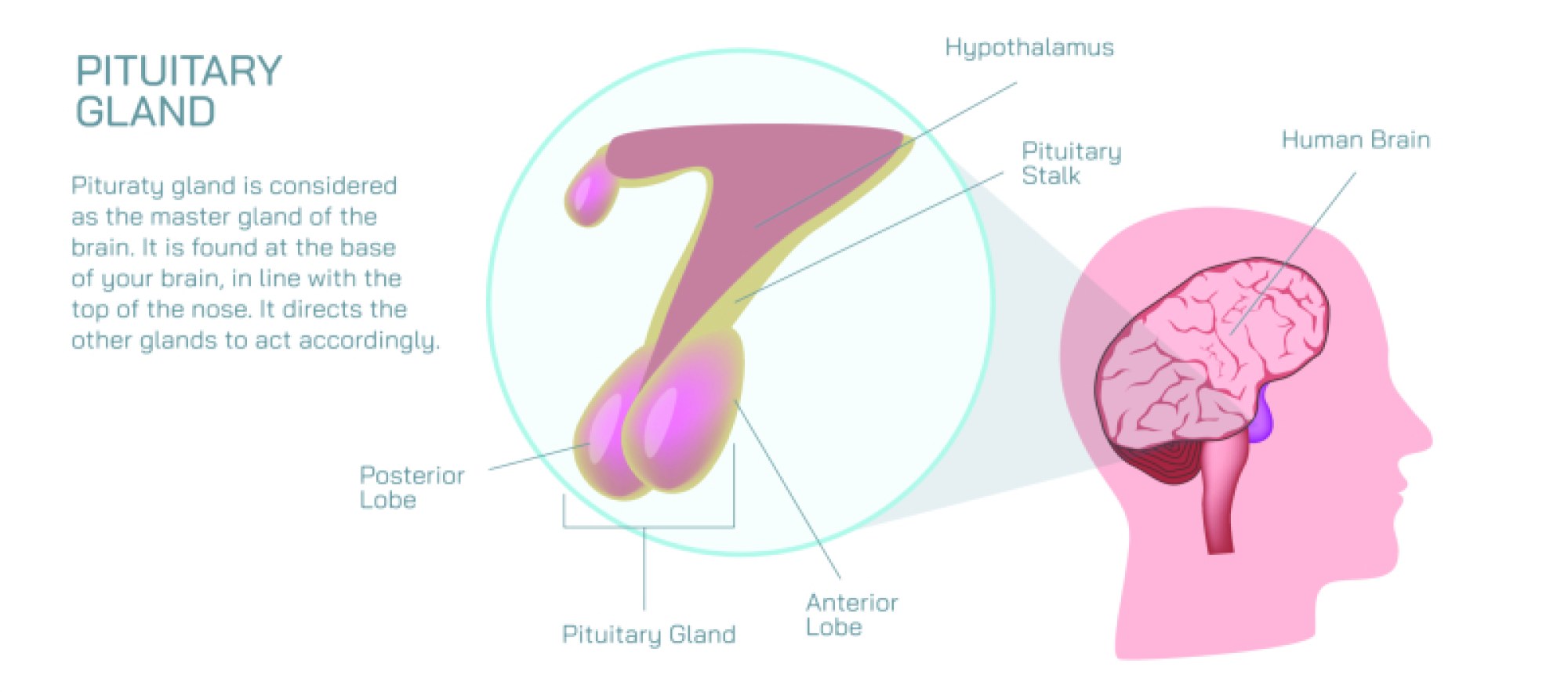
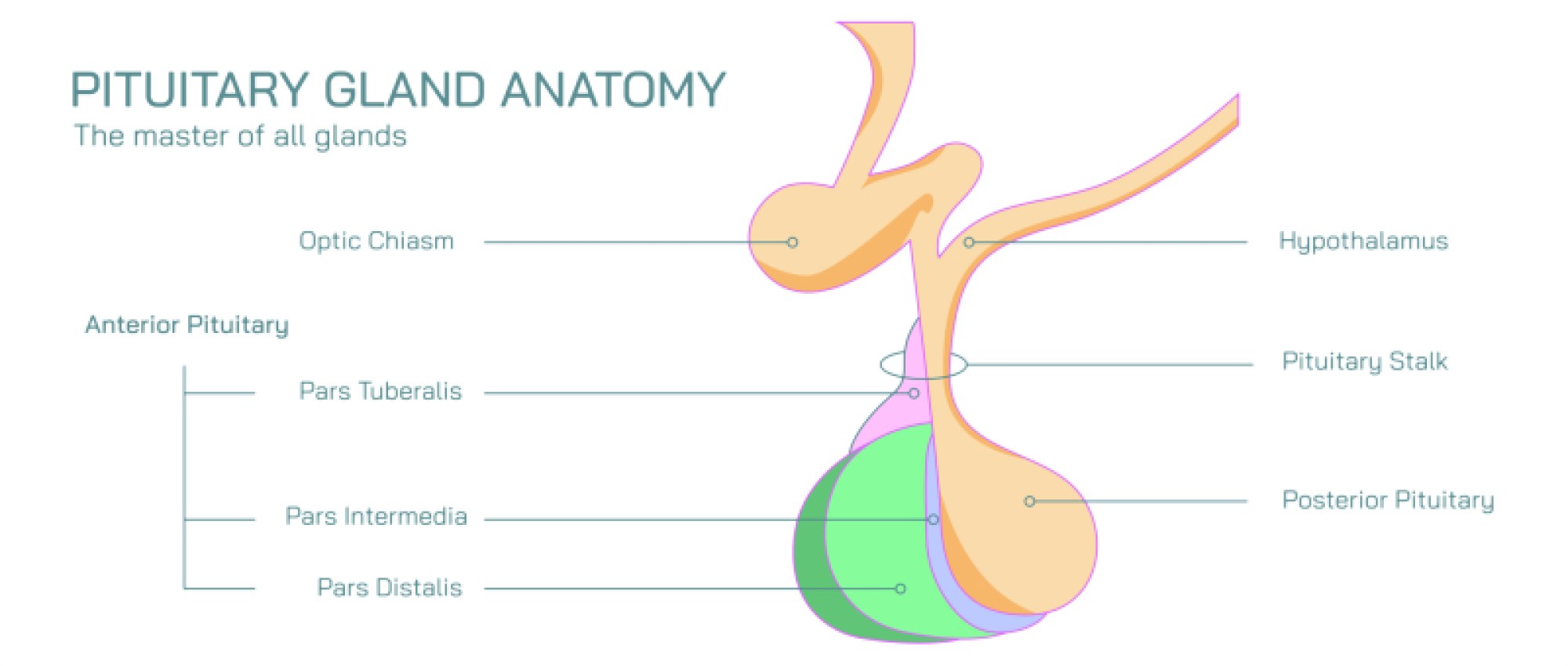
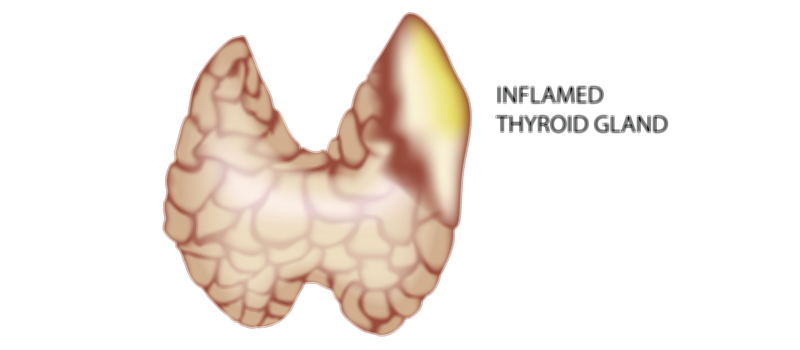
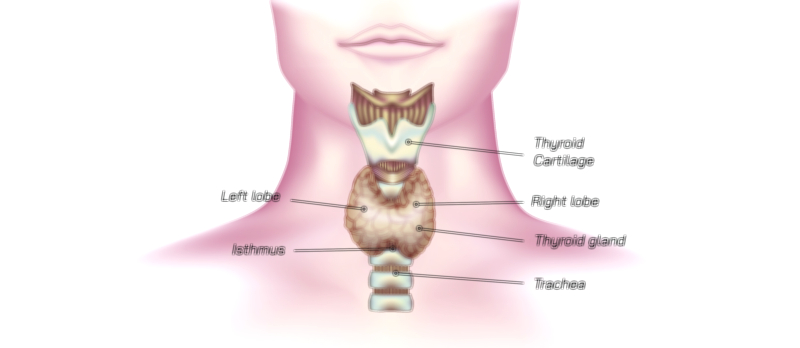
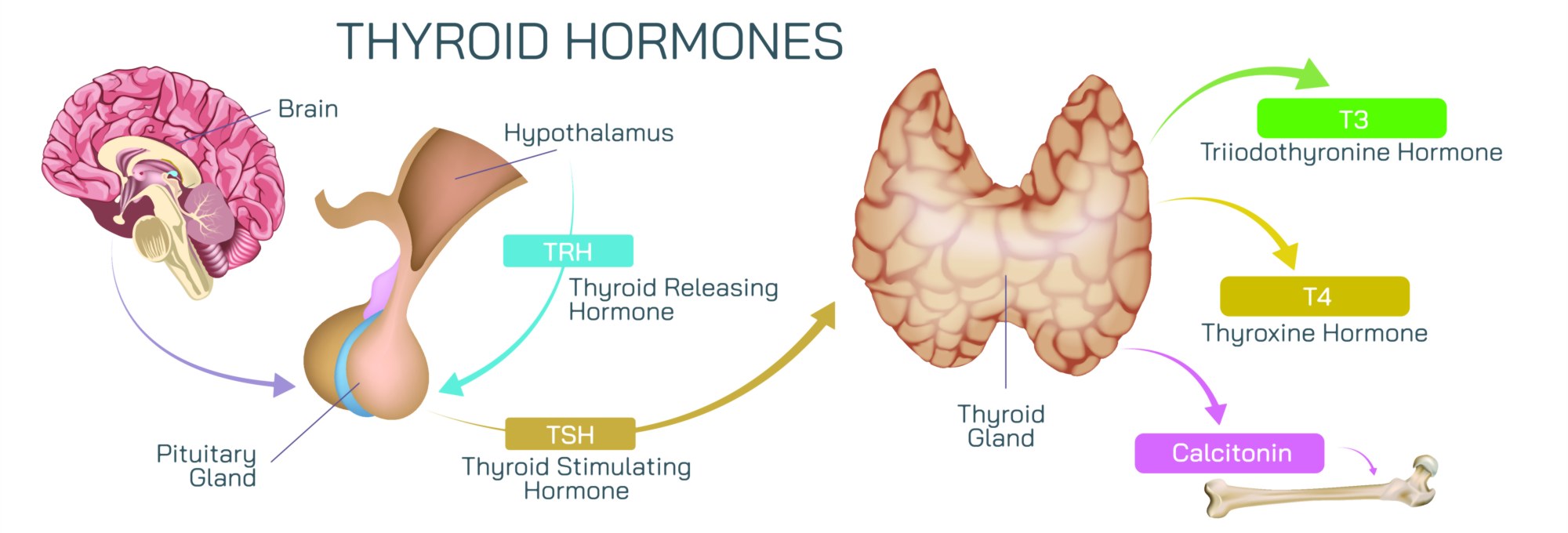
Thyroid hormones are essential chemical messengers produced by the thyroid gland, a butterfly-shaped endocrine organ located in the neck. The primary thyroid hormones include triiodothyronine (T3), thyroxine (T4), and calcitonin. T3 and T4 play critical roles in regulating metabolism, energy production, growth, and development, while calcitonin helps regulate calcium homeostasis in the body. The production and release of thyroid hormones are tightly controlled by the hypothalamic-pituitary-thyroid (HPT) axis, ensuring balanced physiological functions.
Structure and Synthesis:
T3 and T4 are iodinated amino acid derivatives synthesized from tyrosine residues within thyroglobulin. Iodine is a crucial component, and its deficiency can disrupt hormone synthesis, leading to disorders such as goiter. T4 is the major circulating form, while T3, the more active hormone, is primarily produced through peripheral conversion of T4 to T3 in tissues. Calcitonin, secreted by parafollicular C cells, helps lower blood calcium levels by inhibiting osteoclast activity and promoting calcium deposition in bones.
Functions of Thyroid Hormones:
Thyroid hormones regulate basal metabolic rate, influencing oxygen consumption, energy production, and heat generation. They promote protein synthesis, carbohydrate metabolism, and lipid breakdown, supporting overall growth and development. In children, thyroid hormones are crucial for skeletal maturation, brain development, and neuronal differentiation. In adults, they maintain cardiovascular function, thermoregulation, and metabolic homeostasis. Calcitonin contributes to calcium balance, reducing the risk of hypercalcemia and supporting bone health.
4. Elevated hormone levels inhibit TRH and TSH release, maintaining homeostasis.
Clinical Significance:
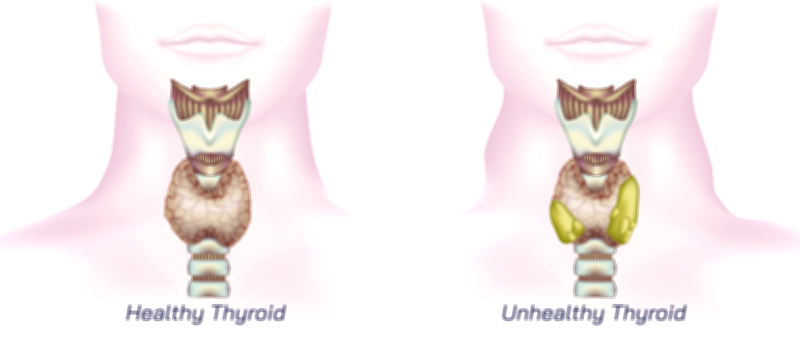
Imbalances in thyroid hormone production can lead to disorders such as hypothyroidism, characterized by fatigue, weight gain, and cold intolerance, or hyperthyroidism, leading to weight loss, heat intolerance, and increased metabolism. Proper thyroid function is essential for cardiovascular health, neurological development, and metabolic efficiency. Understanding thyroid hormones is critical in endocrinology, metabolic studies, and clinical medicine for managing growth, development, and overall health.
In conclusion, thyroid hormones are vital endocrine regulators with wide-ranging effects on metabolism, growth, development, and calcium homeostasis. T3, T4, and calcitonin collectively ensure proper physiological function, making them indispensable for maintaining metabolic balance, growth, and systemic health. Studying their synthesis, regulation, and effects provides essential insights into endocrine function, disease management, and overall human physiology.