Pituitary Gland — How It Controls Other Glands and Regulates Hormones
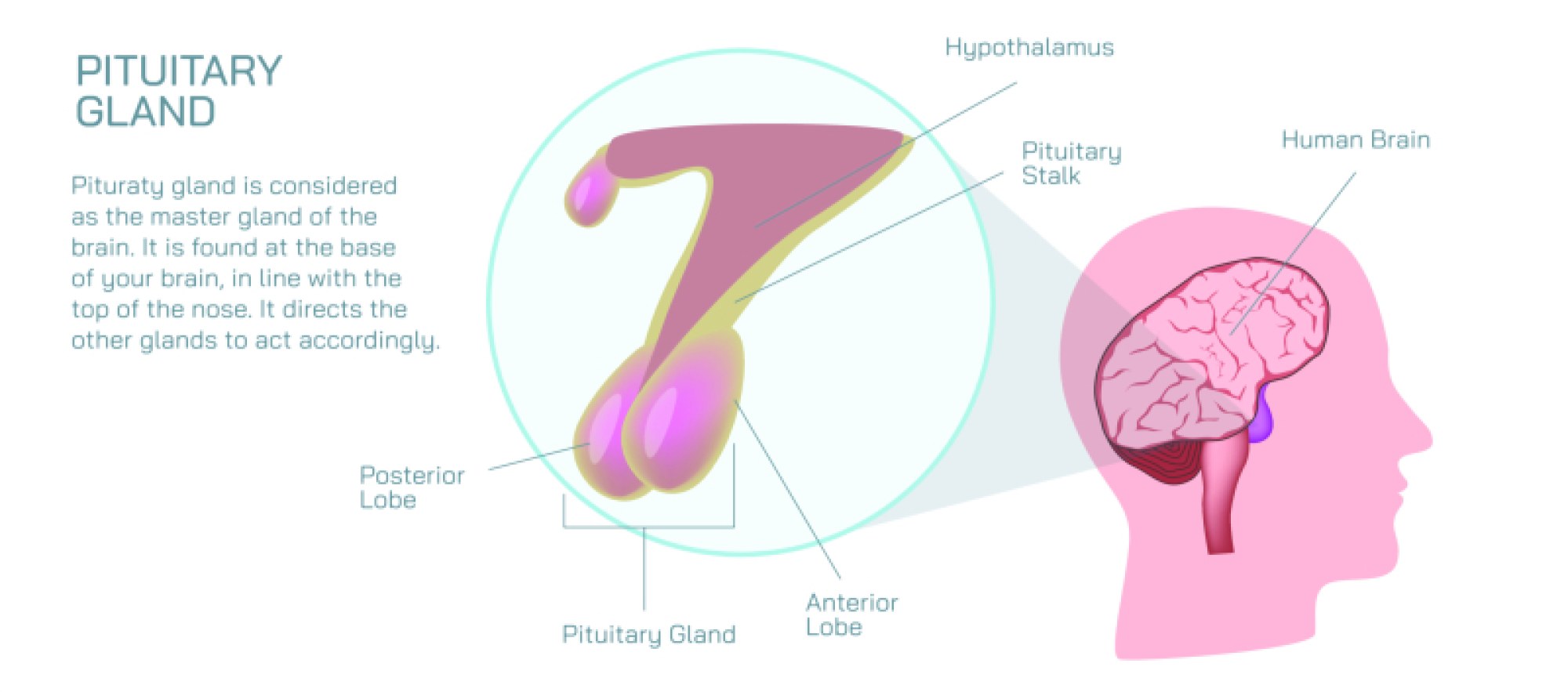
The pituitary gland, often called the master gland, plays a central role in the human endocrine system by regulating the activity of other glands throughout the body. Despite its small size, the pituitary gland has a profound impact on growth, metabolism, reproduction, and overall physiological balance. It achieves this control by secreting hormones that either act directly on target organs or stimulate other glands to release their own hormones.
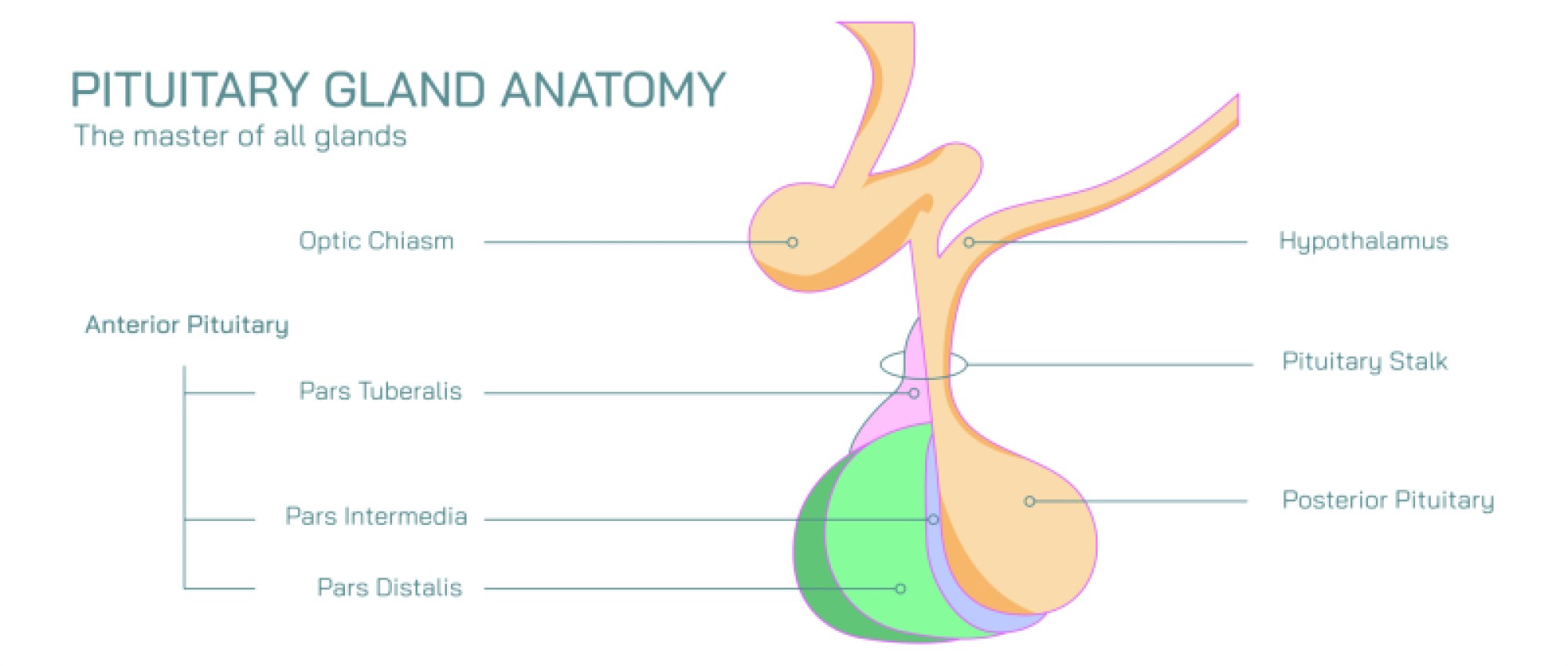
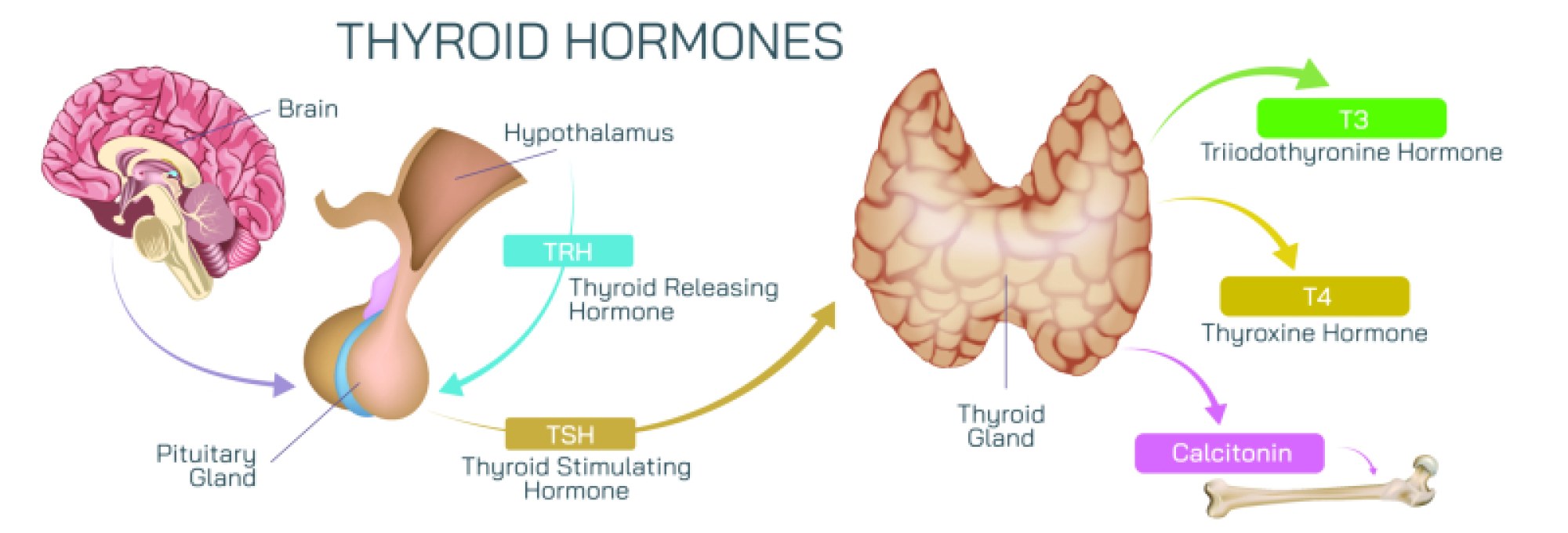
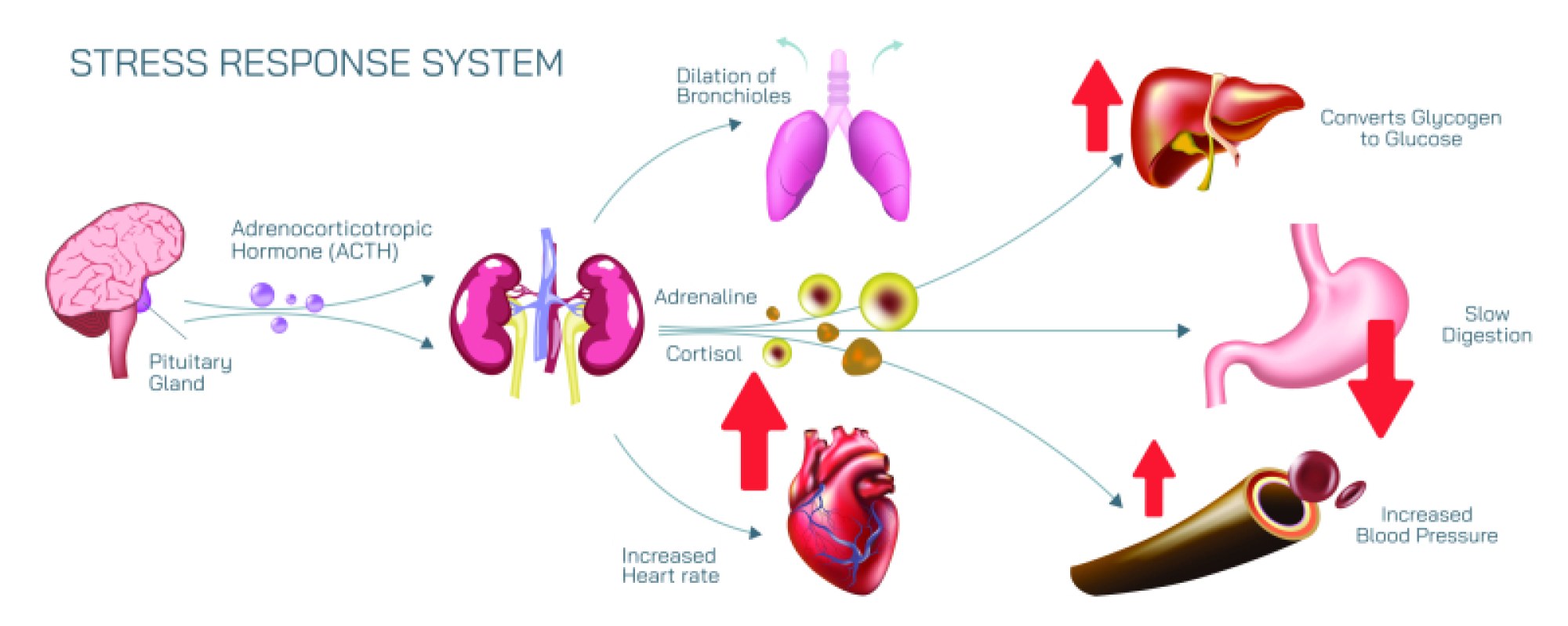
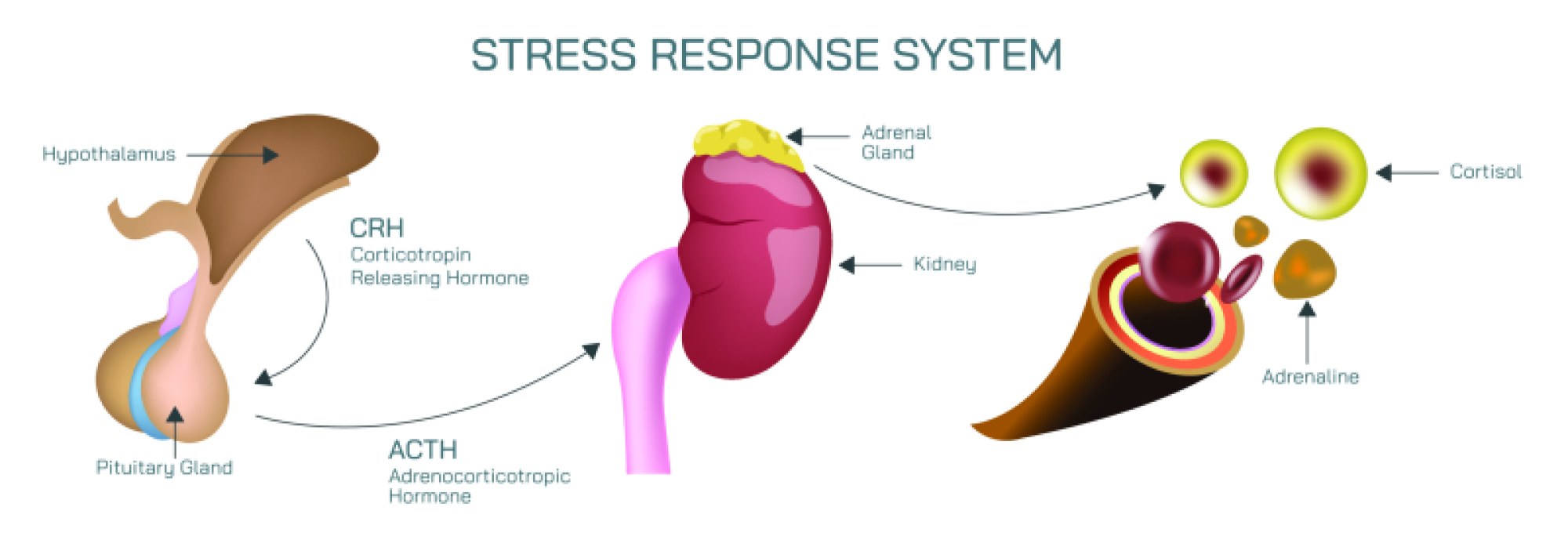
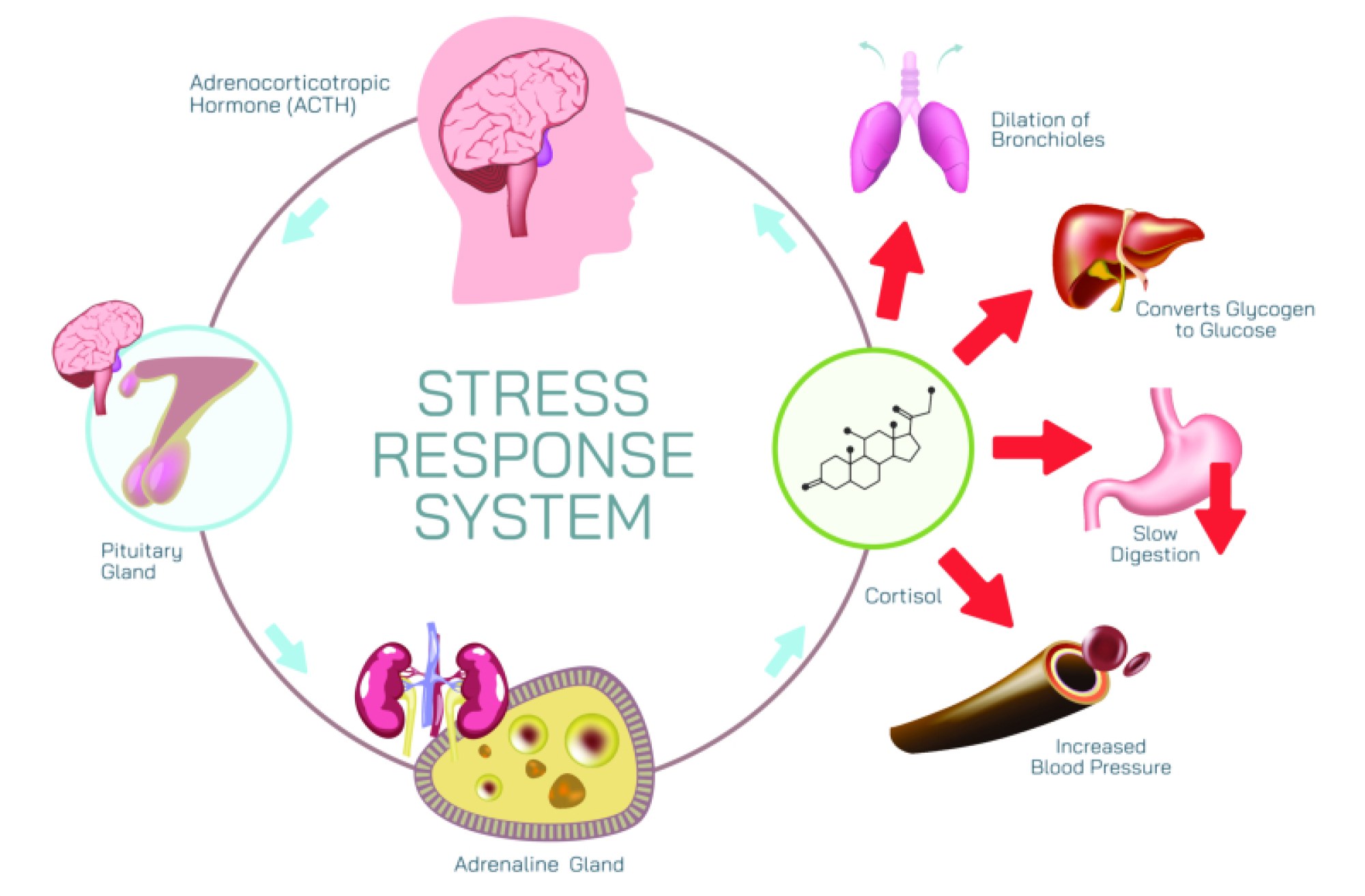
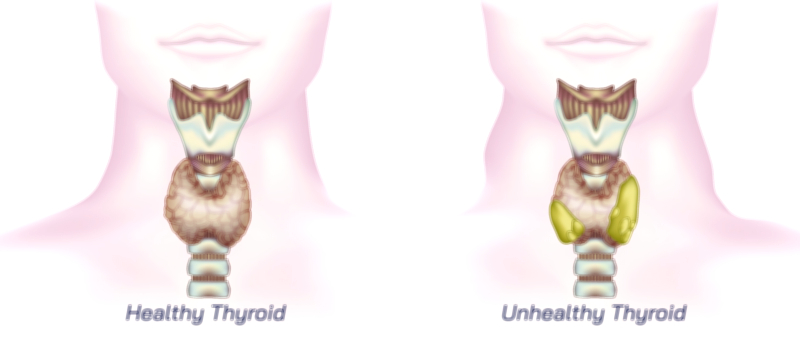
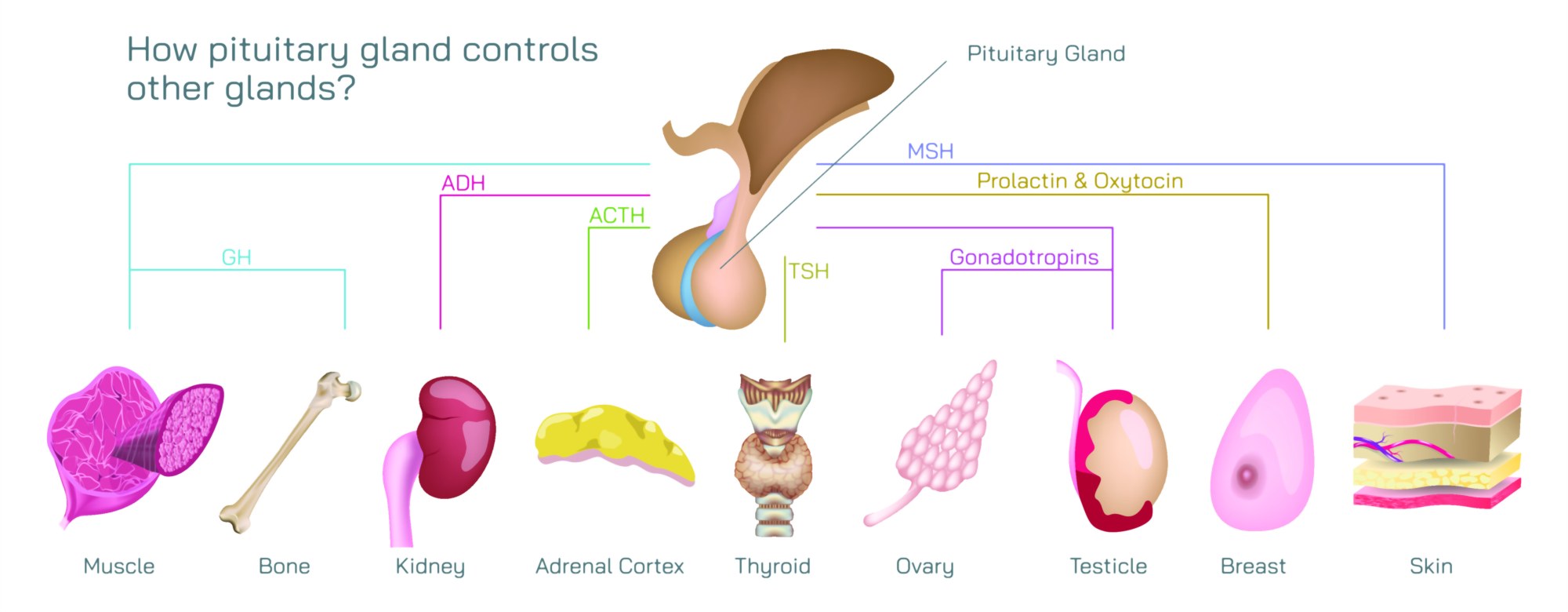
The pituitary gland is divided into two main parts: the anterior pituitary and the posterior pituitary. The anterior pituitary produces hormones such as thyroid-stimulating hormone (TSH), adrenocorticotropic hormone (ACTH), growth hormone (GH), and gonadotropins. TSH regulates the thyroid gland, which controls metabolism and energy use. ACTH stimulates the adrenal glands to produce cortisol and other essential hormones that help the body respond to stress. Gonadotropins, including luteinizing hormone (LH) and follicle-stimulating hormone (FSH), regulate the ovaries and testes, controlling reproductive functions such as ovulation, sperm production, and sex hormone levels. Growth hormone influences cell growth, muscle development, and bone density.
The posterior pituitary stores and releases hormones produced by the hypothalamus, including oxytocin and antidiuretic hormone (ADH). Oxytocin plays a critical role in childbirth and lactation, while ADH regulates water balance in the kidneys, maintaining fluid homeostasis. The coordination between the hypothalamus and pituitary gland ensures precise hormonal control and feedback regulation.
Through these hormonal signals, the pituitary gland orchestrates the function of multiple endocrine glands, maintaining the body’s internal environment and ensuring proper growth, metabolism, stress response, and reproduction. Disruption in pituitary function can lead to conditions such as growth disorders, thyroid imbalances, adrenal insufficiency, or reproductive issues, highlighting its vital role in human health. Understanding the pituitary gland’s regulatory mechanisms is fundamental in endocrinology, medicine, and physiology.
In conclusion, the pituitary gland acts as the master controller of the endocrine system, sending signals to the thyroid, adrenal glands, and reproductive organs, as well as regulating water balance and growth. By coordinating hormone production and feedback loops, it maintains the body’s physiological balance, supports growth and development, and ensures the proper function of multiple organs, emphasizing its essential role in human health.