Thyroid Tests and Diseases – Understanding Diagnostic Evaluation, Hormonal Regulation, Structural Abnormalities, Autoimmune Dysfunction, Metabolic Consequences, and the Clinical Importance of Early Detection in Endocrine Health
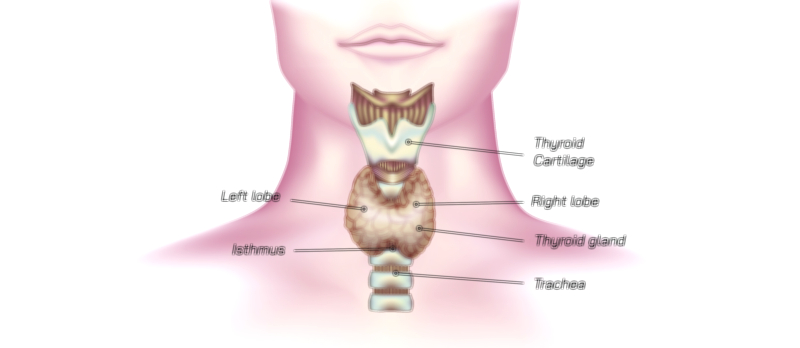
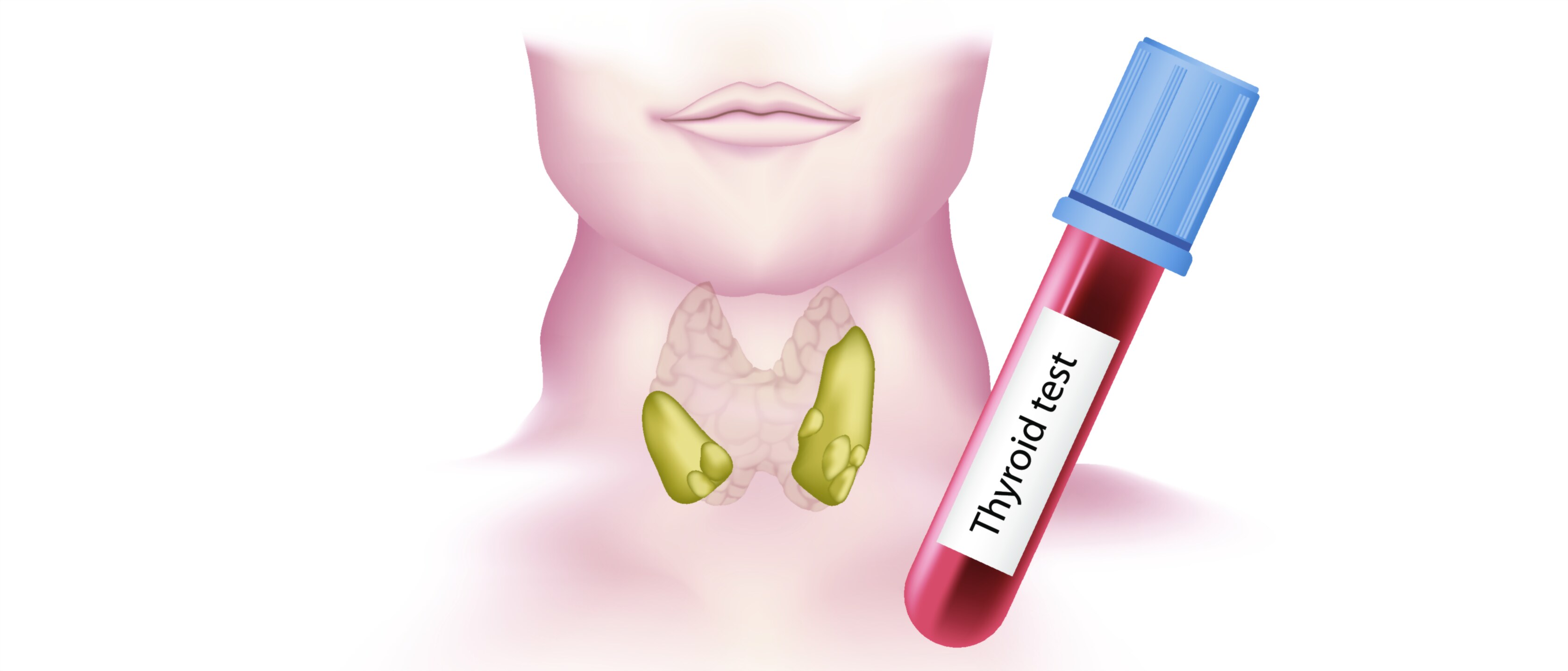
Thyroid tests and thyroid diseases are deeply interconnected subjects in medical science because accurate diagnostic evaluation is the foundation for identifying disorders that can affect every organ system in the body. The thyroid gland, although small and located at the front of the neck, has a massive impact on human physiology through the hormones it produces. These hormones regulate metabolism, temperature maintenance, cardiovascular rhythm, neuromuscular activity, digestive speed, emotional balance, and reproductive health. When the thyroid becomes dysfunctional, symptoms are often diverse and progressive, beginning with subtle changes in weight, energy levels, mood, or appetite before evolving into significant metabolic disturbances. Because thyroid diseases can resemble many unrelated medical conditions, laboratory tests serve as objective indicators that reveal internal endocrine status before physical damage or complications become advanced. To fully understand the importance of thyroid tests, it is essential to explore the types of thyroid diseases they are designed to diagnose and the hormonal patterns that distinguish a healthy gland from one experiencing dysfunction.
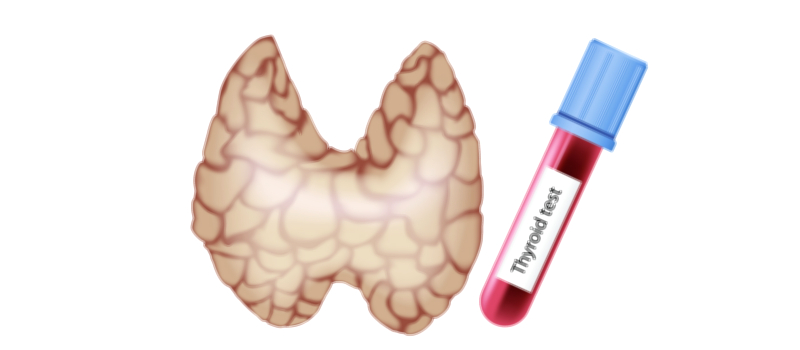
The first and most essential thyroid test is Thyroid-Stimulating Hormone (TSH), which serves as the central regulatory marker of thyroid function. TSH is not produced by the thyroid itself but by the pituitary gland, and it acts as a signal that tells the thyroid whether to produce more or less hormone. A high TSH value suggests that the thyroid is underperforming and the pituitary is working harder to stimulate hormone production, marking the beginning or presence of hypothyroidism. A low TSH value suggests that the thyroid is producing too much hormone and the pituitary is reducing stimulation, signaling hyperthyroidism. This feedback loop shows how intimately the endocrine system operates between the brain and thyroid, and why TSH testing acts as a sensitive early indicator of imbalance even before symptoms become obvious. TSH, however, cannot diagnose disease fully on its own, so it is measured alongside circulating thyroid hormones known as Free T4 (thyroxine) and Free T3 (triiodothyronine). Free T4 reflects the major hormone manufactured by the thyroid, and Free T3 represents the active hormone that cells use directly. When the thyroid is healthy, T3 and T4 remain within tightly regulated ranges; when hypothyroidism develops, these levels fall, and when hyperthyroidism develops, these levels rise. Together, TSH, Free T4, and Free T3 form the core panel of thyroid evaluation and show whether metabolism is functioning normally or disturbed by disease.
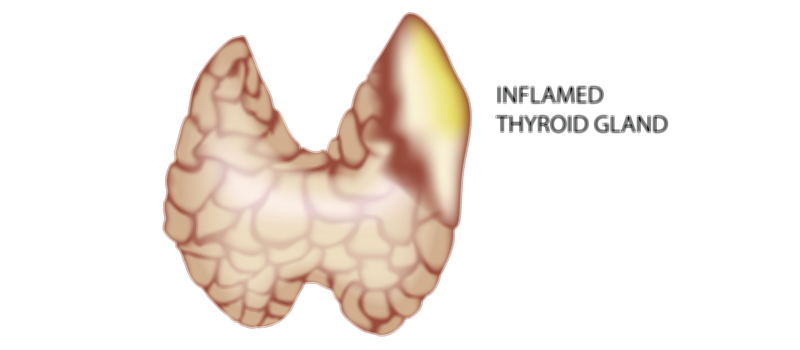
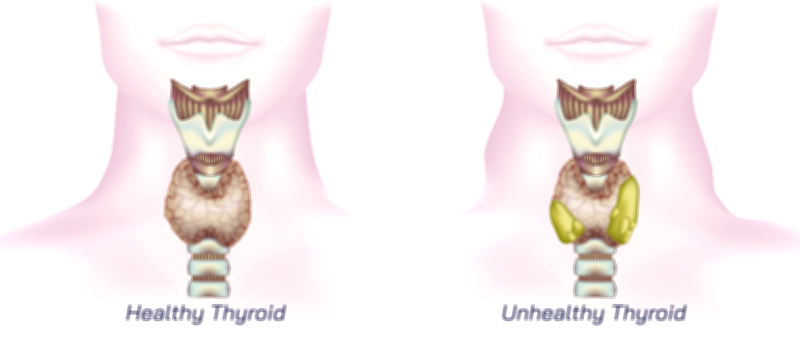
Thyroid antibody tests add deeper insight into diseases that arise from the immune system. Many thyroid disorders are autoimmune in origin, meaning the body mistakenly identifies its own thyroid tissue as a threat and attacks it. In Hashimoto’s thyroiditis, immune cells progressively damage the gland, resulting in chronic inflammation that eventually leads to hypothyroidism. This condition is confirmed through elevated anti-TPO (thyroid peroxidase) and anti-TG (thyroglobulin) antibodies, which show that the immune system is actively targeting thyroid structures. In Graves’ disease, the immune system produces antibodies that stimulate thyroid hormone production excessively, leading to hyperthyroidism. The presence of TSH receptor antibodies confirms this diagnosis and explains why thyroid hormones become elevated even when TSH is suppressed. These autoimmune diseases dramatically alter both the chemistry and the anatomy of the thyroid over time; Hashimoto’s often shrinks the gland after prolonged inflammation, while Graves’ disease commonly enlarges the thyroid and may produce visible symptoms such as bulging eyes, tremors, and rapid heartbeat. Without antibody testing, these autoimmune processes might appear identical to other forms of thyroid imbalance, but antibody detection enables precise clinical classification that influences long-term medical management.
4. These expanded tests show that thyroid diagnosis requires both biochemical and anatomical evaluation to understand whether disease arises from hormone imbalance, immune damage, structural abnormalities, tumor formation, or a combination of these mechanisms.
Understanding thyroid diseases requires exploring their systemic effects, because metabolic imbalance triggers multi-organ consequences that extend far beyond the neck. In hypothyroidism, when hormone levels are low, every system slows down. Individuals may experience chronic fatigue because cells struggle to generate energy, unexpected weight gain due to reduced calorie burning, dry skin and hair as cellular turnover declines, constipation and digestive sluggishness as the gut slows, and cold intolerance as heat production falls. The heart may beat more slowly, memory and concentration weaken, and emotional symptoms such as depression may surface. When untreated, hypothyroidism can progress to severe complications including high cholesterol, infertility, peripheral neuropathy, and in extreme cases, life-threatening myxedema coma. In hyperthyroidism, the opposite pattern emerges because metabolism speeds up excessively. Weight drops despite high appetite, nervousness and irritability intensify due to overstimulated nerves, heat intolerance becomes pronounced due to high body temperature output, and the heart beats rapidly and irregularly, increasing risk of arrhythmias and heart failure. Tremors, muscle weakness, diarrhea, insomnia, and anxiety reflect the body's struggles under accelerating metabolic pressure. When hyperthyroidism goes untreated, thyroid storm—a dangerous state of acute hormone excess—can occur, representing a medical emergency. The severity and diversity of these effects demonstrate why thyroid testing is essential whenever unexplained metabolic, emotional, cardiovascular, or neurological symptoms arise.
Thyroid testing plays a critical role not only in diagnosis but in long-term disease management. Medication-based treatment, such as levothyroxine for hypothyroidism or anti-thyroid drugs for hyperthyroidism, requires careful monitoring through laboratory tests to ensure correct dosing. Radioactive iodine therapy or surgery to treat hyperthyroidism or thyroid cancer also requires serial testing afterward to confirm that hormone levels remain balanced and that remaining tissue does not resume abnormal activity. Even after successful treatment, thyroid tests are often repeated every few months or annually to maintain metabolic stability across a lifetime. This connection between testing and ongoing care reflects that thyroid disease is rarely episodic; rather, it represents a sustained shift in endocrine physiology that must be monitored to preserve full-body wellness.
Ultimately, the relationship between thyroid tests and thyroid diseases highlights the profound value of modern endocrinology. Each test serves as a window into the gland’s structure, its hormone production, its immune environment, and its long-term metabolic influence on the body. Diseases of the thyroid remind us that a small anatomical organ can shape mental clarity, physical vitality, body temperature, cardiovascular rhythm, fertility, bone health, digestion, and emotional stability. Through careful measurement of TSH, Free T4, Free T3, thyroid antibodies, and other markers, physicians can detect dysfunction early, guide treatment decisions, and prevent long-term complications that arise when metabolism remains unbalanced. The study of thyroid tests and diseases underscores the extraordinary connection between biochemical signals and whole-body health, revealing how the precision of laboratory medicine supports longevity, well-being, and a deeper understanding of the endocrine system that sustains life.