Healthy and Unhealthy Thyroid – Anatomical Differences, Hormonal Balance vs Dysfunction, Structural Changes, Systemic Effects, and How Thyroid Health Influences the Entire Body
4. Because of this balance, a healthy thyroid keeps metabolism steady and supports consistent energy levels, stable weight, normal heart function, and emotional balance.
The Internal Design of a Healthy Thyroid and the Hormonal Harmony It Creates
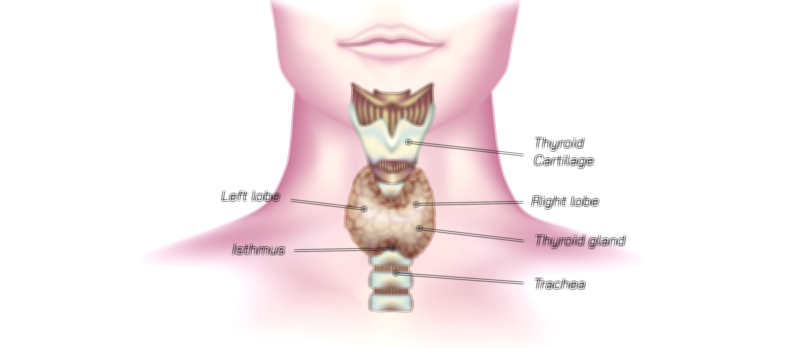
4. Follicular cells hold the ability to capture iodine from the blood—an essential dietary mineral—and use it to complete hormone formation. When the pituitary gland secretes thyroid-stimulating hormone (TSH), these cells respond promptly by releasing stored hormone into the bloodstream. This process does not occur randomly; it is tightly controlled through a feedback loop in which high hormone levels signal the pituitary to reduce TSH production and low levels trigger an increase. Because of this feedback system, a healthy thyroid never grows excessively, never shrinks abnormally, and never releases hormones at a rate that disturbs metabolic balance. The thyroid’s parafollicular (C) cells contribute to calcium regulation through calcitonin, supporting bone metabolism without influencing the core metabolic system that T3 and T4 control. Altogether, a healthy thyroid represents an anatomical and hormonal equilibrium that sustains daily physical functioning quietly, efficiently, and continuously.
The Transformation of Thyroid Anatomy and Physiology When the Gland Becomes Unhealthy
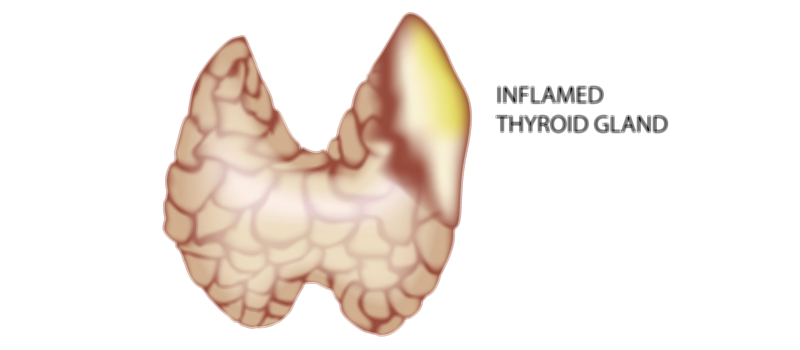
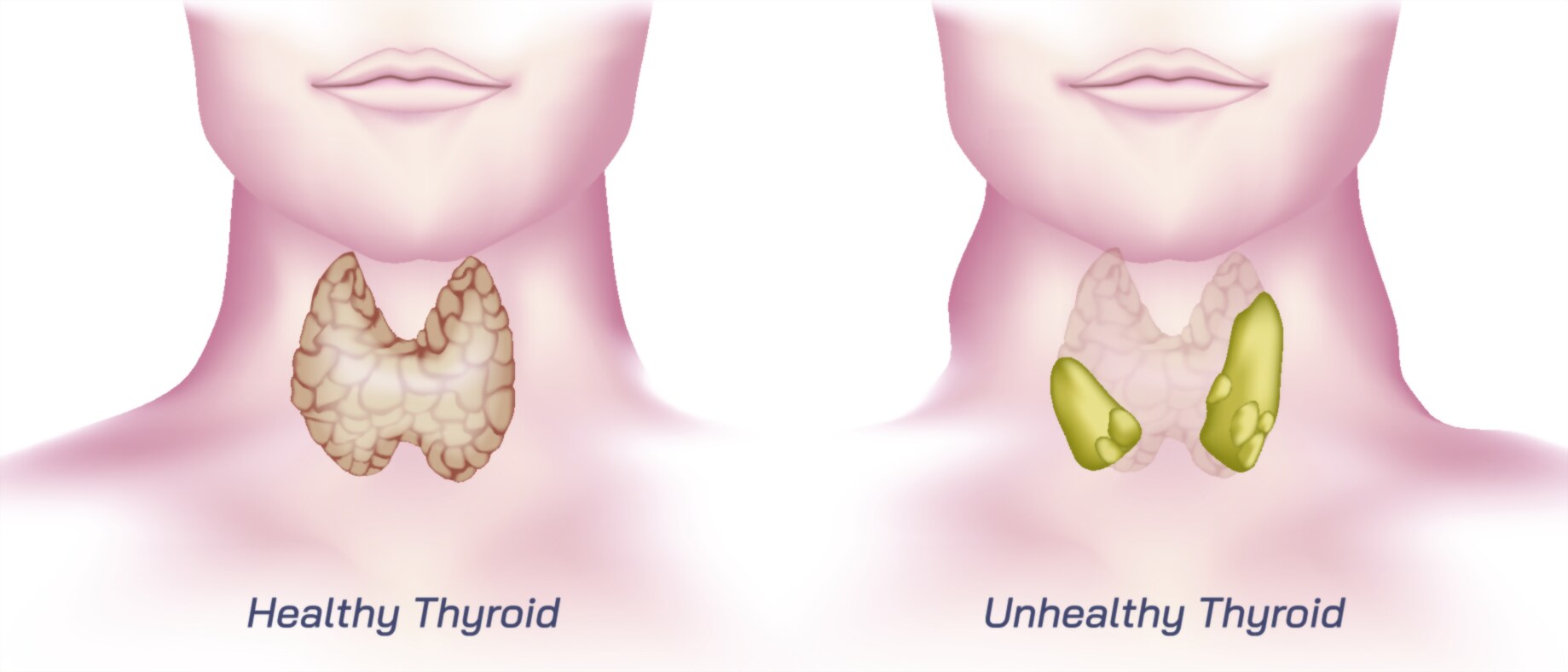
When the thyroid becomes diseased or dysfunctional, both its anatomy and its hormone output are altered, often leading to wide-ranging symptoms in the body. In many cases, the earliest stages of dysfunction occur microscopically, long before visible anatomical changes appear. Autoimmune disorders such as Hashimoto’s thyroiditis and Graves’ disease damage thyroid tissue or overstimulate it, gradually transforming its structure and disrupting hormone balance. In Hashimoto’s disease, chronic inflammation slowly destroys follicles, leading to hypothyroidism—an underactive thyroid that produces insufficient hormones. In Graves’ disease, immune-system antibodies stimulate the thyroid uncontrollably, causing hyperthyroidism—an overactive gland that produces excessive hormones. Both conditions distort thyroid architecture and hormone output in opposite ways yet can ultimately cause enlargement, nodularity, or scarring.
Structural Changes in an Unhealthy Thyroid and How They Affect the Neck and Surrounding Tissues
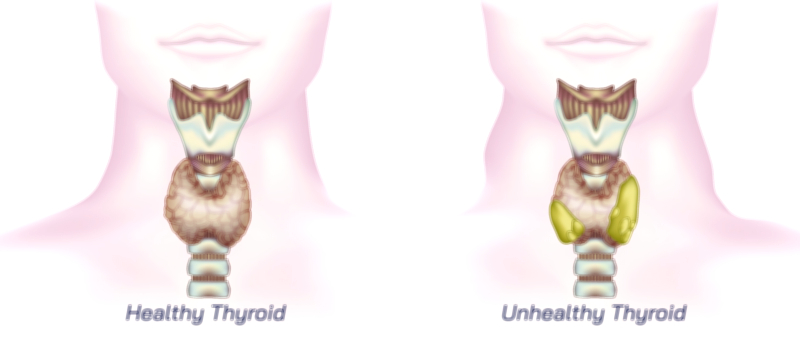
An unhealthy thyroid often undergoes visible anatomical changes that reflect underlying disease processes. The most recognizable is a goiter, an enlargement of the thyroid that alters the natural silhouette of the neck. Goiters may be smooth and uniform in early stages or become irregular, firm, and lumpy as nodules form. Nodules represent local overgrowths of thyroid tissue, and although many are harmless, some produce uncontrolled hormone release, while others may evolve into cancer. Enlargement of the thyroid can compress nearby structures, causing difficulty breathing, shortness of breath, choking sensations when lying flat, frequent coughing, or trouble swallowing. Because the recurrent laryngeal nerves lie close to the thyroid, inflammation or surgical complications in an unhealthy thyroid may affect voice strength or pitch. In severe inflammatory diseases, the thyroid becomes tender or painful, especially when touched. Over time, longstanding inflammation can shrink the gland significantly, resulting in permanent hypothyroidism.
How Hormonal Imbalance in an Unhealthy Thyroid Influences the Entire Body
An unhealthy thyroid does not only change in shape—its malfunction affects virtually every system of the body because thyroid hormones influence metabolic regulation at the cellular level. In hypothyroidism, metabolism slows to a degree that disrupts daily bodily functions. Fatigue deepens because cells cannot produce sufficient energy, weight increases because the body burns calories more slowly, bodily temperature falls because heat generation declines, and the heart rate slows because cardiac tissue responds heavily to thyroid hormones. Digestion becomes sluggish, leading to constipation and bloating, while the brain becomes affected due to slowed neurotransmitter regulation, causing forgetfulness, low mood, or depression. By contrast, hyperthyroidism accelerates metabolism to an unhealthy degree. Heartbeat becomes rapid and irregular, hunger increases sharply while weight drops, heat intolerance and sweating intensify, and muscle weakness arises because tissues break down faster than they rebuild. Anxiety, irritability, tremors, and sleep disturbances surface because the nervous system becomes overstimulated. These widespread effects demonstrate that thyroid disease is not merely a neck condition but a systemic metabolic disorder.
Why the Comparison Between Healthy and Unhealthy Thyroid Anatomy Matters for Understanding Human Health
The contrast between a healthy and unhealthy thyroid provides a powerful educational example of how organ structure and endocrine signaling govern whole-body physiology. It highlights that the gland does not need to be large or visibly abnormal to trigger significant physical symptoms; even slight shifts in hormone levels can alter appetite, mood, energy, body temperature, menstrual regularity, hair growth, heart rhythm, and emotional well-being. It also reveals how external signs—such as swelling in the neck, changes in weight, or fluctuations in energy—can be connected to internal microscopic events occurring in thyroid tissue long before the symptoms become noticeable. Understanding this connection also brings attention to the importance of iodine, autoimmune health, and early detection of thyroid disorders, as untreated disease can lead to permanent tissue damage or long-term metabolic disruption.
Ultimately, comparing healthy and unhealthy thyroid anatomy shows that the thyroid is far more than a structural organ in the neck—it is a metabolic command center whose proper function is essential to the balance of nearly every system in the human body. A healthy thyroid preserves equilibrium silently, while an unhealthy thyroid disrupts metabolic harmony in ways that affect every aspect of daily life. Appreciating these differences deepens both medical knowledge and public awareness, reinforcing the importance of early diagnosis, balanced nutrition, immune regulation, and consistent monitoring to protect this small but indispensable endocrine gland.