Pituitary Gland: Master Endocrine Organ Controlling Hormones and Body Functions Explained
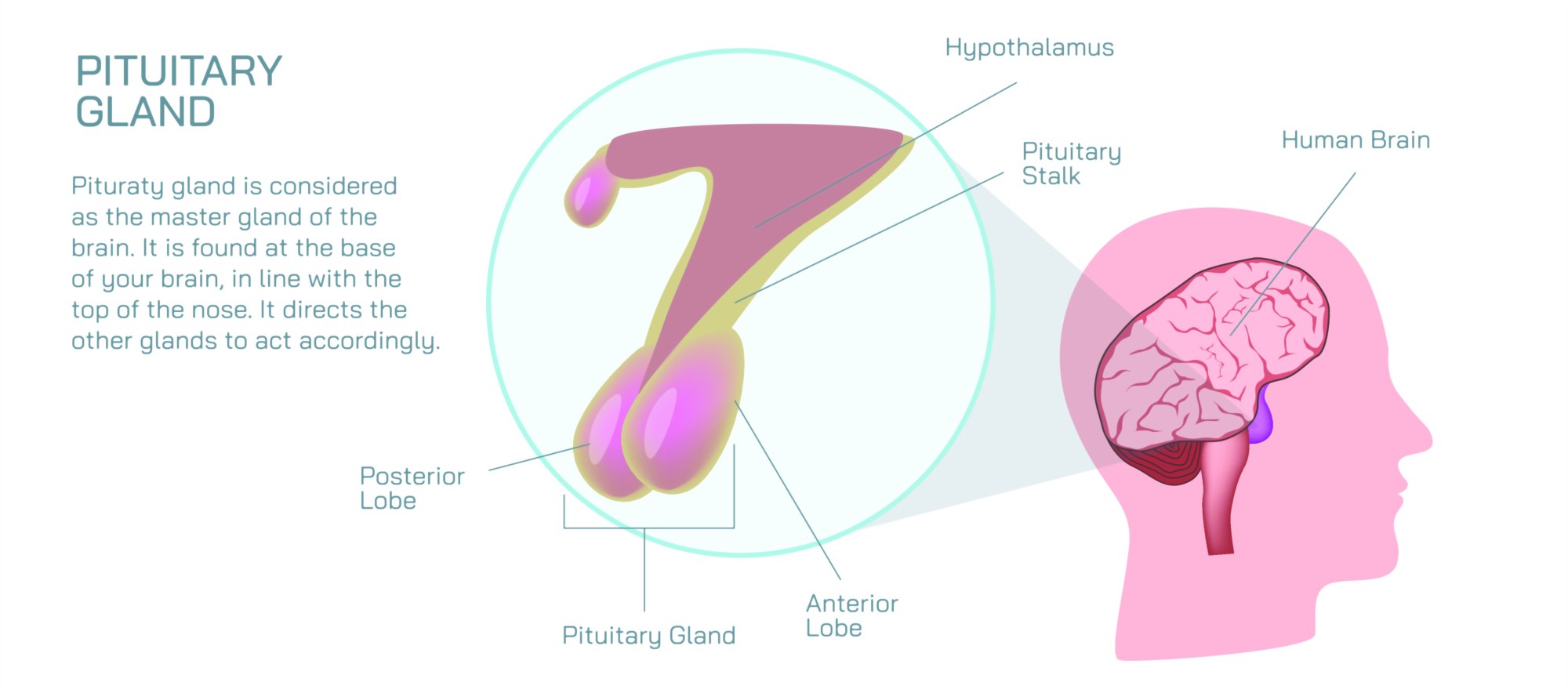
The pituitary gland is often called the “master gland” of the endocrine system because its hormones influence and regulate the activity of nearly every other hormone-producing organ in the body. Although it is roughly the size of a pea and tucked securely at the base of the brain, the pituitary wields extraordinary biological authority, coordinating growth, metabolism, reproduction, stress response, lactation, fluid balance, and more. Its position beneath the hypothalamus reflects a structural and functional partnership: the hypothalamus receives information from the nervous system and uses the pituitary to translate those signals into hormonal commands that act throughout the bloodstream. This connection allows the brain to regulate the body not only through rapid electrical impulses but also through slower but powerful hormonal pathways that sustain long-term processes. When the organization of the pituitary gland and the hormones it secretes are examined, it becomes clear that it is not simply one gland acting alone but a central switchboard that influences nearly every physiological system.
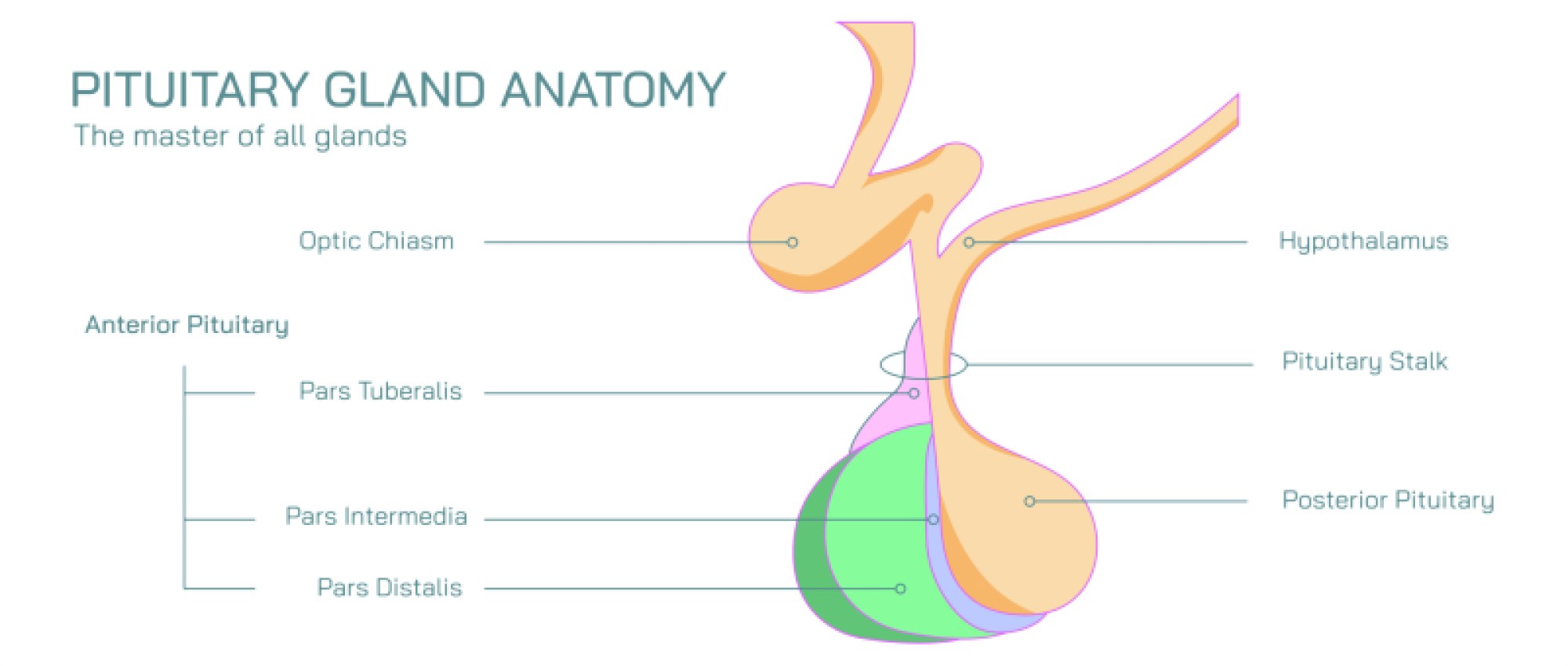
The pituitary gland is divided into two main regions — the anterior pituitary and the posterior pituitary — and each has its own developmental origin and mechanism of hormone release. Despite appearing as a single organ, these regions function like two different glands within one structure. The anterior pituitary, which makes up the majority of the gland, synthesizes and secretes hormones directly into the bloodstream. These hormones are regulated by releasing and inhibiting factors delivered from the hypothalamus through a unique network of blood vessels known as the hypophyseal portal system. In contrast, the posterior pituitary does not produce hormones itself; instead, it stores and releases hormones that are manufactured in specialized neurons of the hypothalamus. These hormones travel down long nerve fibers into the posterior pituitary and are released into circulation when triggered. This dual structure enables the pituitary to combine neural control with endocrine action, forming an elegant interface between thought, emotion, physiology, and long-term bodily function.
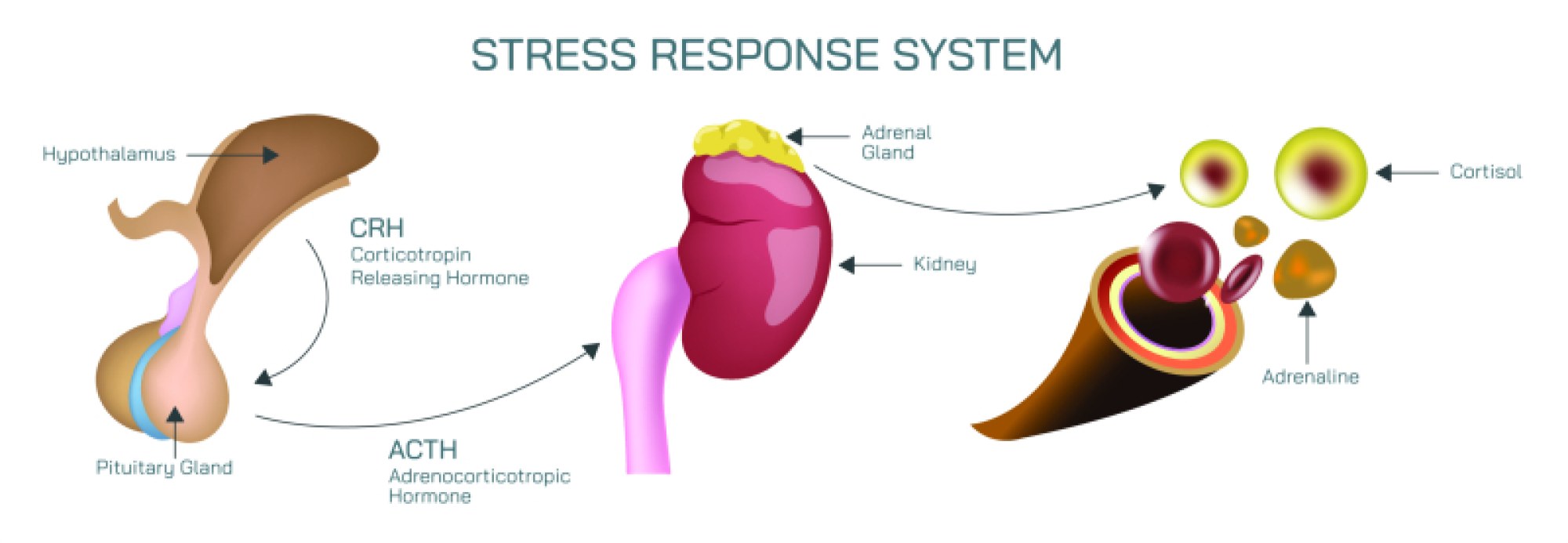
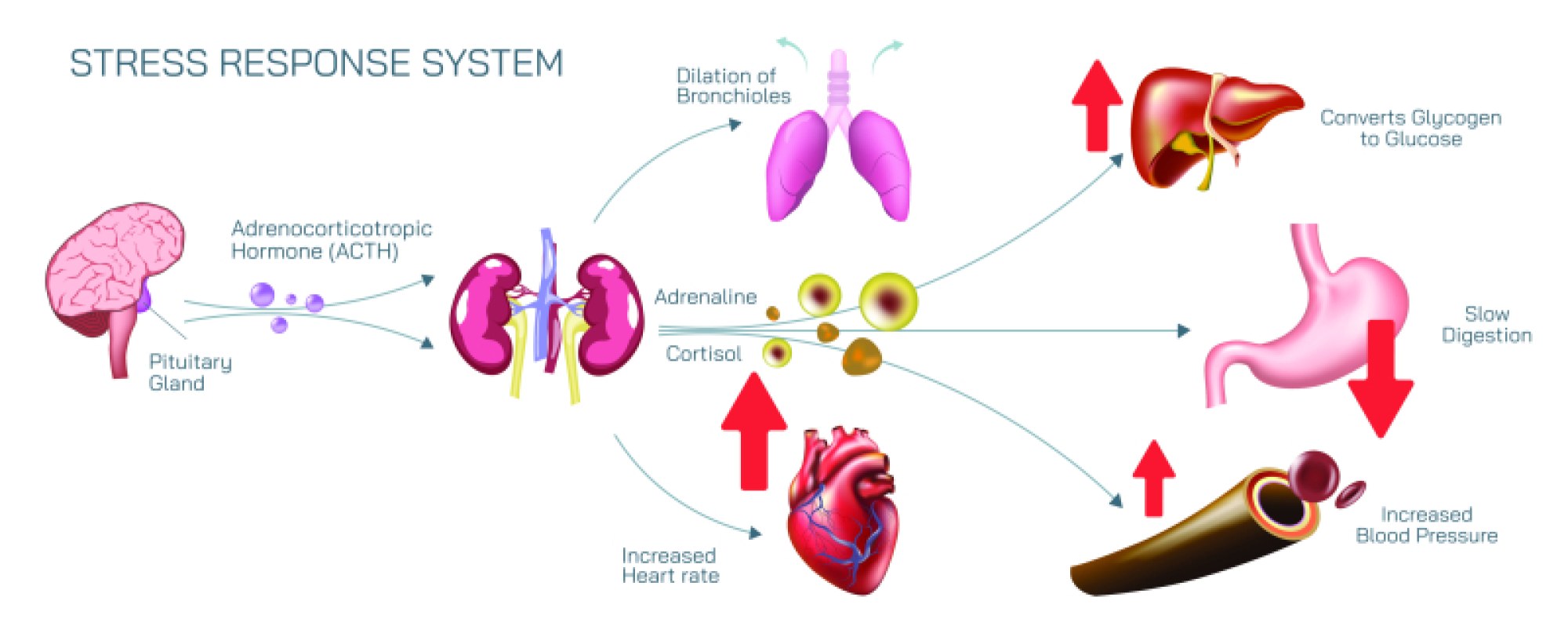
The anterior pituitary releases a wide range of hormones that control diverse bodily processes. Growth hormone is responsible for stimulating tissue growth, protein synthesis, and metabolic balance throughout childhood and adulthood. Dysregulation of growth hormone can lead to stunted development or overgrowth, but even in adults it plays a crucial role in preserving muscle mass, bone density, and metabolic health. Thyroid-stimulating hormone targets the thyroid gland, ensuring the release of thyroid hormones that regulate energy production, body temperature, and metabolic rate. Adrenocorticotropic hormone activates the adrenal cortex and plays a vital role in the stress response by stimulating the release of cortisol and related steroids. The reproductive axis also depends directly on the anterior pituitary through follicle-stimulating hormone and luteinizing hormone, which regulate ovulation in females, sperm development in males, and the production of estrogen and testosterone. Prolactin, another anterior pituitary hormone, prepares the body for lactation by promoting milk production after childbirth and modulates maternal behavior and reproductive function. Each of these hormones originates from the same gland but targets a completely different part of the body, making the anterior pituitary one of the most multifunctional hormonal organs in biology.
The posterior pituitary, though smaller, is equally essential for survival because it releases two hormones that regulate some of the body’s most fundamental systems: fluid balance and reproduction. One is antidiuretic hormone, also known as vasopressin, which helps the kidneys retain water and maintain blood pressure. Without sufficient antidiuretic hormone action, the body would rapidly lose fluids through urine, leading to dehydration and dangerous electrolyte imbalance. The second hormone is oxytocin, which plays a well-known role in childbirth by stimulating uterine contractions and also triggers milk ejection during breastfeeding. Beyond these physical effects, oxytocin acts within the brain to modulate bonding, trust, empathy, and social attachment, revealing that hormonal regulation extends beyond physiology and into emotional and behavioral realms. Though oxytocin is produced in the hypothalamus, the posterior pituitary serves as its access point to the bloodstream, allowing a neural signal to become a systemic hormonal influence.
The influence of the pituitary gland does not end with the distribution of hormones; it also controls crucial hormonal loops that maintain internal balance. Many pituitary hormones operate within feedback cycles in which the target gland sends chemical messages back to the brain and pituitary to reduce or increase hormone output. For example, when thyroid hormones rise to adequate levels in the blood, they signal the hypothalamus and pituitary to reduce thyroid-stimulating hormone secretion. When thyroid hormones fall, the feedback loop reverses and stimulates additional release. Similar feedback systems regulate cortisol, sex hormones, and growth hormone. These loops ensure that the body does not produce too much or too little of a hormone and adjusts output based on the demands of metabolism, stress, reproduction, and growth. The pituitary gland acts as the conductor of these feedback loops, ensuring that harmony rather than overload or deficiency governs endocrine communication.
When pituitary function is disrupted, the effects can ripple across the entire endocrine system. Underactive pituitary activity (hypopituitarism) deprives the body of critical hormones, causing growth delays, infertility, chronic fatigue, low blood pressure, metabolic problems, and loss of secondary sexual traits depending on which hormones are diminished. Overactive pituitary function can lead to excessive hormone secretion, producing disorders such as acromegaly from excess growth hormone, Cushing’s disease from excess adrenocorticotropic hormone, or hyperprolactinemia from excess prolactin. Many pituitary disorders develop gradually and present with symptoms that may affect multiple organs, making diagnosis dependent on identifying patterns rather than isolated problems. Because the pituitary influences so many systems, a single imbalance can appear as a combination of reproductive, metabolic, skeletal, cardiovascular, or emotional disturbances.
Despite its vulnerability to disease, the pituitary gland demonstrates the remarkable efficiency of endocrine coordination. The nervous system excels at speed, transmitting impulses in milliseconds, while hormonal signals excel at persistence, supporting long-term physiological adjustments. The pituitary enables both systems to work together by turning neural information from the hypothalamus into hormonal commands that act on tissues throughout the body. It is for this reason that the pituitary is considered the master endocrine organ: it does not merely release hormones but sets in motion hormonal chains that guarantee body-wide adaptation to changing demands. Growth, development, stress, reproduction, and metabolism are not isolated functions but interconnected biological goals, and the pituitary sits at the center of that integration.
Understanding the pituitary gland ultimately means recognizing that the body is governed not only by anatomy but by communication — a network of signals that ensure biochemical unity across organs. The pituitary gland’s dual structure, its range of hormone targets, and its sensitivity to neural input make it a biological command center that influences who we are from childhood through adulthood. Whether controlling energy balance, directing reproduction, allowing the body to cope with adversity, guiding growth, or maintaining hydration and blood pressure, the pituitary transforms microscopic chemical messengers into life-defining outcomes. Its title as the master gland is not an exaggeration; it reflects the profound reality that a pea-sized structure beneath the brain silently orchestrates the internal rhythms of the human body.