Endocrine System Explained: Hormone-Secreting Glands and Their Functions in the Human Body
The endocrine system is one of the most intricate and fascinating regulatory networks in the human body, responsible for maintaining internal balance and coordinating countless physiological processes through the secretion of hormones. Unlike the nervous system, which relies on rapid electrical impulses, the endocrine system communicates more slowly using chemical messengers that travel through the bloodstream to reach tissues and organs. These hormones influence growth, development, metabolism, reproduction, emotions, and the body’s ability to adapt to internal and external stressors. The functioning of this system is not isolated to a single organ; rather, it consists of a constellation of specialized glands distributed across the body, each with its own role yet intertwined through feedback regulation to create a stable internal environment known as homeostasis. The precision with which hormonal secretions rise and fall indicates the remarkable biological intelligence embedded within this system, as even slight imbalances can profoundly influence physical and emotional well-being.
The central regulatory role of the hypothalamus and pituitary gland in endocrine control
At the core of the endocrine system lies the hypothalamus, a region of the brain that acts as the command center linking the nervous and endocrine systems. It monitors the body’s needs by sensing blood chemistry, temperature, stress levels, and sleep patterns, and responds by releasing regulatory hormones that control other glands. The hypothalamus exerts its influence primarily through the pituitary gland, located just below it and often described as the master gland. This designation arises from the pituitary’s ability to release hormones that directly regulate the thyroid, adrenal glands, ovaries, testes, and even stimulate growth and milk production. The anterior pituitary produces hormones such as growth hormone, prolactin, thyroid-stimulating hormone, adrenocorticotropic hormone, and gonadotropins controlling reproductive organs. In contrast, the posterior pituitary stores and releases hormones produced by the hypothalamus, such as oxytocin and vasopressin, which regulate uterine contractions, bonding behaviors, and the body’s water balance. The dual functioning of the pituitary establishes a highly refined feedback system that ensures hormone production increases when required and decreases when equilibrium is restored.
The thyroid and parathyroid glands and their influence on metabolism and calcium regulation
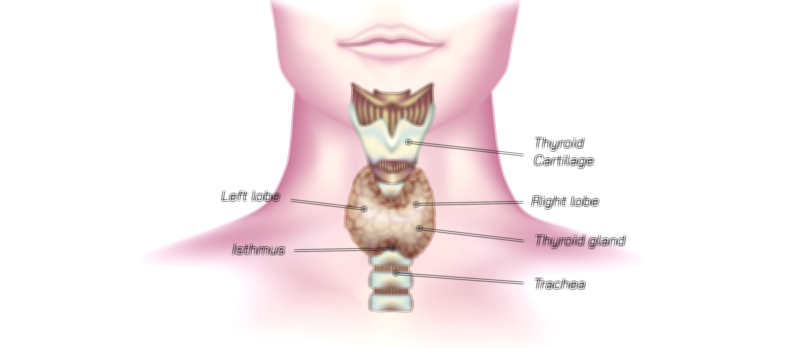
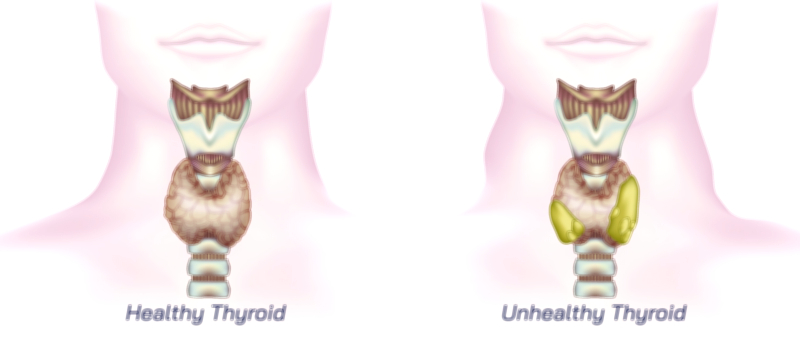
Surrounding the trachea in the neck, the thyroid gland stands as a central organ in metabolic control. Its main hormones, thyroxine and triiodothyronine, determine how rapidly cells convert nutrients into energy, influencing body temperature, heart rate, weight management, and overall vitality. When thyroid hormones are insufficient, metabolic processes slow, leading to fatigue, weight gain, intolerance to cold, and cognitive dullness. Conversely, excessive thyroid activity accelerates metabolism, producing sudden weight loss, anxiety, and rapid heartbeat. Behind the thyroid sit the four parathyroid glands, smaller in size but essential for precise control of blood calcium levels. They release parathyroid hormone, which regulates how calcium is absorbed from food, stored in bones, and filtered through kidneys. This regulatory cycle ensures stable nerve transmission, muscle contractions, and strong bone structure. Without adequate parathyroid function, muscles may spasm, bones can weaken, and the heart may develop dangerous rhythm disturbances, illustrating how even minimal hormonal shifts can reshape body function.
The adrenal glands and the body’s capacity to respond to stress and maintain metabolic stability
Atop each kidney rests an adrenal gland, a powerhouse of hormones that equips the body to face physical and emotional challenges. Each adrenal gland has two distinct regions with unique secretory roles. The adrenal medulla produces adrenaline and noradrenaline, hormones that activate the fight-or-flight response by raising blood pressure, increasing heart rate, dilating airways, and preparing muscles for action. This rapid surge enhances survival in threatening situations and also activates during intense excitement or anxiety. The outer adrenal cortex produces hormones such as cortisol and aldosterone, which sustain the body through longer-term stress. Cortisol maintains glucose availability, suppresses inflammation, and reallocates energy to essential physiological functions during adversity, while aldosterone meticulously balances sodium and potassium levels, stabilizing blood pressure and hydration. When adrenal regulation falters, individuals may feel chronically fatigued, susceptible to stress, or unable to maintain normal circulation, demonstrating how deeply adrenal hormones influence daily functioning.
The pancreas and the endocrine regulation of blood sugar and energy distribution
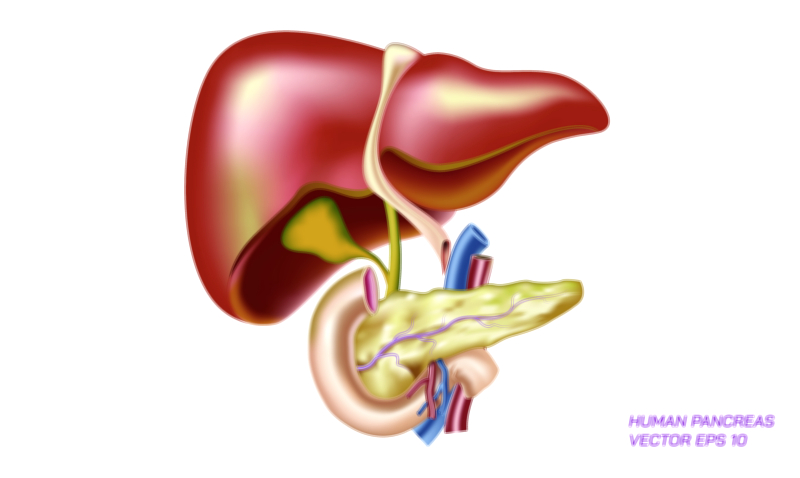
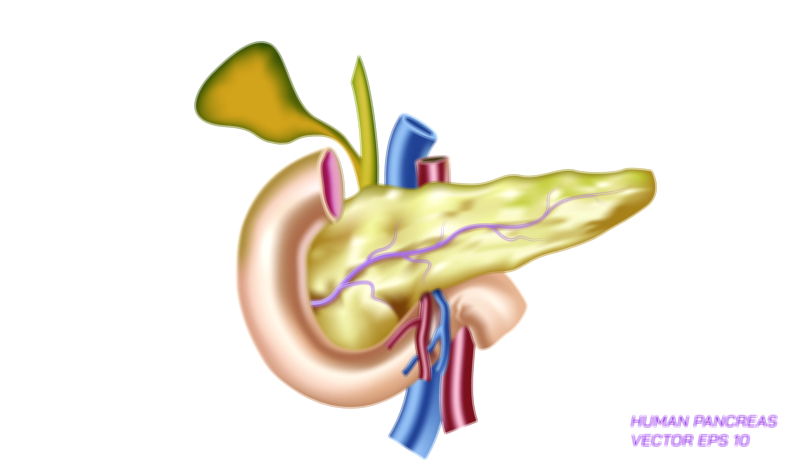
The pancreas stands apart as both a digestive and endocrine organ but plays a crucial hormonal role through the regulation of blood glucose. Specialized pancreatic cells release insulin and glucagon, two hormones with opposite effects that work collaboratively to stabilize fuel supply for the body. Insulin lowers blood glucose by encouraging cells to absorb sugar from the bloodstream and store excess energy as glycogen or fat, whereas glucagon raises blood glucose by triggering the breakdown of stored glycogen and promoting glucose release into the blood. This sensitive balance ensures that the brain and muscles always receive adequate fuel without allowing glucose levels to rise to damaging levels or fall dangerously low. Disruptions in pancreatic hormone secretion can lead to significant health consequences, as seen in diabetes, where inadequate insulin production or poor cellular response to insulin causes chronic elevation of blood sugar, highlighting the importance of the pancreas in energy management and long-term metabolic health.
The gonads and hormonal regulation of sexual development, fertility, and reproductive cycles
The reproductive glands, the ovaries in females and testes in males, produce hormones that govern sexual development, fertility, and secondary sexual characteristics. In females, the ovaries release estrogen and progesterone, hormones that regulate the menstrual cycle, support pregnancy, influence bone density, and contribute to emotional balance. Their cyclic rhythm creates one of the most dynamic hormonal patterns in the human body, fluctuating in preparation for possible fertilization. In males, the testes produce testosterone, which directs sperm production, enhances muscle and bone mass, deepens the voice, and shapes libido. Both reproductive systems rely on signaling from the pituitary gland, forming an interconnected chain of hormonal control that supports the continuity of life. Beyond reproduction, these hormones also influence behaviors, cognition, and long-term physical health, revealing how deeply the endocrine system shapes identity and emotion across the lifespan.
The endocrine system as a model of biological harmony and lifelong internal stability
Taken as a whole, the endocrine system operates as a highly synchronized network in which each gland fulfills a specific purpose while remaining responsive to the state of the entire body. Negative feedback loops prevent hormonal excesses, shutting down secretion when equilibrium is reached, while biological rhythms such as sleep cycles and stress responses fine-tune hormonal release to meet the demands of day and night. This system allows the body to grow from infancy to adulthood, withstand environmental pressures, heal from physical injury, respond to emotional challenges, and transition through hormonal changes of aging. When functioning properly, the endocrine system remains invisible, silently shaping the rhythms of life; however, when disturbances arise, they can affect mood, weight, growth, sleep, immunity, sexual health, and metabolic well-being. Understanding the endocrine system offers a window into the profound role hormones play in maintaining human health and illuminates how interconnected the body truly is, where glands separated by distance collaborate seamlessly to promote stability, adaptation, and survival.