Pituitary Gland – The Master Gland of the Endocrine System
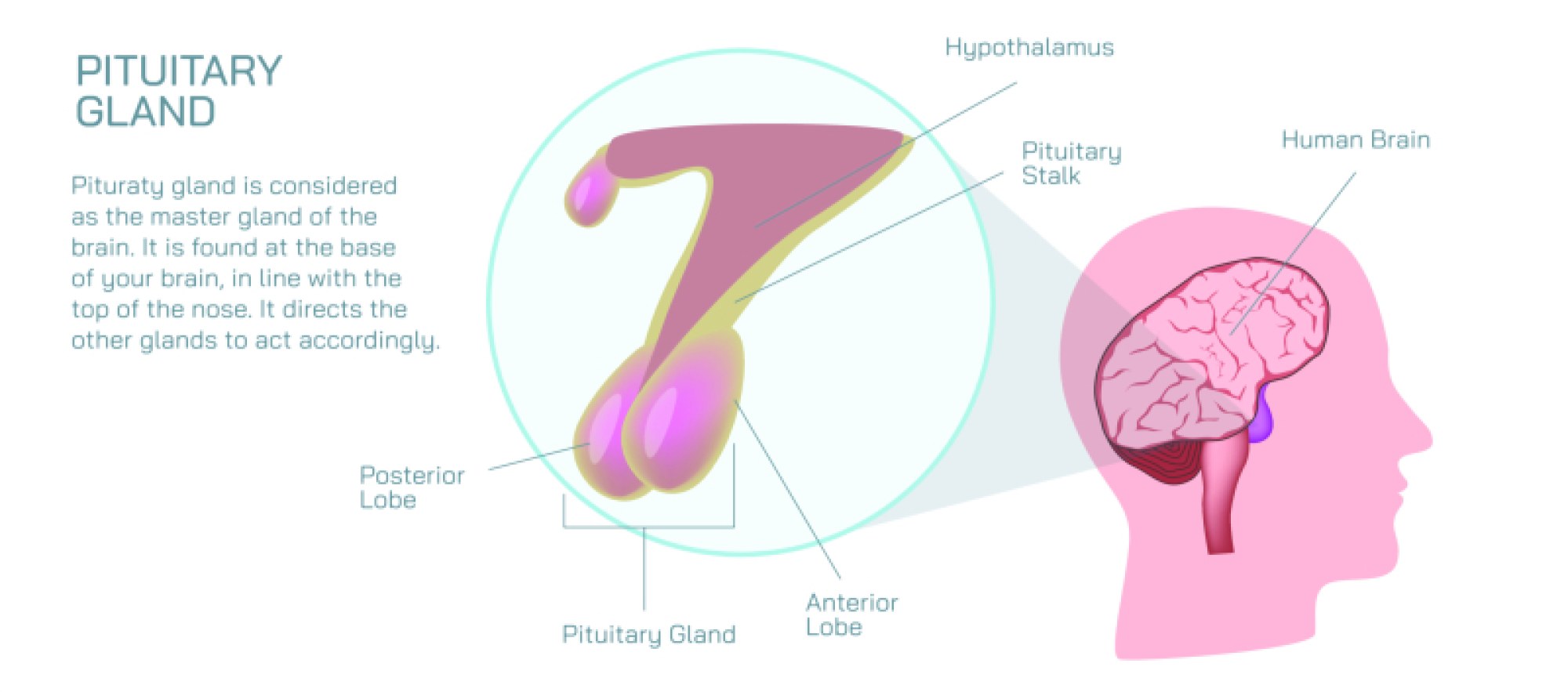
The pituitary gland, often referred to as the “master gland,” is a small but crucial organ located at the base of the brain. Despite its size, it plays a central role in regulating numerous hormonal and physiological processes in the human body. It controls other endocrine glands, orchestrates growth, metabolism, reproduction, and maintains homeostasis through the secretion of various hormones.
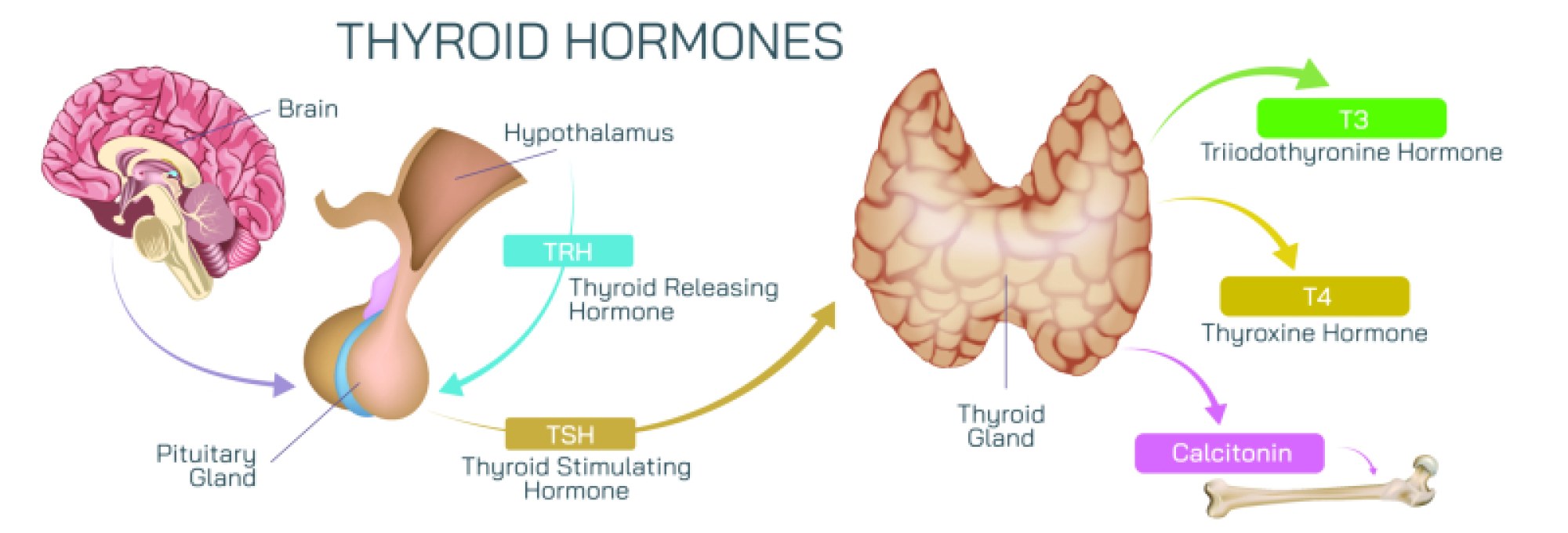
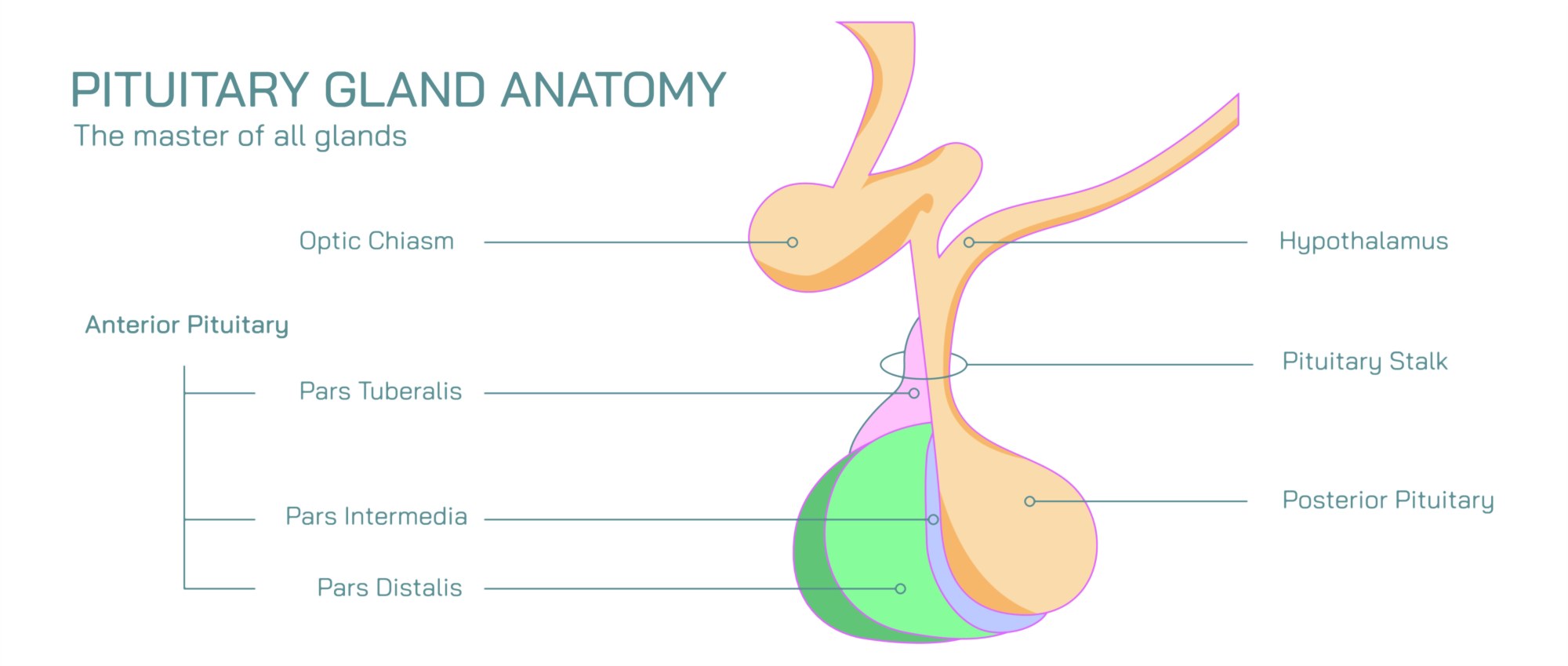
Structurally, the pituitary gland is divided into two primary regions: the anterior pituitary and the posterior pituitary. The anterior pituitary produces hormones such as growth hormone, thyroid-stimulating hormone, adrenocorticotropic hormone, prolactin, follicle-stimulating hormone, and luteinizing hormone, which regulate growth, metabolism, stress response, and reproductive functions. The posterior pituitary releases hormones like oxytocin and vasopressin, which influence childbirth, lactation, water balance, and kidney function. Together, these regions coordinate complex physiological activities essential for survival and health.
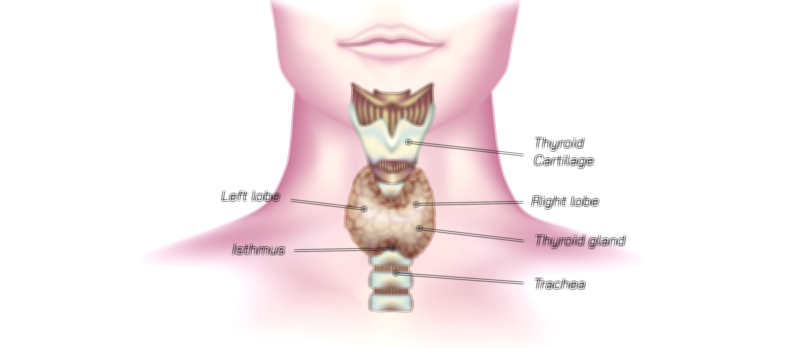
Understanding the pituitary gland is fundamental in endocrinology, medicine, and biology education. Illustrations and vector diagrams provide a visual explanation of its location, structure, and hormonal pathways. Visualizations help learners comprehend the interactions between the pituitary gland and other endocrine organs, such as the thyroid, adrenal glands, and gonads. These diagrams are particularly useful for students, healthcare professionals, and educators seeking a clear understanding of hormone regulation.
Disorders of the pituitary gland, including hypopituitarism, hyperpituitarism, pituitary tumors, and hormonal imbalances, can have significant impacts on growth, metabolism, fertility, and overall health. Early detection and understanding of pituitary functions through educational illustrations and scientific visualization are critical for diagnosis, treatment, and research in endocrinology.
The pituitary gland’s central role in the body also extends to homeostasis, influencing stress response, blood pressure, water balance, and energy levels. Educational materials illustrating its function make it easier for learners to understand how hormones regulate vital processes and maintain equilibrium in the human body.
In conclusion, the pituitary gland is the master gland of the endocrine system, responsible for controlling growth, metabolism, reproduction, and overall hormonal balance. Its anterior and posterior regions work together to release essential hormones, influencing a wide array of bodily functions. Visual illustrations, diagrams, and vector representations are vital for understanding the pituitary gland’s structure, function, and clinical significance, making it an indispensable concept in biology, medicine, and educational content.