Inflamed Thyroid – Understanding Thyroid Inflammation, Structural and Hormonal Disruption, Immune Triggers, Neck Symptoms, Systemic Effects, and the Medical Significance of Thyroiditis
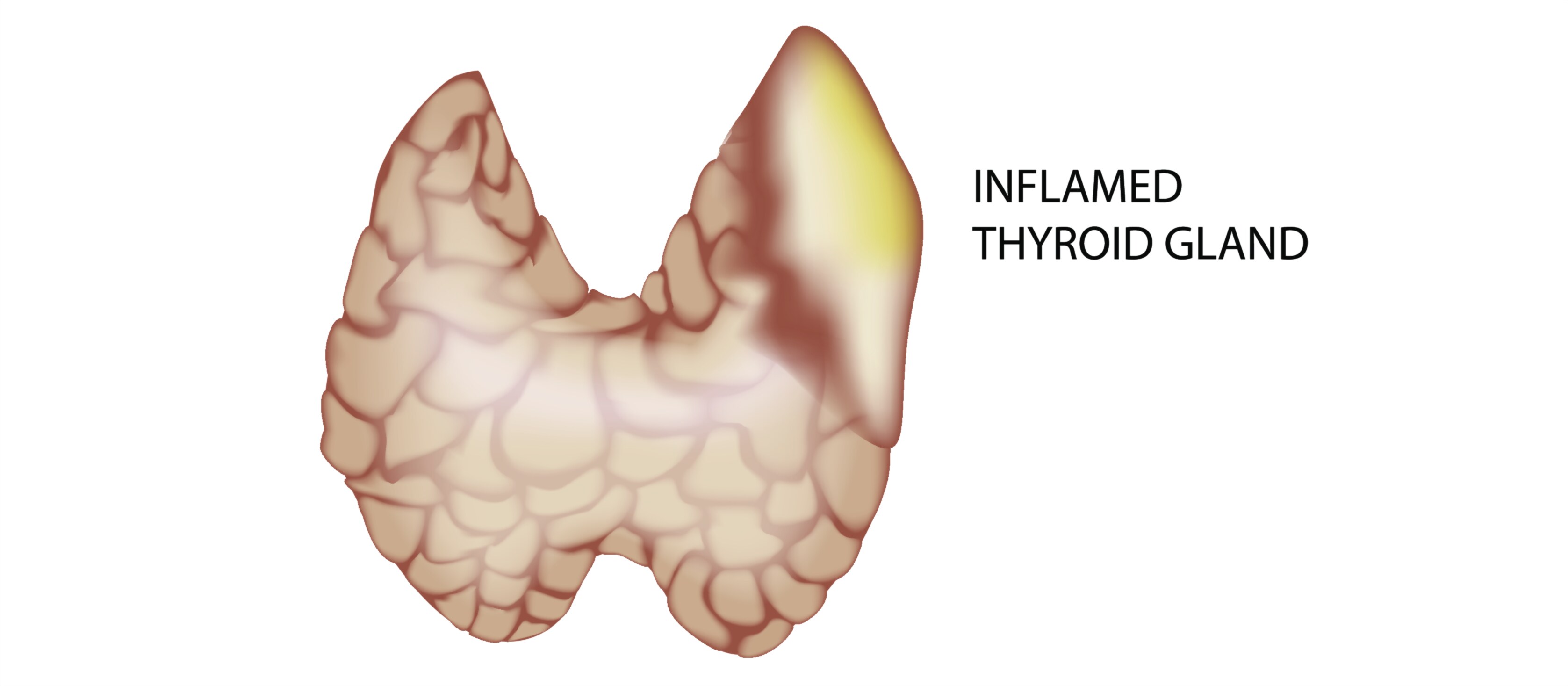
An inflamed thyroid is a condition medically referred to as thyroiditis, and it represents a state in which the thyroid gland becomes swollen, irritated, or damaged because of immune reactions, infection, hormonal imbalance, or physiological stress. Although the thyroid is physically small and located quietly at the base of the neck, inflammation in this gland can lead to dramatic changes both in neck anatomy and in how the entire body functions. This is because the thyroid is the primary regulator of metabolism through its production of hormones, and inflammation changes not only the gland’s shape and sensitivity but also the amount and timing of hormonal release. When the thyroid becomes inflamed, the follicles that store hormones may rupture or become dysfunctional, releasing excess hormones into the bloodstream or preventing proper hormone production. As a result, thyroid inflammation produces an unusual clinical pattern: at first, it may cause hyperthyroid symptoms because damaged cells release stored hormones rapidly, and later it may lead to hypothyroidism when the gland becomes depleted or permanently weakened. This dual-phase progression demonstrates how a structural problem in the thyroid has biochemical consequences that ripple across every system of the body.
What Thyroid Inflammation Does to Anatomy and How It Manifests in the Neck
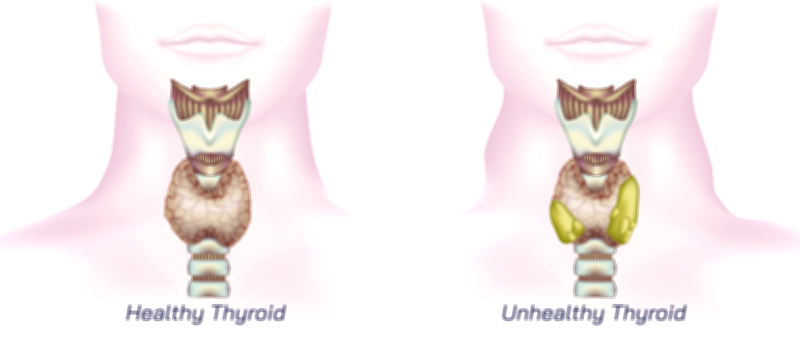
The most direct indication of an inflamed thyroid is the physical change that occurs within the gland’s structure. The thyroid, normally smooth and soft, becomes tender, swollen, or enlarged during inflammation. Individuals may notice discomfort when swallowing, a feeling of fullness in the neck, sensitivity to touch, or a visible thickening over the trachea. In severe inflammation, pain may radiate to the jaw, ear, or upper chest, particularly in a type of inflammation known as subacute thyroiditis. The swelling can interfere with nearby anatomical structures, making breathing slightly difficult or causing hoarseness due to irritation of the recurrent laryngeal nerves that control the vocal cords. Although not every type of thyroiditis causes pain—some are silent and painless—the underlying inflammatory process disrupts the harmonious structure of follicles that typically store hormones in an organized pattern. When these follicles swell, rupture, or scar, the gland cannot produce and release hormones in a stable or predictable manner. Thus, the physical experience of pain or swelling is only one part of the condition; the internal damage drives metabolic consequences that affect the function of the entire organism.
Immune System Connections: Autoimmune Thyroiditis and Chronic Inflammation
One of the most common causes of thyroid inflammation is autoimmune disease. In autoimmune thyroiditis—especially Hashimoto’s disease—the immune system misidentifies thyroid tissue as harmful and launches an attack. This chronic inflammation gradually destroys thyroid follicles and reduces the gland’s ability to produce hormones. Although Hashimoto’s is often painless, the progressive inflammation leads to a shrunken, scarred gland over time and eventually to long-term hypothyroidism. Another autoimmune form, postpartum thyroiditis, affects some women after pregnancy when immune regulation temporarily shifts and the thyroid becomes inflamed. In these conditions, antibody testing confirms the immune attack, and imaging may show changes in tissue texture caused by ongoing infiltration of immune cells. Autoimmune inflammation is not episodic but continuous, meaning damage can advance quietly even when symptoms are subtle during early phases. The early inflammation may release stored hormones and trigger a short period of hyperthyroidism, followed by a longer phase of hypothyroidism once tissue destruction limits synthesis. This progression illustrates both the complexity of autoimmune disease and the vulnerability of the thyroid to immune imbalance.
Infectious and Subacute Thyroiditis – When Pain Reveals Active Inflammation
Not all thyroid inflammation is autoimmune; in some cases, infection or viral illness triggers inflammation, especially in subacute (de Quervain) thyroiditis. This condition typically causes pain that begins suddenly and intensifies with swallowing or turning the head. The gland becomes enlarged, warm, and tender, and blood tests show markers of active inflammation. Though infection is the suspected trigger, the thyroid itself is rarely directly infected by bacteria; instead, the immune response to respiratory viruses appears to spill over into thyroid tissue. The painful inflammation causes stored hormones to flood the bloodstream, leading to temporary hyperthyroidism with symptoms such as rapid heartbeat, anxiety, sweating, tremors, and heat sensitivity. As inflammation subsides, hormone stores become depleted, and individuals often enter a period of hypothyroidism, with fatigue, weight gain, cold intolerance, constipation, and slowed thinking. Most people recover fully over months, but some experience permanent damage that requires long-term hormone replacement. This pattern shows how an inflamed thyroid shifts hormone levels in waves rather than maintaining normal steady output.
Symptoms of Thyroid Inflammation Throughout the Body
Because thyroid inflammation disrupts hormone levels rather than just neck comfort, its symptoms often extend far beyond the thyroid’s location. During the hyperthyroid phase of inflammation, individuals may experience weight loss despite normal eating, nervousness, insomnia, sweating, fast heartbeat, palpitations, and hand tremors. Muscles may feel weak because tissue breakdown accelerates under high metabolism. Emotional instability—such as irritability or panic—can result from overstimulation of the nervous system. Once hormone stores drop and hypothyroidism sets in, symptoms shift dramatically. Fatigue becomes intense and persistent, unexplained weight gain occurs despite normal diet, thinking slows, hair becomes dry or falls out, and body temperature drops. Digestion slows, the heart rate becomes sluggish, and mood may shift toward depression. The switch between hyperthyroid and hypothyroid phases can be confusing for patients and physicians unless thyroid inflammation is recognized as the underlying cause. This complex pattern reinforces that thyroid health is deeply intertwined with metabolic homeostasis and that inflammation disrupts a system that otherwise operates with quiet precision.
Diagnosis and Medical Evaluation of an Inflamed Thyroid
Because thyroid inflammation can imitate multiple unrelated illnesses—and because it changes hormone levels over time—diagnosis depends on a combination of laboratory tests and imaging studies. TSH, Free T4, and Free T3 reveal whether the thyroid is releasing hormones in excess or insufficient amounts. Thyroid antibody tests detect autoimmune origins, while markers of acute inflammation such as ESR and CRP support the diagnosis of subacute thyroiditis. Ultrasound can identify whether the gland is inflamed, irregular, or damaged, showing changes in tissue density and blood flow. Nuclear uptake scans are sometimes used to differentiate thyroiditis from other causes of hyperthyroidism; inflamed thyroids release stored hormone but do not increase hormone production, so uptake is low on scans. These evaluations allow clinicians to distinguish inflammation from nodular growth, iodine imbalance, pituitary disorders, or medication effects.
Recovery, Treatment, and Long-Term Effects of Thyroid Inflammation
Treatment for thyroid inflammation depends on the cause and the stage of disease. Anti-inflammatory medication is often important in painful thyroiditis to reduce swelling and improve comfort. In autoimmune inflammation, long-term treatment focuses on restoring proper hormone levels rather than stopping immune activity, because antibody damage cannot be reversed. Temporary hyperthyroidism may not require anti-thyroid drugs; treatment often focuses on symptom relief until the excess hormone is cleared. When hypothyroidism becomes persistent, thyroid hormone replacement restores metabolic balance. Most cases of viral or subacute thyroiditis resolve fully over time, while autoimmune thyroiditis often becomes chronic. The long-term outcome depends on how much tissue damage remains after inflammation subsides.
Inflamed thyroid conditions emphasize a powerful lesson in endocrine medicine: the thyroid’s structure and hormone secretion are inseparable. When inflammation disrupts its microscopic architecture, metabolism becomes unstable, emotional and physical energy fluctuates, and daily life begins to reflect internal hormonal imbalance. Recognizing the signs of thyroid inflammation early—whether through neck pain, fatigue, anxiety, irregular heartbeat, weight change, or heat or cold intolerance—allows medical intervention before long-lasting damage occurs. Understanding this condition deepens appreciation for how delicate and vital thyroid function is and how immune, infectious, and hormonal factors can transform one small gland into a central determinant of total body health.