Thyroid Tests – Understanding Medical Evaluation of Thyroid Function, Hormone Measurement, Diagnostic Interpretation, and Their Role in Identifying Thyroid Disorders
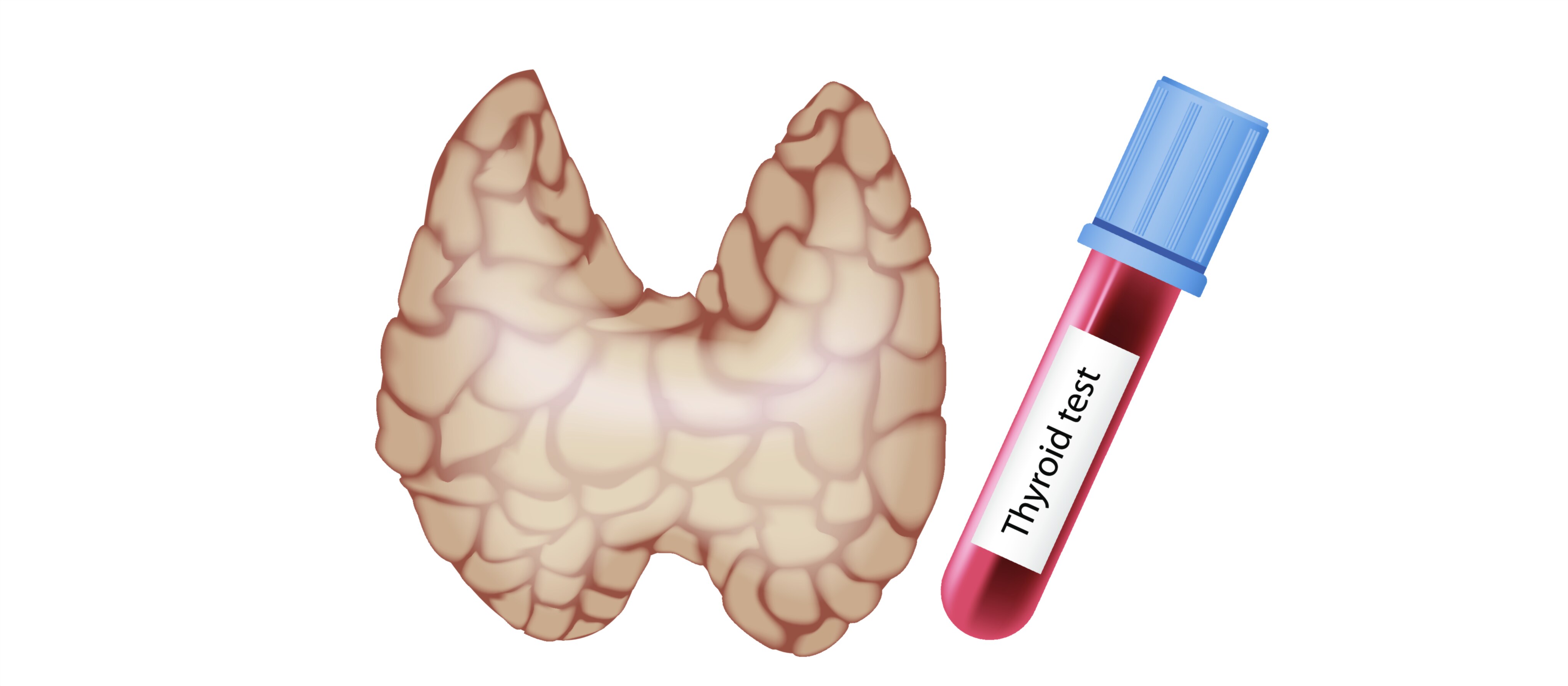
Thyroid tests form the foundation of medical evaluation for detecting how well the thyroid gland is working and whether it is producing hormones in correct balance for the body’s metabolic needs. Although the thyroid itself is located in the neck, its influence spreads through every organ system because its hormones regulate energy production, temperature control, heart rhythm, digestion, brain activity, growth, and reproductive function. Because symptoms of thyroid imbalance can mimic many other conditions, laboratory tests give clinicians an objective way to measure what is happening inside the endocrine system and determine whether the thyroid is healthy, underactive, or overactive. These tests are not simply routine blood markers; they represent highly sensitive measurements of hormonal signaling between the thyroid, pituitary gland, and hypothalamus. When interpreted together, thyroid tests provide a physiological map that reveals how the thyroid is functioning at the molecular and hormonal level, long before structural changes become visible or symptoms reach advanced stages.
TSH – The Central Indicator of Thyroid Function Through Pituitary Regulation
The most fundamental and widely used thyroid test is the Thyroid-Stimulating Hormone (TSH) measurement. Rather than evaluating the thyroid directly, TSH indicates how the pituitary gland perceives thyroid hormone levels in the bloodstream. If TSH is high, it means the pituitary is attempting to push the thyroid to produce more hormones, signalling an underactive thyroid (hypothyroidism). If TSH is low, the pituitary is reducing its stimulation because the body already has too much thyroid hormone, signalling an overactive thyroid (hyperthyroidism). Because even slight changes in hormone levels trigger large changes in TSH, this test provides an early warning of endocrine imbalance long before symptoms become severe. TSH is central to diagnosis because it reflects whether the bloodstream maintains proper feedback control between the brain and thyroid gland. When TSH deviates from its normal range, additional tests are essential for identifying the underlying cause and direction of hormonal imbalance.
Free T4 and Free T3 – Measuring Circulating Thyroid Hormones Responsible for Metabolism
4. Evaluating both hormones alongside TSH creates a clear picture of how the thyroid is responding—or failing to respond—to regulatory stimulation.
Thyroid Antibody Tests and Autoimmune Disease Evaluation
Many thyroid disorders are caused not by diet or injury but by autoimmune activity in which the body’s immune system attacks the thyroid. Antibody testing helps detect these conditions. In Hashimoto’s thyroiditis, the immune system gradually destroys thyroid tissue, often leading to hypothyroidism over time. The presence of anti-TPO (thyroid peroxidase) antibodies and anti-TG (thyroglobulin) antibodies confirms autoimmune inflammation even before hormone levels fall significantly. In Graves’ disease, the immune system produces antibodies that overstimulate thyroid receptors, driving excessive hormone production. The presence of TSH receptor antibodies helps confirm Graves’ disease and explains why TSH becomes suppressed even when T3 and T4 are high. Antibody tests offer more than diagnosis—they reveal disease mechanism, progression risk, and long-term prognosis. Identifying autoimmune involvement early helps clinicians evaluate whether thyroid dysfunction is temporary, progressive, or likely to require lifelong management.
Thyroglobulin, Calcitonin, and Additional Tests for Structural or Severe Disease
In some cases, additional laboratory markers are used to monitor conditions affecting thyroid structure more than hormone balance. Thyroglobulin levels are useful when evaluating thyroid cancer treatment or recurrence because the protein drops to very low levels after the thyroid is surgically removed or ablated and rises again if cancer cells remain. Calcitonin testing is particularly important in diagnosing and monitoring medullary thyroid carcinoma because parafollicular C cells produce this hormone. When enlarged thyroid glands or nodules are detected, thyroid function tests may be paired with ultrasound imaging or nuclear uptake scans to determine whether nodules produce excess hormone or restrict gland function. These advanced tests show that thyroid diagnosis often requires integrating biochemical data with imaging to understand both the structural and functional health of the gland.
Why Thyroid Testing Matters for Early Detection and Systemic Health
Thyroid disorders frequently develop slowly and silently, with symptoms that may be confused with stress, aging, depression, or lifestyle changes. Individuals may gain or lose weight unexpectedly, feel tired despite adequate sleep, develop mood swings, experience changes in heart rate, or notice irregularities in menstrual cycles without realizing that a hormone imbalance is responsible. Thyroid testing plays a vital role by detecting dysfunction before symptoms become debilitating or irreversible. It helps prevent complications such as infertility, cardiovascular strain, osteoporosis, cognitive impairment, and metabolic disorders. Even mild deviations from normal thyroid hormone levels can influence the brain, heart, bones, and reproductive system; therefore, accurate laboratory interpretation supports long-term wellness and disease prevention.
Ultimately, thyroid tests demonstrate how clinical medicine relies on measurable biochemical signals to evaluate the health of organs that cannot be observed directly. These tests allow physicians to translate complex endocrine physiology into clear diagnostic information that guides treatment, whether through medication, iodine therapy, immunomodulation, or surgical intervention. They highlight the profound connection between laboratory science and whole-body well-being, showing that a small gland in the neck can influence every aspect of physical and emotional life. By understanding thyroid tests and their meaning, learners gain deeper insight into the importance of endocrine balance, the power of early diagnosis, and the scientific tools that protect metabolic health throughout the human lifespan.