How Insulin Works – Human Biology and Medical Education Summary on Hormonal Regulation, Glucose Transport, Energy Storage, Metabolic Balance, and the Prevention of Diabetes-Related Complications
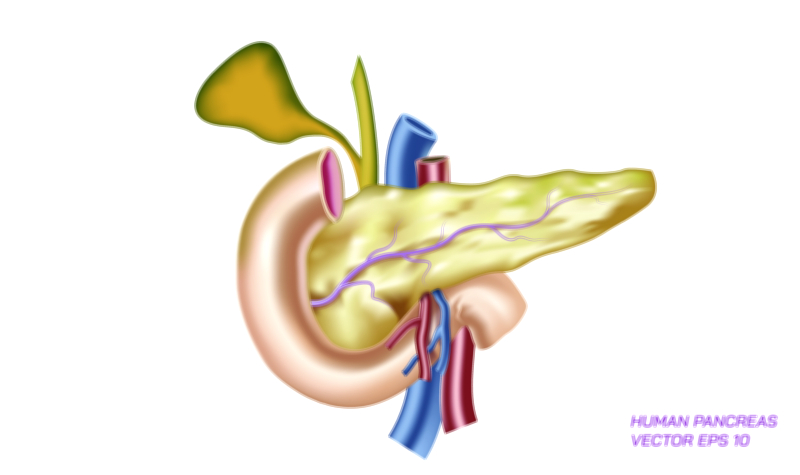
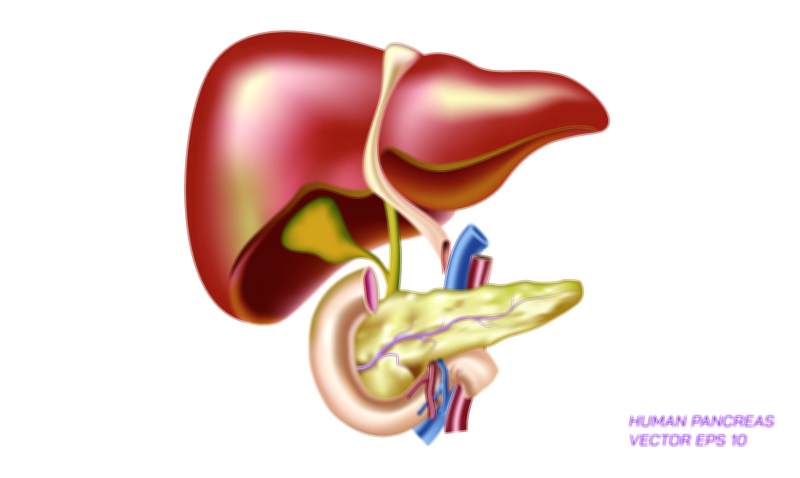
Insulin is one of the most important hormones in the human body because it acts as the key regulator of energy balance, nutrient storage, and blood glucose control. Without insulin, the body would not be able to move glucose—the primary source of fuel for cells—out of the bloodstream and into tissues that depend on it for survival. Every meal that contains carbohydrates eventually produces glucose as the body digests and breaks food into smaller molecules ready for assimilation. As glucose enters the bloodstream, its concentration rises, and the body must respond in an organized manner to prevent blood sugar from reaching dangerously high levels. The pancreas, specifically the beta cells of the islets of Langerhans, detects this rise in blood sugar and responds by releasing insulin. This release is not random but highly precise, corresponding to the amount of glucose present. Insulin travels through the bloodstream to reach almost every cell in the body, ensuring that energy is distributed where it is needed rather than remaining in the blood. Without this orchestrated biochemical action, glucose would accumulate, starving the cells of fuel while oversaturating the blood with sugar—a situation that forms the basis of diabetes mellitus.
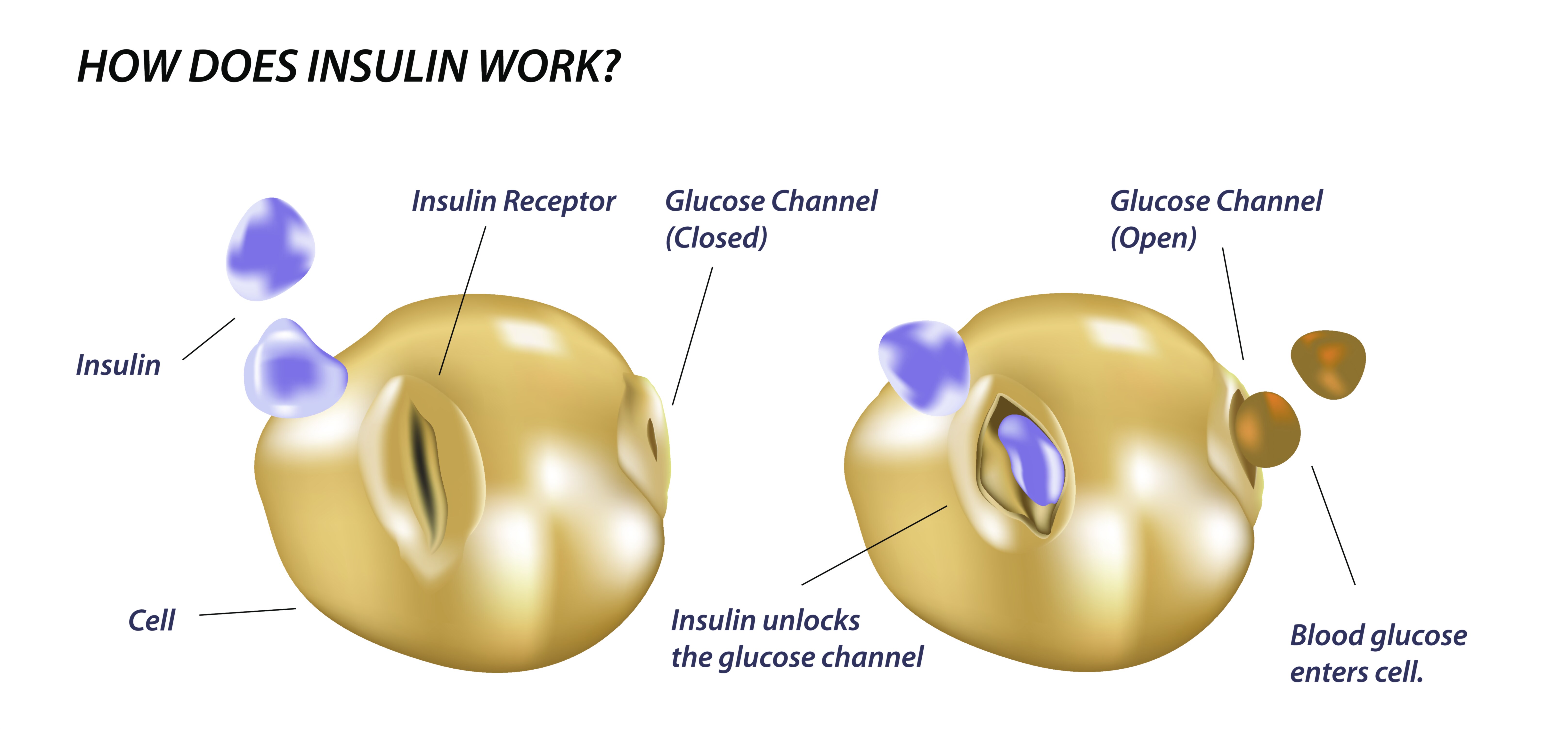
When insulin reaches target tissues, it functions like a molecular signal that instructs cells to absorb glucose. Many cells have insulin receptors embedded in their membranes, and these receptors are the gateway by which insulin exerts its effects. When insulin binds to a receptor, it triggers a chain of molecular events inside the cell, activating proteins and enzymes that alter cell behavior. One of the most critical outcomes of this signaling pathway is the movement of glucose transport proteins, particularly GLUT-4 transporters, from inside the cell to the cell surface. Without insulin, GLUT-4 transporters remain inactive and hidden within the cell, preventing glucose from entering. When insulin activates these transporters, they relocate to the cell membrane, forming channels that allow glucose to flow from the bloodstream into the cell’s interior. This mechanism elegantly demonstrates how insulin does not push glucose inside directly—it opens the cellular door so glucose can enter naturally. This door-opening function explains why insulin is essential not only after meals but also throughout the day to maintain a steady supply of energy.
The cells that respond most strongly to insulin are muscle cells, fat cells, and liver cells, each contributing differently to glucose regulation. Muscle cells require large amounts of glucose to produce energy for movement, and because they make up much of the body’s mass, they are major consumers of circulating glucose. Fat cells store glucose by converting excess sugar into triglycerides for long-term energy reserves. Liver cells play a dual regulatory role: they store glucose in the form of glycogen and release it back into the bloodstream only when insulin levels fall, such as between meals or during fasting. When insulin levels are high after eating, the liver switches into storage mode and stops releasing glucose; when insulin levels are low during fasting, the liver releases glucose to prevent blood sugar from dropping too low. Insulin therefore coordinates a balance between energy intake and storage, ensuring that tissues have enough fuel in the present while maintaining reserves for the future. Without insulin, this balance collapses and the body experiences metabolic chaos, demonstrating why insulin is essential for survival.
Insulin’s influence extends beyond glucose transport to regulating how the body handles proteins and fats. Insulin encourages cells to absorb amino acids for protein synthesis, supporting muscle growth, tissue repair, and enzyme production. At the same time, insulin suppresses the breakdown of proteins into amino acids that would otherwise be released and used as emergency fuel. In fat metabolism, insulin promotes the storage of fatty acids and prevents the breakdown of fat reserves, signaling to the body that enough nutrients are available and that stored energy does not need to be mobilized. When insulin is absent or insufficient, the metabolism flips into starvation mode even if food is plentiful. Fat begins to break down uncontrollably for energy, causing fatty acids to flood the blood. In extreme situations, this process produces acidic ketone bodies, which can accumulate to dangerous levels and create diabetic ketoacidosis, a potentially fatal condition. These metabolic links show that insulin is not merely a sugar-handling hormone but a central coordinator of the body’s entire fuel economy.
The most common condition associated with insulin malfunction is diabetes, which develops in different ways depending on how insulin production and action break down. In type 1 diabetes, the immune system mistakenly destroys the pancreatic beta cells that make insulin, leaving the body unable to produce the hormone. As a result, glucose remains trapped in the bloodstream and cells starve despite high glucose availability. Insulin injections become necessary because without external insulin, the body cannot regulate blood sugar or sustain life. In type 2 diabetes, the pancreas can often produce insulin normally in the early stages, but the cells fail to respond effectively, a condition known as insulin resistance. The insulin receptor signaling pathway becomes impaired, and glucose entry into cells decreases even though insulin is present. The pancreas attempts to compensate by producing more insulin, but over time this demand exhausts the beta cells and insulin levels fall. Both forms of diabetes demonstrate how even small disruptions in the insulin system create far-reaching metabolic consequences. Hyperglycemia—high blood sugar—damages blood vessels and nerves throughout the body, leading to severe complications if not addressed.
These long-term complications illustrate why maintaining proper insulin function is vital for health. Over time, high blood glucose damages delicate vascular linings, reducing blood flow to critical organs. In the eyes, this damage leads to diabetic retinopathy, which can result in partial or complete vision loss. In the kidneys, continuous exposure to excess glucose injures filtration structures, leading to diabetic nephropathy and eventual kidney failure. In the nerves, high glucose disrupts signaling, causing diabetic neuropathy with symptoms including pain, numbness, and loss of sensation—especially in the feet. Reduced blood flow and nerve function combine to increase the risk of infections and slow wound healing, making even minor injuries potentially serious. In the cardiovascular system, hyperglycemia accelerates the development of coronary artery disease, heart attack, and stroke. These complications are not separate diseases but consequences of one root problem: the failure of insulin to regulate glucose effectively. The fact that insulin disturbance can affect so many organ systems demonstrates its central role in maintaining internal balance.
Medical management of insulin-related disorders focuses on restoring normal glucose regulation. In type 1 diabetes, this requires insulin replacement through injections or insulin pumps to mimic natural pancreatic activity. In type 2 diabetes, early treatment often involves lifestyle changes such as improved diet, exercise that increases sensitivity to insulin, and weight management. Physical activity naturally enhances glucose uptake by muscle cells, even in the presence of insulin resistance, which is why exercise is one of the most effective non-pharmacological strategies for improving insulin function. Oral medications may be used to increase insulin sensitivity, stimulate insulin release, or reduce glucose absorption. If beta cell function continues to decline, insulin supplementation may become necessary. For both types of diabetes, consistent monitoring of blood glucose allows patients and clinicians to adjust treatment and prevent complications. Advancements such as continuous glucose monitors and artificial pancreas systems show ongoing progress toward replicating biologically precise insulin control.
Understanding how insulin works also helps individuals appreciate preventive measures that support long-term metabolic health. Balanced nutrition, regular physical activity, stress management, and adequate sleep all improve the body’s response to insulin. Diets with excessive refined sugars and low fiber demand high insulin release, which, over time, contributes to insulin resistance. Meanwhile, chronic stress leads to elevated cortisol levels that work against insulin by raising blood glucose. Lack of sleep also interferes with insulin sensitivity and appetite regulation. These interactions show that insulin success depends not only on the pancreas but also on daily habits and overall lifestyle. They illustrate how metabolic health is not a series of isolated events but a coordinated system that requires cooperation between hormones, diet, and activity patterns.
Ultimately, insulin is not simply a molecule involved in blood sugar; it is a key that unlocks energy availability for every cell in the body. Its action transforms nutrients from food into fuel for muscles, brain, organs, and metabolic processes that sustain life. The body depends on insulin to maintain a delicate equilibrium between using energy immediately and storing it for later, preventing both sugar deficiency and sugar overload. When insulin functions properly, the body operates in a rhythm where energy flows smoothly and consistently. When insulin function is impaired, this harmony collapses into metabolic imbalance, cellular starvation in the presence of plenty, and long-term damage across multiple organ systems. Understanding insulin therefore gives learners not only insight into endocrine biology but also awareness of the importance of metabolic health, the seriousness of diabetes, and the central role of hormones in coordinating complex biological processes.