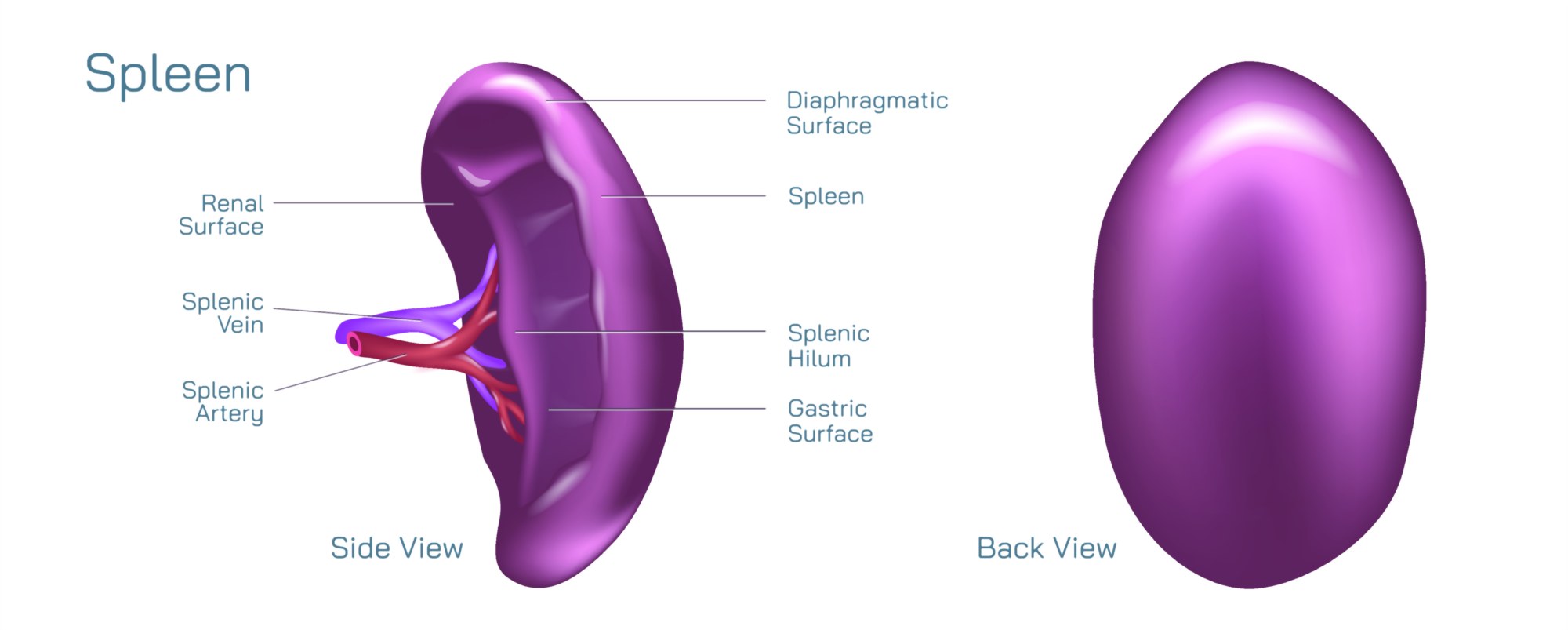
Spleen in Human Body — Anatomy and Functional Overview
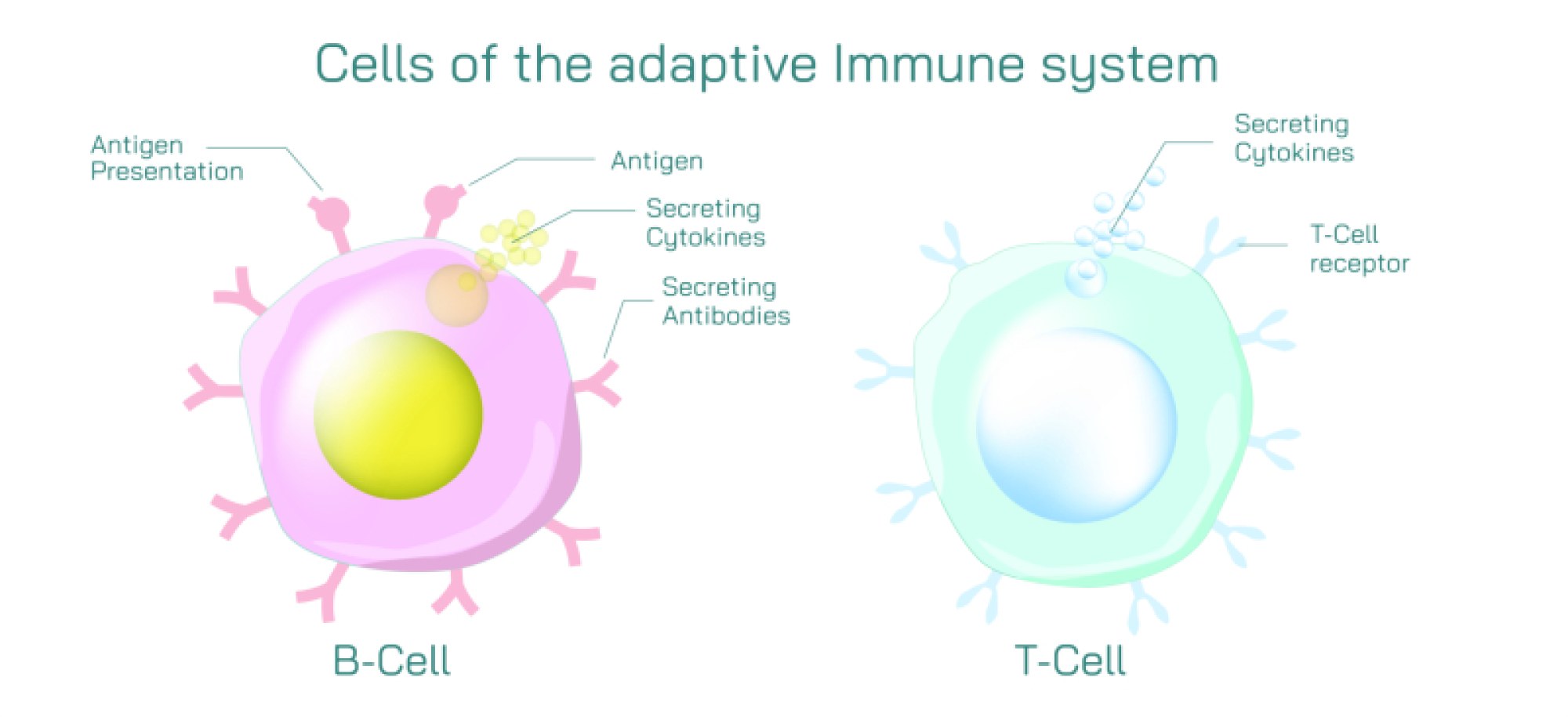
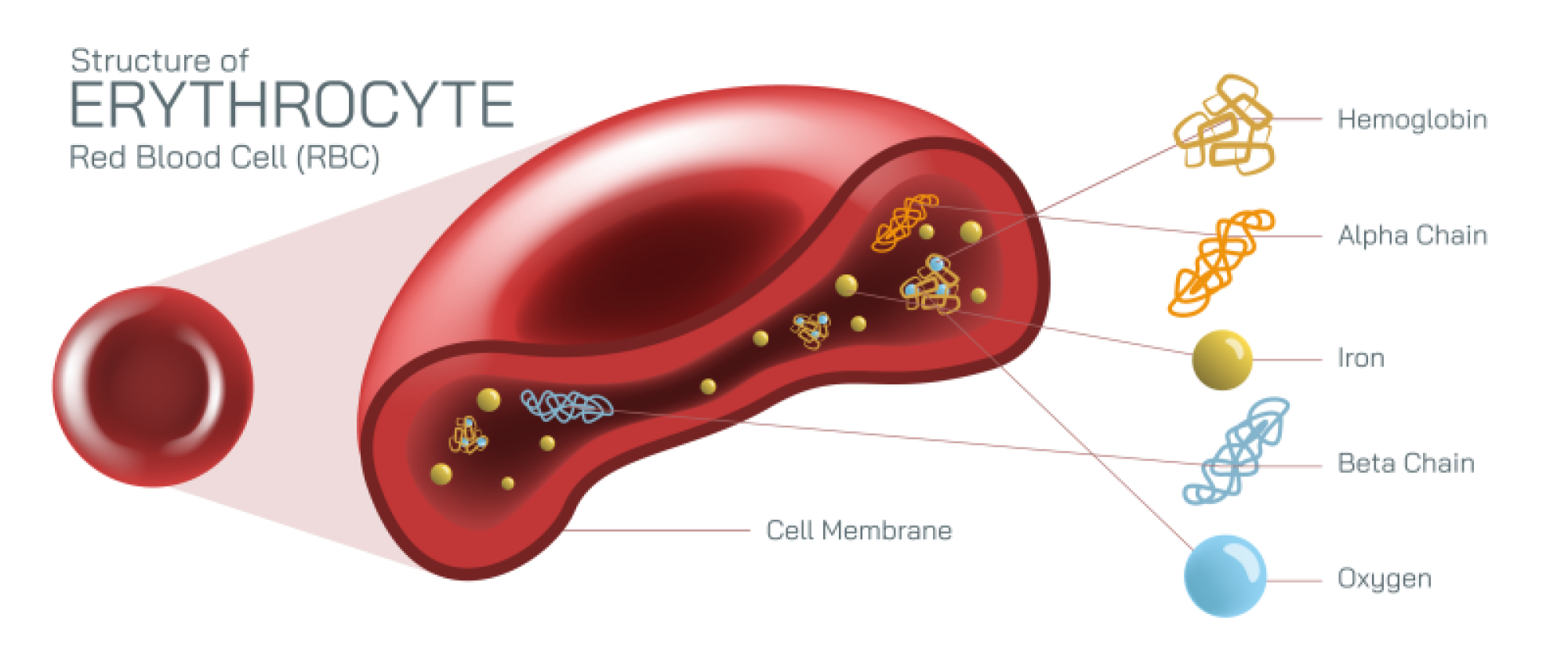
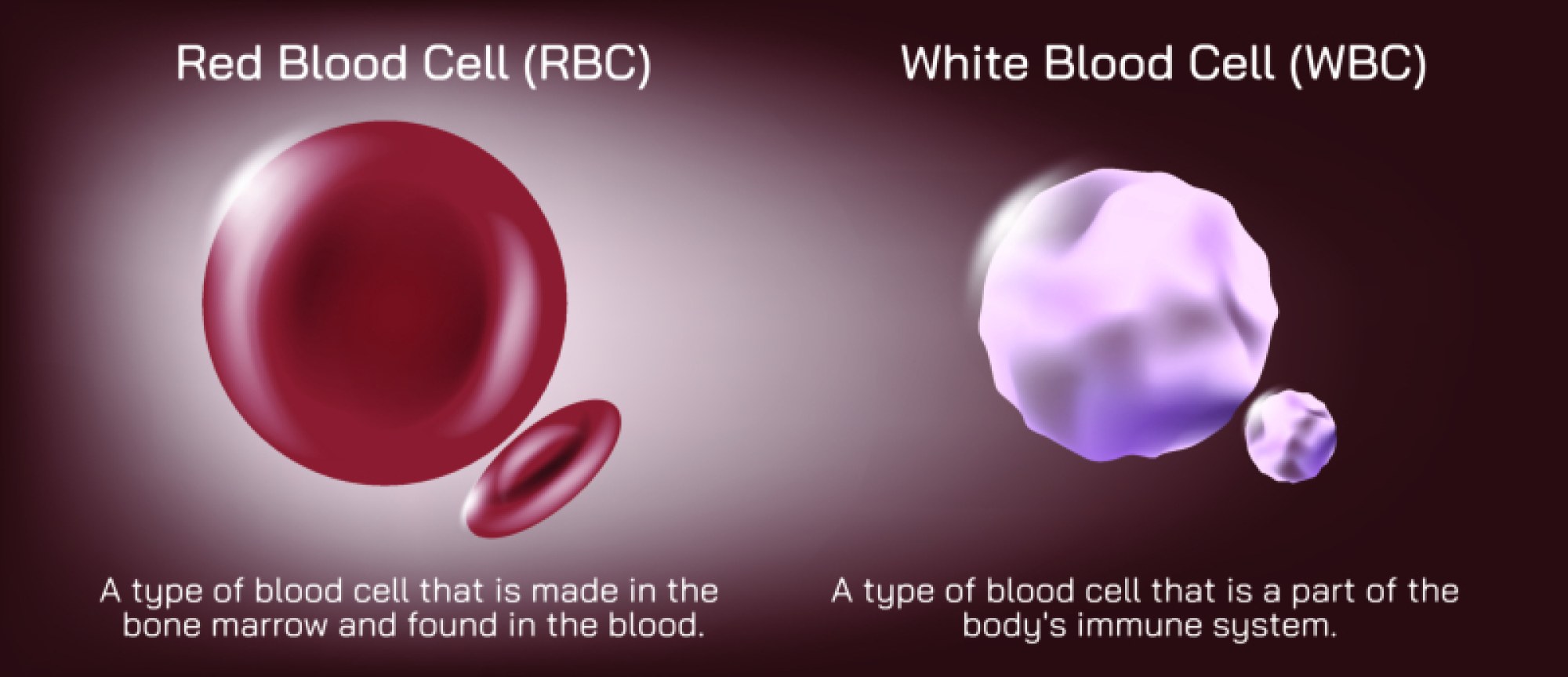
The spleen is a vital organ located in the upper left quadrant of the abdomen, just beneath the diaphragm and behind the stomach. Though often overlooked in discussions of essential organs, the spleen plays a critical role in both the circulatory and immune systems. Structurally, it is a soft, spongy organ composed of two main tissues: the red pulp and the white pulp. The red pulp functions primarily in filtering blood, removing aged or damaged red blood cells, and recycling iron, while the white pulp is involved in producing and storing lymphocytes, essential for adaptive immune responses.
Blood enters the spleen through the splenic artery and exits via the splenic vein, allowing it to act as both a filter and reservoir. The spleen stores a significant quantity of blood, platelets, and immune cells, releasing them into circulation as needed during injury or infection. Its immune functions include detecting and responding to pathogens, producing antibodies, and supporting the activity of macrophages that engulf and destroy foreign particles. Additionally, the spleen assists in the removal of blood-borne bacteria, parasites, and cellular debris, contributing to overall systemic health.
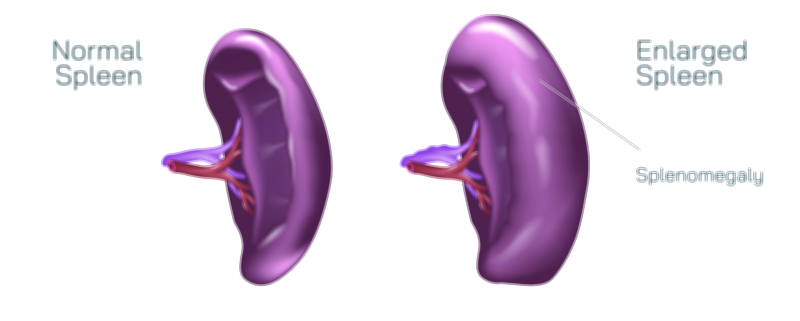
Clinically, the spleen can be affected by conditions such as splenomegaly (enlarged spleen), rupture due to trauma, infections like mononucleosis, or hematologic diseases. In some cases, surgical removal of the spleen, known as splenectomy, may be required, though this can increase susceptibility to certain infections. Understanding the spleen’s location, structure, and functions is critical for medical education, anatomy studies, and patient care.
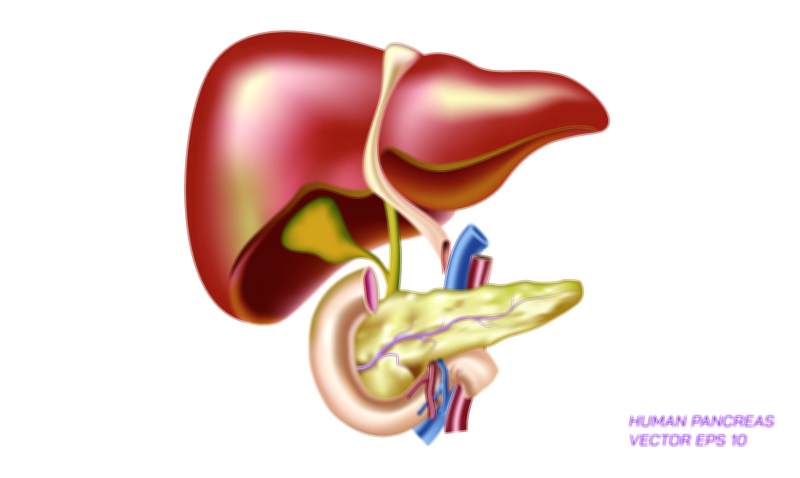
Educational illustrations of the spleen typically highlight its anatomical position relative to surrounding organs, the division of red and white pulp, vascular connections, and functional processes such as blood filtration and immune cell production. These visual tools are indispensable for students, educators, and healthcare professionals, providing a clear and comprehensive understanding of this essential lymphoid organ.