Antigen vs Antibody Showing Immune Response, Binding Mechanism, and Defense Function in the Human Body
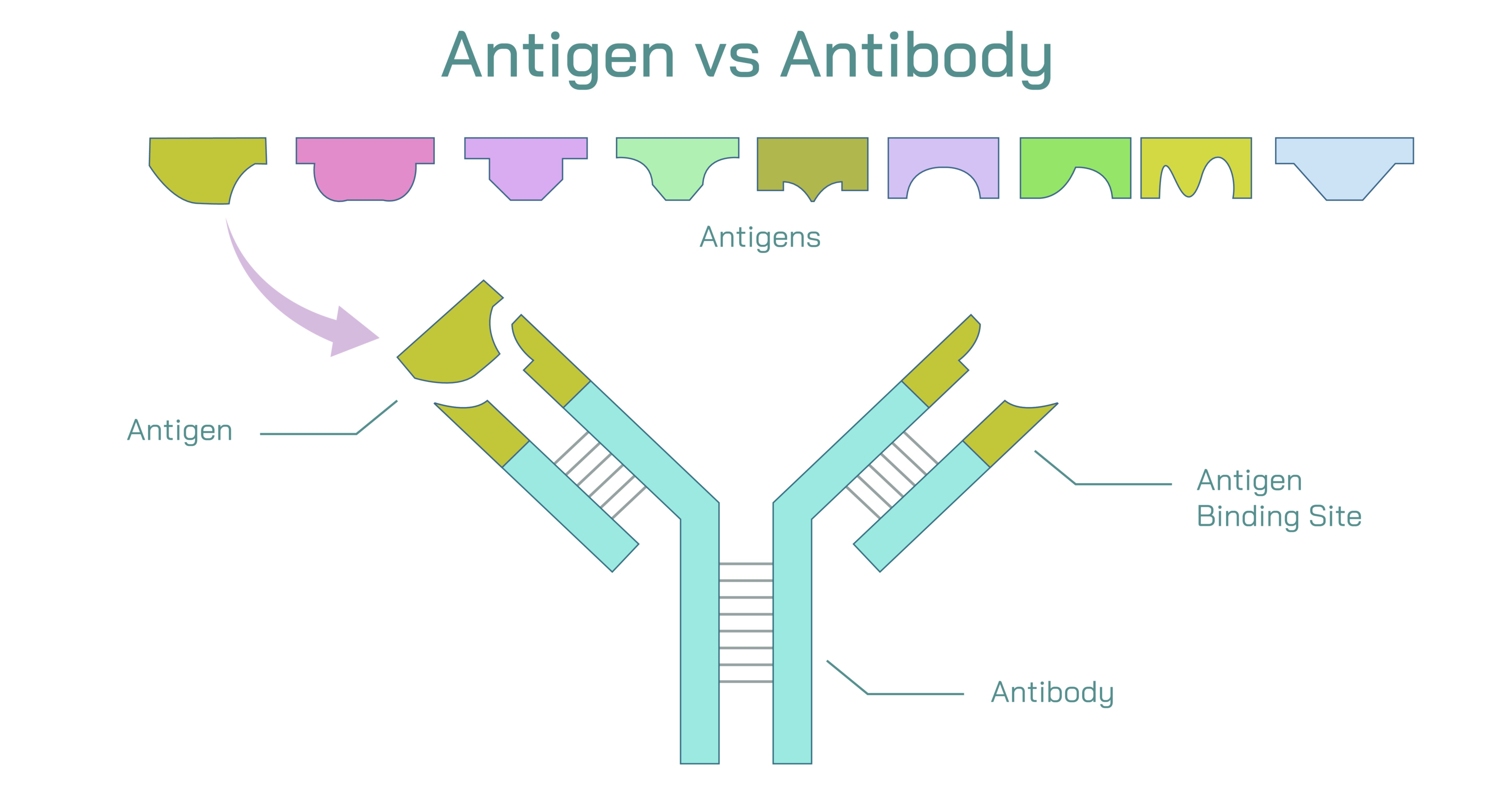
The relationship between antigens and antibodies is the centerpiece of the immune system’s ability to identify and neutralize harmful invaders. A vector illustration comparing antigens and antibodies usually depicts them interacting at the microscopic level — antibodies, represented by Y-shaped molecules, recognize and attach to antigens, which are molecular markers found on the surface of pathogens such as viruses, bacteria, or toxins. This visual contrast between the foreign signal (antigen) and the immune defender (antibody) reveals how the body detects danger and launches protective action without harming its own cells.
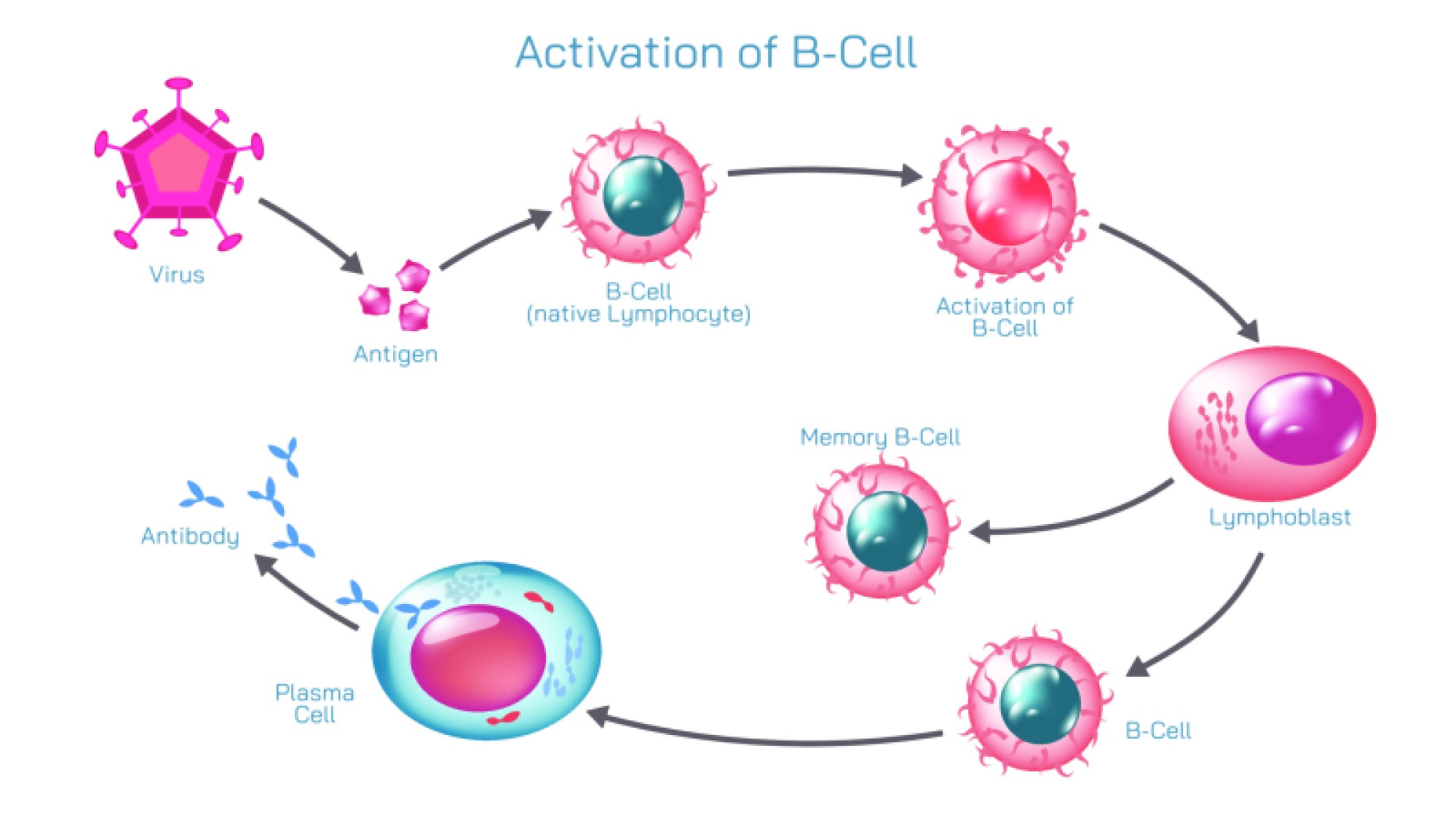
Antigens are molecules that trigger an immune response because the body recognizes them as unfamiliar or potentially dangerous. In illustrations, antigens typically appear as small protruding shapes on the surface of pathogens — unique patterns that serve as biological “fingerprints.” These antigens do not attack or fight; rather, they activate the immune system by alerting white blood cells that a foreign structure has entered the body. Each antigen has a specific three-dimensional structure, and this exact shape determines which antibody will be able to bind to it. The immune system uses these antigen patterns to distinguish “self” from “non-self,” ensuring that normal body cells are tolerated while invading microbes are targeted.
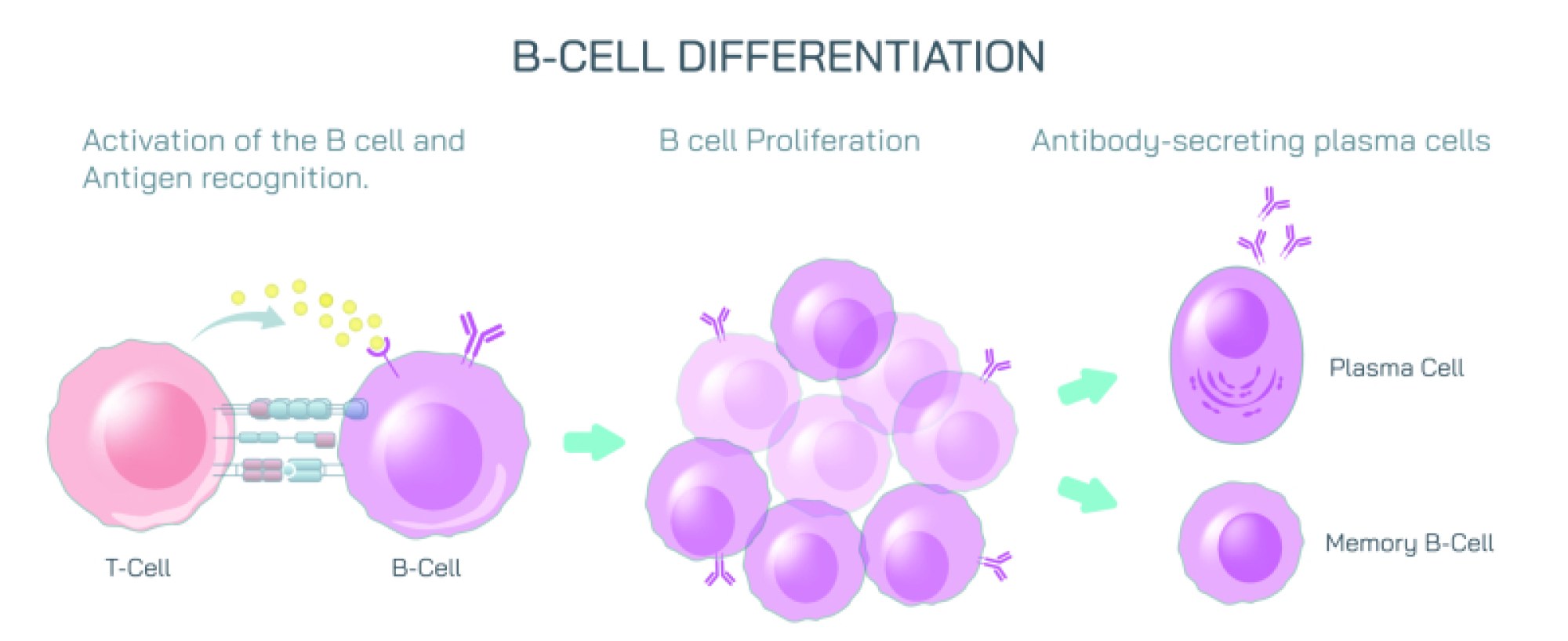
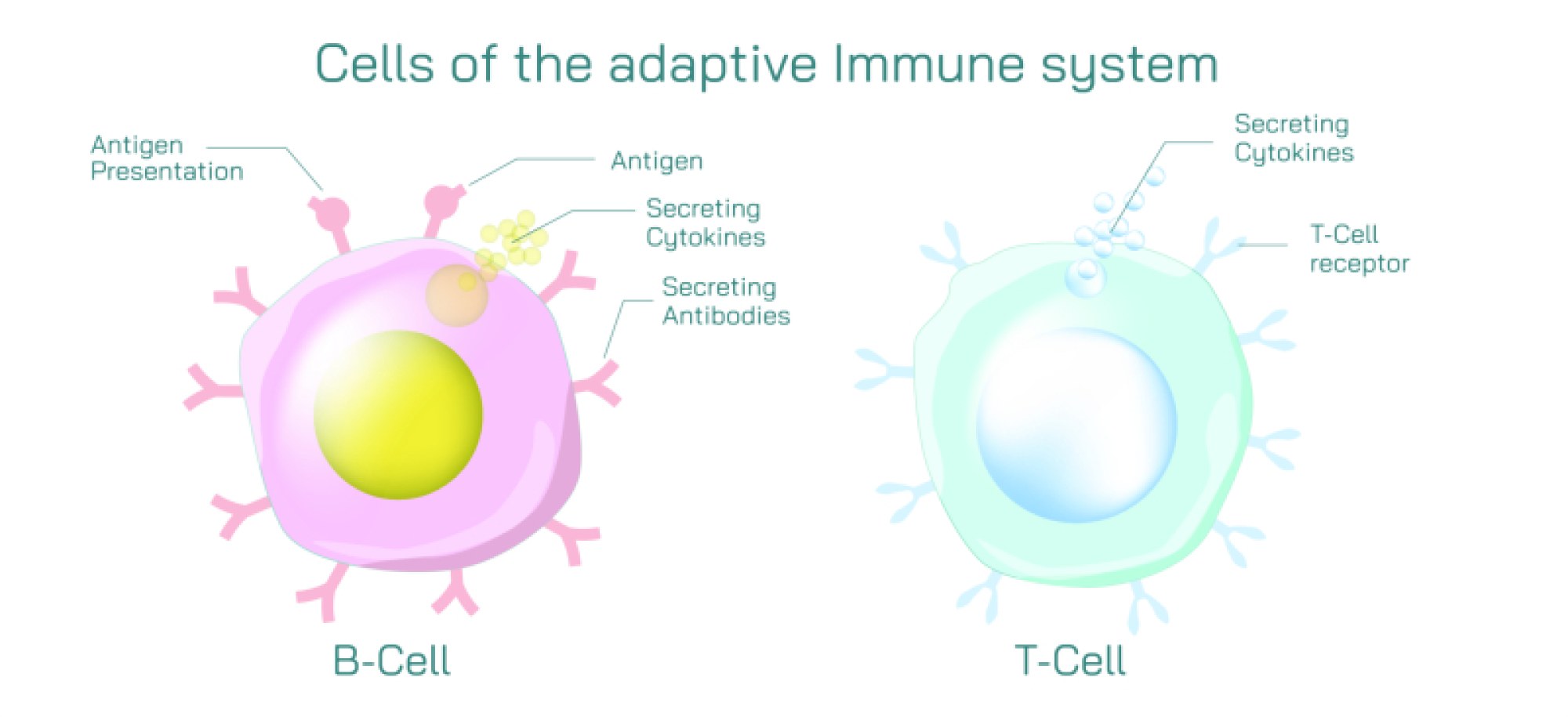
Antibodies, also called immunoglobulins, are specialized proteins produced by B cells in response to antigens. In a vector illustration, antibodies are portrayed with a Y-shape that allows them to attach to antigens with exceptional precision. The very tips of the antibody’s arms — called antigen-binding sites — vary widely among antibody types and are the key to binding specificity. Only when an antigen matches the binding site like a lock fitting its key does attachment occur. This binding is the turning point in the immune response, transforming recognition into action. Once an antibody attaches to an antigen, the pathogen becomes visibly “flagged” for immune attack.
The immune system uses this binding event in several ways to neutralize threats:
In neutralization, antibodies attach to viruses or toxins and block the portions that would otherwise allow them to enter or damage cells.
During agglutination, antibodies link multiple pathogens together, forming clusters that are easier for immune cells to ingest.
In opsonization, antibodies mark pathogens so that phagocytes (such as macrophages and neutrophils) can quickly locate and engulf them.
Antigen–antibody binding can also activate the complement system, a chain of proteins that creates pores in bacterial membranes, leading to destruction.
Through these mechanisms, antibodies convert passive recognition into an active defensive assault — not by killing pathogens directly, but by guiding the immune system to do so quickly and efficiently.
The illustration of antigen vs antibody not only contrasts their structures but also their roles in immunity. Antigens initiate the immune response because their presence signals danger. Antibodies execute the immune response by binding to antigens and enabling elimination. The antigen is the trigger, while the antibody is the response. Without antigens, the immune system would not activate; without antibodies, the immune system would not neutralize threats precisely.
Another powerful dimension of this relationship is immune memory. After initial antigen exposure and antibody production, memory B cells form. These specialized cells remain in the body long-term and produce antibodies immediately if the same antigen returns. This process explains why immunity can last for years after infection or vaccination — the immune system is able to bypass the slower, first-time response by deploying stored antibodies or rapidly generating new ones from memory cells.
In medicine and biotechnology, the antigen–antibody mechanism is so reliable and specific that it forms the basis of numerous diagnostic and therapeutic tools. Laboratory tests detect diseases by identifying antigens (from pathogens) or antibodies (produced by the immune system). Treatments such as monoclonal antibody therapy use engineered antibodies designed to target specific antigens associated with cancers, viral infections, and autoimmune disorders. These technologies show how the body’s natural defense blueprint can be used to intervene in disease.
A complete vector illustration of antigen vs antibody typically includes:
• A pathogen with antigen markers on its surface
• A Y-shaped antibody binding to these antigen markers
• An inset or enlarged detail showing the structural fit between antigen and binding site
• Labels highlighting immune response, recognition, and neutralization
• Optional arrows showing downstream actions such as phagocytosis or complement attack
Without a single formula or biochemical equation, the illustration communicates a powerful biological truth: immune defense depends on the ability of antibodies to recognize and attach perfectly to antigens. The antigen identifies the intruder; the antibody binds and mobilizes the body’s protective forces.
Together, these interacting molecules form one of the most precise and intelligent defensive systems in nature — a microscopic partnership of recognition and response that protects the human body from countless threats throughout a lifetime.