Immune System Cells — Types, Functions, and Human Defense
The human immune system is a complex network of cells, tissues, and organs that work together to defend the body against pathogens, infections, and foreign substances. Immune system cells are the key players in detecting, responding to, and eliminating harmful agents. These cells are broadly classified into innate and adaptive immunity cells, each with specialized functions to maintain health and protect the body. Understanding immune system cells is essential in biology, medicine, immunology, and disease prevention.
Innate immune cells provide immediate, non-specific defense against pathogens. Macrophages are large phagocytic cells that engulf and digest microbes, dead cells, and debris. Neutrophils are the most abundant white blood cells and act as rapid responders to bacterial infections through phagocytosis and the release of antimicrobial chemicals. Eosinophils and basophils are involved in combating parasitic infections and allergic reactions. Natural killer (NK) cells recognize and destroy infected or cancerous cells without prior sensitization, forming a critical part of innate immunity. Dendritic cells act as antigen-presenting cells, linking innate and adaptive immunity by alerting T cells to the presence of pathogens.
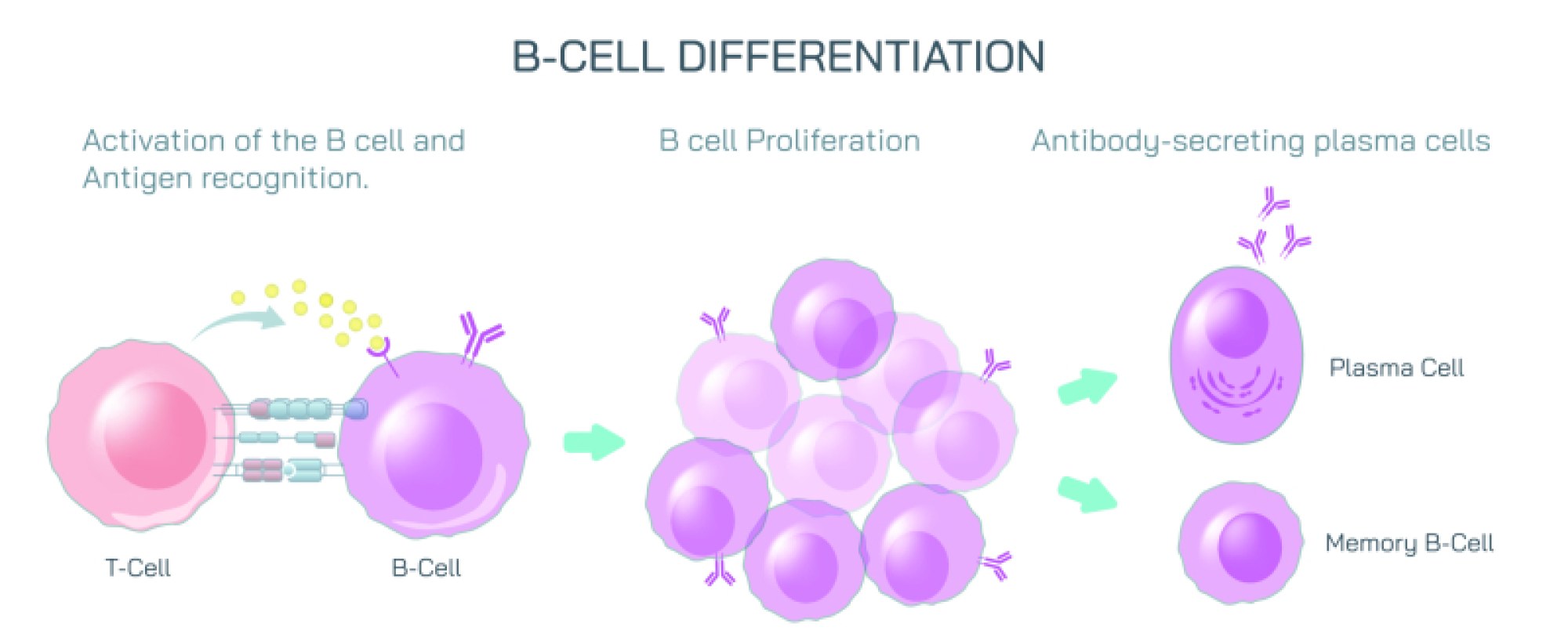
Adaptive immune cells provide specific, long-lasting defense. Lymphocytes are the major adaptive immune cells, including B cells and T cells. B cells are responsible for humoral immunity by producing antibodies that neutralize pathogens and mark them for destruction. T cells are involved in cellular immunity, with helper T cells coordinating immune responses and cytotoxic T cells killing infected or abnormal cells. Memory B and T cells enable the body to respond more rapidly and effectively to previously encountered pathogens, forming the basis for immunological memory and vaccination.
Immune system cells work in coordination to maintain homeostasis and protect against disease. They communicate through chemical signals such as cytokines and chemokines, migrate to infection sites, and interact with other cells to amplify immune responses. The balance between different immune cells is crucial, as dysfunction can lead to immunodeficiency, autoimmune diseases, or excessive inflammatory responses. Studying these cells provides insights into disease mechanisms, therapeutic interventions, and vaccine development.
In conclusion, immune system cells are the defenders of the human body, with innate and adaptive cells performing complementary roles to fight infections and maintain health. Macrophages, neutrophils, NK cells, dendritic cells, B cells, and T cells each have specialized functions in detecting, attacking, and remembering pathogens. Understanding their types, functions, and interactions is vital for immunology, medical research, and clinical applications, illustrating the sophisticated cellular network that sustains human immunity and protects the body from disease.