The human urinary system is an essential organ system responsible for removing waste products from the body, regulating fluid balance, and maintaining the chemical stability of the internal environment. It plays a crucial role in excretion, osmoregulation, and overall homeostasis. The urinary system works continuously to filter blood, eliminate toxic substances, and control the volume and composition of body fluids. A clear understanding of the structure and function of the human urinary system is fundamental in biology, anatomy, medicine, and health sciences.
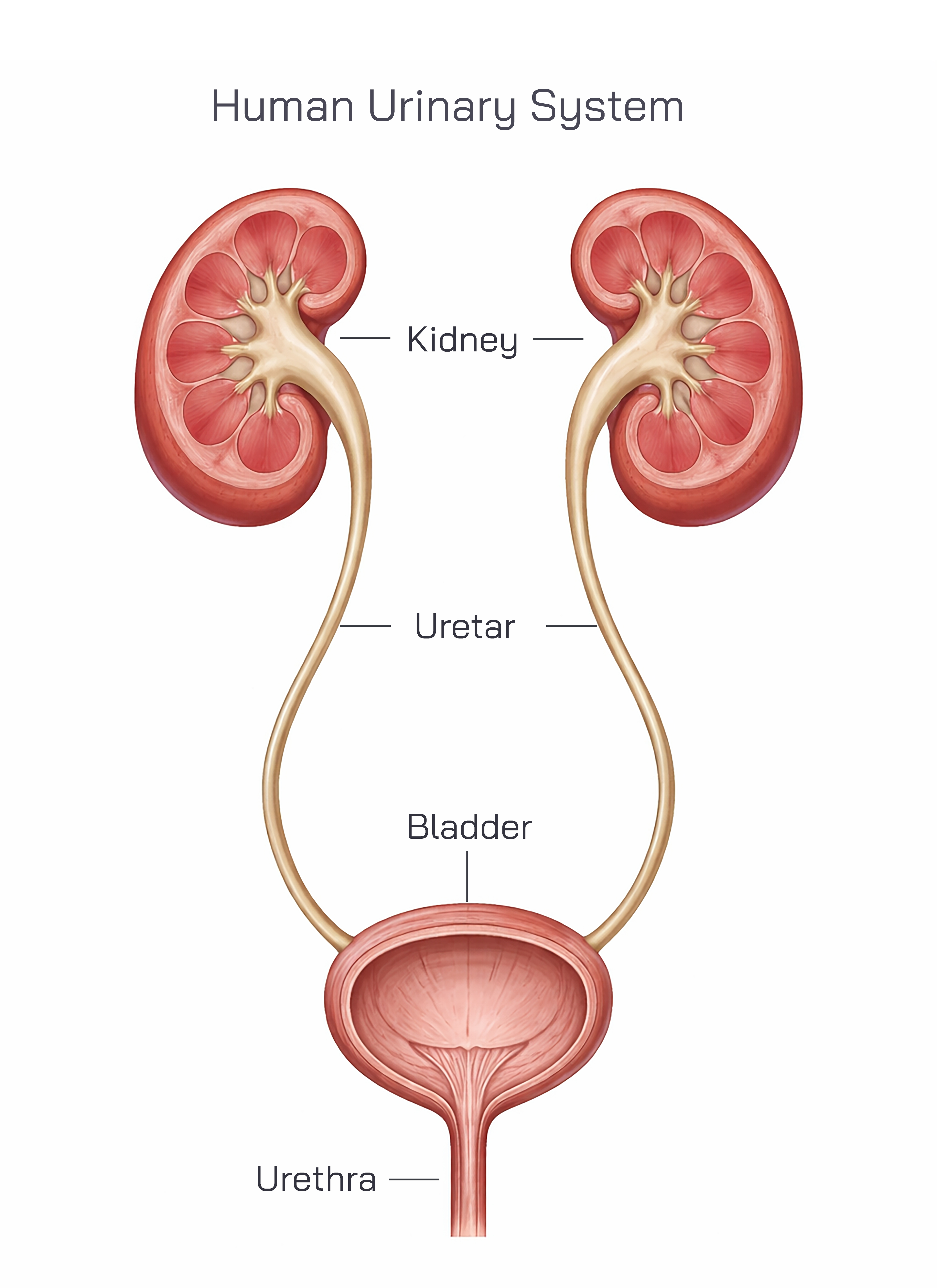
The main organs of the human urinary system include a pair of kidneys, two ureters, the urinary bladder, and the urethra. These organs function together in a coordinated manner to produce, transport, store, and eliminate urine. Each component has a specialized role that contributes to the efficient removal of metabolic waste and regulation of internal balance.
The kidneys are the primary organs of the urinary system and are located on either side of the vertebral column in the abdominal cavity. They are bean-shaped structures protected by the rib cage. Each kidney performs the vital function of filtering blood to remove waste products such as urea, excess salts, and excess water. The kidneys also help regulate blood pressure, electrolyte levels, and acid–base balance, making them essential for survival.
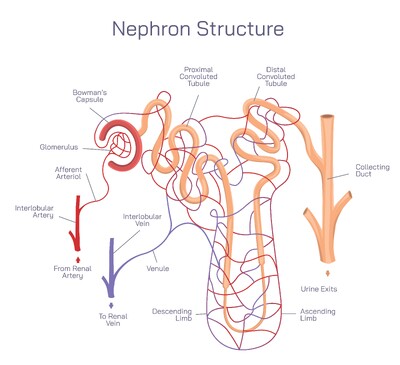
Structurally, each kidney is composed of an outer cortex and an inner medulla. The cortex contains filtering units called nephrons, which are the functional units of the kidney. Each nephron consists of a glomerulus and a renal tubule. Blood filtration begins in the glomerulus, where waste products and excess substances are separated from useful components. The renal tubule then selectively reabsorbs essential substances such as glucose, ions, and water back into the bloodstream while allowing waste to remain in the forming urine.
The medulla of the kidney contains renal pyramids that help concentrate urine. This concentration process allows the body to conserve water when needed. The filtered urine flows from the nephrons into collecting ducts and then into a funnel-shaped structure called the renal pelvis. From the renal pelvis, urine enters the ureters.
The ureters are narrow, muscular tubes that connect each kidney to the urinary bladder. Their main function is to transport urine from the kidneys to the bladder. This movement is not dependent on gravity alone but is aided by rhythmic muscular contractions known as peristalsis. These contractions ensure a continuous and controlled flow of urine, preventing backflow and maintaining efficient transport.
The urinary bladder is a hollow, muscular organ located in the pelvic cavity. It serves as a temporary storage reservoir for urine. The bladder has a flexible structure that allows it to expand as it fills with urine. Sensory receptors in the bladder wall detect stretching and signal the need for urination when the bladder reaches a certain volume. This storage function allows urine to be expelled at convenient times rather than continuously.
The bladder wall is made of smooth muscle that contracts during urination. When the bladder contracts, urine is forced into the urethra. At the same time, sphincter muscles relax to allow urine to exit the body. This coordinated action ensures controlled urination.
The urethra is the final component of the urinary system and serves as the passage through which urine leaves the body. Its length and structure differ between males and females. In females, the urethra is shorter and opens above the vaginal opening. In males, the urethra is longer and passes through the penis, serving both urinary and reproductive functions. Despite these differences, the primary function of the urethra in both sexes is the elimination of urine.
Beyond waste removal, the human urinary system plays a vital role in maintaining homeostasis. By regulating the amount of water excreted in urine, the system helps control blood volume and blood pressure. It also maintains proper electrolyte levels, including sodium and potassium, which are critical for nerve and muscle function. Additionally, the urinary system helps regulate the body’s acid–base balance by adjusting the excretion of hydrogen ions and bicarbonate.
The urinary system is closely linked with other body systems. It works with the circulatory system to filter blood, with the endocrine system to regulate hormones involved in fluid balance, and with the nervous system to control urination. This interdependence highlights the importance of the urinary system in overall body function.
In medical and educational contexts, diagrams of the human urinary system are used to illustrate organ location, urine flow, and functional relationships. Such diagrams help students and healthcare professionals visualize how urine is formed and transported, and how disorders such as kidney stones, infections, or bladder dysfunction can disrupt normal processes.
Understanding the urinary system is also important for maintaining health. Proper hydration, balanced nutrition, and healthy lifestyle choices support kidney function and prevent urinary disorders. Awareness of how the urinary system works encourages early recognition of symptoms and promotes preventive care.
In conclusion, the human urinary system is a vital organ system responsible for filtering blood, removing waste, regulating fluid and electrolyte balance, and maintaining internal stability. It consists of kidneys, ureters, the urinary bladder, and the urethra, each performing a specific and essential role. The coordinated action of these organs ensures efficient urine formation, storage, and elimination. Studying the human urinary system provides valuable insight into how the body maintains balance and protects itself from harmful waste accumulation, making it a fundamental topic in anatomy and health education.