Human Liver and Pancreas – Integrated Anatomy and Physiology Summary on Digestive Functions, Metabolic Regulation, Hormonal Control, Detoxification, Nutrient Processing, and Their Interdependent Role in Maintaining Life and Health
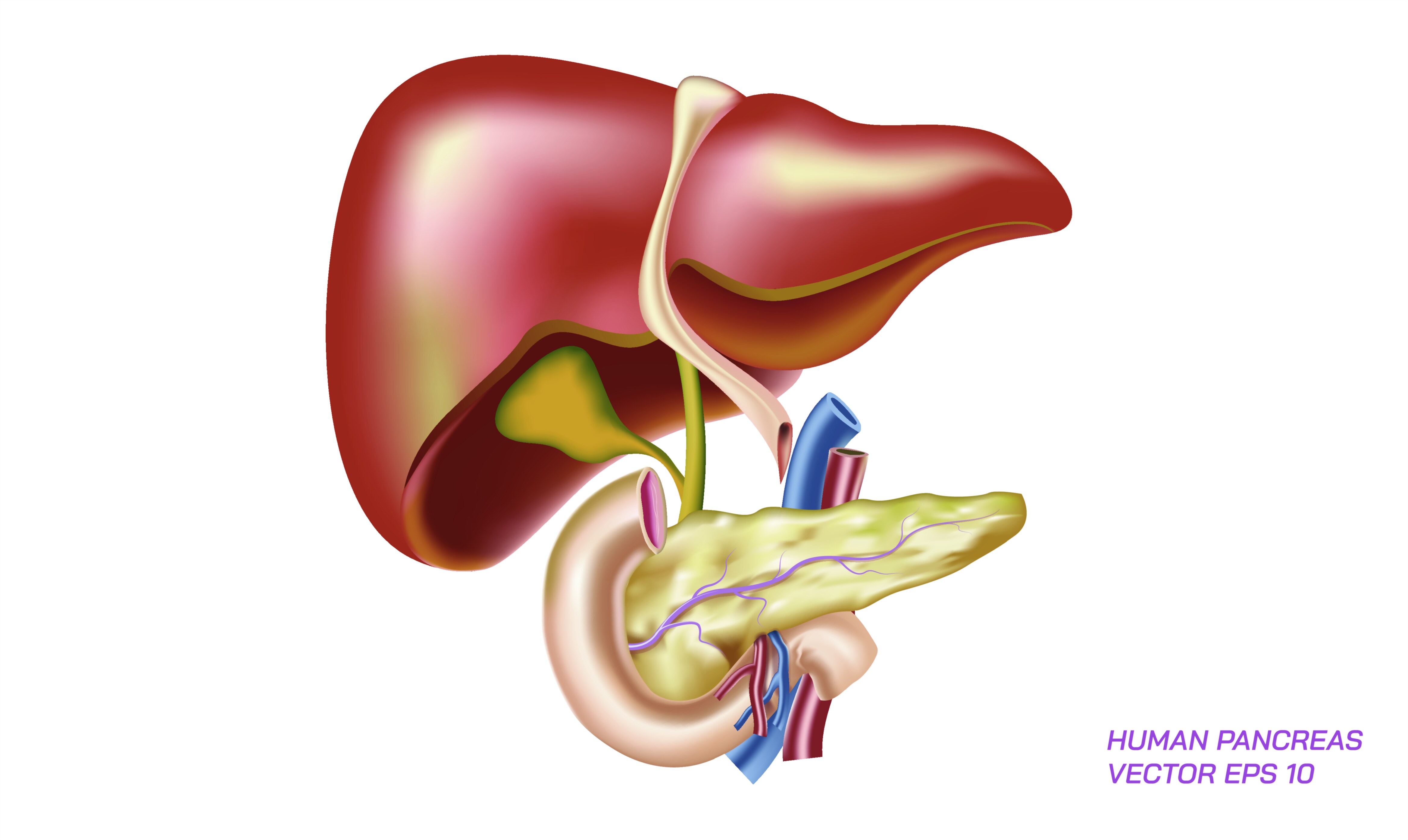
The liver and pancreas together form one of the most critical biological partnerships in the human body, operating at the crossroads of digestion, metabolism, nutrient storage, hormonal balance, detoxification, and the body’s response to energy demands. Although each organ performs its own specialized functions, neither can sustain life alone without the support of the other. The liver works as the body’s metabolic headquarters and chemical processing hub, while the pancreas functions as both a digestive enzyme producer and a hormonal regulator of blood glucose. Their anatomical placement within the upper abdominal cavity reflects this cooperation: the liver occupies the right upper quadrant beneath the diaphragm, and the pancreas lies deeper and centrally behind the stomach. Through intimate connections involving blood vessels, ducts, and shared biochemical pathways, the liver and pancreas create a synchronized system that transforms food into usable energy and keeps the internal chemical environment stable for every cell in the body.
The liver, the largest internal organ, is structurally divided into lobes and composed of millions of microscopic lobules arranged like hexagonal building blocks. These lobules are threaded with a network of blood channels that allow the liver to access nutrients absorbed from the small intestine. All blood from the digestive tract flows first to the liver via the portal circulation, giving the liver the first opportunity to extract nutrients, store fuels, filter toxins, and modify chemicals before blood returns to general circulation. This control point underscores the liver’s role as the biochemical regulator that maintains homeostasis with extraordinary precision. It synthesizes bile, a fluid essential for the digestion and absorption of fats. It stores energy in the form of glycogen and releases glucose as needed. It converts absorbed amino acids into proteins used for growth and repair. It processes lipids, manufactures cholesterol, and distributes lipoproteins across the bloodstream. It also detoxifies waste products, medications, alcohol, and other chemical substances, transforming harmful compounds into forms that can be excreted safely. Every second, the liver performs hundreds of metabolic reactions essential for survival, most of which occur silently and continuously without conscious awareness.
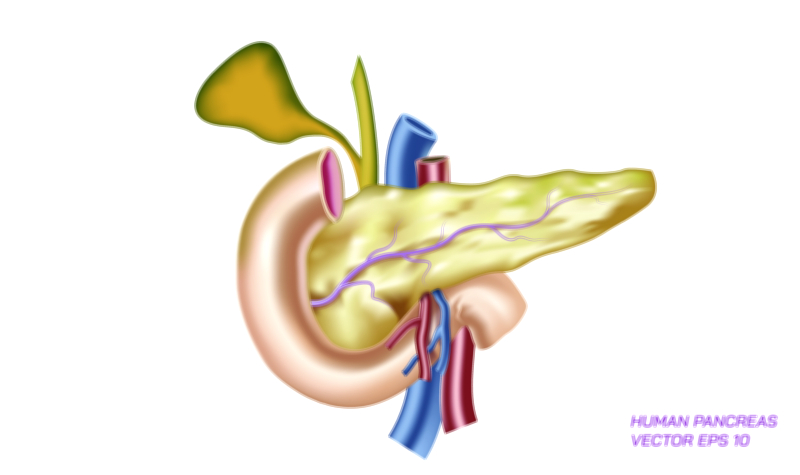
The pancreas, though smaller than the liver, is no less essential. Structurally, it is a slender gland with a dual identity. Its exocrine portion consists of acinar cells organized into clusters that produce and release digestive enzymes. Through a branching network of ducts that converge into the main pancreatic duct, these enzymes travel to the small intestine, where they break down proteins, fats, and carbohydrates into absorbable units. Without pancreatic enzymes, even a nutritious diet would provide little benefit because macronutrients would pass through the digestive tract largely undigested. Embedded among the exocrine tissue are small clusters of endocrine cells known as the islets of Langerhans, which release hormones directly into the bloodstream rather than into the digestive tract. Beta cells secrete insulin to lower blood glucose, alpha cells release glucagon to raise it, and other islet cells secrete regulatory peptides that fine-tune digestive and metabolic processes. This dual structure makes the pancreas uniquely powerful, bridging the gap between digestive support and systemic energy control.
The physiological relationship between the liver and pancreas is rooted in the transfer and regulation of nutrients. During digestion, the pancreas releases enzymes into the intestine to dismantle food molecules, while the liver receives the resulting nutrients through the portal blood supply. The liver decides whether nutrients should be burned immediately for energy, stored for later use, converted into other compounds, or released into circulation. Meanwhile, the pancreas tracks blood glucose levels and releases insulin or glucagon to communicate with the liver about energy needs. When insulin is high, the liver stores glucose as glycogen; when glucagon is high, the liver breaks glycogen back into glucose and releases it into the bloodstream. This metabolic partnership ensures that the body has a stable supply of energy whether a person has just eaten, is sleeping, or is undergoing physical exertion. Without insulin signaling from the pancreas, the liver would continue releasing glucose unchecked, leading to dangerously elevated blood sugar levels. Without the liver’s ability to store and release glucose, the body would suffer from extreme fluctuations in energy availability. Together, they maintain metabolic equilibrium essential for brain function, muscle activity, and survival.
Bile production by the liver and digestive enzyme release by the pancreas also merge in the duodenum to ensure efficient nutrient absorption. Bile emulsifies fats into small droplets that enzymes can break down more easily, while pancreatic lipase completes fat digestion. Proteins and carbohydrates are likewise processed through teamwork between intestinal enzymes and pancreatic secretions. Without bile, fats would remain poorly digested; without pancreatic enzymes, even emulsified fats, proteins, and starches could not be broken down into usable nutrients. This complementary action shows how digestion is distributed functionally across organs rather than occurring in a single location.
The health of the liver and pancreas deeply influences other organ systems. Liver damage jeopardizes cholesterol balance, protein synthesis, blood clotting, detoxification, and fluid regulation. Conditions such as hepatitis, fatty liver disease, cirrhosis, and liver cancer disrupt metabolic homeostasis and eventually impair multiple physiological functions. Pancreatic disorders, such as pancreatitis, pancreatic cancer, and diabetes mellitus, demonstrate how fragile digestive and metabolic stability becomes when pancreatic enzymes are released at the wrong time or when insulin production fails. Chronic alcohol consumption, smoking, high-fat diets, uncontrolled diabetes, obesity, viral infections, and genetic predispositions can injure both organs simultaneously because they share metabolic processing responsibilities. When the pancreas becomes inflamed, swollen tissue can block the bile duct, causing bile to accumulate and damage the liver. When the liver becomes fatty or fibrotic, it may disrupt hormone clearance and worsen insulin resistance, forcing the pancreas to work harder. Thus, disease in one organ often creates cascading harm in the other.
The interconnection between the liver and pancreas illustrates broader biological principles: no organ works independently, and maintaining life requires continuous communication between systems. These organs convert food into energy in highly coordinated stages, protect the body from chemical intoxication, control blood nutrient levels, and defend metabolism from external and internal threats. Their partnership also explains why nutrition, hydration, physical activity, and avoidance of alcohol and toxins are not merely lifestyle choices but biological necessities for preserving digestive and metabolic health.
Ultimately, the liver and pancreas function as co-guardians of human physiology. The liver supervises the transformation, distribution, and detoxification of every substance absorbed from the digestive tract, while the pancreas ensures that glucose—the body’s primary fuel—is available at the right concentration for every cell. Together they enable growth, movement, brain activity, immune defence, and every energy-dependent process of life. Understanding these two organs side by side reveals the elegance of biological design: digestion feeds metabolism, metabolism fuels life, and the liver and pancreas stand at the center of this remarkable chain that keeps the human body functioning with seamless precision every moment of every day.