Composition of Whole Blood — Components and Their Functions
Whole blood is a vital fluid in the human body, circulating through the cardiovascular system to transport oxygen, nutrients, hormones, and waste products. It is a complex mixture of cellular and liquid components, each performing essential physiological functions. Understanding the composition of whole blood is critical in medicine, biology, and health sciences, providing insight into how the body maintains homeostasis and responds to injuries or infections.
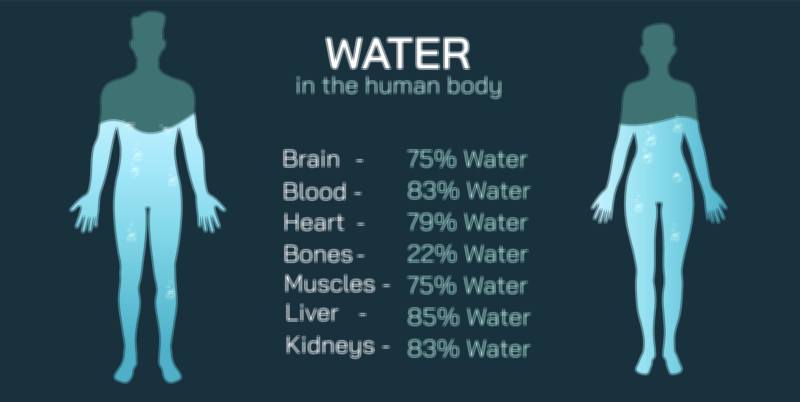
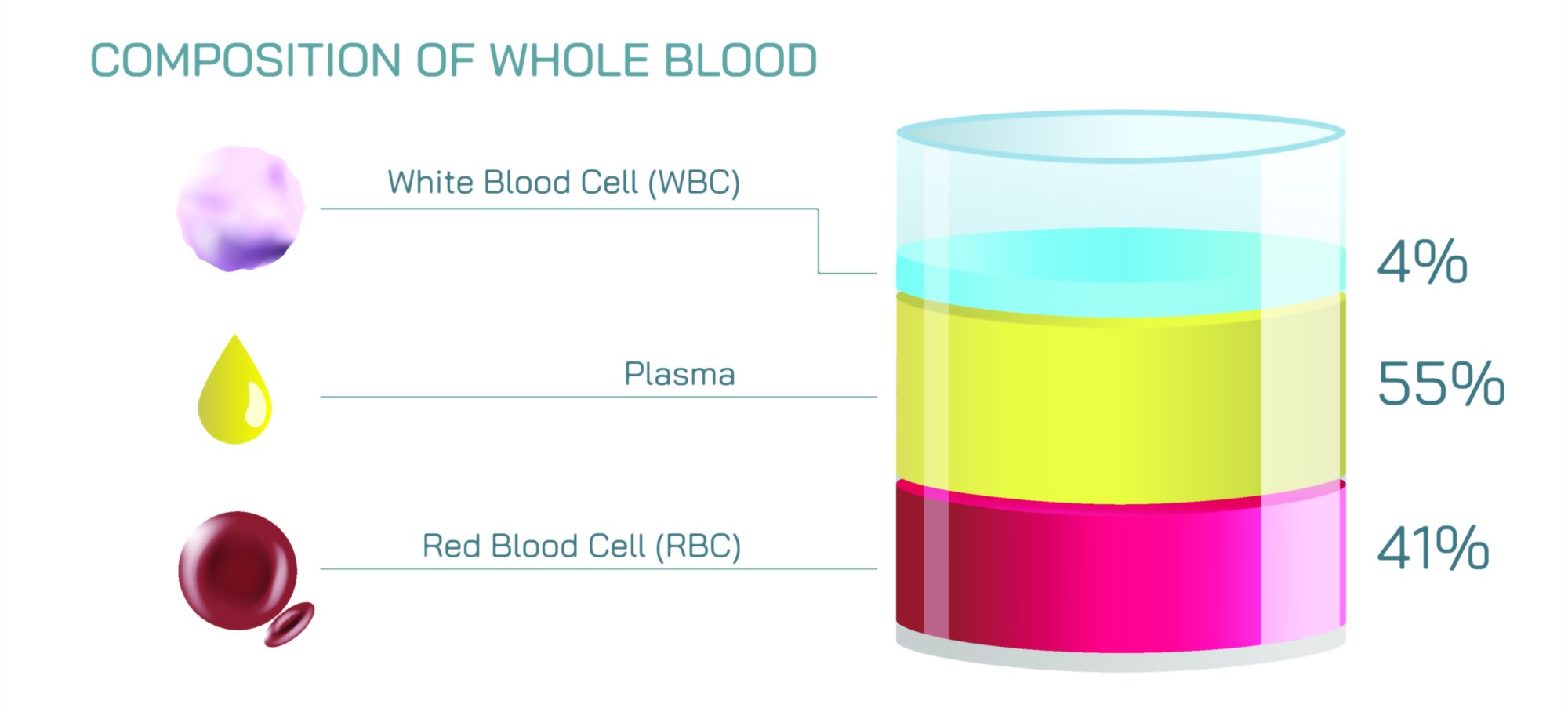
The liquid portion of whole blood, known as plasma, constitutes about 55% of total blood volume. Plasma is a pale yellow fluid composed primarily of water, electrolytes, proteins such as albumin, globulins, and fibrinogen, nutrients, hormones, and waste products. Plasma serves as a transport medium for gases, nutrients, hormones, and metabolic by-products. It also plays a critical role in maintaining blood pressure, osmotic balance, and pH levels, as well as participating in clotting and immune responses.
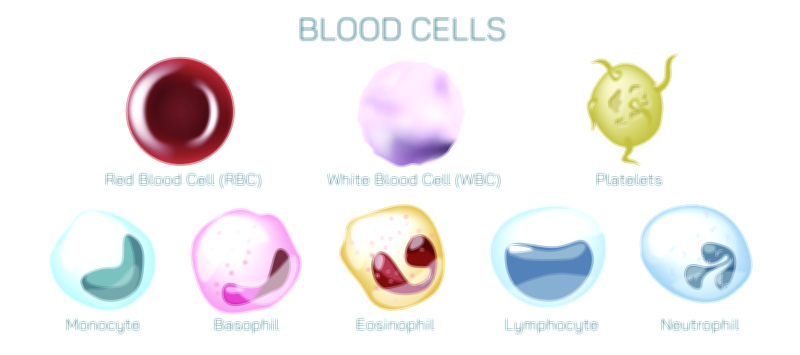
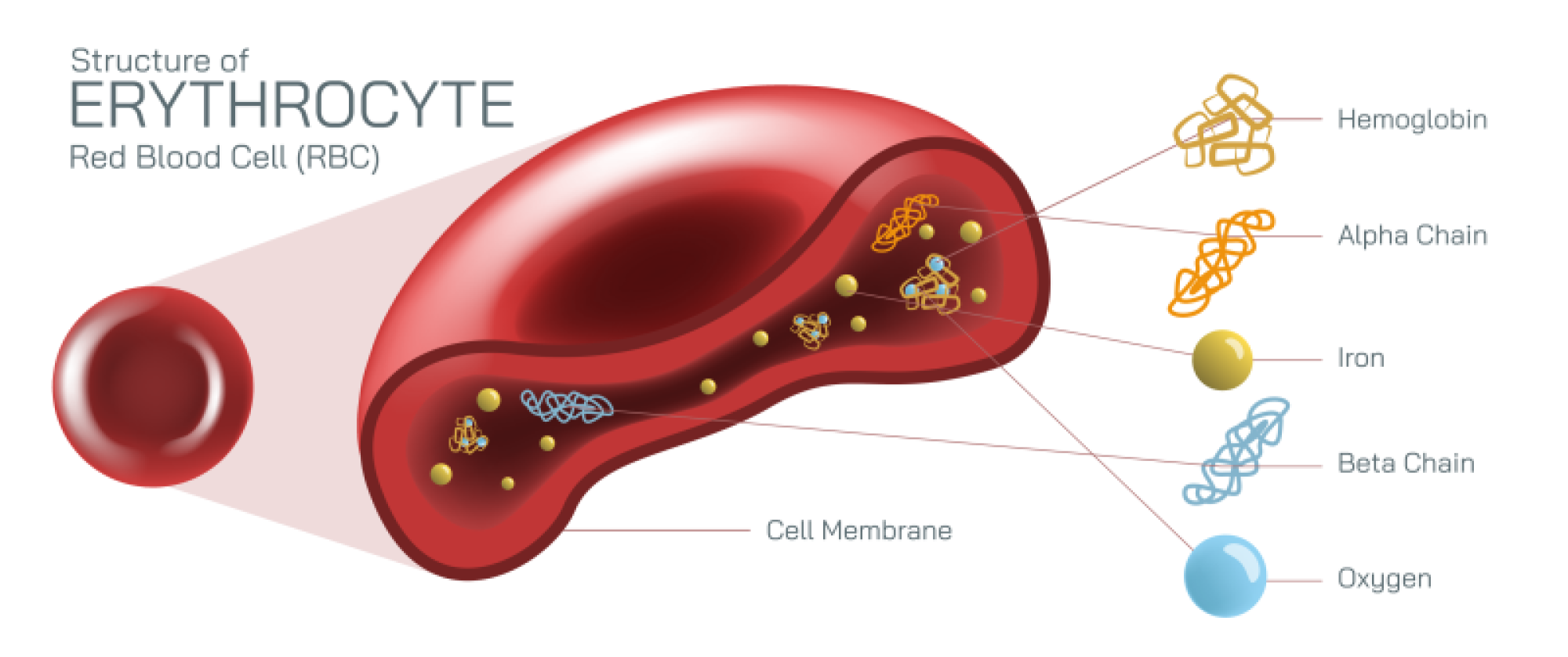
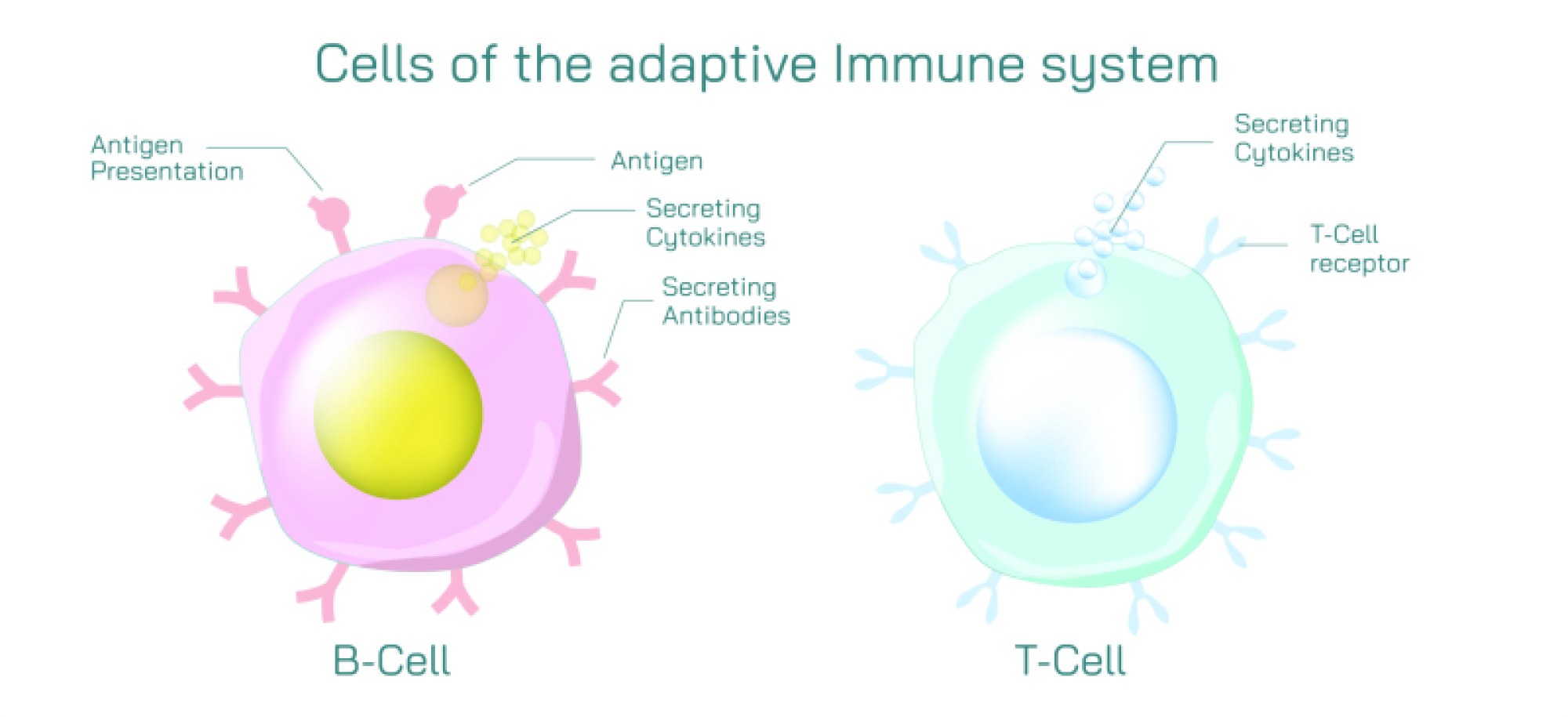
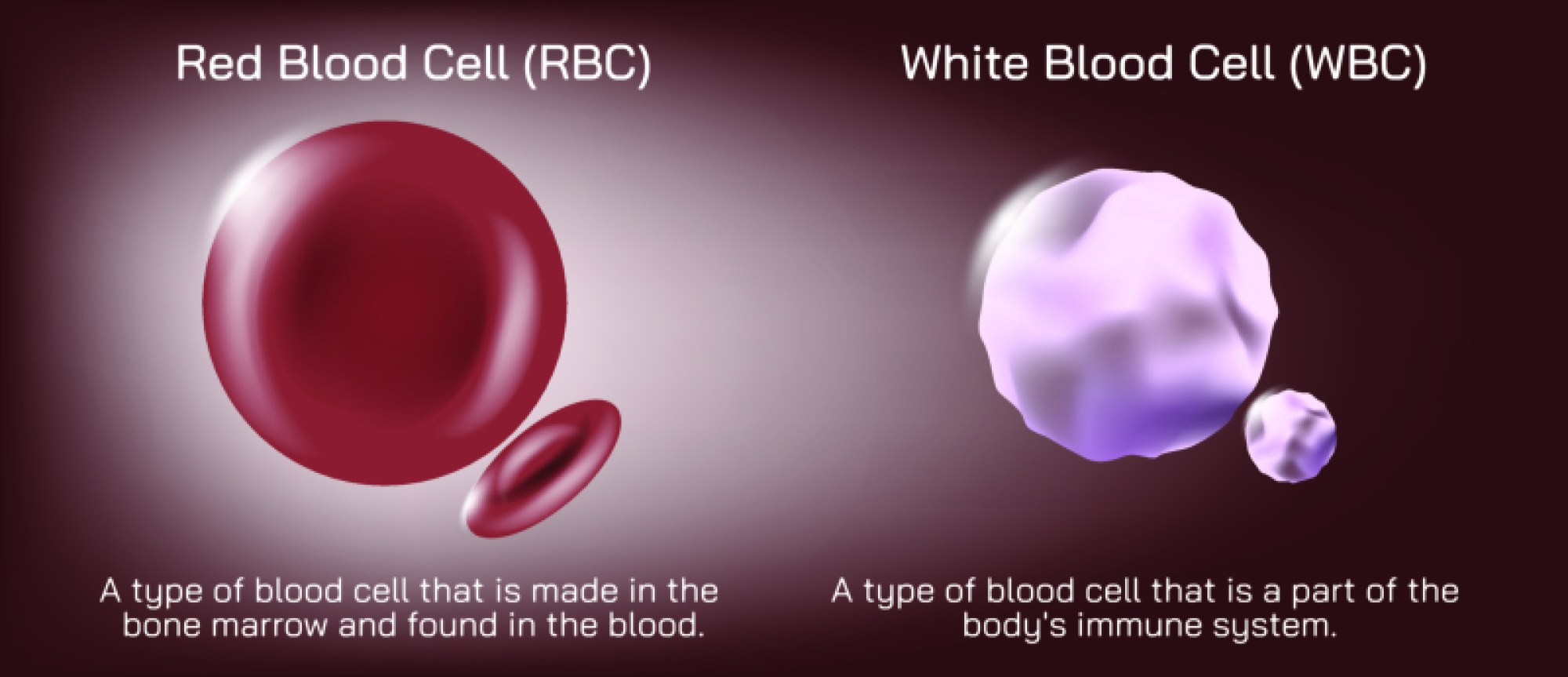
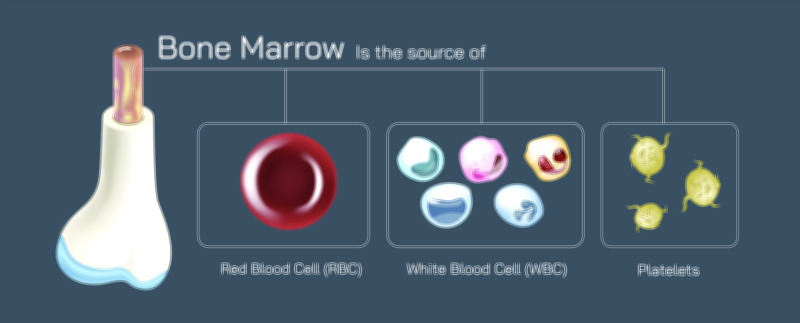
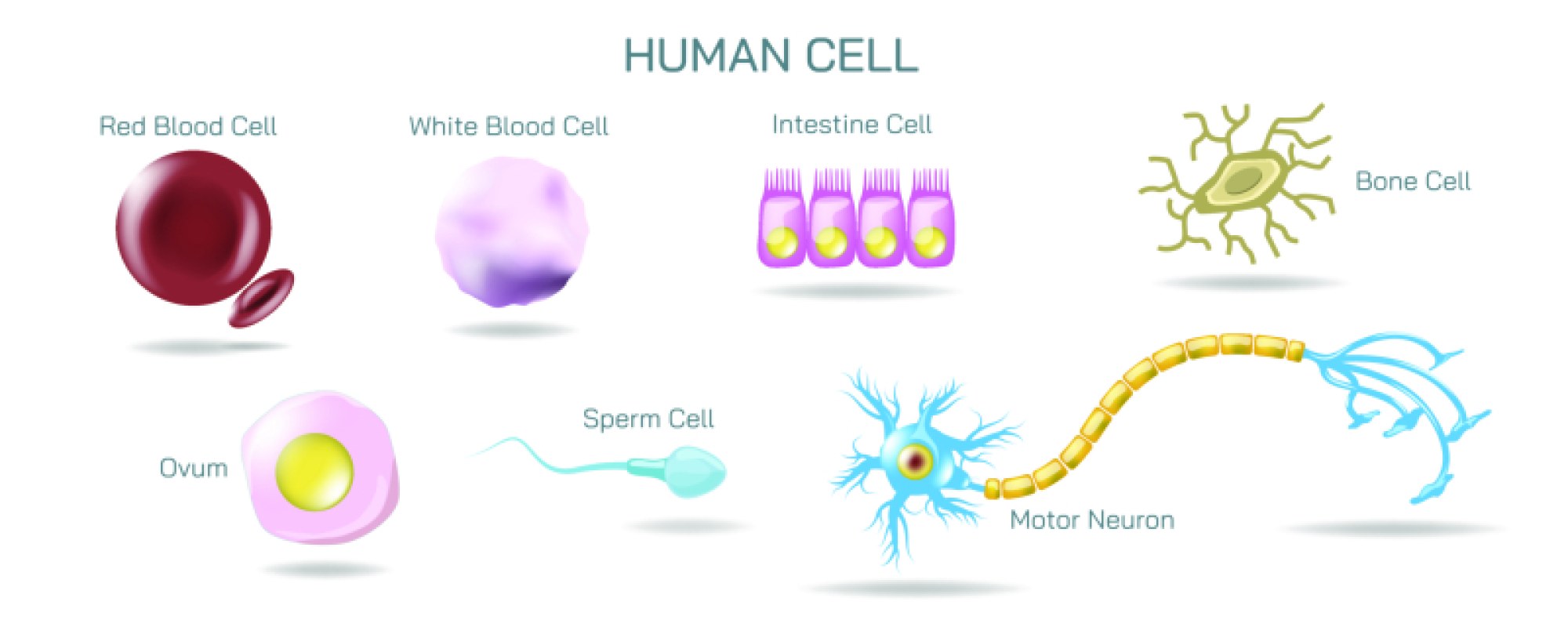
The cellular components of whole blood make up approximately 45% of its volume and include red blood cells (erythrocytes), white blood cells (leukocytes), and platelets (thrombocytes). Red blood cells are biconcave cells filled with hemoglobin, responsible for transporting oxygen from the lungs to tissues and carbon dioxide from tissues to the lungs. White blood cells are part of the immune system, defending the body against infections, pathogens, and abnormal cells. There are several types of white blood cells, including neutrophils, lymphocytes, monocytes, eosinophils, and basophils, each with specialized immune functions. Platelets are small cell fragments that play a vital role in blood clotting, preventing excessive bleeding during injuries and supporting wound healing.
The proportion and function of each component are critical for maintaining overall health. Any imbalance, such as anemia (low red blood cells), leukopenia (low white blood cells), thrombocytopenia (low platelets), or plasma protein deficiencies, can lead to serious medical conditions. Hematocrit measures the percentage of red blood cells in blood, while complete blood counts and plasma analysis provide detailed insights into blood health. Regular monitoring of blood composition helps detect diseases, guide treatment, and evaluate the effects of nutrition, exercise, or medications.
In conclusion, whole blood is a dynamic and multifaceted tissue composed of plasma and cellular elements, each contributing to the body’s survival and function. Plasma transports vital substances and maintains homeostasis, red blood cells deliver oxygen, white blood cells provide immunity, and platelets ensure clotting and repair. Understanding the composition of whole blood enhances our knowledge of human physiology, supports medical diagnostics, and emphasizes the importance of maintaining healthy blood for overall well-being.