Prostate Gland: Structure, Function, and Role in the Male Reproductive System Explained
The prostate gland is a central structure in the male reproductive system, playing a crucial role in sexual function, fertility, and urinary health. Although relatively small—approximately the size of a walnut in adult males—it is a complex and highly regulated gland responsible for producing a significant portion of the seminal fluid that protects, nourishes, and transports sperm during ejaculation. The prostate is located deep within the pelvis, positioned just below the urinary bladder and surrounding the upper portion of the urethra, the tube that carries both urine and semen out of the body. Its placement reflects a tight anatomical and functional connection between the urinary and reproductive systems, which is why conditions that affect the prostate can influence both urination and sexual function. To understand the importance of the prostate, it is necessary to examine not only its physical structure but also the cellular mechanisms that govern its secretions and the hormonal regulation that supports its activity throughout life.
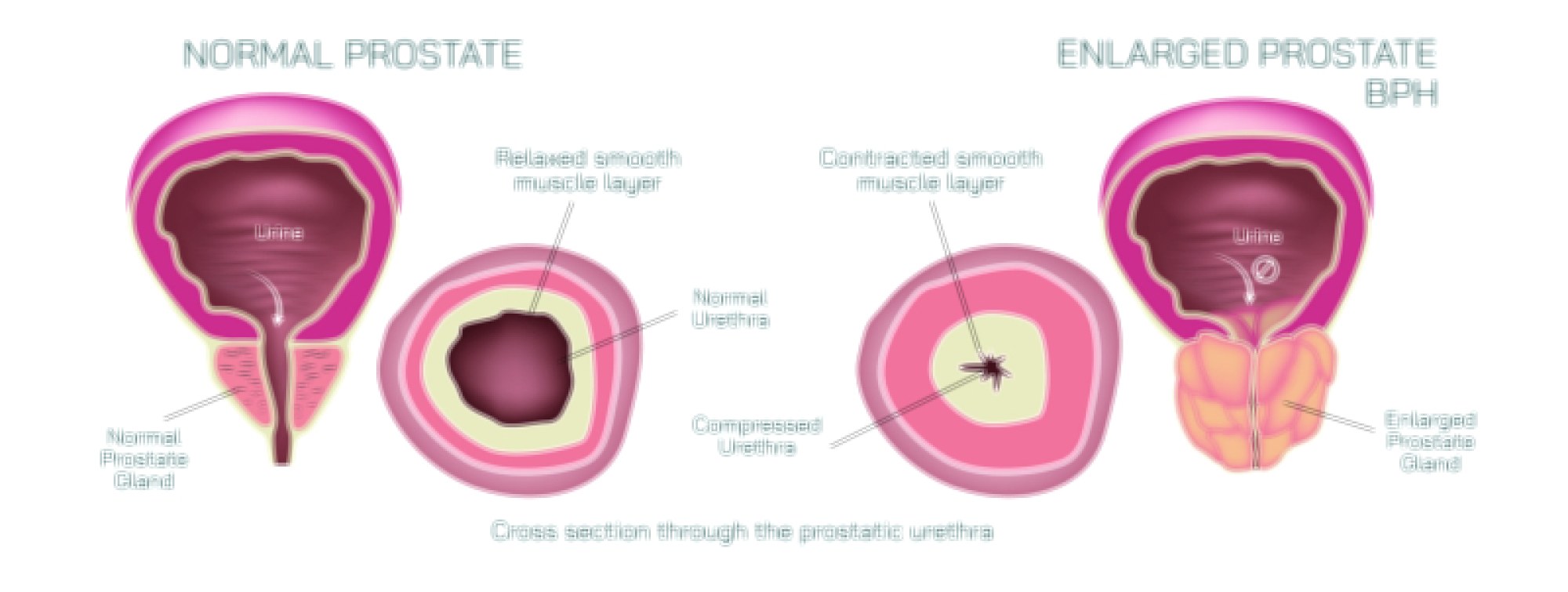
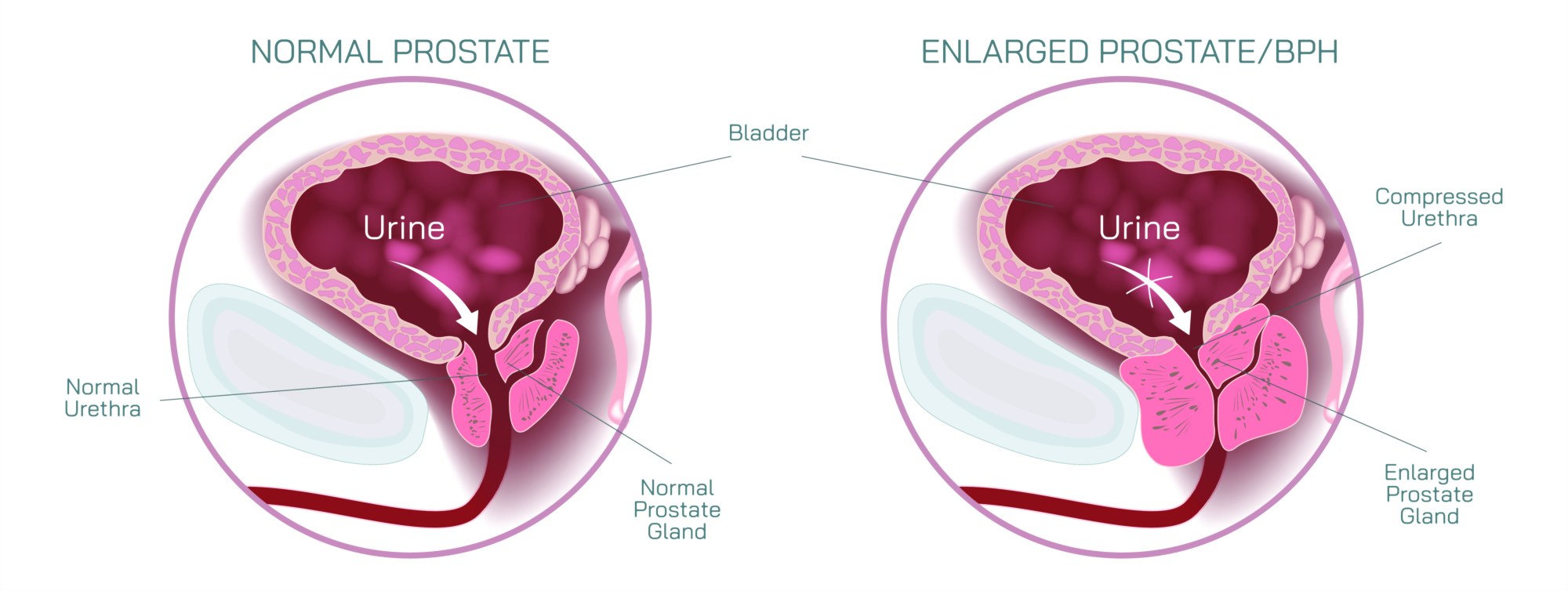
Anatomically, the prostate is composed of several zones arranged concentrically around the urethra, each with distinct tissue characteristics and physiological significance. The peripheral zone forms the outermost region and is the largest source of prostate glandular tissue; it is particularly sensitive to hormonal influence and is the most common site of prostate cancer. The central zone, located deeper within the gland, surrounds the ejaculatory ducts and contributes to the production of prostatic secretions, though cancers originating here are less common. The transition zone encircles the urethra and is the area most prone to benign growth with aging; it is the anatomical region responsible for benign prostatic hyperplasia, which can compress the urethra and cause urinary difficulties. These zones are embedded within a supportive framework of smooth muscle fibers and connective tissue, which contract during ejaculation to expel prostatic fluid into the urethra. Microscopic examination reveals clusters of glandular acini—sac-like structures lined with secretory epithelial cells—responsible for producing the chemical components of prostate fluid.
The primary role of the prostate is to produce and secrete prostatic fluid, an essential component of semen that plays several protective and reproductive functions. Prostatic fluid contains a rich combination of enzymes, proteins, and minerals, including zinc, citrate, and prostate-specific antigen (PSA). PSA, in particular, has a crucial role because it helps liquefy semen after ejaculation, breaking down the thick seminal coagulum to free sperm for movement. This liquefaction process is indispensable for fertility because sperm must be able to swim efficiently through cervical mucus and the female reproductive tract to reach the egg. Additionally, the slightly alkaline pH of prostatic fluid helps neutralize the acidic environment of the vagina, increasing sperm survival. Other components of prostatic fluid support energy metabolism, enhance sperm motility, protect against oxidative damage, and help defend against microbial threats. Although sperm originate in the testes and gain motility in the epididymis, they depend heavily on the prostate, along with the seminal vesicles, to create a supportive transport medium that ensures successful fertilization.
The gland also plays an essential structural and mechanical role during ejaculation. When sexual stimulation triggers orgasm, smooth muscle fibers within the prostate contract in coordinated waves to push prostatic secretions into the urethra, where they mix with sperm and seminal vesicle fluid to form semen. Simultaneously, the bladder neck closes tightly to prevent urine from mixing with semen and to prevent retrograde ejaculation into the bladder. This careful choreography requires precise neural and hormonal control. The autonomic nervous system, particularly the sympathetic branch, regulates prostatic contraction, while the pelvic nerves regulate vascular and erectile function. Because of these interconnections, prostate health is deeply intertwined with sexual function, and disruptions in prostate physiology can influence erection, ejaculation, and fertility outcomes.
The prostate is also a hormone-responsive organ, relying heavily on the balance of androgens—primarily testosterone and its more potent form, dihydrotestosterone (DHT). Testosterone produced in the testes circulates to the prostate, where it is converted into DHT by the enzyme 5-alpha reductase. DHT binds to androgen receptors within prostate cells to stimulate growth, development, and secretion. In childhood, the prostate remains small until puberty triggers a surge in testosterone, leading to rapid expansion and maturation of the gland. Throughout adulthood, androgen signaling sustains glandular function and reproductive capacity. However, excessive or prolonged sensitivity to androgens can result in abnormal growth of prostate tissue in the transition zone, contributing to benign prostatic hyperplasia. At the same time, the peripheral zone’s high responsiveness to hormonal regulation makes it more susceptible to cellular mutations that may progress to prostate cancer. The hormone-dependent nature of the gland therefore explains both its normal physiology and its vulnerability to disease.
Because of its dual role in urinary and reproductive function, changes in prostate size or tissue structure can have profound effects on quality of life. When the prostate enlarges—especially in the transition zone—it compresses the urethra, leading to symptoms such as weak urine flow, difficulty initiating or stopping urination, increased frequency of urination, nighttime urination, and incomplete bladder emptying. These symptoms may appear gradually as part of benign prostatic hyperplasia, which becomes increasingly common with age and is not a malignancy but a benign cellular growth. However, because the peripheral zone lies farther from the urethra, prostate cancer often develops silently without early urinary symptoms. This contrast underscores why diagnostic techniques such as PSA measurement, digital rectal examination, and imaging are crucial for early detection. PSA levels rise when prostate tissue is disrupted—whether due to inflammation, enlargement, or cancer—so PSA is useful but not definitive without additional examination.
The prostate’s deep involvement in male reproductive health extends beyond semen production and urinary control, influencing hormonal balance and physical wellbeing more broadly. Research has shown that inflammation within the prostate, hormonal dysregulation, and oxidative stress can impair sperm viability, sexual function, and overall energy levels. Psychological stress may also affect prostate function indirectly through alterations in hormone production and nervous system signaling. Likewise, lifestyle factors such as diet, sleep, physical activity, and toxin exposure can influence long-term prostate health, affecting both the risk of benign enlargement and the likelihood of developing cancer. Because the prostate is part of an integrated reproductive and endocrine network, maintaining its health depends on whole-body balance rather than isolated treatment.
Ultimately, understanding the prostate gland means understanding how male fertility, hormonal physiology, and urinary function converge within a single structure. Its glands produce the biochemical environment required for sperm to survive; its muscles coordinate the release of semen at the moment of ejaculation; its tissues respond sensitively to endocrine signals that drive sexual function; and its structure encircling the urethra makes it a gatekeeper for urinary flow. The same biology that makes the prostate indispensable for reproduction also makes it vulnerable to aging and disease, highlighting the importance of early awareness, preventive care, and medical evaluation when symptoms arise. The prostate gland demonstrates how even a small anatomical structure can exert far-reaching influence across multiple systems—and how the balance of hormones, cellular function, and anatomical positioning can determine male reproductive health throughout life.