Red Blood Cell and White Blood Cell — Structure, Transport Role, and Immune Defense Explained
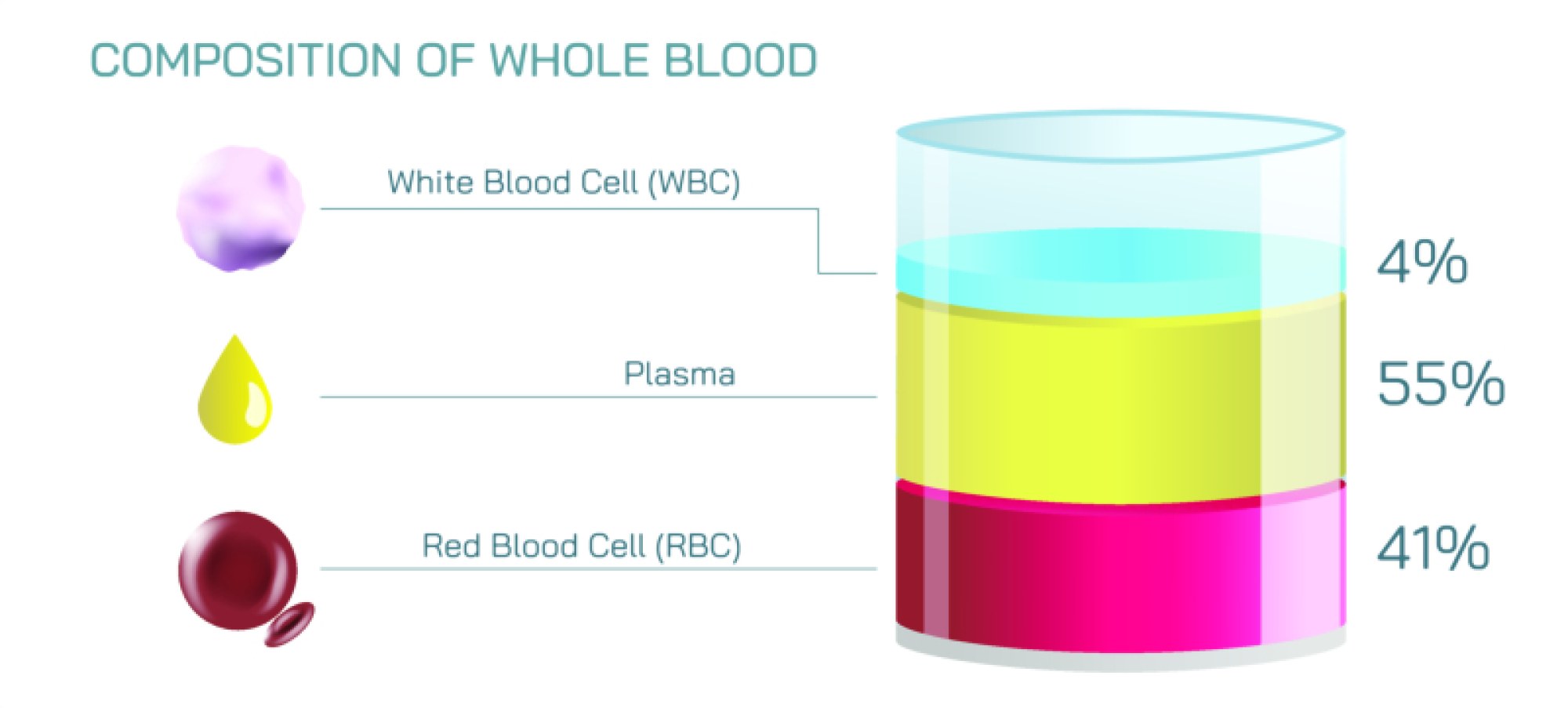
Red blood cells and white blood cells form two of the most important groups within the circulating fluid that supports every living part of the human body. These two groups carry out different actions, yet both are essential for life. Their combined activity keeps tissues supplied with needed material and protected from harmful agents that can disturb normal function. Understanding how these groups behave provides a clear picture of how the body sustains itself and responds to challenges from the surrounding environment.
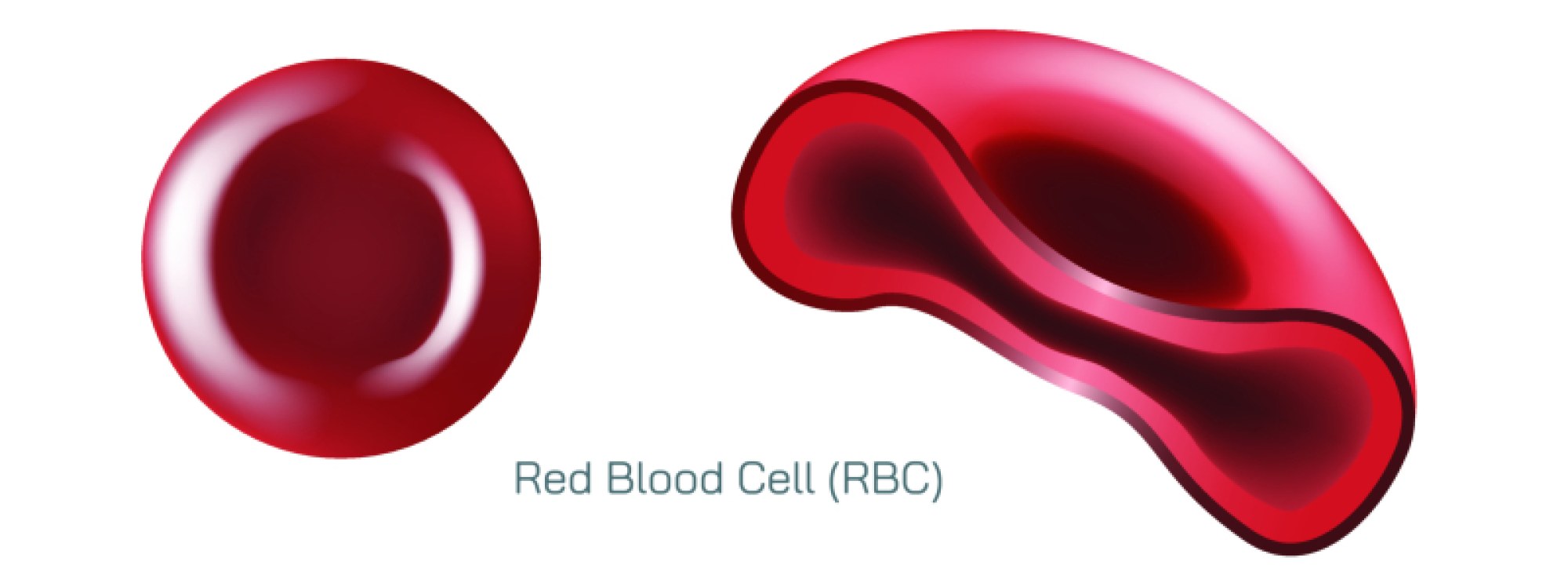
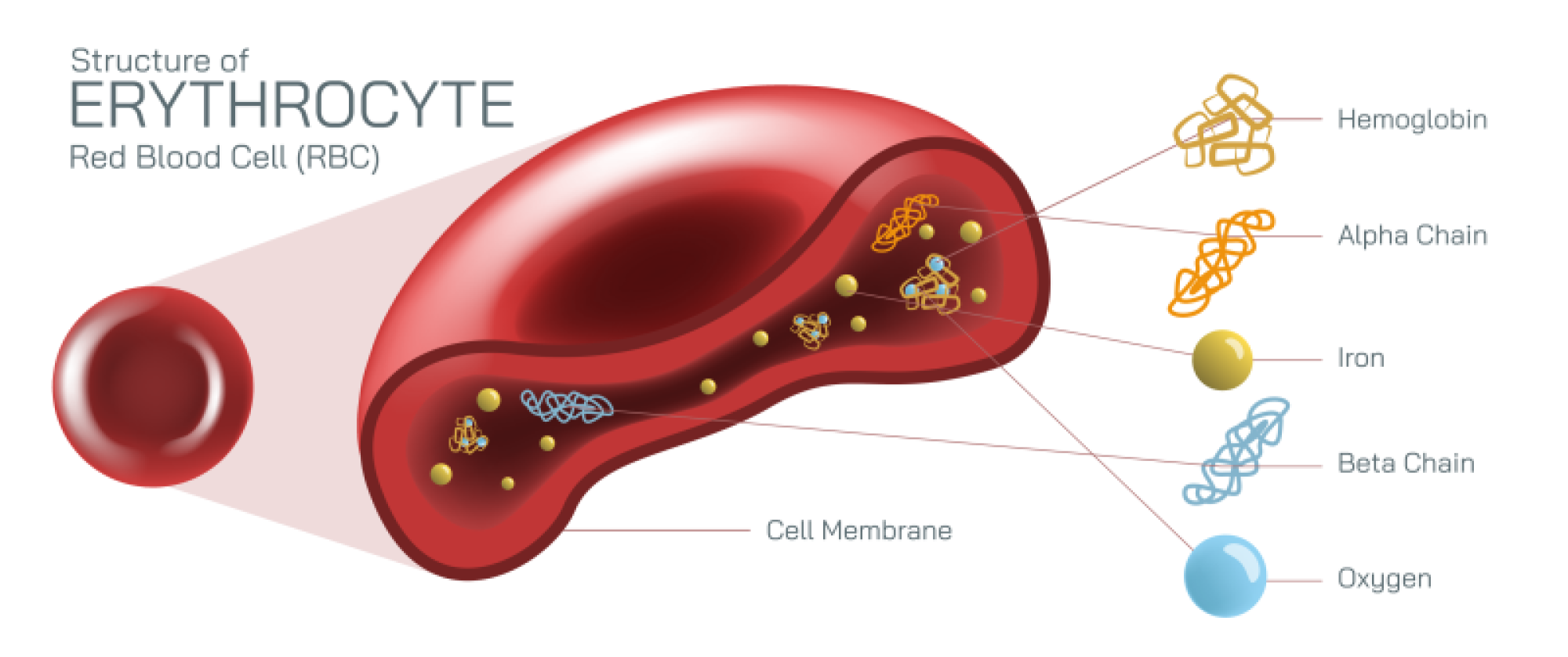
The red group is known for its unique disc shape, which allows smooth movement through narrow passages. This form increases the area available for holding an important gas that the body requires at all times. As these units move through pathways, they deliver this gas to tissues and collect another gas produced as a result of internal activity. This exchange supports energy processes and keeps internal balance steady. Their flexible outer surface helps them bend and twist through the smallest channels, ensuring that every corner of the body receives the gas needed for continuous function.
These red units lack several internal structures normally found in other units of the body. This absence creates more space for material that binds with the gas they carry. Despite their simple internal makeup, these units are highly effective in their task, cycling through the body repeatedly before the body replaces them with newly formed ones. Their constant movement maintains the flow of the gas required for sustained activity, growth, and recovery.
White units serve a different purpose. While fewer in number, they play a major part in protection. They identify, surround, and remove invading organisms or harmful particles. Some types release substances that alert nearby units, while others engulf unwanted material. A few types coordinate larger responses, guiding different groups to act in a unified manner. Their ability to adjust to new threats helps the body respond quickly when foreign agents enter.
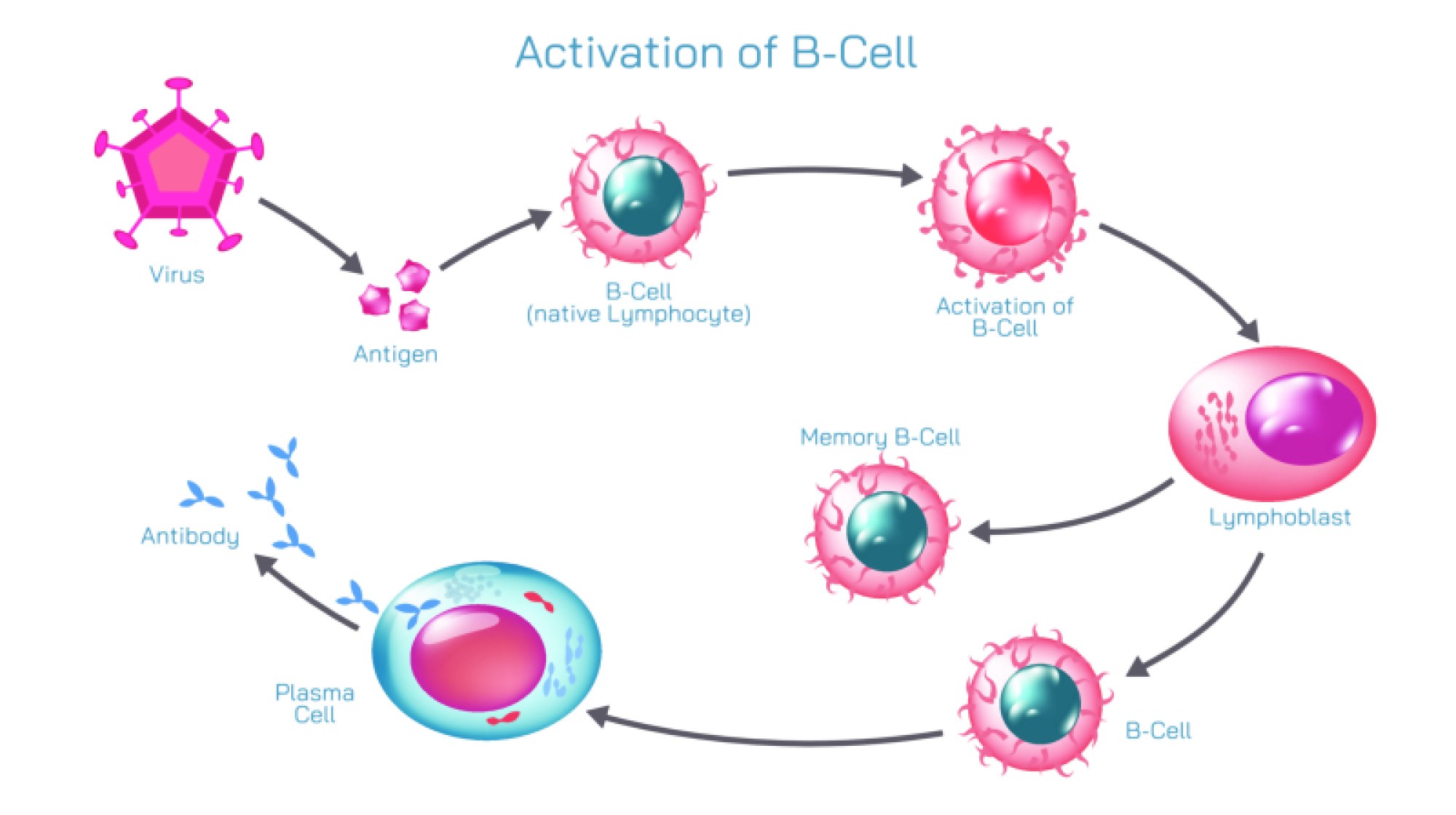
These white units come in several forms, each with a specific role. Some respond to early signs of invasion, providing quick action. Others rely on recognition of certain patterns and can remember an agent once encountered. This memory allows a faster response if the same threat returns. This organized defense network is one reason the body can handle a wide range of external challenges.
Movement of these protective units differs from the movement of the red group. Instead of traveling only within the main pathways, they can cross into tissue spaces where unwanted agents often appear. Once inside, they inspect the area, remove harmful elements, and signal additional units if needed. Their ability to shift shape and move through narrow openings allows them to reach difficult areas where problems may begin.
Although these two groups differ greatly in structure and activity, their combined effort reflects an efficient system. The red group ensures continuous supply of essential gas, and the white group ensures protection from harmful agents. Without the steady exchange delivered by the red group, tissues would weaken quickly. Without the defensive actions of the white group, even minor threats could cause serious disruptions.
Together, they form a balanced partnership. The red units support energy and growth, while the white units guard and repair. Every moment, they travel through the body in coordinated flow, sustaining life, maintaining order, and supporting recovery when the body faces obstacles. This cooperation highlights the remarkable design of biological systems and the delicate balance required for ongoing health.