Sigma and Pi Bonds – Fundamental Covalent Interactions in Chemistry
Sigma and pi bonds are the primary types of covalent bonds that hold atoms together in molecules, forming the foundation of chemical structures. Understanding the distinction between these bonds is essential for chemistry education, molecular visualization, and the study of chemical reactions. Both bond types result from the overlap of atomic orbitals, yet they differ in orientation, strength, and flexibility, influencing the properties and reactivity of molecules.
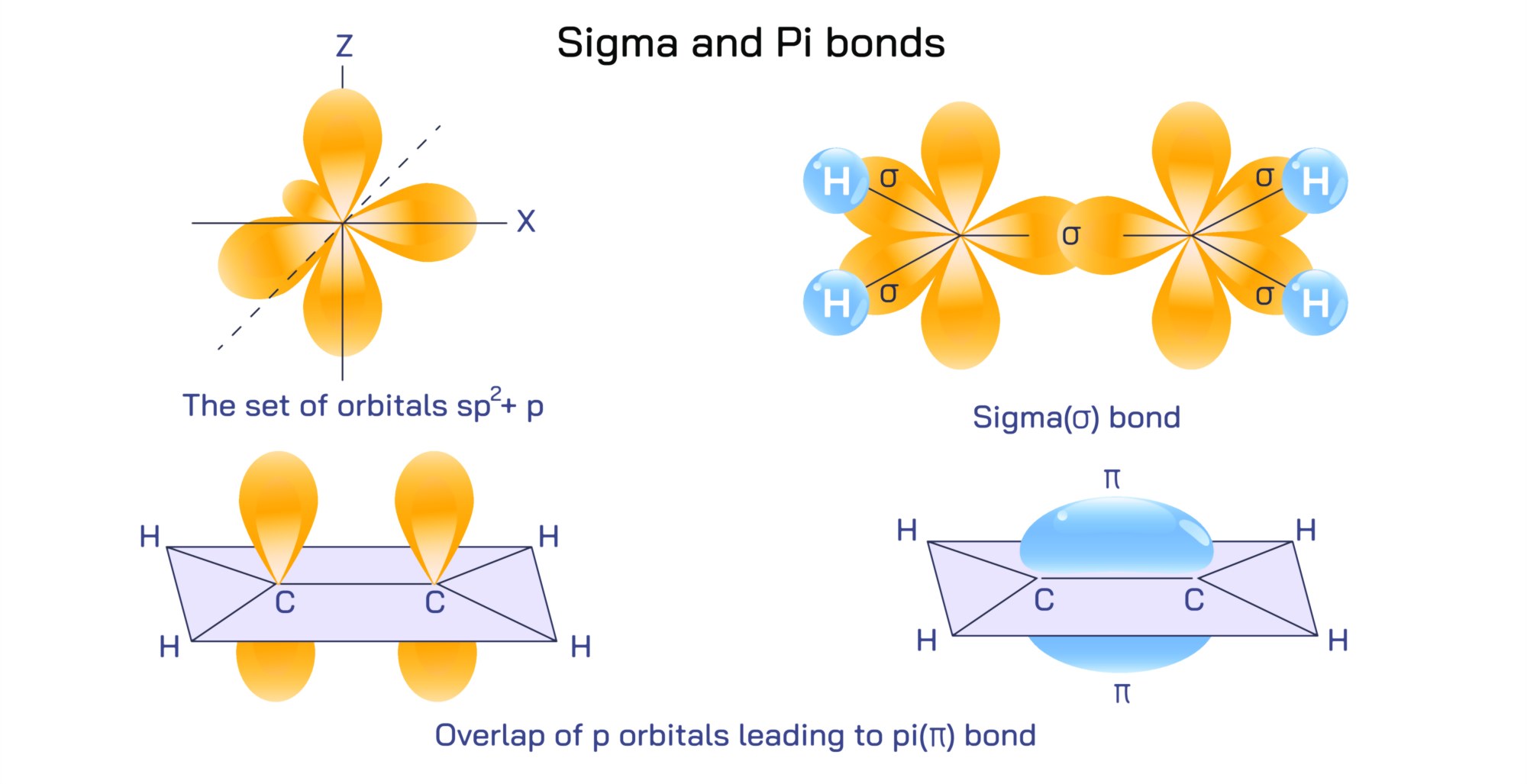
A sigma bond (σ bond) is formed by the head-on overlap of atomic orbitals, typically involving s-s, s-p, or p-p orbital interactions. This bond type is strong, stable, and allows free rotation around the bond axis. Sigma bonds serve as the primary bond connecting atoms in single covalent bonds and are foundational in multiple bonds. Their symmetry along the axis makes them the most common and essential type of bond in organic and inorganic chemistry.
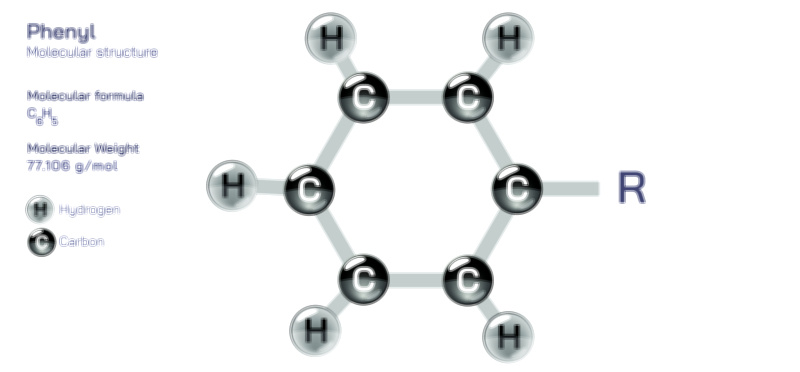
In contrast, a pi bond (π bond) is formed by the side-to-side overlap of parallel p orbitals. Pi bonds are generally found in double or triple covalent bonds, accompanying a sigma bond. While pi bonds add additional electron density above and below the bonding axis, they restrict rotational freedom, which affects molecular geometry and reactivity. Molecules containing pi bonds, such as alkenes, alkynes, and aromatic compounds, exhibit specific structural characteristics due to the rigidity introduced by these bonds.
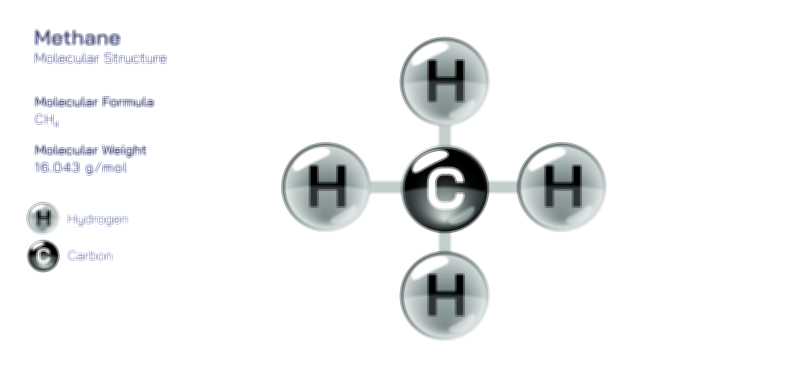
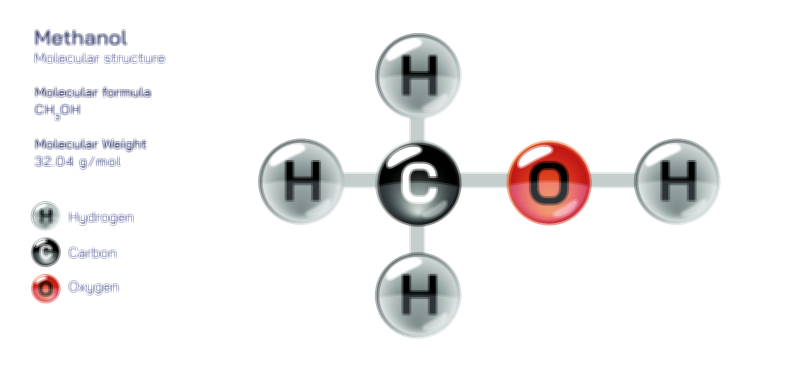
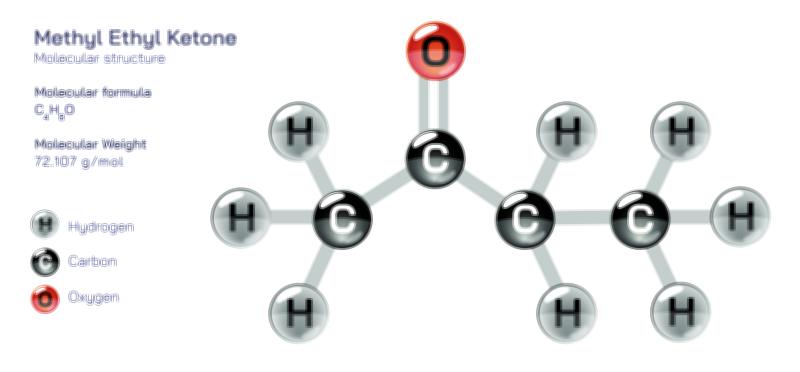
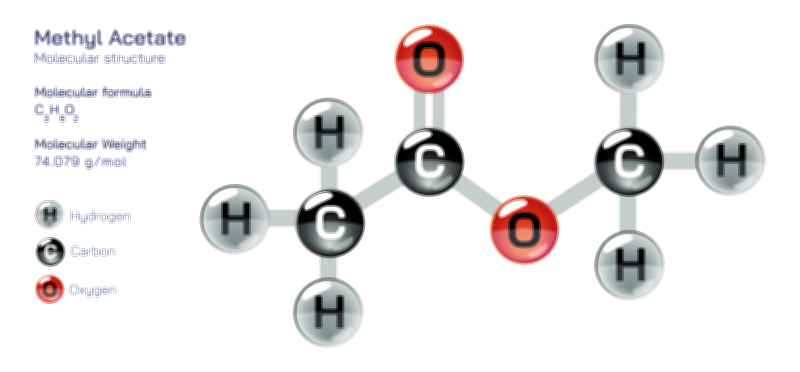
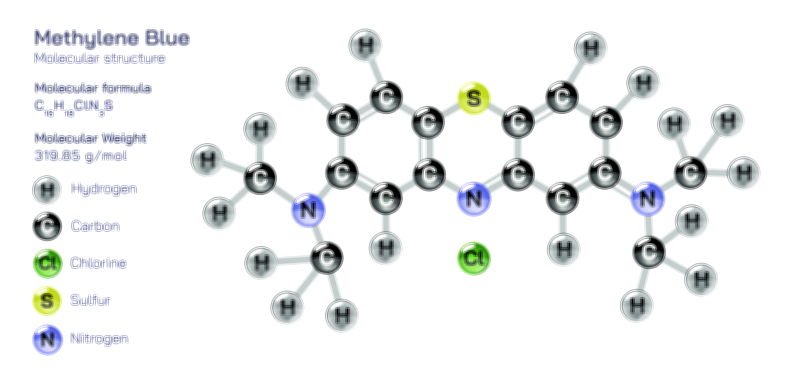
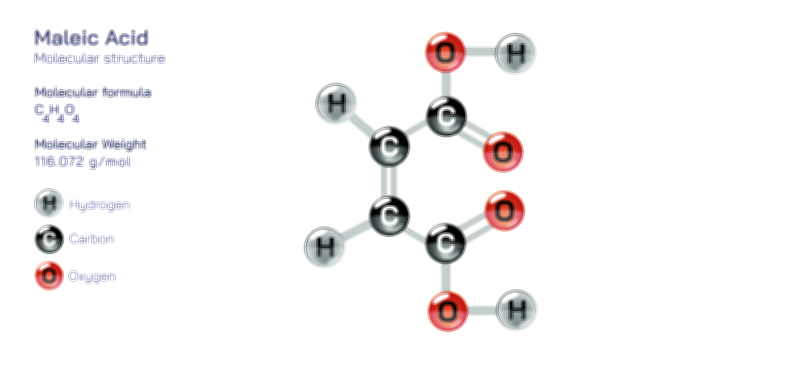
Visual illustrations of sigma and pi bonds help learners comprehend their formation, orientation, and impact on molecular structure. Diagrams often depict electron clouds, orbital overlaps, and bond interactions, making abstract chemical concepts tangible. These illustrations are vital for understanding bond strength, bond length, and molecular stability, providing insight into why certain molecules react differently or adopt specific geometries.
In chemistry, sigma and pi bonds influence chemical reactivity, resonance, conjugation, and aromaticity. Sigma bonds provide a stable framework, while pi bonds allow for delocalization of electrons and formation of reactive sites. Recognizing the role of these bonds is critical for predicting chemical behavior, designing molecules, and understanding reaction mechanisms in organic, inorganic, and physical chemistry.
Beyond theory, sigma and pi bond knowledge is crucial in biochemistry, materials science, and nanotechnology, where covalent bonding defines molecular structure and function. Educational resources, 3D molecular models, and vector diagrams provide students and researchers with a clear understanding of bonding patterns, aiding in visualization, analysis, and practical applications.
In conclusion, sigma and pi bonds are fundamental components of molecular structures, defining the connectivity, strength, and behavior of atoms in covalent compounds. Sigma bonds offer stability and rotational freedom, while pi bonds add rigidity and electron density that influence reactivity. Illustrations, diagrams, and 3D visualizations of these bonds enhance comprehension, making it easier for learners to grasp complex chemical concepts and apply this knowledge in scientific, educational, and research contexts.