Molecular Interpretation – Understanding Structures and Interactions at the Molecular Level
Molecular interpretation refers to the process of analyzing and understanding molecules—their structures, interactions, and functions—across chemistry, biology, and related scientific fields. Molecules, composed of atoms bonded together, form the foundation of matter and living organisms. Understanding their arrangement and interactions is crucial for interpreting chemical reactions, biological functions, and material properties.
At the molecular level, interpretation involves identifying how atoms are connected through chemical bonds and how these arrangements influence the properties and behavior of substances. For example, the shape of a molecule affects its reactivity, solubility, and interaction with other molecules. In biology, molecular interpretation helps explain processes such as enzyme activity, DNA replication, protein folding, and cellular signaling. By examining molecular structures, scientists can predict how molecules interact with each other and their environment.
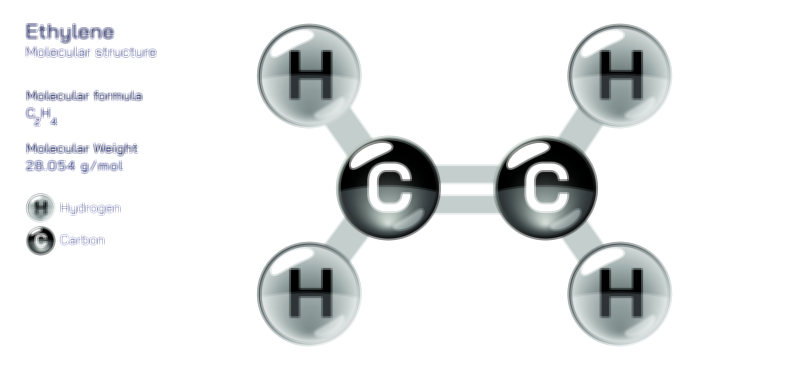
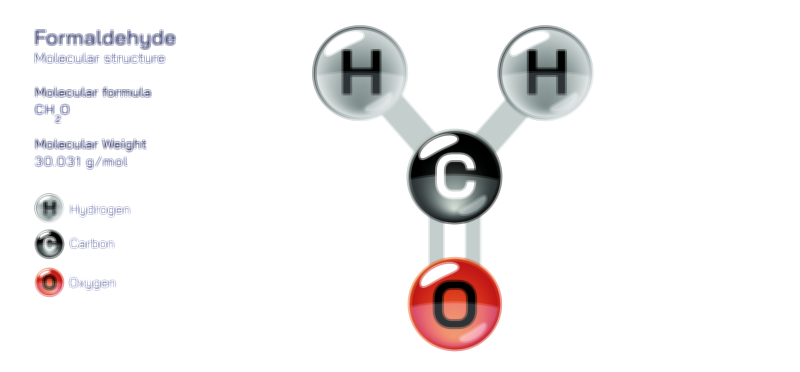
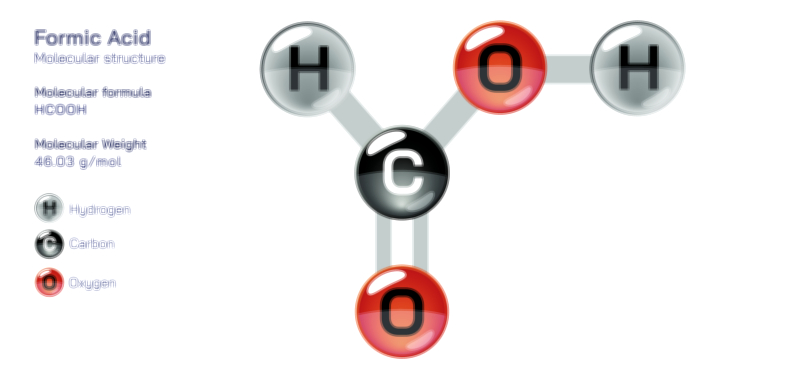
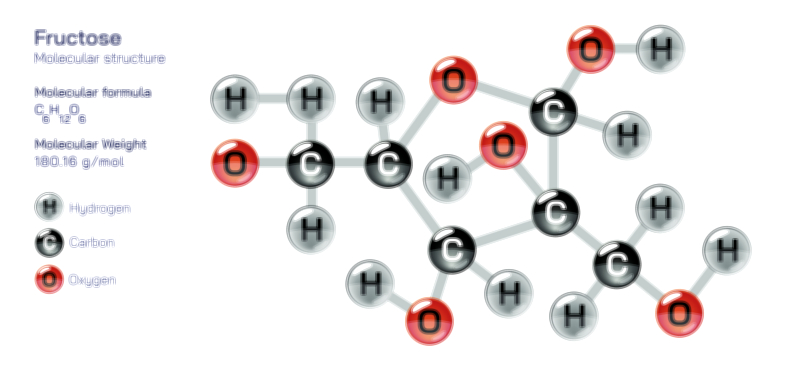
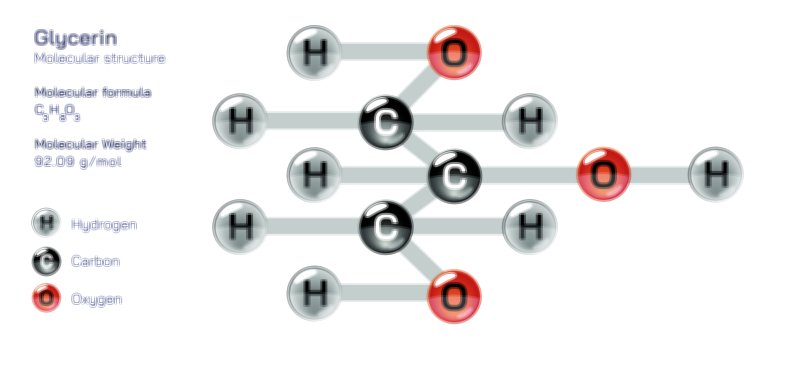
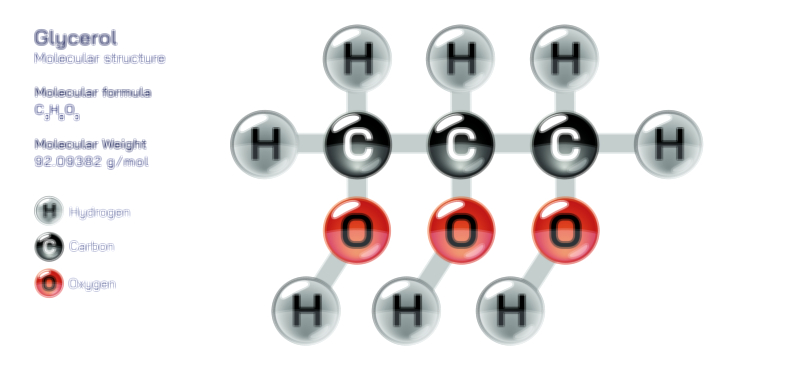
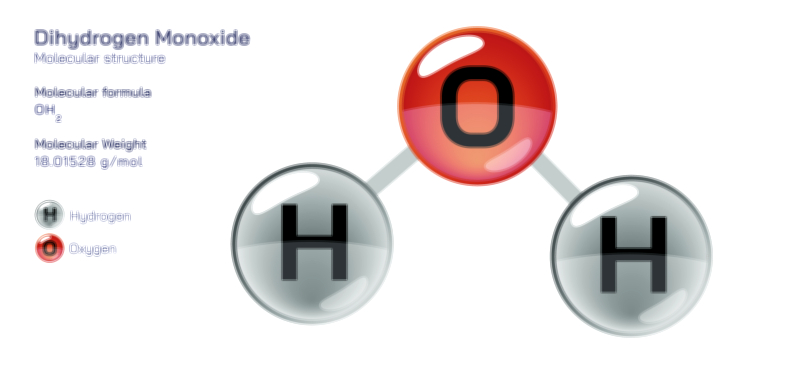
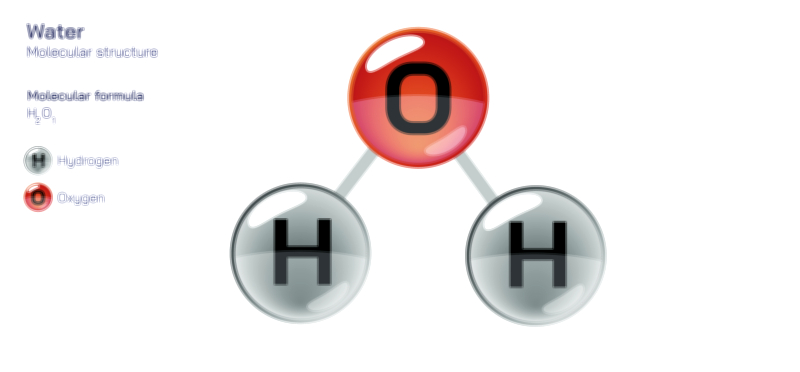
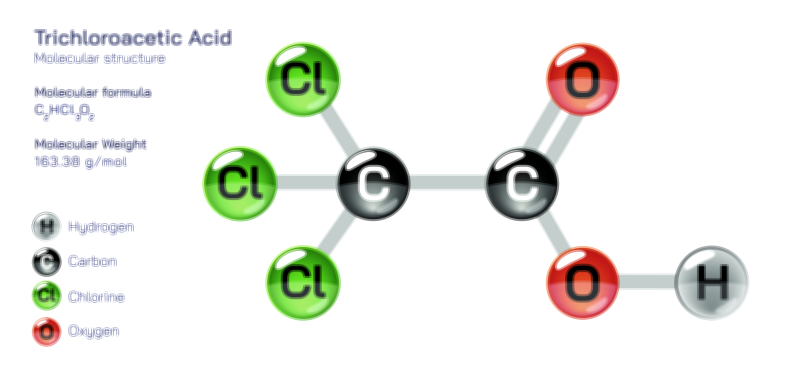
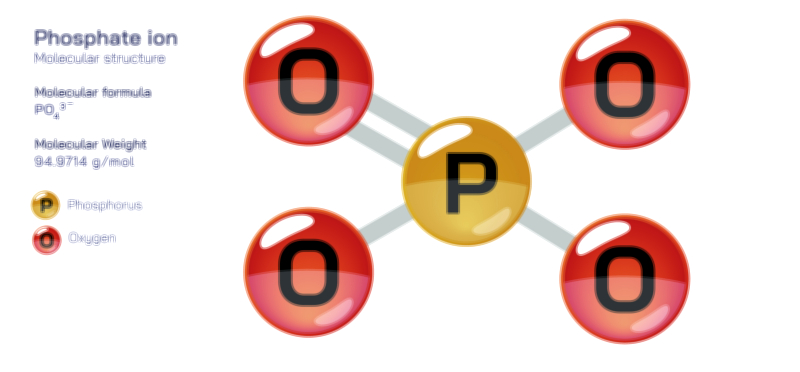
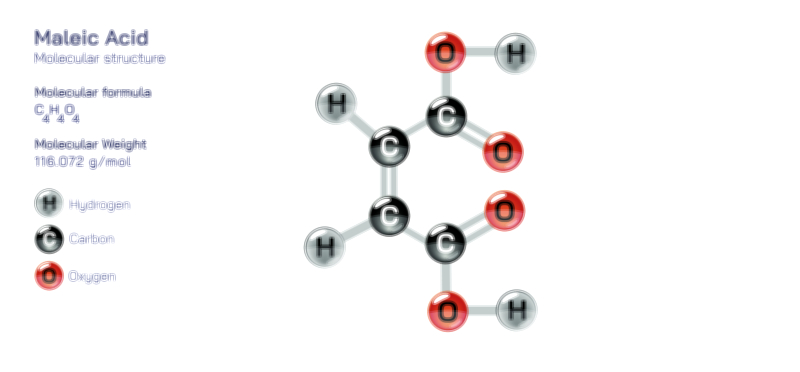
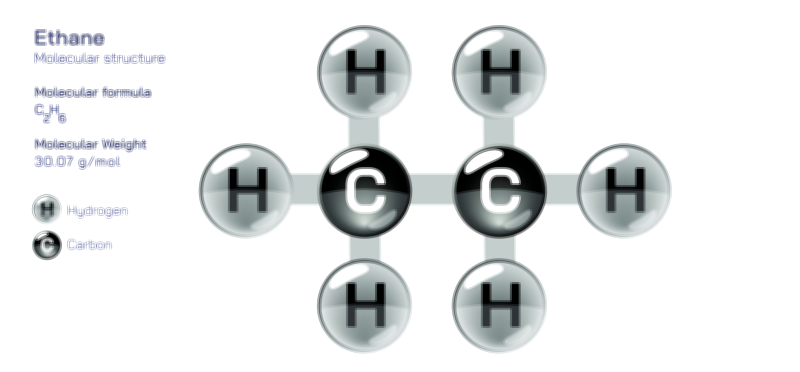
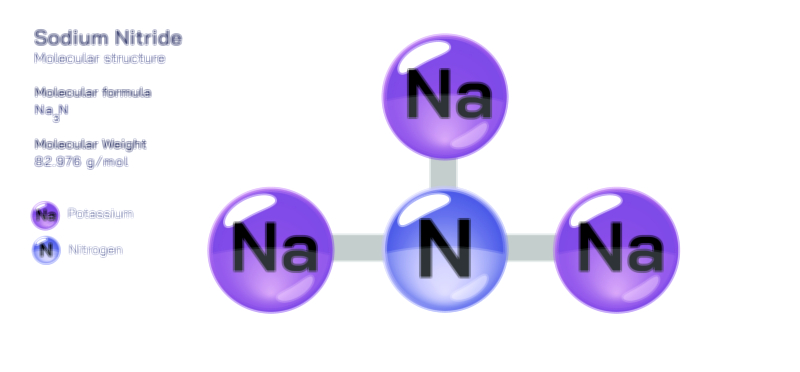
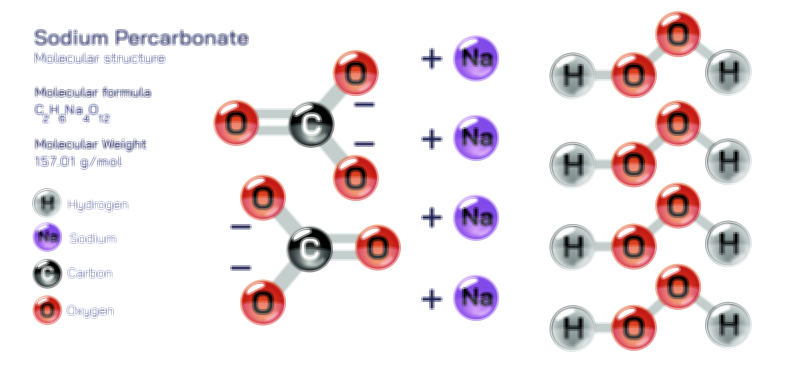
Visual illustrations are powerful tools for molecular interpretation. They often show molecules in 3D representations, highlighting atomic positions, bond types, and molecular geometry. These visualizations make complex concepts accessible for students, researchers, and educators by providing a clear understanding of molecular arrangement and interaction. Vector diagrams, molecular models, and computer-generated illustrations further aid comprehension by demonstrating spatial relationships and dynamic interactions between molecules.
Molecular interpretation also plays a vital role in drug design, material science, and nanotechnology. Understanding how molecules interact allows scientists to design targeted drugs that bind specifically to biological molecules, create materials with desired chemical properties, or manipulate nanoscale structures for technological applications. In addition, interpreting molecular interactions is essential for environmental science, helping predict how molecules in pollutants, water, or soil behave and interact with ecosystems.
In educational contexts, molecular interpretation enhances learning by connecting abstract chemical or biological principles to tangible visual models. Teachers use illustrations to explain molecular geometry, bonding, functional groups, and interaction patterns. These visual tools make it easier for students to grasp difficult concepts, fostering deeper understanding and retention. Interactive digital simulations also allow learners to manipulate molecules, rotate structures, and observe interactions in real time.
In conclusion, molecular interpretation is a critical process in understanding the fundamental building blocks of matter and life. By examining molecular structures, bonding patterns, and interactions, scientists and educators can uncover insights into chemical reactions, biological processes, material properties, and technological innovations. Visual and interactive representations of molecules enhance comprehension, making molecular interpretation an essential concept in chemistry, biology, education, and scientific research.