Magnesium Oxide — Molecular Structure and Composition
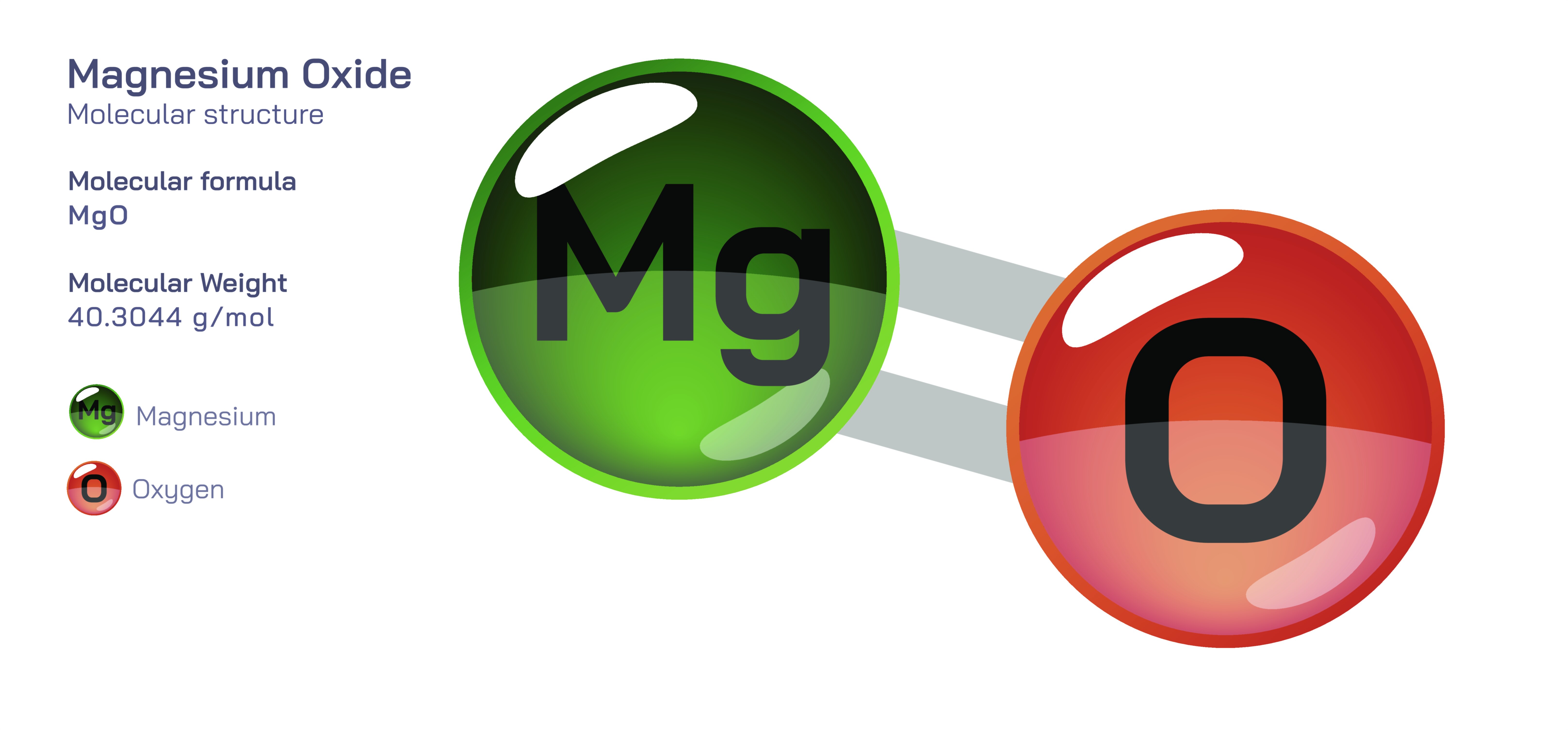
Magnesium oxide is an important inorganic compound best represented by the formula MgO, and it stands as one of the most widely studied and technologically meaningful metal oxides in modern materials science due to the way its molecular structure directly influences its physical strength, thermal resistance, bioactivity, and broad industrial versatility. At the molecular level, magnesium oxide is composed of one magnesium atom bonded to one oxygen atom through strong ionic attraction, with the magnesium ion carrying a divalent positive charge and the oxygen ion holding a divalent negative charge. This charge-based bonding arrangement leads to the formation of a highly stable crystalline lattice in which each magnesium ion is surrounded by six oxygen ions and each oxygen ion is surrounded by six magnesium ions in a three-dimensional arrangement known as the rock-salt structure. This dense, tightly packed lattice creates extraordinary thermal and mechanical stability, giving magnesium oxide one of the highest melting points among metal oxides and allowing it to withstand temperatures that break down many other materials. The structural integrity observed at both microscopic and macroscopic levels explains why magnesium oxide appears in industries that depend on fire resistance, thermal insulation, chemical stability, and high-temperature performance. Although MgO appears simple in formula, subtle variations in particle size, purity, crystallinity, and defect distribution profoundly affect its behavior, giving rise to a broad spectrum of specialized uses ranging from medicine to metallurgy.
In biological and medical contexts, magnesium oxide plays a dual role as a gentle source of magnesium and as a safe alkaline compound capable of neutralizing stomach acidity. When magnesium oxide reacts with gastric fluid, it produces magnesium ions that contribute to physiological processes and mild hydroxide formation that reduces excessive acidity. For decades it has been used in antacid preparations for relief from heartburn, indigestion, and acid reflux without causing abrupt changes in the internal chemical environment. At higher controlled doses, the compound also functions as an osmotic laxative by drawing water into the intestines and assisting bowel movement, which has made it a standard therapeutic choice for occasional constipation in both clinical and over-the-counter formulations. Beyond digestive support, magnesium ions derived from magnesium oxide contribute to metabolic pathways that include neuromuscular regulation, enzymatic reactions, cellular energy conversion, and structural support within bones. Although elemental magnesium is essential for life, magnesium oxide supplements require careful dosing because excessive intake can lead to imbalances in individuals with kidney problems or electrolyte sensitivities. Nevertheless, when properly administered, magnesium oxide remains one of the most trusted and widely available magnesium supplements due to its ease of handling, affordability, and long-term safety record.
One of the most defining features of magnesium oxide is its exceptional heat tolerance, a direct consequence of its molecular structure, which enables it to maintain chemical and physical stability even under extreme thermal stress. This property has made magnesium oxide a cornerstone material in refractory technologies, where it is used to produce refractory bricks, crucibles, kiln linings, furnace insulation, ceramic components, and protective coatings for equipment exposed to molten metals or aggressive high-temperature industrial environments. As global demand for steel, glass, cement, non-ferrous metals, and high-temperature catalysts has increased, the role of magnesium oxide has become even greater, contributing both to the energy efficiency and durability of heavy industrial operations. High-purity grades of MgO also play a vital role in nuclear reactor engineering, aerospace materials, and foundry technologies due to their ability to withstand radiation, thermal shock, and mechanical stress simultaneously while exhibiting low reactivity with surrounding materials. The crystalline structure of magnesium oxide guides the flow of heat so effectively that it is routinely incorporated into insulating boards, thermal barriers, and fire-resistant panels that protect buildings, electronic components, and mechanical systems from heat damage.
Magnesium oxide also exhibits significant importance in environmental and chemical processing industries thanks to its strong affinity for acidic substances and its ability to neutralize environmental contaminants. Wastewater treatment plants frequently apply magnesium oxide to adjust acidity, support precipitation of heavy metals, enhance flocculation, and promote more efficient biological treatment cycles. The compound’s mild yet effective alkalinity makes it safer and less corrosive than stronger bases such as sodium hydroxide or lime, reducing damage to equipment and limiting sudden fluctuations in chemical balance. In flue gas desulfurization systems, magnesium oxide assists in capturing sulfur dioxide generated by fossil fuel combustion, thereby reducing atmospheric pollution and helping power plants meet regulatory standards. In agricultural settings, magnesium oxide is applied to soils that are overly acidic or deficient in magnesium, supporting the growth of magnesium-dependent crops by restoring the nutrient balance needed for chlorophyll synthesis and energy transfer. When used carefully, magnesium oxide improves plant vitality and crop yield, although excessive application must be avoided to prevent soil imbalance or interference with the absorption of other essential minerals.
The molecular composition of magnesium oxide also contributes to its growing relevance in advanced research fields such as nanotechnology, catalysis, electronics, and bioceramics. When synthesized in nanoscale forms, magnesium oxide exhibits enhanced surface area, altered electronic properties, improved adsorption capacity, and unique catalytic behavior that differ meaningfully from bulk material. Nanostructured MgO has been explored for its ability to trap pollutants, support catalytic reactions, improve polymer strength, and integrate with organic and inorganic compounds in hybrid materials. In biomedical research, magnesium oxide nanoparticles have been examined for controlled magnesium release, biocompatibility, and antibacterial activity, opening potential applications in dental materials, orthopedic implants, targeted therapy systems, and tissue regeneration scaffolds. In electronics and optical engineering, ultrathin magnesium oxide layers are used as insulating interfaces in semiconductor devices, tunneling barriers in spintronic memory elements, and protective coatings in laser materials due to their stable band gap and predictable dielectric properties. These emerging applications reveal how small adjustments to particle morphology, lattice variation, or interface chemistry can transform magnesium oxide from a conventional industrial material into a strategic component of futuristic technologies.
In food and consumer product industries, magnesium oxide is used in more subtle ways that reflect its safety and predictable functionality. It appears as a firming agent in food processing, as a pH stabilizer in beverage and dairy manufacturing, and as a flow improver in powdered nutritional supplements. In cosmetics and personal care formulations, magnesium oxide assists with oil absorption, odor control, and gentle pH balancing without irritating the skin, which allows it to appear in deodorants, skincare creams, sunscreen stabilizers, and mineral-based cosmetic powders. The steady and non-reactive nature of the mineral improves product longevity and consistency, supporting the stability of ingredients that may otherwise degrade or react under normal storage conditions.
Despite its broad advantages, magnesium oxide requires proper handling procedures to maximize performance and ensure safe use. Its reactivity with water and moisture leads to the formation of magnesium hydroxide, and in some applications this transformation is desired while in others it must be avoided. Storage methods therefore depend heavily on the intended application, ranging from open-air exposure in agricultural settings to airtight, moisture-controlled environments in laboratory or semiconductor work. Additionally, while magnesium oxide is considered a safe compound, inhalation of fine dust should be avoided in industrial workplaces through the use of proper ventilation and personal protective equipment. The compound is not flammable nor corrosive, but its ability to raise pH must be respected in contexts where biological systems or sensitive materials can be affected.
Overall, magnesium oxide exemplifies how a seemingly simple compound can have immense global influence when its molecular architecture aligns with strong chemical, physical, and environmental functionality. Its ionic structure produces thermal durability, chemical stability, and bioactive behavior that allow a single mineral to contribute to healthcare, heavy industry, agriculture, environmental protection, emergent nanotechnologies, food processing, and consumer products with equal significance. Whether serving to protect a furnace lining from extreme heat, supporting a crop in nutrient-poor soil, soothing digestive discomfort in the human body, stabilizing the dielectric layer of a microelectronic system, or promoting the sustainability of industrial emissions control, magnesium oxide remains a material of exceptional reliability and growing scientific interest. As research advances in sustainable materials, energy-efficient manufacturing, and biocompatible technologies, the molecular composition of MgO continues to offer fertile ground for innovation, making it not only a cornerstone of traditional industries but also a key component in shaping the next era of technological and environmental progress.