Antibody and Antigen — Understanding Recognition and Defense in the Immune System
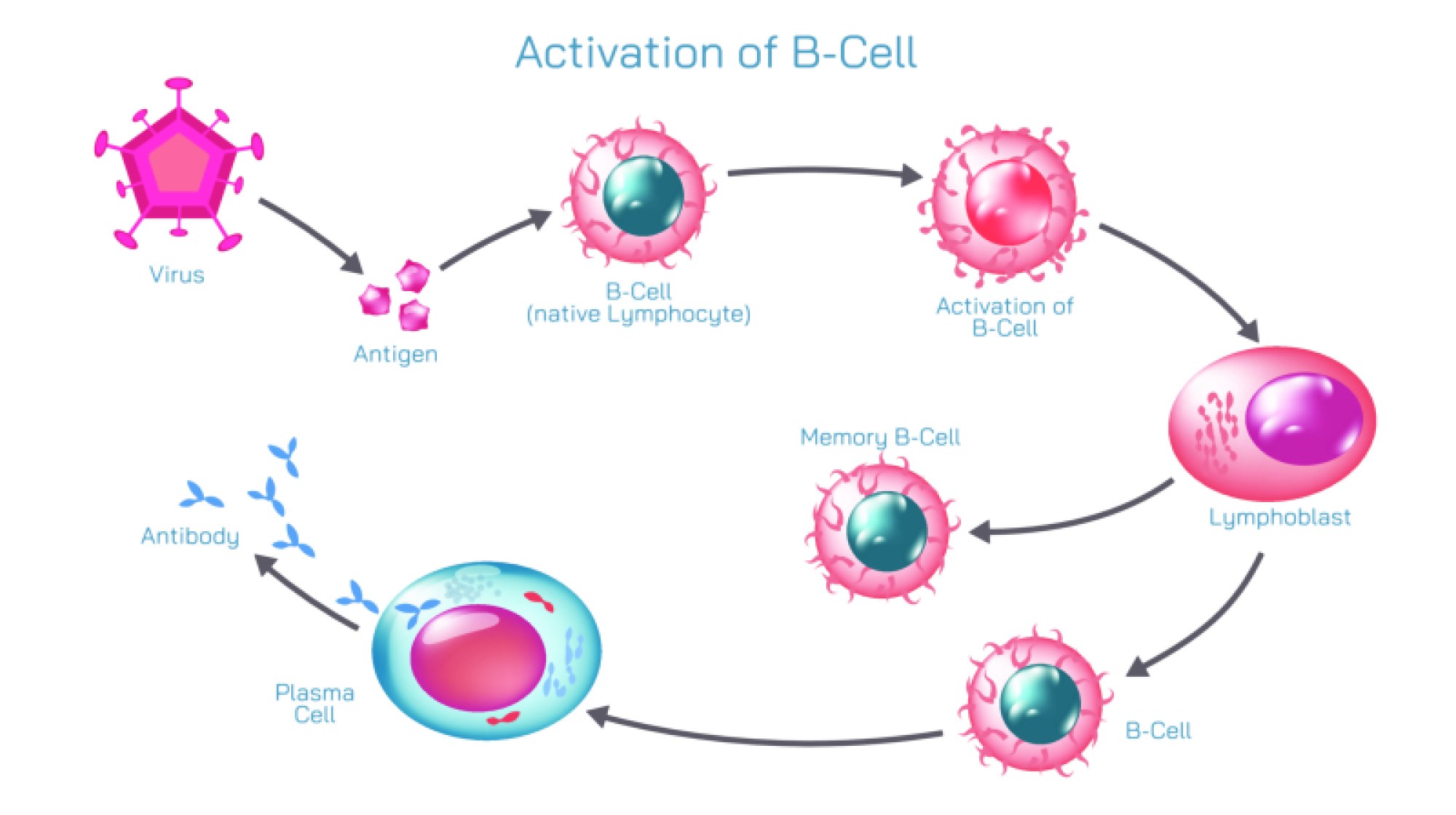
Antigens and antibodies form the core of the body’s ability to recognize and respond to harmful elements. An antigen is any substance that triggers a protective response. It may come from invading organisms, environmental particles, or altered body structures. These substances carry unique features that make the immune system treat them as foreign. When the body identifies these markers, it prepares a targeted action to block their effects. The recognition of an antigen is the first step in the larger defense pattern that keeps the internal environment safe.
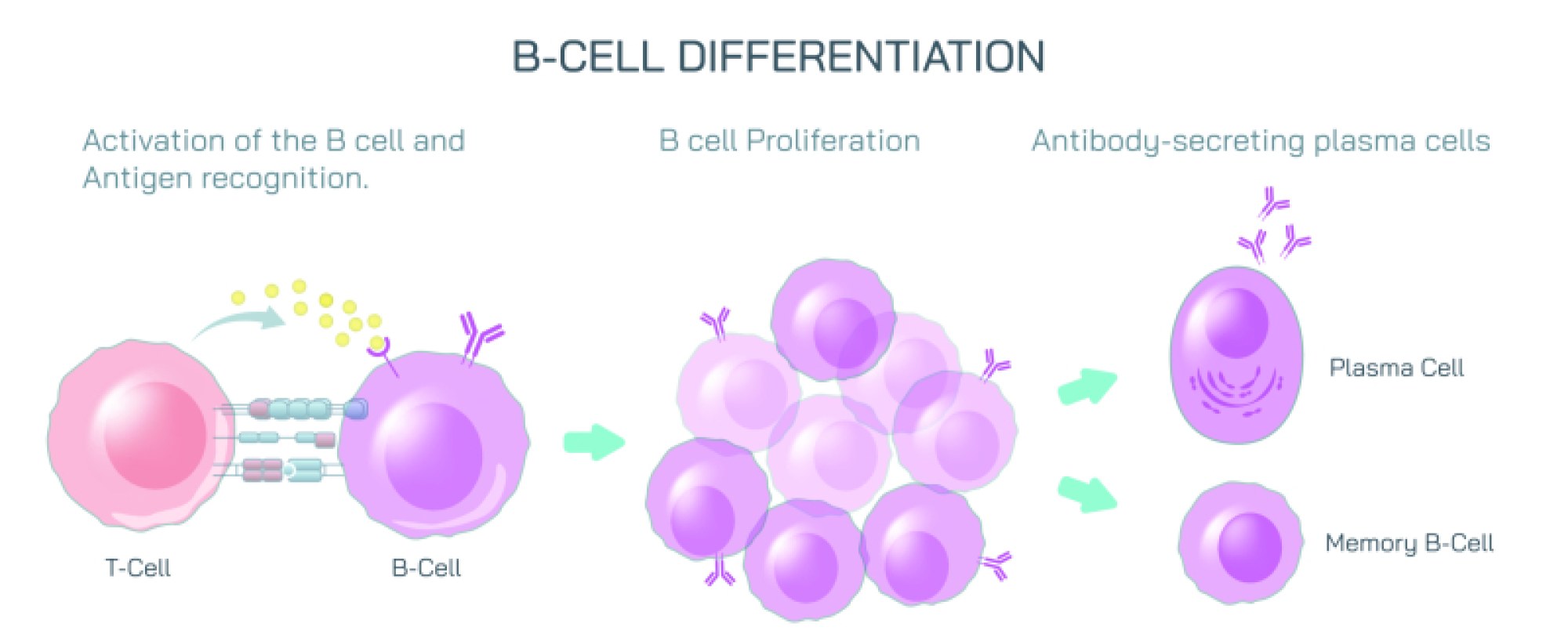
Antibodies are special protein structures created by specific immune cells in response to these foreign markers. Once produced, they circulate through the body, constantly watching for the antigen they match. Their design enables them to connect to the target with remarkable precision. This connection does not act alone; it signals the rest of the system to begin further steps. These steps may include marking the target for removal or preventing the harmful substance from attaching to sensitive body areas. In this way, antibodies work as protective tools that allow the immune system to track, identify, and limit harmful intruders.
The interaction between an antigen and its matching antibody forms the basis of targeted immunity. When they meet, the antibody attaches to a specific region on the antigen. This bond acts like a lock-and-key pattern, allowing accurate detection even when many particles are present. Once attached, the immune system can send additional cells to clear the marked substance. The link also reduces the ability of the intruder to move, spread, or affect other tissues. This controlled response helps maintain balance and prevents harmful particles from overwhelming the system.
These protective patterns help the body remember past encounters. After exposure, the system stores information linked to the antigen, allowing a faster reaction during future contact. This memory explains why certain infections do not return easily and why some protective methods rely on controlled exposure. By preparing antibodies ahead of time, the body becomes ready to act quickly when the same antigen appears again. This stored recognition strengthens long-term defense and improves survival against repeated challenges.
Understanding antigens and antibodies helps reveal how the internal defense system operates with both speed and precision. Their partnership shows how the body can identify and respond to a wide range of threats. This relationship also plays a major role in health studies, laboratory analysis, and medical procedures. By learning how these two structures communicate and act, one gains clearer insight into the protective design of the human body and the complex methods it uses to maintain stability in changing environments.