Phosphorus Element Explained: Properties, Allotropes, and Biological Importance Illustrated
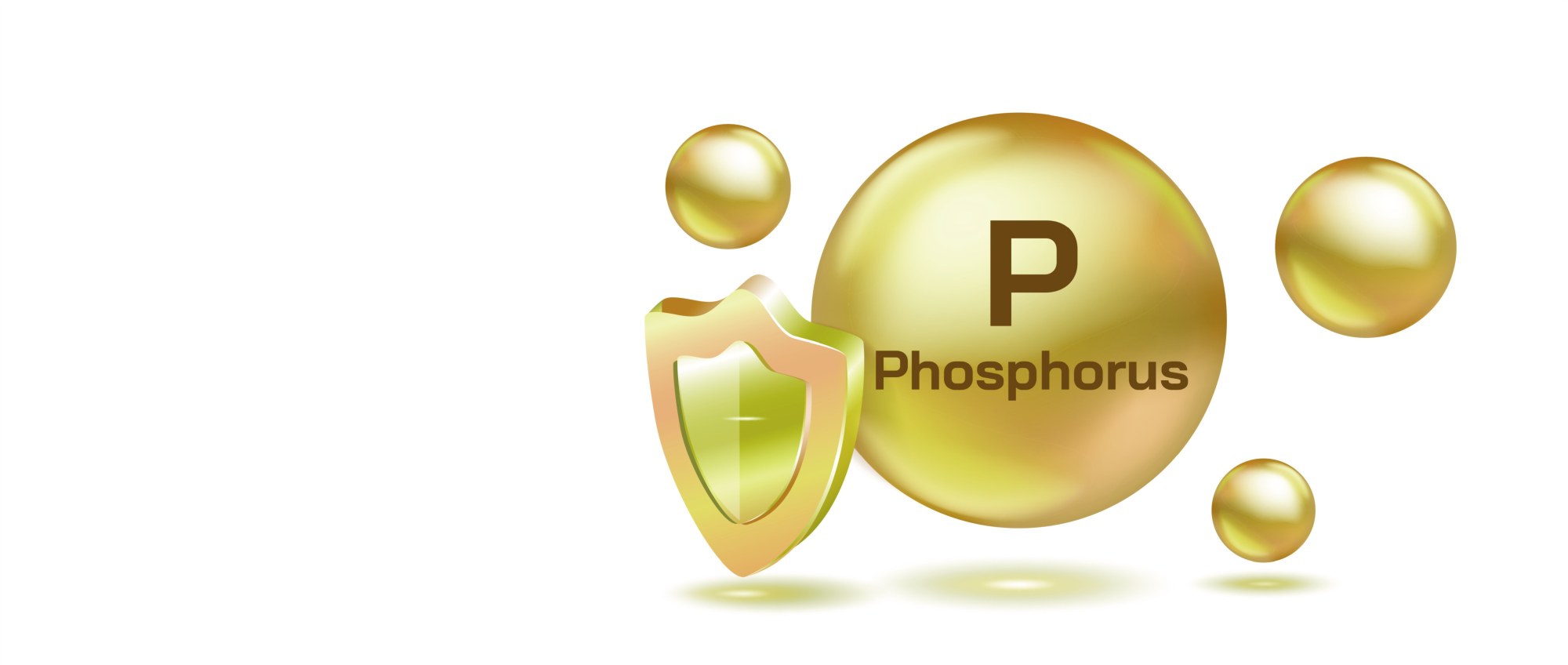
Phosphorus is a vital non-metallic chemical element with the symbol P and atomic number 15, playing a crucial role in both industrial applications and biological systems. Known for its unique chemical reactivity and diverse allotropes, phosphorus is essential for energy transfer, genetic material, and cellular structure. A vector illustration of phosphorus typically integrates atomic structure, physical and chemical properties, allotrope forms, and biological roles, providing a visually engaging and educational representation suitable for chemistry and biology learning. By combining labeled atomic diagrams, color-coded allotropes, and functional annotations, such illustrations allow learners to understand both the fundamental chemistry of phosphorus and its critical role in living organisms.
At the center of the illustration is the atomic structure of phosphorus, depicted as a Bohr-style model or simplified electron cloud diagram. Labels identify the protons (15), neutrons (commonly 16 in ^31P), and electrons (15), arranged in electron shells (2, 8, 5). Color coding differentiates inner and outer electron shells, highlighting the valence electrons responsible for chemical bonding. Insets may show electron configuration [Ne] 3s²3p³, explaining phosphorus’s ability to form various oxidation states (+3 and +5), which underlie its versatile chemical behavior.
Surrounding the atomic structure, the illustration highlights physical properties. Labels indicate that phosphorus exists as a soft, waxy solid at room temperature, with low density (~1.82 g/cm³ for white phosphorus) and high reactivity, especially in air. Color gradients distinguish white, red, and black phosphorus, emphasizing differences in appearance, stability, and structure. Additional labels highlight that white phosphorus is highly reactive and toxic, whereas red and black phosphorus are more stable, providing a visual hierarchy of chemical reactivity.
Allotropes of phosphorus are depicted prominently. White phosphorus is illustrated as tetrahedral P₄ molecules, showing its cubic arrangement and reactivity. Arrows indicate that exposure to air leads to spontaneous combustion at moderate temperatures. Red phosphorus is depicted as a polymeric network of linked phosphorus atoms, more stable and used in safety matches. Black phosphorus is shown with layered, crystalline structure, resembling graphite, highlighting its semiconducting properties. Insets and labels indicate bond angles, molecular arrangements, and relative stability, providing insight into how atomic structure affects chemical and physical behavior.
The illustration includes chemical properties and reactions. Arrows indicate oxidation to form phosphoric acid (H₃PO₄) and other phosphorus oxides, as well as reduction or combination reactions in industrial contexts. Labels emphasize the role of phosphorus compounds in fertilizers, detergents, and industrial chemicals, visually connecting elemental properties to practical applications. Magnified insets may show phosphorus bonding in P₄ or phosphate ions, reinforcing molecular understanding.
A section of the illustration highlights biological importance. Arrows and labels indicate that phosphorus is a key component of DNA, RNA, ATP, and phospholipids, linking elemental chemistry to cellular function. Color-coded overlays highlight phosphate groups in nucleotides, illustrating how phosphorus contributes to genetic information storage, energy transfer, and cell membrane structure. Additional arrows indicate its role in bone formation (hydroxyapatite), signaling pathways, and metabolic regulation, providing a comprehensive view of biological relevance.
Vector diagrams may also include isotopic and atomic data, such as atomic mass (~30.97 u), electronegativity (~2.19 on the Pauling scale), and melting/boiling points for different allotropes. Arrows or callouts indicate how isotopic variations are used in tracing biochemical pathways or industrial processes. Color coding differentiates isotopes, allotropes, and compounds, providing clarity in visual learning.
By combining atomic structure, electron configuration, physical and chemical properties, allotrope visualization, and biological significance, a vector illustration of phosphorus provides a complete understanding of the element’s chemistry and functional importance. Labeled components, directional arrows, color gradients, and magnified insets allow learners to integrate theoretical knowledge with practical and biological applications.
Ultimately, a phosphorus vector illustration demonstrates the interconnection between atomic structure, chemical reactivity, allotrope diversity, and essential biological roles. Through labeled atomic diagrams, allotrope depictions, compound formation, and biological annotations, the diagram transforms abstract chemistry concepts into an educational, visually engaging, and intuitive tool for students, educators, and researchers in chemistry and biology.