Cosine Function — Understanding Wave Behavior and Angle Relationships in Trigonometry
The cosine function is one of the essential ideas in trigonometry and mathematical analysis, known for its smooth repeating wave pattern and strong connection to angles. It helps describe how quantities change in a rhythmic manner, making it a valuable tool in studying motion, geometry, and signals found in both natural and engineered systems. The function represents how a value shifts as an angle moves through different positions, creating a pattern that rises, falls, and repeats in a steady cycle. This movement appears in many branches of study, from physics to engineering and everyday observations of patterned motion.
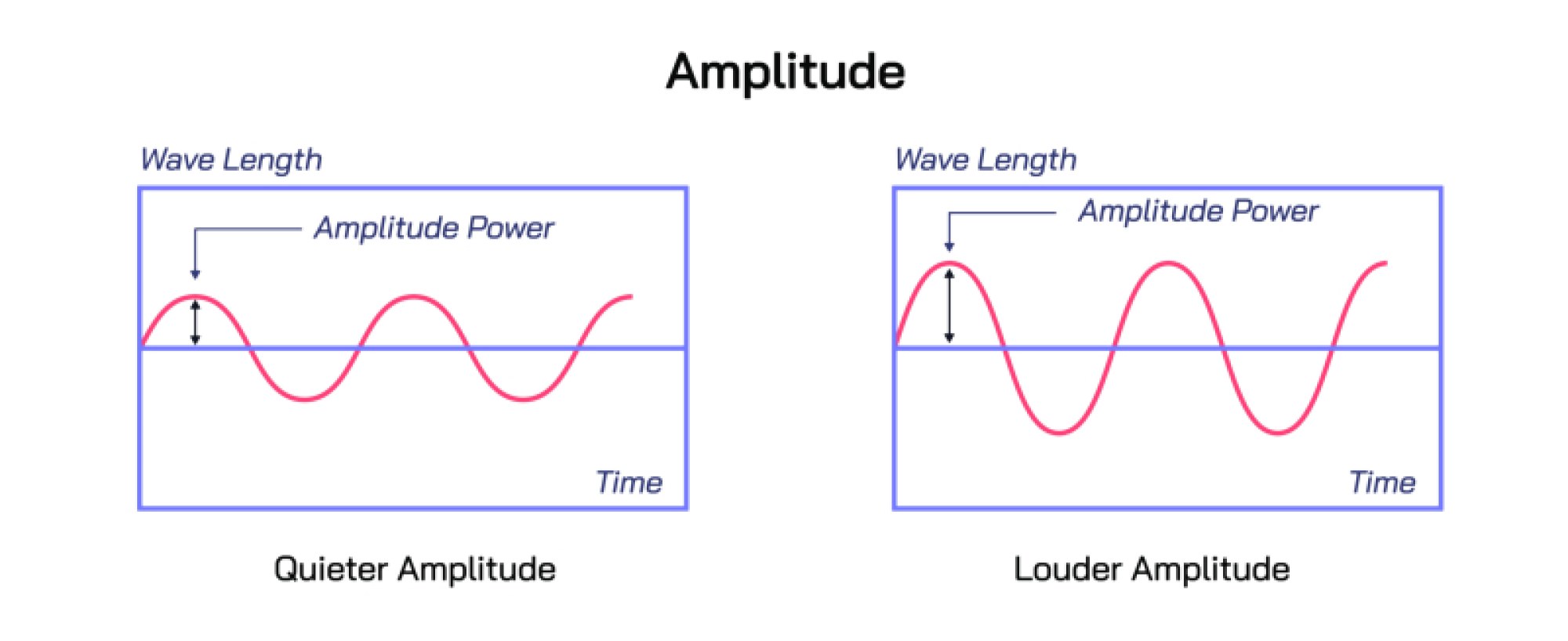
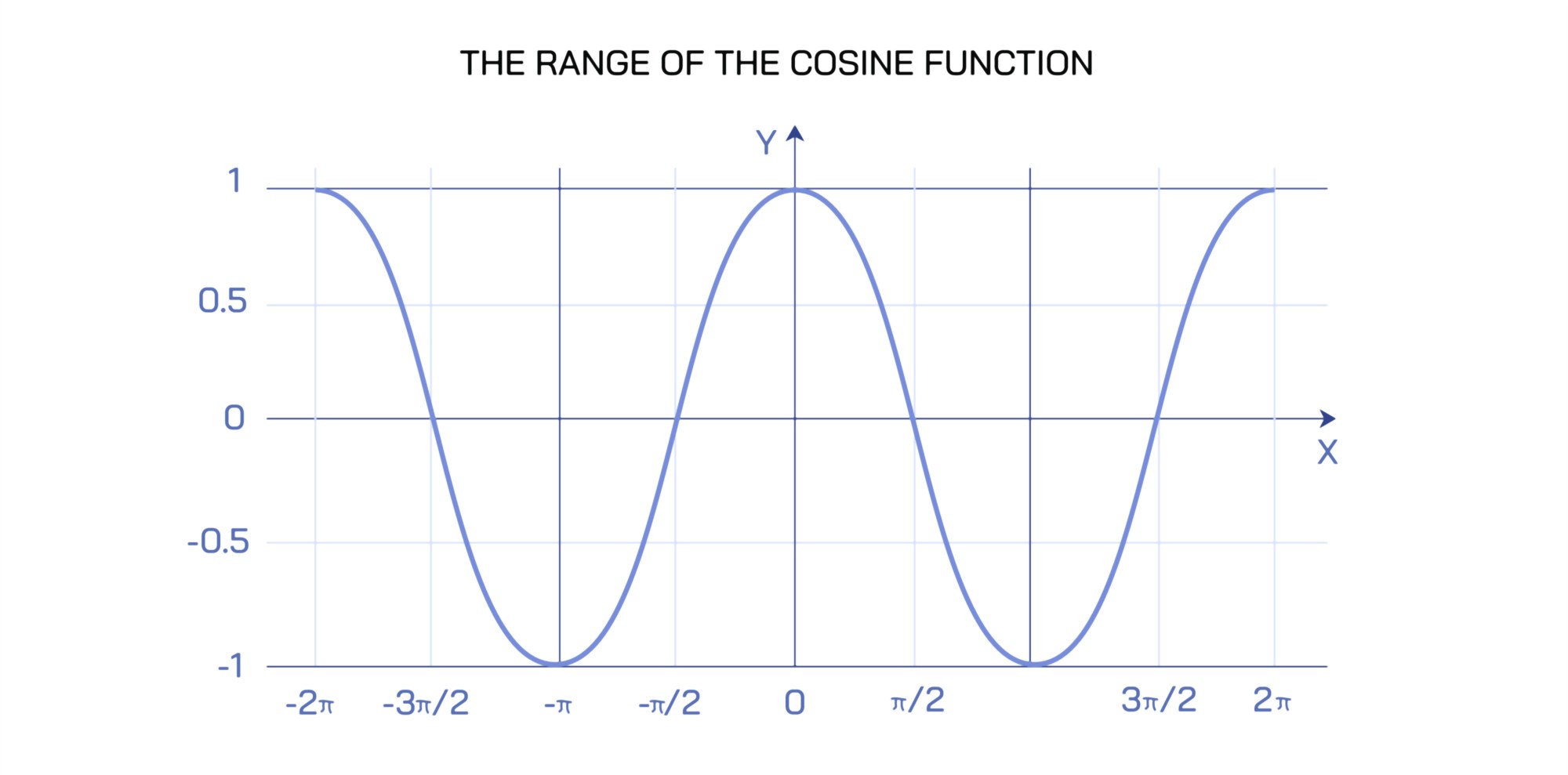
One of the most recognizable features of the cosine function is its wave shape. As the angle changes, the output moves from a high point to a low point and returns again with complete regularity. This cycle shows how the function can model smooth motions that repeat over time. The consistent rise and fall make it ideal for describing patterns such as seasonal change, circular motion, or signal variation. Its even and balanced structure allows learners to visualize how a value linked to rotation or vibration behaves as the angle progresses through a full cycle.
The cosine function also has a close relationship with geometric ideas. When thinking about a rotating line or a point moving around a circle, the horizontal component of that motion follows the same pattern as the cosine value. This makes it a powerful tool for translating circular behavior into understandable, predictable patterns. When objects move in a steady rotation, their horizontal displacement can be matched to the structure of the cosine curve. This connection helps learners interpret physical movement, predictable cycles, and angular changes without relying on complex descriptions.
Beyond pure mathematics, the cosine function appears in many forms of natural and technological behavior. Waves that travel through different substances often follow patterns shaped by cosine-like motion. Vibrations in strings, shifting light signals, and changing energy patterns frequently display behaviors influenced by this function. Its stable and repeating structure makes it suitable for describing sound waves, alternating signals, or any system that repeats a regular cycle. These connections highlight how a simple mathematical idea supports detailed analysis of movement, rhythm, and measurable change.
The steady form of the cosine function also helps explain how systems respond under controlled conditions. When studying motion that occurs back and forth or energy that shifts in predictable timing, the cosine shape provides a clear way to follow these variations. This predictability is why the function is widely used in design, analysis, and scientific modeling. It helps identify repeated behavior, anticipate future movement, and interpret complex systems in a structured way.
Understanding the cosine function allows learners to appreciate how mathematics captures the rhythm of many natural patterns. Its smooth shape, link to rotation, and repeating nature provide insight into processes that operate in cycles. By exploring this function, students gain a deeper sense of how angles, motion, and patterned behavior connect in both theoretical and practical settings.