Detailed Explanation of Diabetes Type One and Type Two and How They Affect the Body
Diabetes represents a condition where the body cannot manage sugar levels effectively, leading to changes in energy use and overall function. The two main forms, type one and type two, differ in their origins and the way the body responds to internal signals. While they share similar effects on sugar balance, the underlying mechanisms that create each form follow unique patterns and timelines.
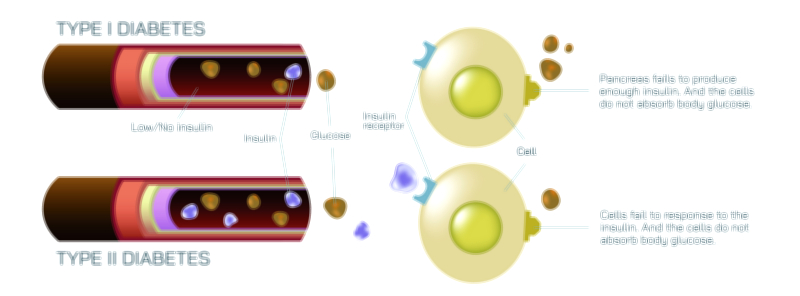
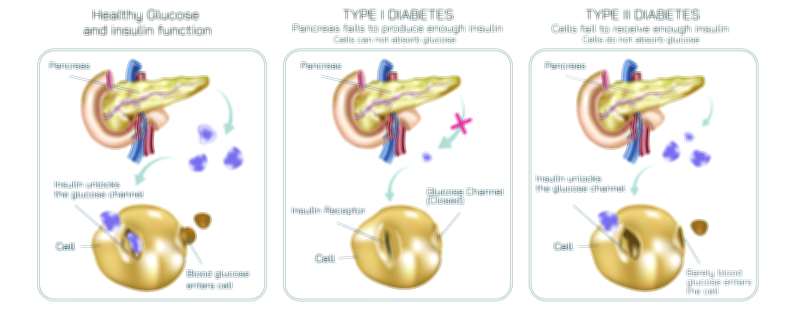
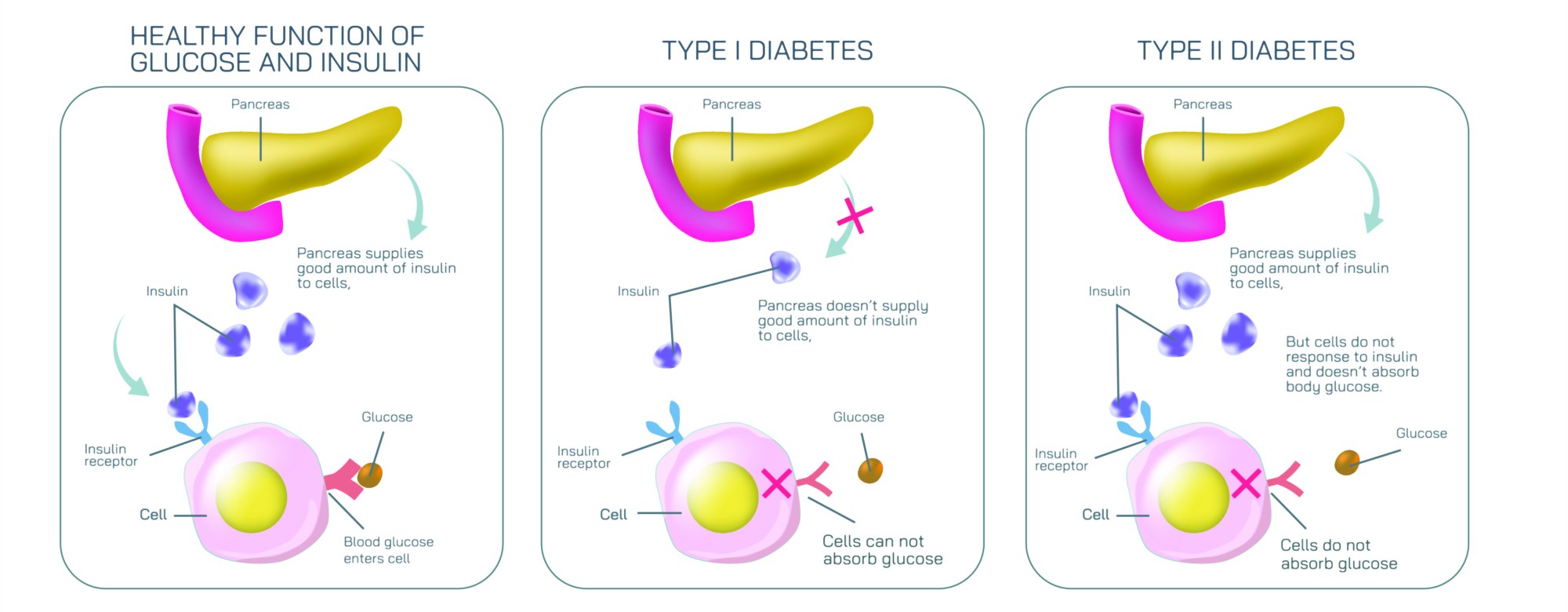
Type one involves a situation where the body’s internal defense system affects the region responsible for producing insulin. Insulin serves as the key signal that allows sugar to enter cells and supply energy. Without adequate production, sugar remains in the bloodstream instead of moving into cells. This form often begins earlier in life, progresses quickly, and requires steady external support to maintain balanced levels. Individuals with this form depend on controlled support methods to supply the missing signal and keep sugar levels within a healthy range.
Type two develops differently. In this form, the body still produces insulin, but the cells do not respond to it well. This reduced response slows the movement of sugar into the cells, causing levels in the bloodstream to rise. Over time, the region that produces insulin may become strained and produce less than before, further affecting sugar control. Type two often develops gradually and is influenced by daily habits, internal patterns, and long-term body changes. Many individuals maintain balance through structured routines, guided movement, and supportive plans that strengthen the body’s ability to use its signals effectively.
Both forms affect the way the body uses fuel, leading to shifts in energy, focus, and overall comfort. Understanding how each form behaves helps learners see why sugar levels rise, how the body adapts, and why steady management is essential. It also highlights the importance of recognizing early signs, understanding internal processes, and supporting the system through consistent routines and mindful care. This knowledge builds a clear foundation for deeper study of human biology, body regulation, and metabolic function.