Bronchitis — Understanding Airway Inflammation and Breathing Difficulty
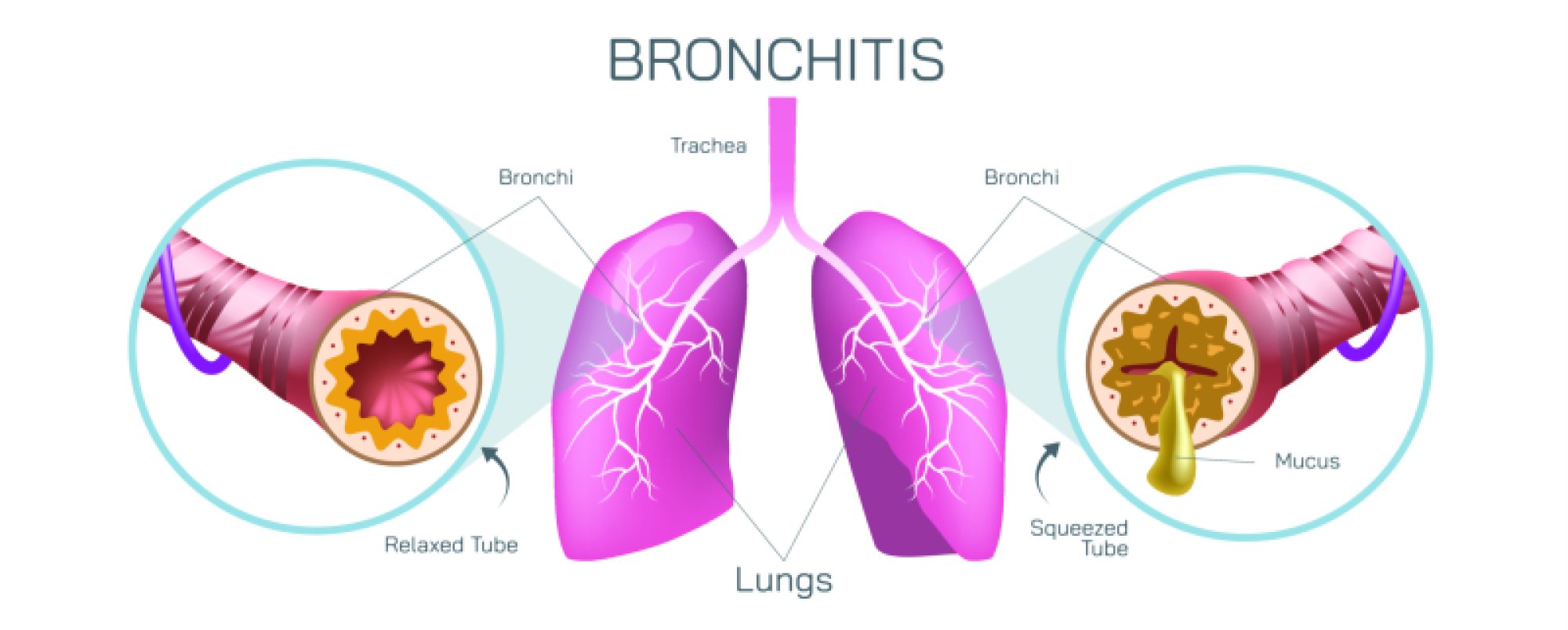
Bronchitis is a condition that affects the tubes carrying air into and out of the lungs. These tubes, known as the bronchi, help move air smoothly so the body can take in oxygen and release waste gases. When the lining of these tubes becomes irritated, they react by swelling, becoming more sensitive, and producing excess mucus. This change often leads to discomfort, difficulty in breathing, and a persistent cough. The process affects airflow and creates a feeling of heaviness or tightness in the chest, making daily activities more challenging.
There are two major patterns commonly seen in bronchitis. One pattern appears suddenly and may follow a seasonal illness. This form often develops when irritants or certain agents affect the airway lining, causing a sharp rise in mucus and sudden inflammation. People may notice a strong cough that brings up thick fluid, along with chest soreness due to constant irritation. The symptoms may last for a short period, and the body slowly clears the irritation once the triggering factor fades.
The other pattern of bronchitis tends to last longer and develops slowly over time. This form often appears in people who are exposed to ongoing irritants, leading to repeated inflammation in the bronchi. As the airway lining continues to react, the tubes become sensitive and swollen more often. This ongoing cycle results in frequent coughing, thick mucus, reduced airflow, and recurring chest discomfort. The breathing process becomes tiring because the irritated tubes narrow, making air movement less smooth.
The physical discomfort caused by bronchitis usually arises from the changes happening inside the airway lining. When the tubes swell, space inside them becomes smaller, creating resistance to airflow. The added mucus further narrows the passage, and the body attempts to clear this mucus by causing repeated coughing. This protective mechanism helps remove the thick material but can also irritate the lining even more. As the irritation grows, breathing becomes less efficient, and the chest muscles must work harder.
Environmental and lifestyle factors also play a role in the development or worsening of bronchitis. Irritants can disturb the airway lining and push the bronchi into an inflamed state. Repeated exposure increases the chance of long-term sensitivity. Some individuals may also be more prone due to the condition of their airway lining or overall respiratory health. These factors together shape how long the symptoms last and how intense they become.
Understanding bronchitis helps individuals and learners recognize how delicate the airway structures are and how easily they can react when irritated. The condition shows how inflammation in the bronchi can disrupt the balance needed for smooth breathing. It highlights the importance of protecting the lungs, avoiding harmful exposures, and taking care of the respiratory system. By observing these changes, one can better appreciate how small shifts in airway health can influence overall comfort and daily function.