Antigen vs Antibody Explaining Immune Reaction, Defense Mechanism, and Molecular Interaction in Human Immunity
The human immune system protects the body through a highly coordinated defense strategy that depends on the constant ability to identify what belongs to the body and what does not. This recognition process is centered around two key molecular players: antigens and antibodies. Although these terms are often mentioned together, they occupy opposite sides of the immunological battlefield, each performing a distinct and critical role. An antigen is any substance that the immune system identifies as foreign or potentially harmful. An antibody, on the other hand, is a specialized protein produced by immune cells in response to the presence of an antigen. Understanding the difference between antigens and antibodies and how they interact is fundamental to grasping how the body detects, remembers, and neutralizes disease-causing agents.
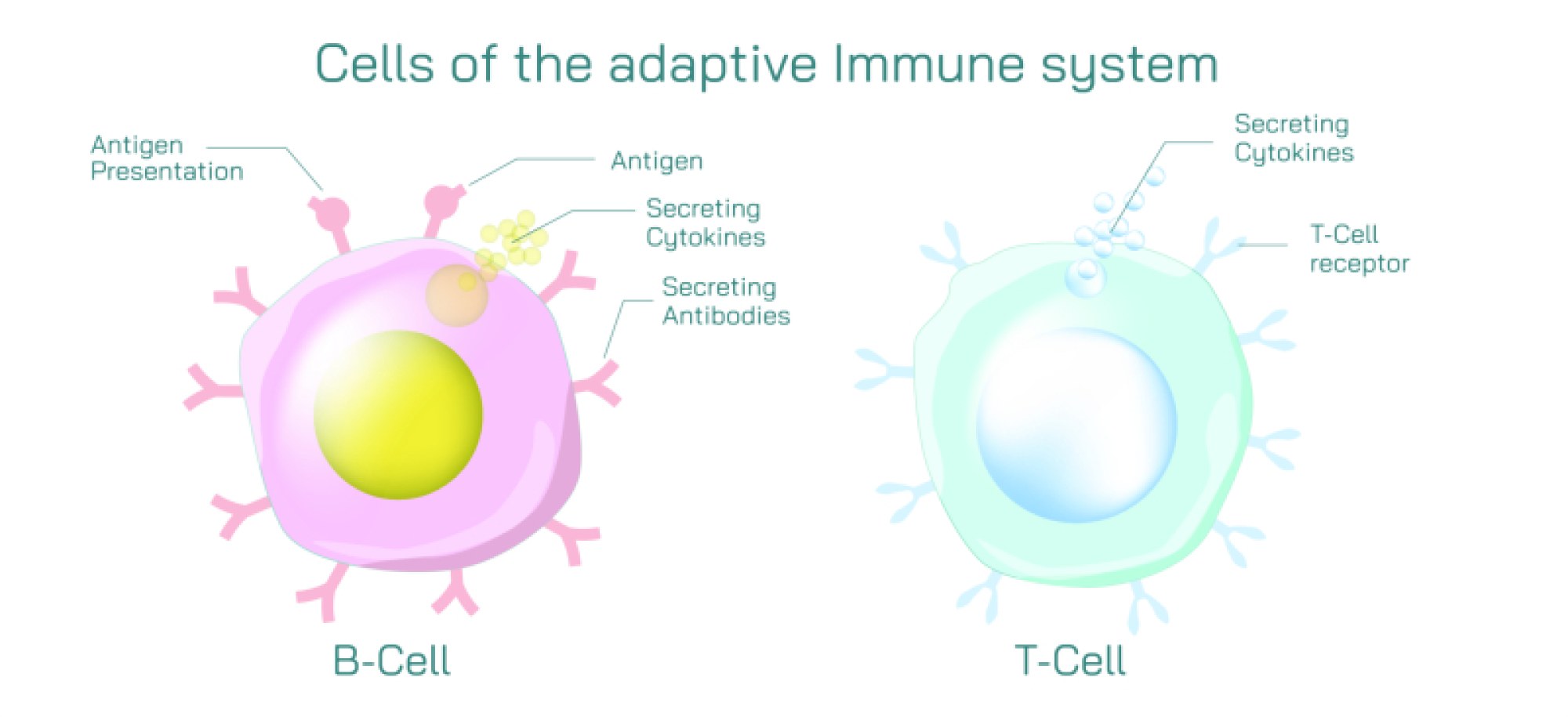
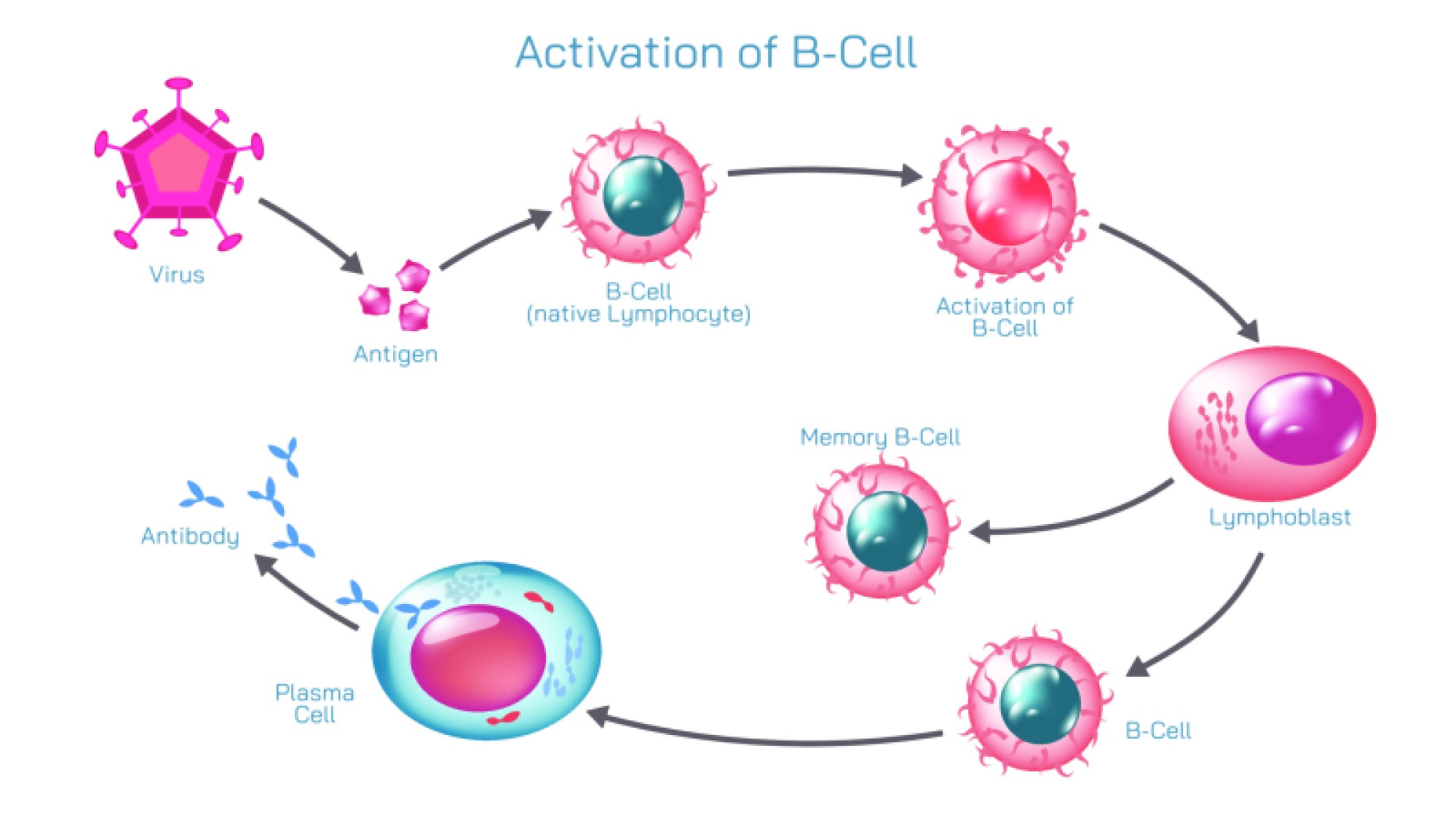
Antigens can originate from a wide variety of sources. They may come from infectious organisms such as bacteria, viruses, fungi, and parasites; they may derive from toxins released by pathogens; or they may be introduced through allergens, transplanted tissues, and even mutated cancer cells. Antigens are usually composed of complex biological molecules—most commonly proteins or polysaccharides—that decorate the surfaces of invading organisms. Their structural patterns serve as identifying tags by which the immune system distinguishes non-self from self. Every antigen possesses specific molecular features called epitopes, small structural regions that the immune system can detect and bind to. A single pathogen can contain hundreds or thousands of different epitopes, meaning one organism can stimulate the production of multiple immune responses simultaneously. The presence of an antigen acts as an alarm signal to the immune system, triggering surveillance cells such as macrophages and dendritic cells to present antigen fragments to lymphocytes, a process that launches the adaptive immune response.
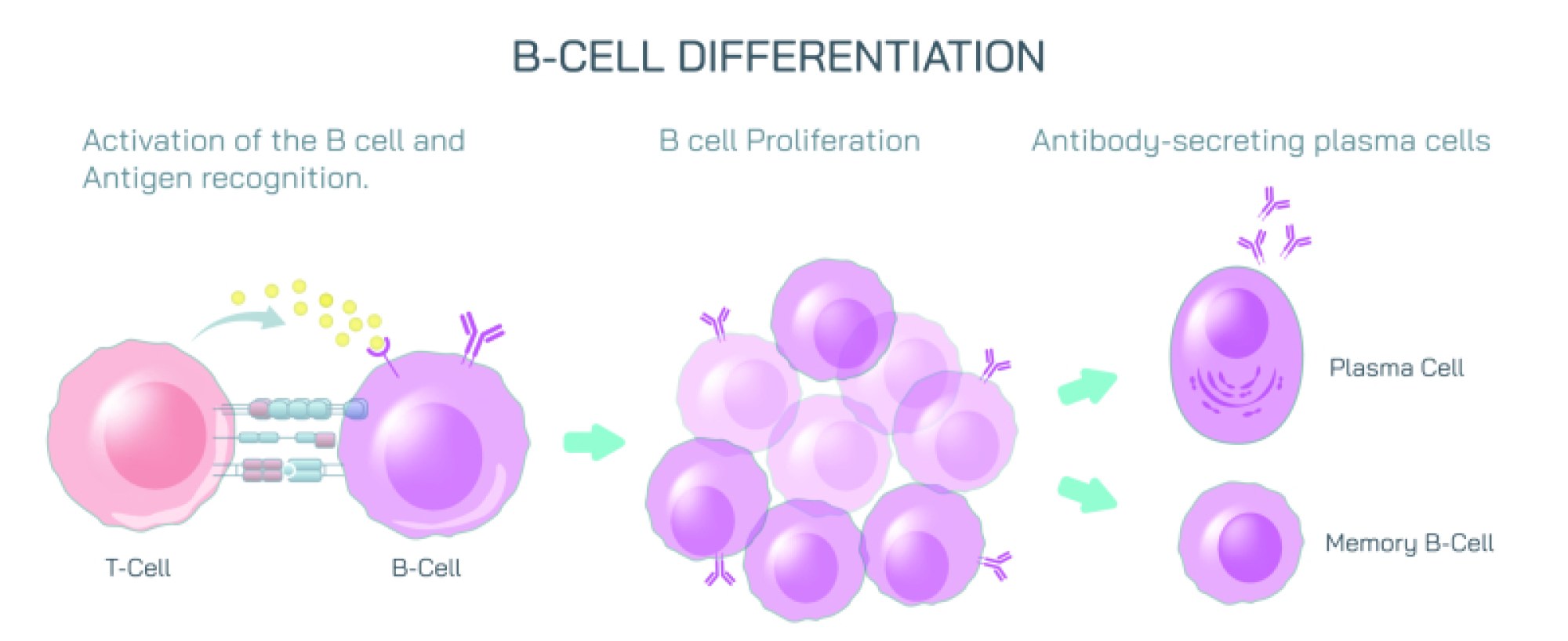
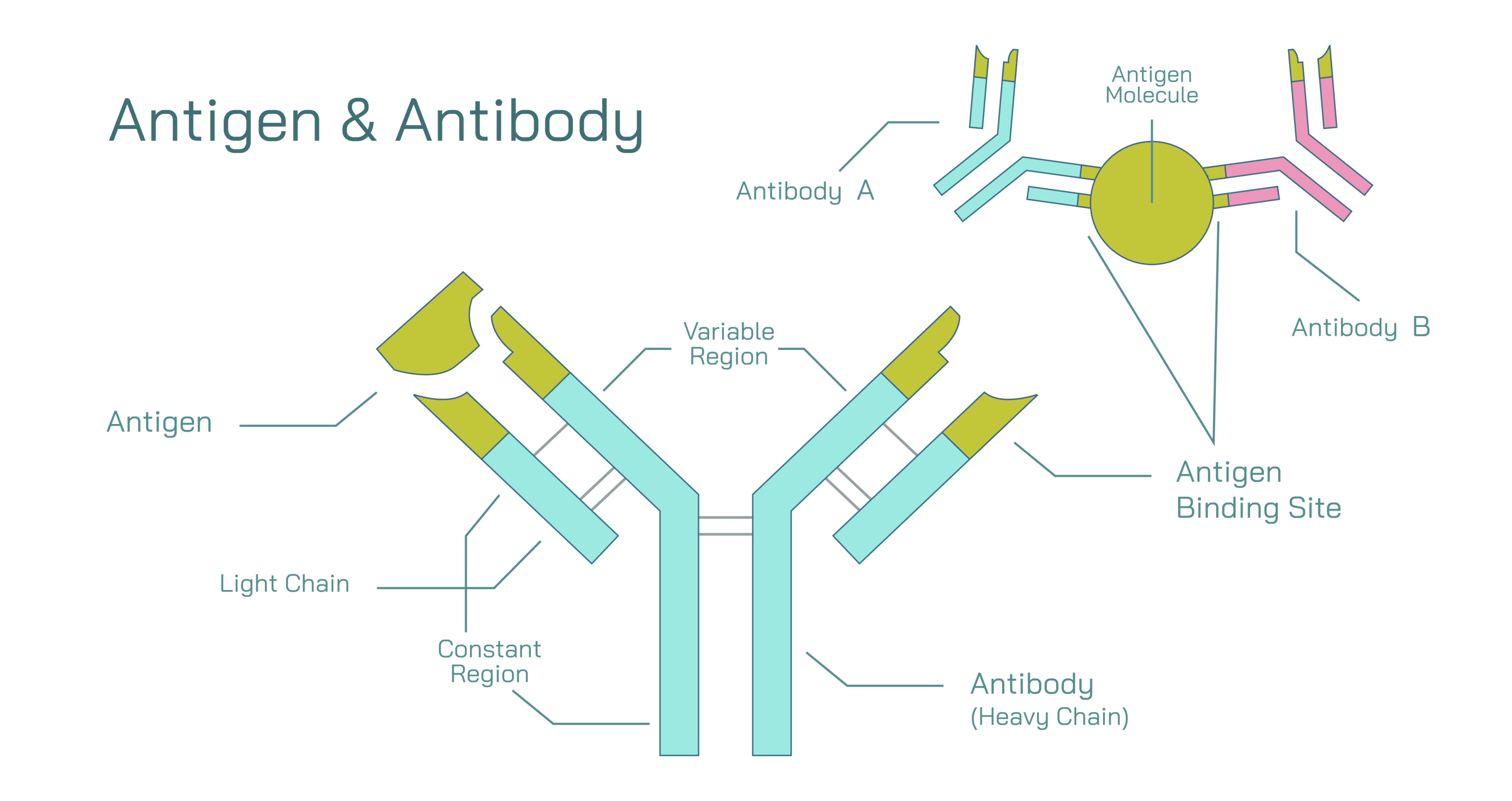
Antibodies, in contrast, are not markers of foreignness but rather molecular instruments of defense, designed to match antigens with incredible specificity. Produced by B lymphocytes that transform into plasma cells after activation, antibodies are shaped like the letter Y, with two identical arms that serve as antigen-binding sites. The variable regions located at the tips of these arms are unique to each antibody and determine which epitope it can bind to. The immune system has the remarkable ability to generate millions of different antibody configurations so that nearly any foreign molecular pattern can be matched with a uniquely tailored response. Once an antibody binds to its corresponding antigen, the interaction triggers a cascade of immune mechanisms that neutralize the threat. This binding event represents the heart of the antigen–antibody relationship: the antigen initiates the immune response, and the antibody executes the defense.
A central feature of antibody action is neutralization. When antibodies bind to antigens on the surface of viruses or bacteria, they may block the pathogen’s ability to attach to or enter host cells, effectively preventing infection. Antibodies can also coat pathogens in a process known as opsonization, marking them for engulfment and destruction by phagocytic immune cells, particularly macrophages and neutrophils. Another powerful mechanism occurs when antibodies trigger the complement system, a network of proteins that puncture pathogen membranes and intensify inflammation, leading to rapid destruction of the invader. In each of these scenarios, the antibody does not destroy the pathogen by itself; rather, it flags or disables the pathogen in a way that allows other immune forces to defeat it more efficiently.
One of the most remarkable elements of antibodies is their role in immune memory. After exposure to an antigen, not all B cells become antibody-secreting plasma cells. Some develop into long-lived memory B cells, which remain dormant in the body for years or decades. If the same antigen reappears later, these memory cells activate rapidly, producing antibodies far faster and in greater quantity than during the first encounter. This is why people who recover from certain infections—and why vaccinated individuals—develop long-term protection. Immunological memory is based on the body’s ability to remember antigens and to store the capacity to generate matching antibodies quickly if the threat returns.
Although antibodies are central to protection, not every immune reaction is beneficial. Sometimes the immune system identifies harmless antigens as dangerous. Allergens such as pollen, dust mites, or certain foods trigger overproduction of antibodies called IgE, which bind to immune cells and cause exaggerated inflammatory responses. This phenomenon illustrates that while antibody-mediated immunity is highly refined, it depends on the accuracy of antigen recognition and immune regulation to prevent unnecessary reactions. Autoimmune diseases present an even more complex situation: the immune system mistakenly identifies the body’s own tissues as antigens and produces antibodies against them, leading to chronic inflammation and tissue damage. In these cases, the distinction between antigens and antibodies remains mechanistically the same, yet the target of the response becomes harmful rather than protective.
The antigen–antibody interaction also forms the basis for many clinical diagnostic and therapeutic strategies. Laboratory tests such as ELISA (enzyme-linked immunosorbent assay), rapid antigen tests, and antibody panels use this binding specificity to detect infections, measure immune activity, or assess past exposure to pathogens. Vaccination relies on the controlled presentation of antigens—either weakened pathogens, fragments of pathogens, or synthetic molecular replicas—to train the immune system safely. By exposing the body to an antigen in a nonthreatening form, vaccinations stimulate memory B cell formation so that future exposure to the real pathogen results in a rapid, antibody-driven protective reaction. In therapeutic medicine, laboratory-engineered monoclonal antibodies have become essential tools for treating cancer, inflammatory disorders, autoimmune diseases, and infectious diseases because they can target specific antigens with precision that pharmaceuticals cannot match.
The interaction between antigens and antibodies therefore forms the cornerstone of adaptive immunity. Antigens act as triggers—foreign molecular signatures that alert the immune system to potential danger. Antibodies act as defenders—adaptable, highly specialized proteins that bind to antigens and orchestrate their elimination. Together, they create a system that not only defends the body against immediate threats but also stores memory of previous encounters, allowing faster and stronger responses in the future. The immune system’s ability to discriminate between self and non-self and to deploy antibody-based countermeasures is fundamental to survival, and the accuracy of this molecular recognition determines whether a response is protective, insufficient, or misdirected.
A complete understanding of human immunity begins with appreciating this powerful molecular partnership. Antigens identify what needs to be addressed, and antibodies determine how that threat is neutralized. Their interaction fuses recognition, precision, memory, and protection into one dynamic biological sequence—ensuring that the body is not merely reacting to the world but learning from every encounter and strengthening its defenses over time.