Vein and Artery — Structure, Functions, and Differences in the Human Circulatory System
Veins and arteries are the main types of blood vessels in the human circulatory system, responsible for transporting blood between the heart and various parts of the body. Both play crucial roles in maintaining efficient circulation, but they have distinct structures, functions, and mechanisms to accommodate the type of blood they carry and the pressures they experience.
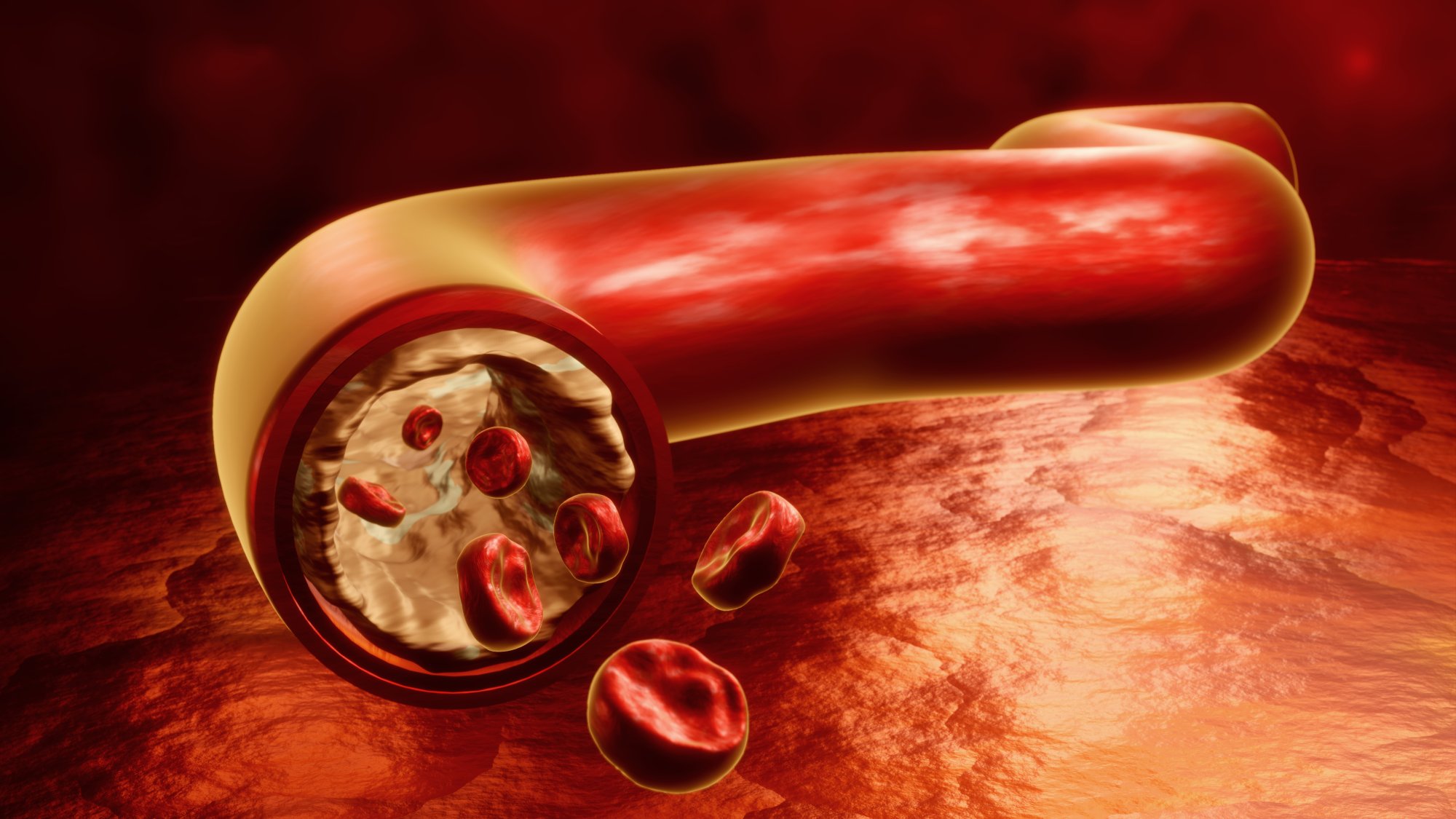
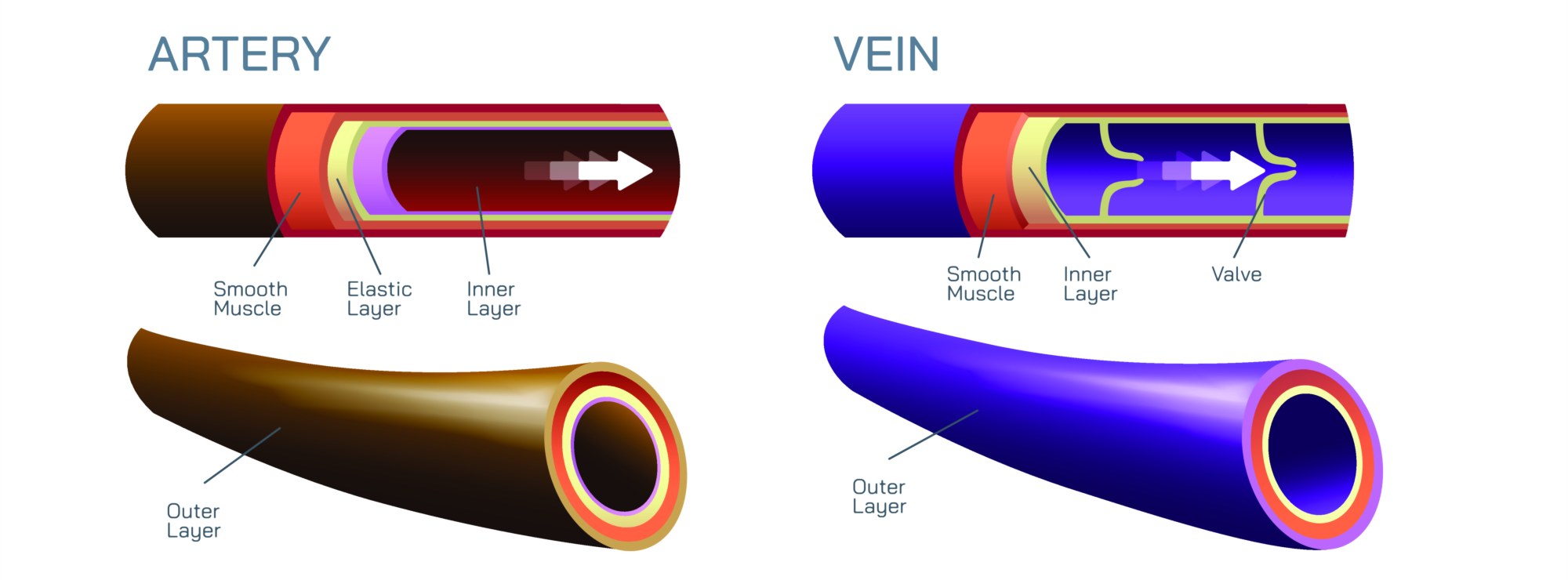
Arteries are blood vessels that carry oxygenated blood from the heart to tissues and organs, with the exception of the pulmonary artery, which carries deoxygenated blood to the lungs. They have thick, elastic walls to withstand high pressure generated by the heart’s pumping action. The elasticity allows arteries to expand and contract, maintaining a steady flow of blood and producing a pulse that can be felt in major arteries like the radial or carotid artery. Arteries branch into smaller vessels called arterioles, which further distribute blood to capillaries for nutrient and gas exchange.
Veins, on the other hand, carry deoxygenated blood from body tissues back to the heart, except for the pulmonary veins that carry oxygenated blood from the lungs. Veins have thinner walls than arteries and a larger lumen, allowing them to carry blood at lower pressure. To assist blood flow against gravity, especially from the lower body, veins are equipped with valves that prevent backflow and ensure one-way circulation toward the heart. Veins converge into larger vessels called venules, which join to form major veins returning blood to the heart.
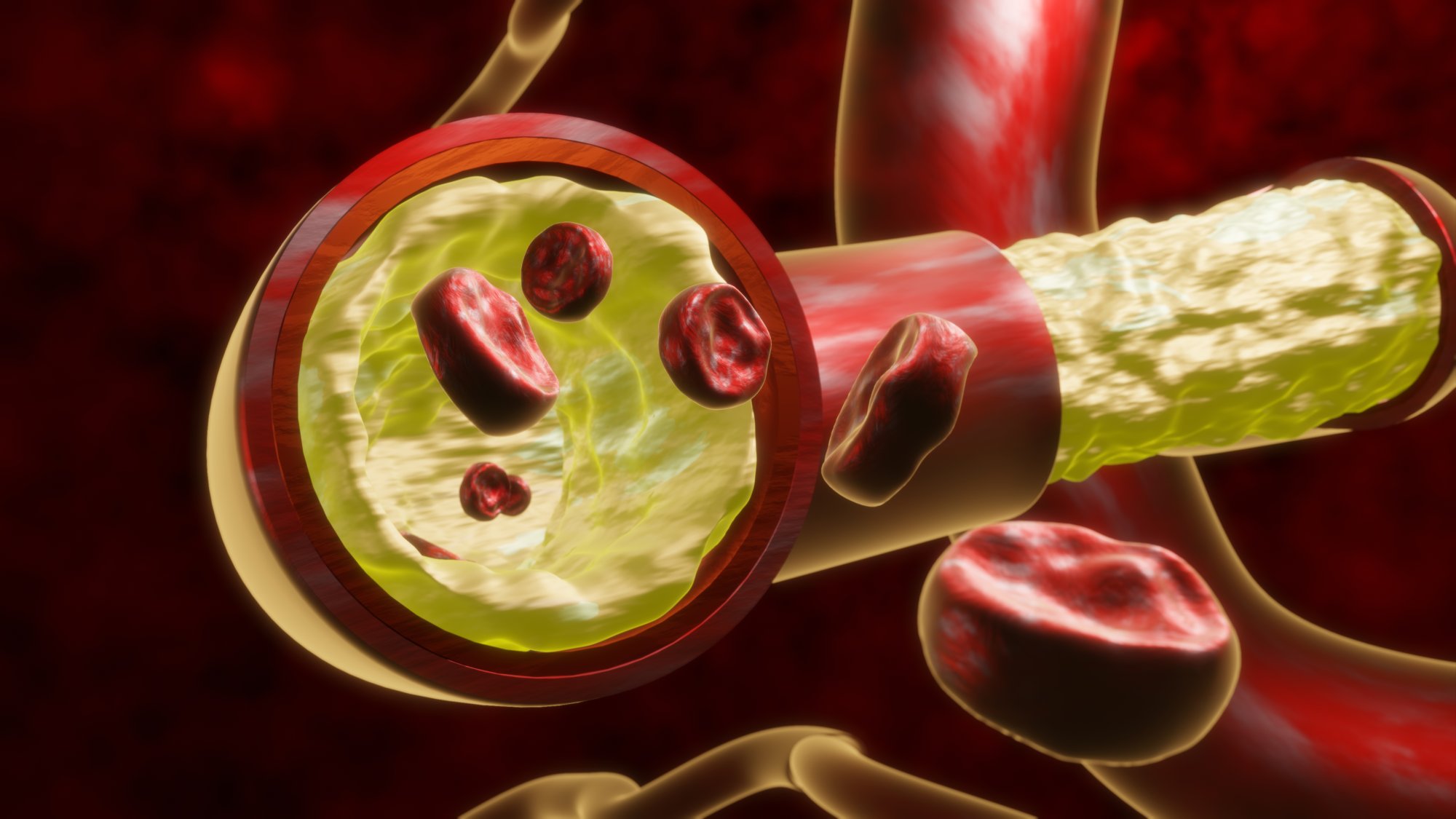
The differences between arteries and veins reflect their functional needs: arteries require strong, elastic walls to handle high pressure, while veins rely on valves and skeletal muscle movement to assist low-pressure blood flow. Understanding these differences is crucial in medicine for diagnosing cardiovascular conditions, administering injections, and monitoring circulatory health. Disorders such as arteriosclerosis, varicose veins, or deep vein thrombosis can arise from structural or functional issues in arteries or veins.
In conclusion, veins and arteries are complementary blood vessels in the human circulatory system. Arteries carry oxygen-rich blood away from the heart under high pressure, while veins return oxygen-poor blood toward the heart at low pressure with the help of valves. Their structural adaptations, such as thick arterial walls and venous valves, ensure efficient blood circulation, support organ function, and maintain overall cardiovascular health. Understanding the differences and functions of veins and arteries is essential for studying human anatomy, physiology, and circulatory system disorders.