Stent in Heart Arteries — Understanding Cardiovascular Treatment and Restoring Blood Flow
Why Stents Are Used in Heart Arteries
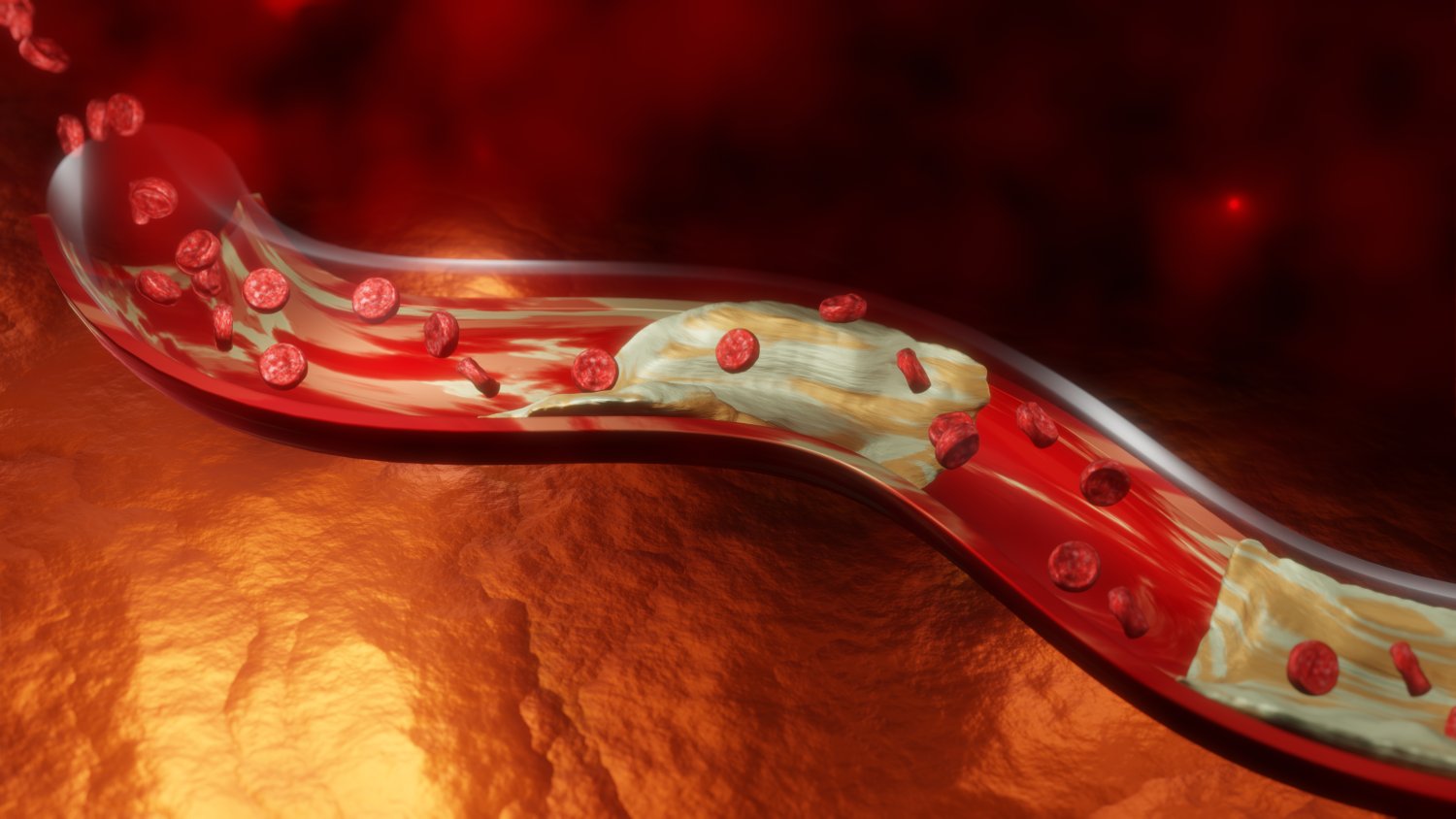
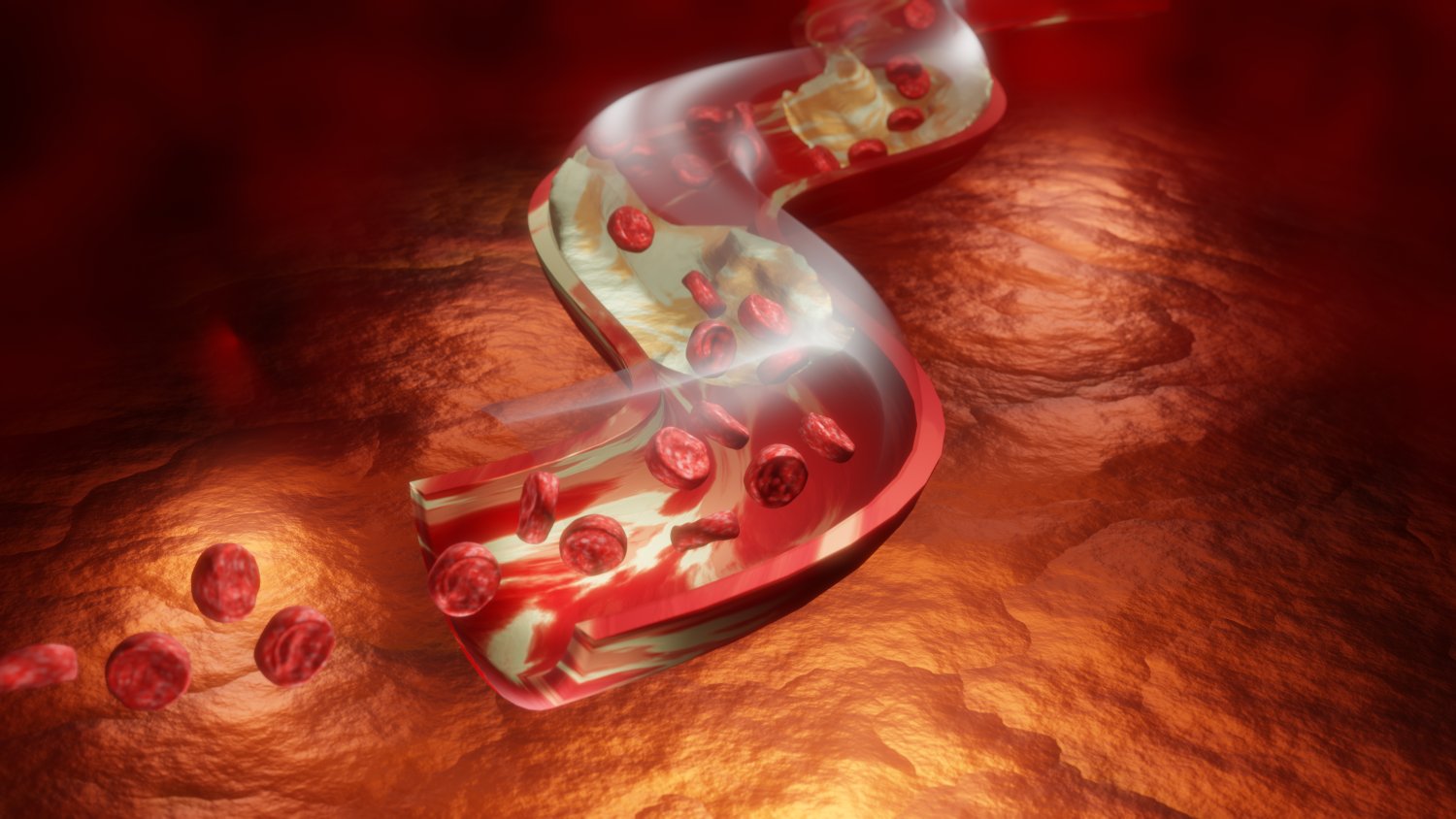
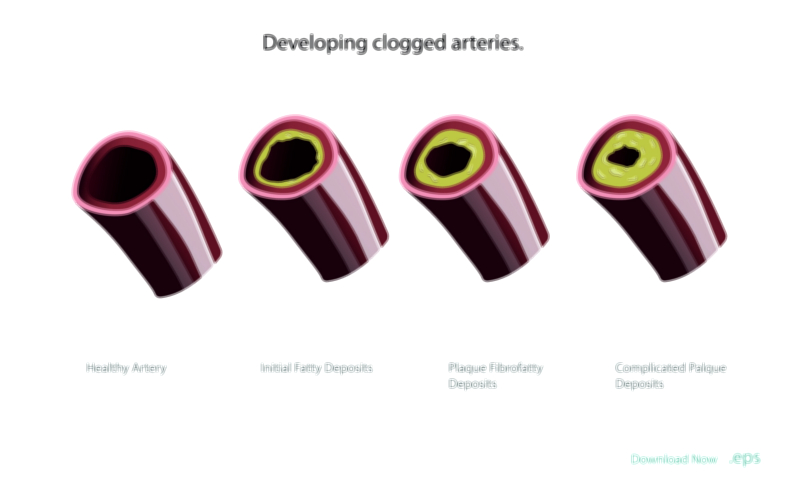
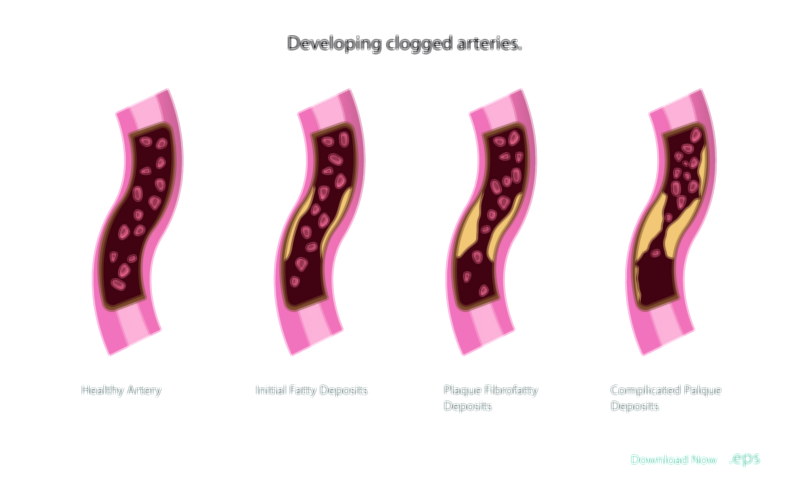
A stent in the heart arteries is a medical device designed to restore smooth, consistent blood flow to the heart when an artery becomes dangerously narrowed or blocked. The coronary arteries supply the heart muscle with oxygen-rich blood, and when plaque buildup reduces this circulation, the heart begins to struggle, especially during physical exertion or emotional stress. Chest discomfort, pressure, breathlessness, and fatigue can appear as warning signs. In many cases, these symptoms indicate that plaque has narrowed the artery so much that blood flow is significantly restricted. The purpose of placing a stent is to open this narrowed passage, support the weakened arterial wall, and stabilize blood flow so the heart can function more efficiently again. It is a treatment that addresses the mechanical problem caused by plaque buildup, creating a permanent internal support that keeps the artery open.
How a Stent Is Placed Inside a Blocked Artery
A stent is typically inserted during a minimally invasive procedure known as angioplasty. During this procedure, a thin, flexible tube called a catheter is guided through a blood vessel—often from the wrist or groin—toward the blocked coronary artery. At the tip of the catheter is a small balloon with the stent folded around it. Once the balloon reaches the narrowed section, it is gently expanded. As it inflates, it presses the plaque against the artery walls, widening the passage. At the same time, the stent opens and locks into place, forming a supportive mesh that keeps the artery from narrowing again. The balloon is then deflated and removed, leaving the stent in position. Throughout this process, the heart continues to beat while the artery is restored from within. The procedure does not require opening the chest, which allows for quicker recovery compared to major heart surgeries.
How Stents Improve Blood Flow and Reduce Symptoms
Once the stent is implanted, the artery remains open, allowing blood to flow more freely and consistently to the heart muscle. This improvement immediately reduces symptoms caused by restricted circulation. Many individuals experience relief from chest discomfort, greater stamina, and improved breathing shortly after the procedure. With a restored pathway, the heart no longer needs to work as hard to push blood through the previously narrowed area. This reduces strain on the cardiovascular system and decreases the risk of major cardiac events such as heart attacks related to that specific blockage. Stents also help prevent sudden arterial closure caused by plaque rupture or clot formation in areas where the artery was previously unstable. In this way, stents act not only as a physical support but also as a stabilizing structure within a vulnerable artery.
Different Types of Stents and Their Roles
Stents have evolved over the years, leading to different types designed to improve safety and long-term outcomes. The most common type today is the drug-eluting stent. This type is coated with medication that slowly releases into the artery wall, reducing the risk of new tissue growing too quickly inside the stent and narrowing the artery again. Another type is the bare-metal stent, which does not release medication but simply provides structural support. While effective, bare-metal stents have a slightly higher chance of re-narrowing compared to medicated ones. There are also specialized stents used in complex cases, such as those involving large arteries or multiple blockages. Illustrations often show stents as mesh-like tubes expanding inside the artery to give a clear idea of how they reinforce the vessel.
Why Stents Are Important but Not a Complete Cure
Although stents are effective for restoring blood flow, they do not eliminate the underlying condition that caused plaque buildup in the first place. The arteries may still have other developing areas of plaque that require long-term care. A stent solves the immediate problem of a critical blockage but does not stop new plaque from forming elsewhere. This is why individuals who receive stents must continue to follow heart-healthy habits, take prescribed medications, and attend regular medical check-ups. Stents are part of a broader treatment strategy, not a substitute for lifestyle changes that protect cardiovascular health. They are a life-saving intervention but must be supported by long-term care to maintain their benefits.
Medications and Care After Stent Placement
After a stent is placed, individuals are typically prescribed medications that help prevent blood clots from forming inside the stent while the artery heals. These medications keep the blood flowing smoothly across the stent’s surface, reducing the chance of sudden blockage. Over time, the artery naturally grows a thin layer of tissue over the stent, integrating it securely into the vessel wall. Doctors also recommend medications that lower cholesterol, stabilize blood pressure, and reduce inflammation. This combination of treatments helps ensure that the artery remains open and reduces the risk of future blockages elsewhere. Recovery is generally quick, but long-term success depends on consistent follow-up care and healthy habits.
How Stents Benefit Overall Cardiovascular Health
By reopening a blocked artery, a stent improves circulation not only to the heart segment it supplies but also to the entire cardiovascular system. When the heart receives more reliable oxygen, it can pump more efficiently, easing pressure on other organs and reducing overall strain. Daily activities become easier because the body is once again receiving adequate blood flow. Better circulation lowers the risk of heart failure, prevents dangerous arrhythmias, and reduces the chance of sudden cardiac events. This improvement in heart function often improves emotional well-being as individuals regain confidence in their physical abilities and health.
Why Understanding Stents Matters for Cardiovascular Awareness
Understanding how stents work helps individuals appreciate the importance of maintaining healthy arteries and seeking timely care. Many people do not recognize early symptoms of restricted blood flow because plaque buildup develops silently for years. Knowing that stents can restore circulation encourages people to take early signs seriously and seek evaluation before narrowing becomes life-threatening. It also highlights the importance of long-term care after the procedure, emphasizing that cardiovascular treatment is a lifelong journey. Awareness empowers individuals to support their heart health, adopt protective habits, and reduce the risk of future blockages.