Artery Blockage Illustration — Understanding Its Role in Circulatory Health
How Artery Blockage Begins Within the Circulatory System
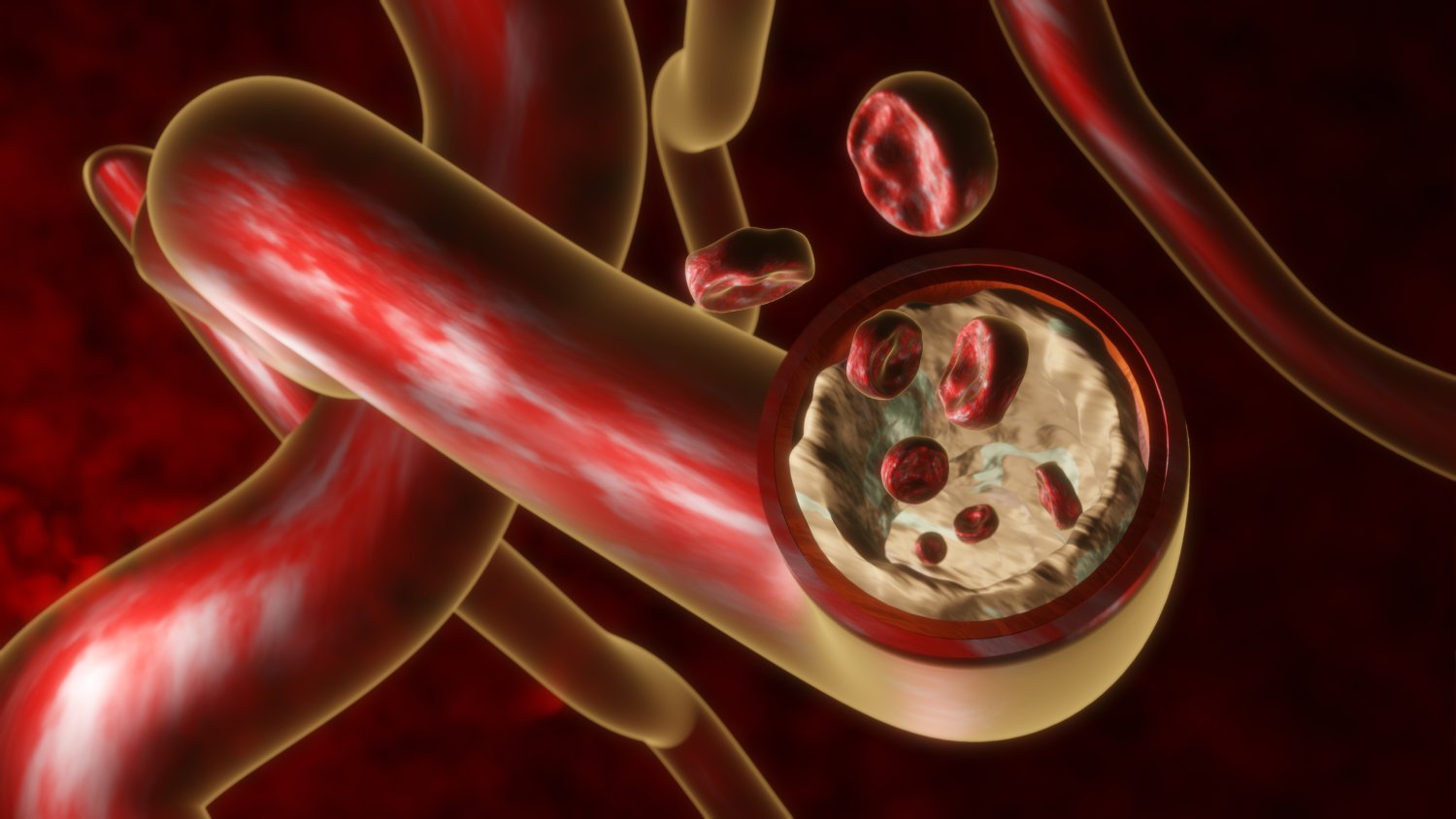
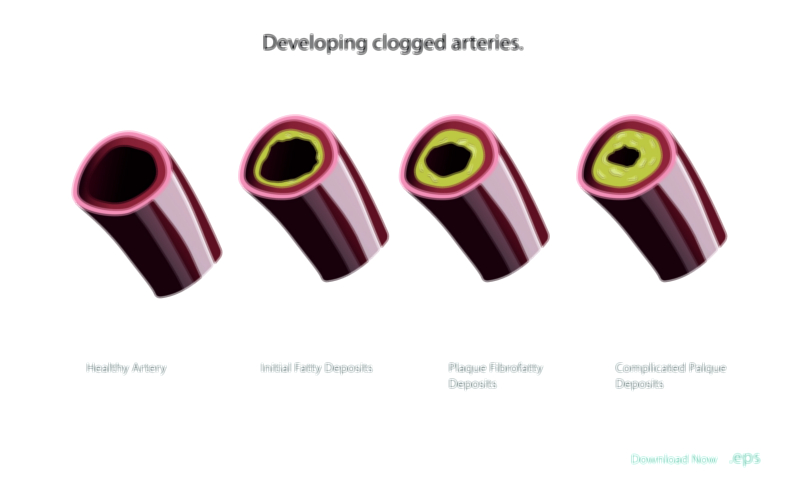
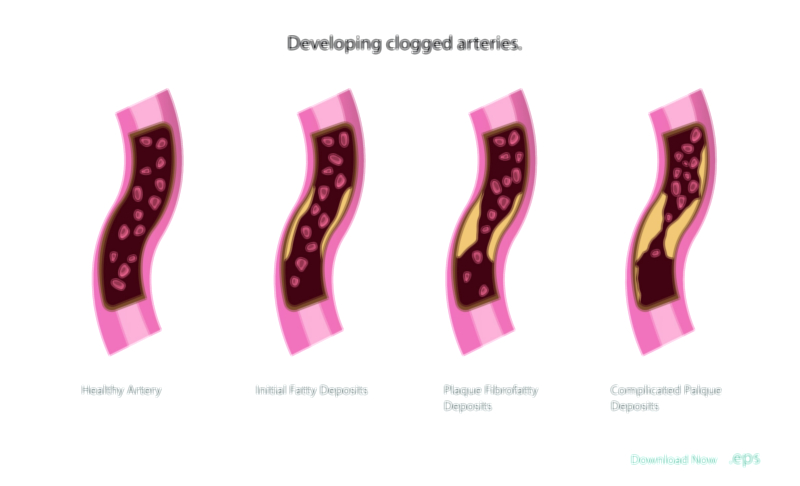
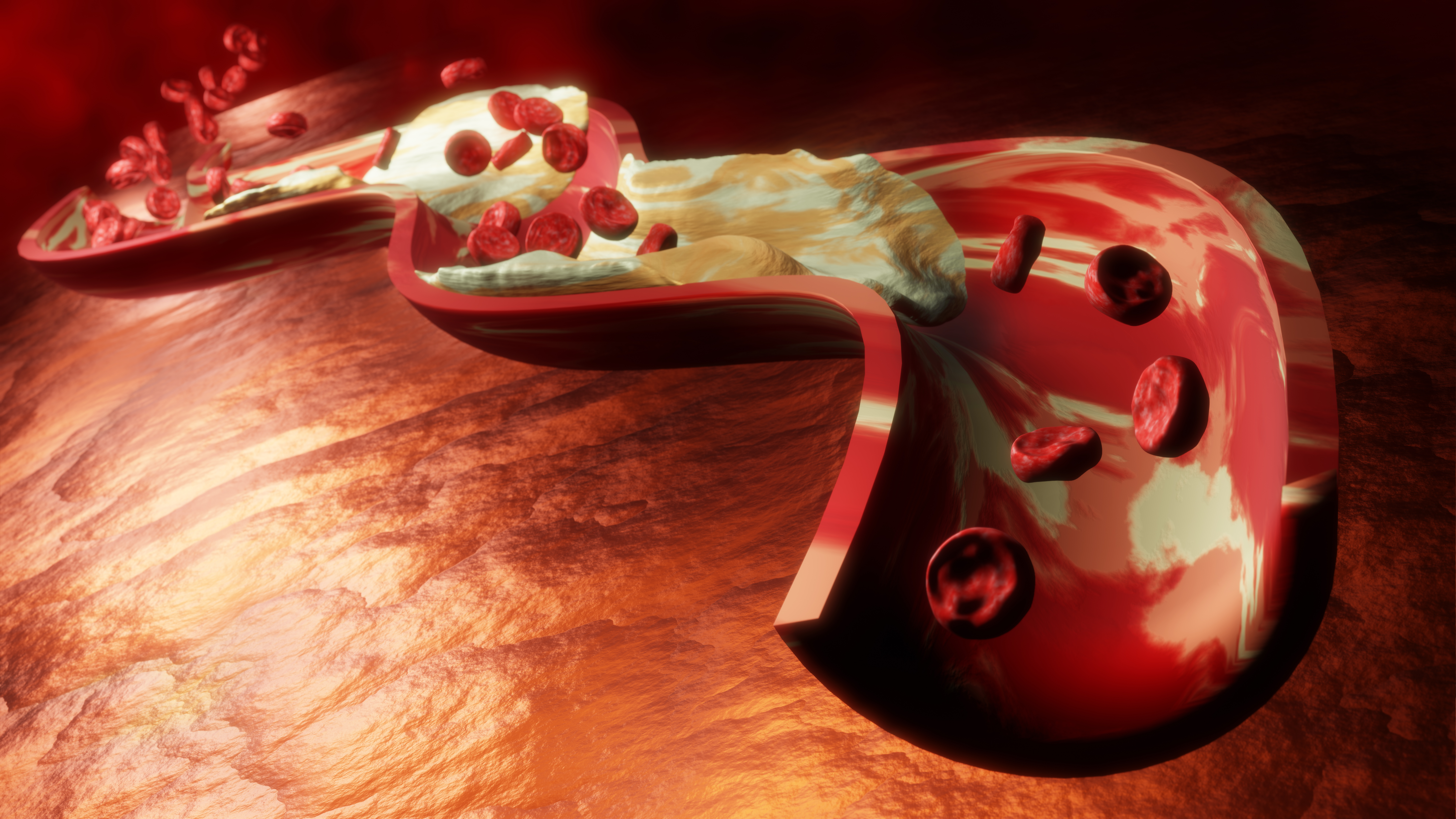
Artery blockage develops slowly inside the blood vessels responsible for carrying oxygen-rich blood from the heart to every organ and tissue. Healthy arteries are naturally smooth and flexible, allowing blood to move through them with ease. Over time, however, the inner lining of an artery can become irritated or damaged by factors such as high blood pressure, smoking, chronic stress, or diets filled with unhealthy fats and processed foods. These small injuries create rough patches that invite circulating fatty particles and inflammatory materials to settle. What begins as a thin, almost invisible streak of buildup becomes the foundation for plaque formation. This early buildup is the beginning of artery blockage, occurring quietly long before symptoms appear. In a conceptual illustration, this stage is often shown as a slightly roughened artery wall with soft deposits beginning to accumulate, providing a visual cue of how the process starts deep within the circulatory system.
Progression From Early Buildup to Significant Narrowing
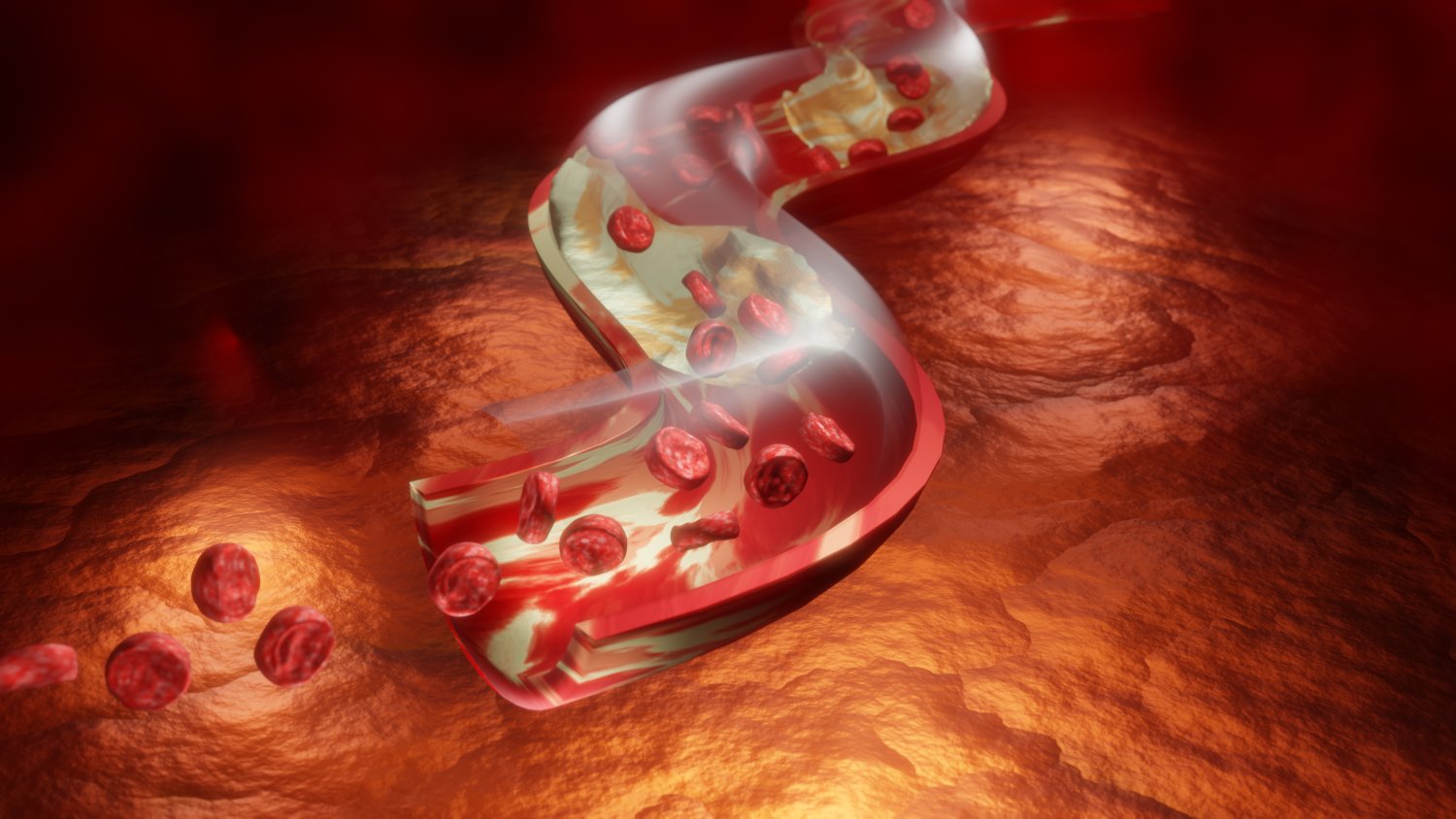
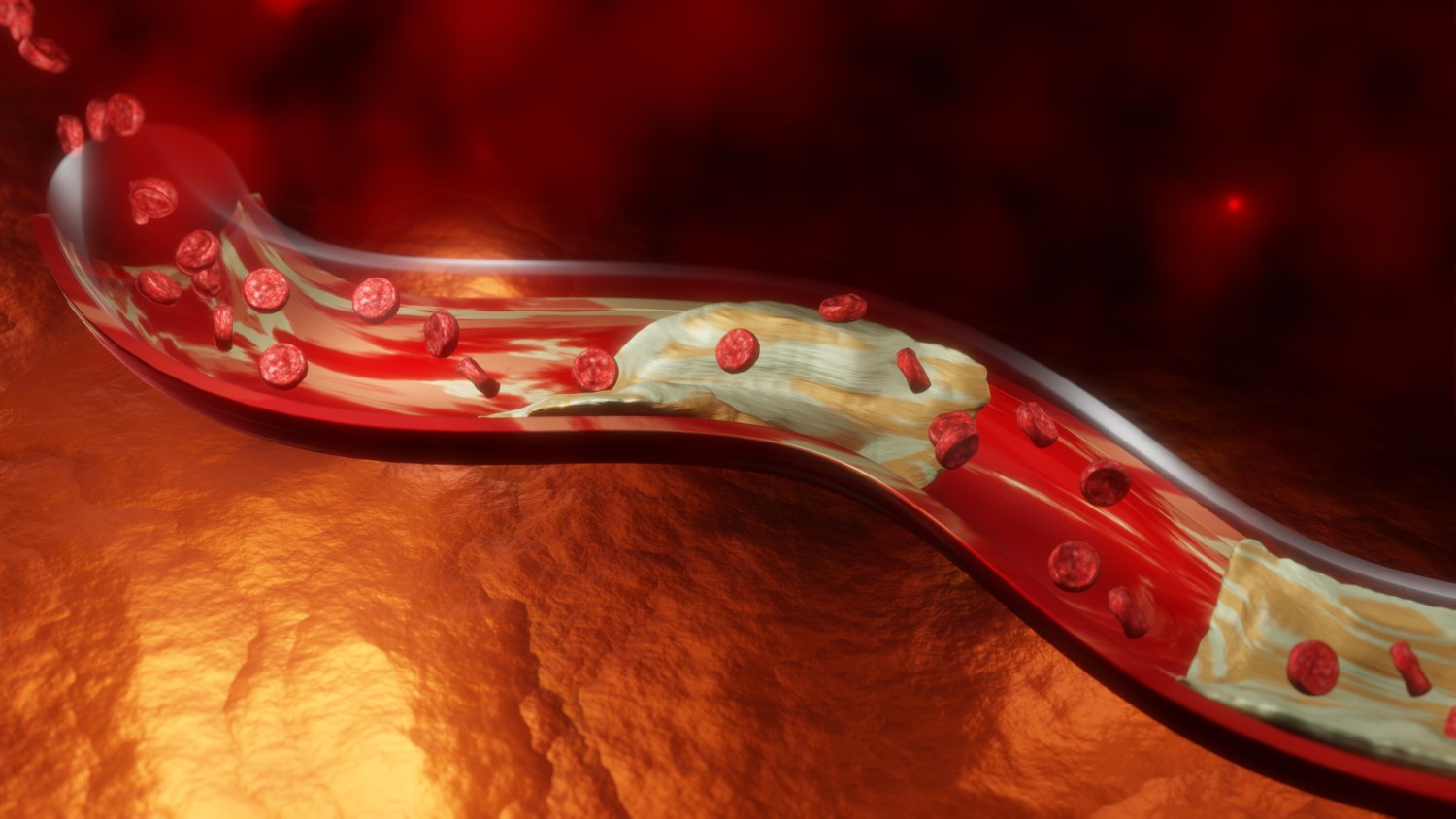
As plaque continues to develop, more material attaches to the damaged section of the artery. Immune cells sent to heal the injury become trapped within the accumulating layers, unintentionally adding to the bulk of the buildup. Over time, the plaque becomes thicker, harder, and more structured, projecting further into the artery's open passageway. The artery itself becomes less flexible and more resistant to blood flow. This narrowing reduces the amount of oxygenated blood that can pass through at any moment, making circulation less efficient. In illustrations, this stage is typically depicted with an increasingly narrowed artery, where the plaque visibly protrudes into the vessel’s interior. The contrast between the reduced blood flow channel and the expanding plaque illustrates how narrowing puts stress on the heart and restricts circulation long before complete blockage occurs.
How Artery Blockage Interferes With Blood Flow and Heart Health
A narrowing artery forces the heart to work harder to push blood through the restricted space. This added strain is particularly noticeable during physical activity or emotional stress, when the body's demand for oxygen increases. If the arteries supplying the heart itself become narrowed, the heart muscle may not receive enough oxygen-rich blood to function properly. This shortage can lead to chest discomfort, breathlessness, or sudden fatigue—common signals that circulation is compromised. In an illustration, this impact is often shown by comparing normal blood flow with restricted flow, highlighting how reduced circulation limits the heart’s performance. As the blockage grows, the risk of more serious events such as heart attacks increases. A rupture of the plaque can cause a sudden clot to form, completely obstructing the artery and cutting off blood flow within moments.
Factors That Accelerate Arterial Blockage Development
Artery blockage does not have a single cause. Instead, it results from a combination of lifestyle choices, biological tendencies, and environmental influences. Diets high in saturated fats, processed foods, and excessive sugars create conditions where plaque forms more easily. Lack of physical activity slows circulation and makes it harder for the body to regulate cholesterol and blood pressure. Smoking introduces toxic chemicals that directly injure the vessel walls, dramatically accelerating plaque buildup. Stress tightens blood vessels and alters hormone levels, creating internal conditions that increase the likelihood of blockage. Genetics also play a major role, with some individuals inheriting tendencies toward higher cholesterol or increased inflammation. Age compounds these influences, as arteries naturally lose elasticity over time. In visual diagrams, these contributing factors are often represented symbolically beside the artery illustration to show how different elements work together to drive the blockage process.
The Growing Impact of Blockage on the Entire Circulatory System
While artery blockage often begins in a specific location, its effects can spread throughout the entire circulatory system. As circulation becomes more restricted, the heart must pump harder to compensate. Over time, this extra strain can weaken or thicken the heart muscle, reducing its ability to function efficiently. Tissues supplied by narrowed arteries receive less oxygen and nutrients, which can impair healing, reduce stamina, and contribute to weakness or discomfort. The brain may experience moments of reduced clarity or dizziness. The legs may feel heavy or painful during walking due to reduced oxygen delivery. Illustrations of circulatory health often depict these widespread effects by showing arteries branching out to various organs, emphasizing how a single area of blockage can influence the broader system.
Recognizing Early Signs of Compromised Circulation
Even though artery blockage typically develops quietly, the body may send early signals that circulation is becoming impaired. These may include chest tightness during exertion, shortness of breath, unusual fatigue, weakness in limbs, or pressure in the neck, jaw, or shoulders. When blockages affect arteries in the legs, individuals may experience discomfort during walking that eases during rest. Reduced circulation to the brain may cause light-headedness or brief confusion. Illustrations often highlight these early-warning regions, helping people understand where symptoms might appear and how they relate to specific arteries experiencing reduced blood flow.
Ways to Promote Healthier Arteries and Slow Blockage Formation
Even though artery blockage develops gradually, individuals have significant influence over how quickly it progresses. Regular physical activity keeps arteries flexible and strengthens the heart. Eating nutrient-rich foods—such as fruits, vegetables, whole grains, lean proteins, and healthy fats—reduces internal inflammation and supports smoother circulation. Avoiding smoking protects artery walls from chemical damage, while stress management helps maintain stable blood pressure and vessel relaxation. Adequate sleep, hydration, and maintaining a healthy weight also contribute to long-term artery health. Illustrations of circulatory improvement often depict arteries widening or plaque retreating to symbolize how healthy habits can slow progression and restore better flow.
Why Artery Blockage Illustrations Are Crucial for Understanding Health
Illustrations of artery blockage play a powerful role in helping people visualize a process that typically unfolds silently and out of sight. By representing the narrowing of arteries, the growth of plaque, and the restriction of blood flow, these visual tools make the condition easier to understand. They bridge the gap between a person’s internal health and their outward experience of symptoms. Whether used in medical education, public awareness campaigns, or personal learning, artery blockage illustrations allow individuals to grasp the seriousness of circulatory health and take proactive steps toward protecting their cardiovascular system.