Developing Clogged Arteries — Understanding Cardiovascular Health and the Progression of Arterial Blockage
How Clogged Arteries Begin to Form in the Body
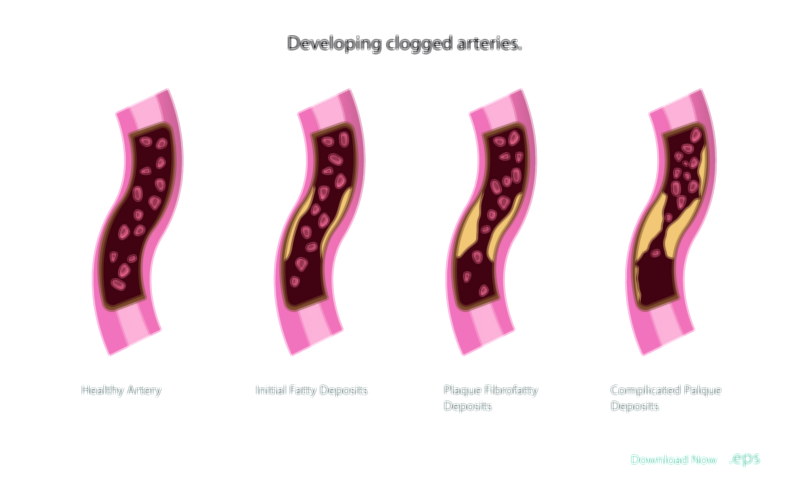
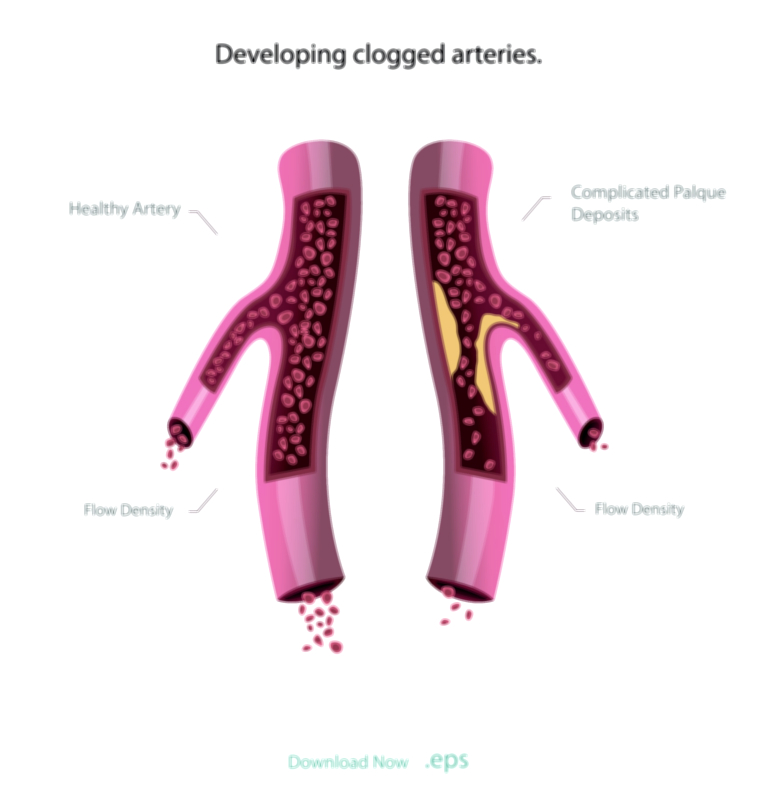
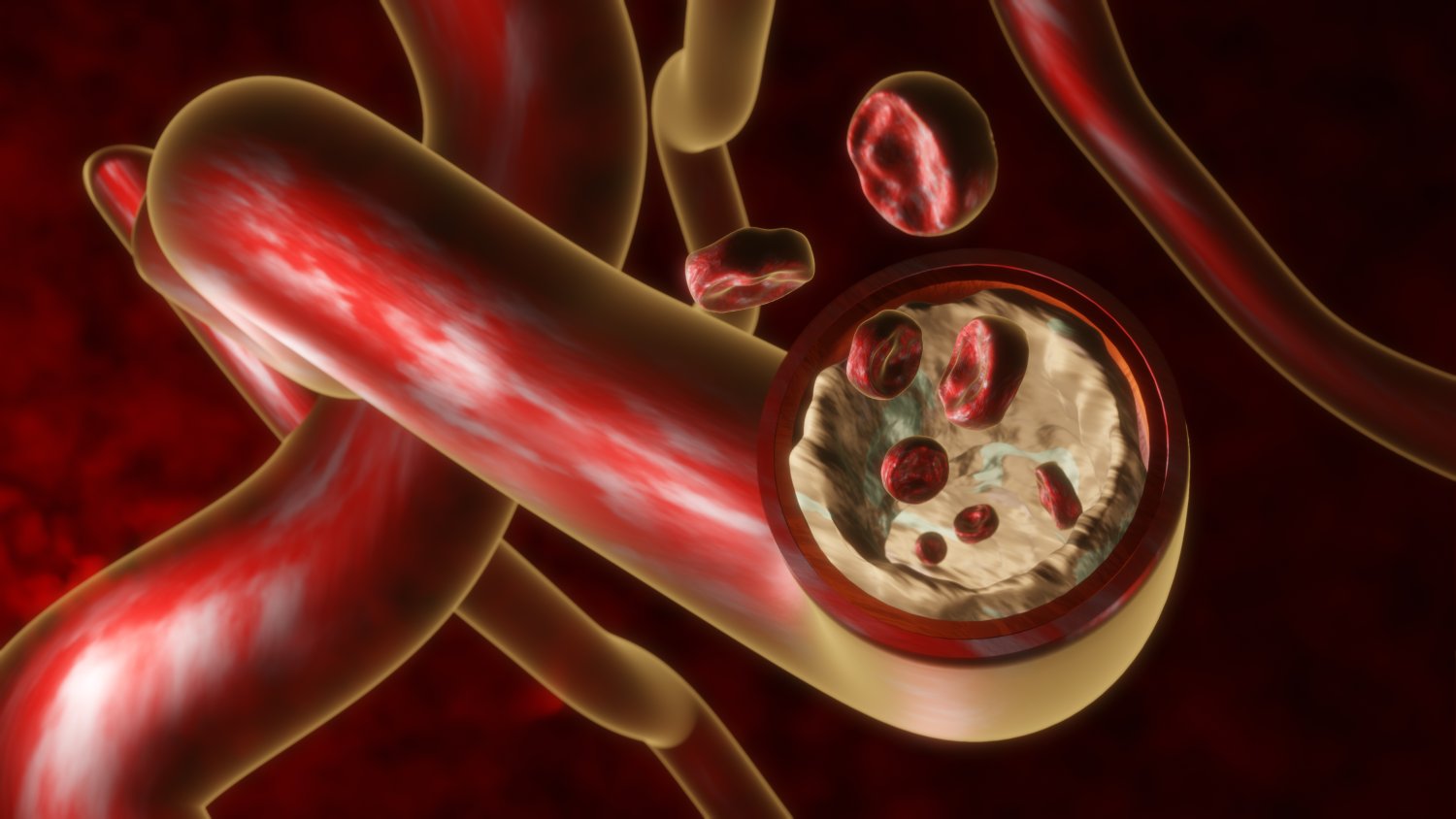
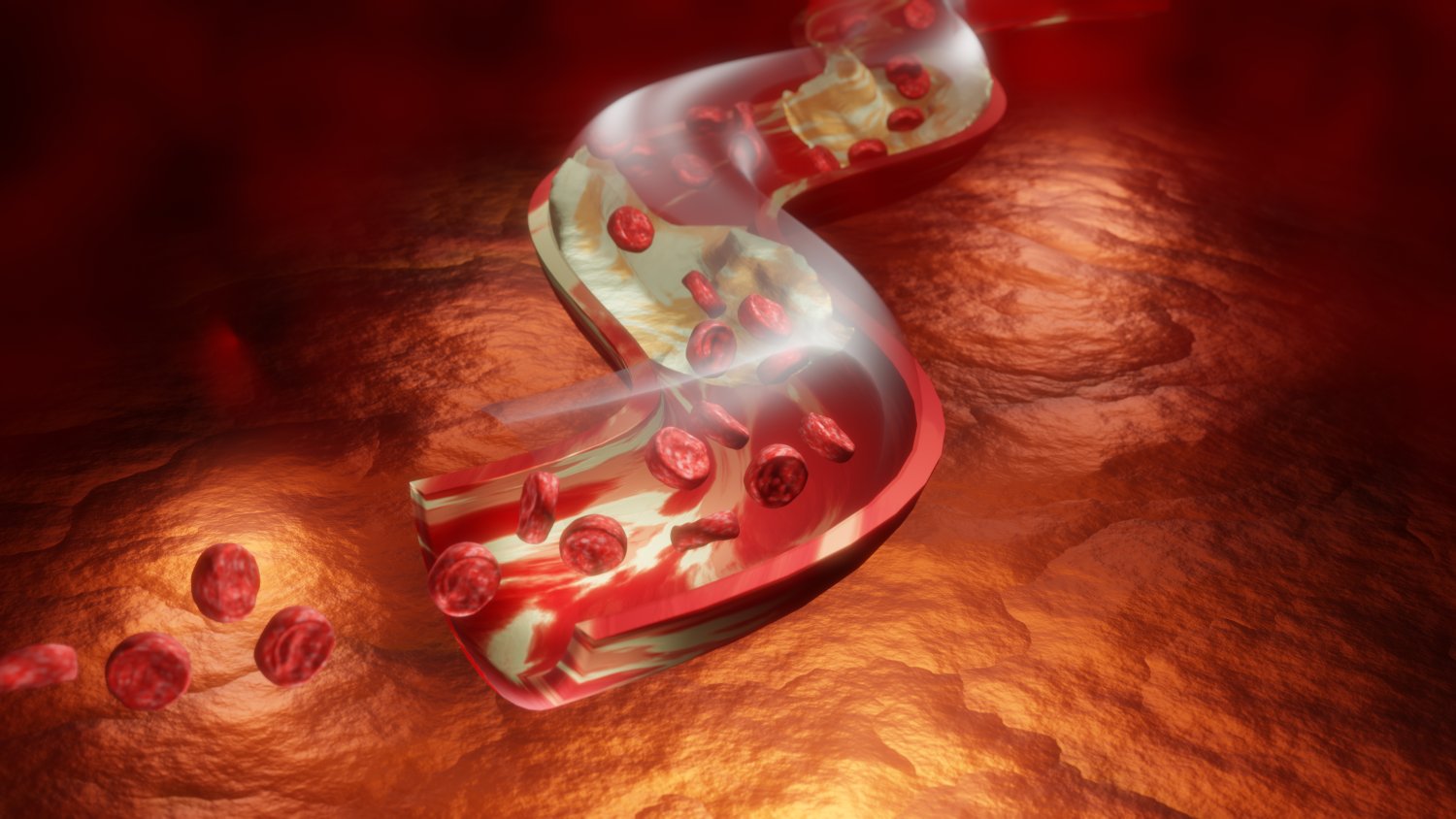
Clogged arteries develop gradually over many years through a process that weakens the health of blood vessels and slows the smooth flow of blood to vital organs. At the core of this condition is the buildup of fatty material, cellular waste, and hardened deposits along the inner walls of arteries. These deposits begin as soft, almost invisible streaks that form where the artery wall has been subtly irritated or weakened. Over time, additional layers of fats and inflammatory materials accumulate in the same areas, creating thicker and more pronounced patches. This buildup narrows the internal pathway through which blood travels, increasing the resistance that the heart must overcome every time it beats. The condition progresses quietly in the beginning, often without any noticeable symptoms, making it especially dangerous because the body adjusts silently as the arteries become more restricted. Eventually, the narrowing becomes severe enough to reduce oxygen and nutrient delivery to organs like the heart, brain, and limbs, setting the stage for serious cardiovascular issues.
What Happens Inside Arteries as Blockage Progresses
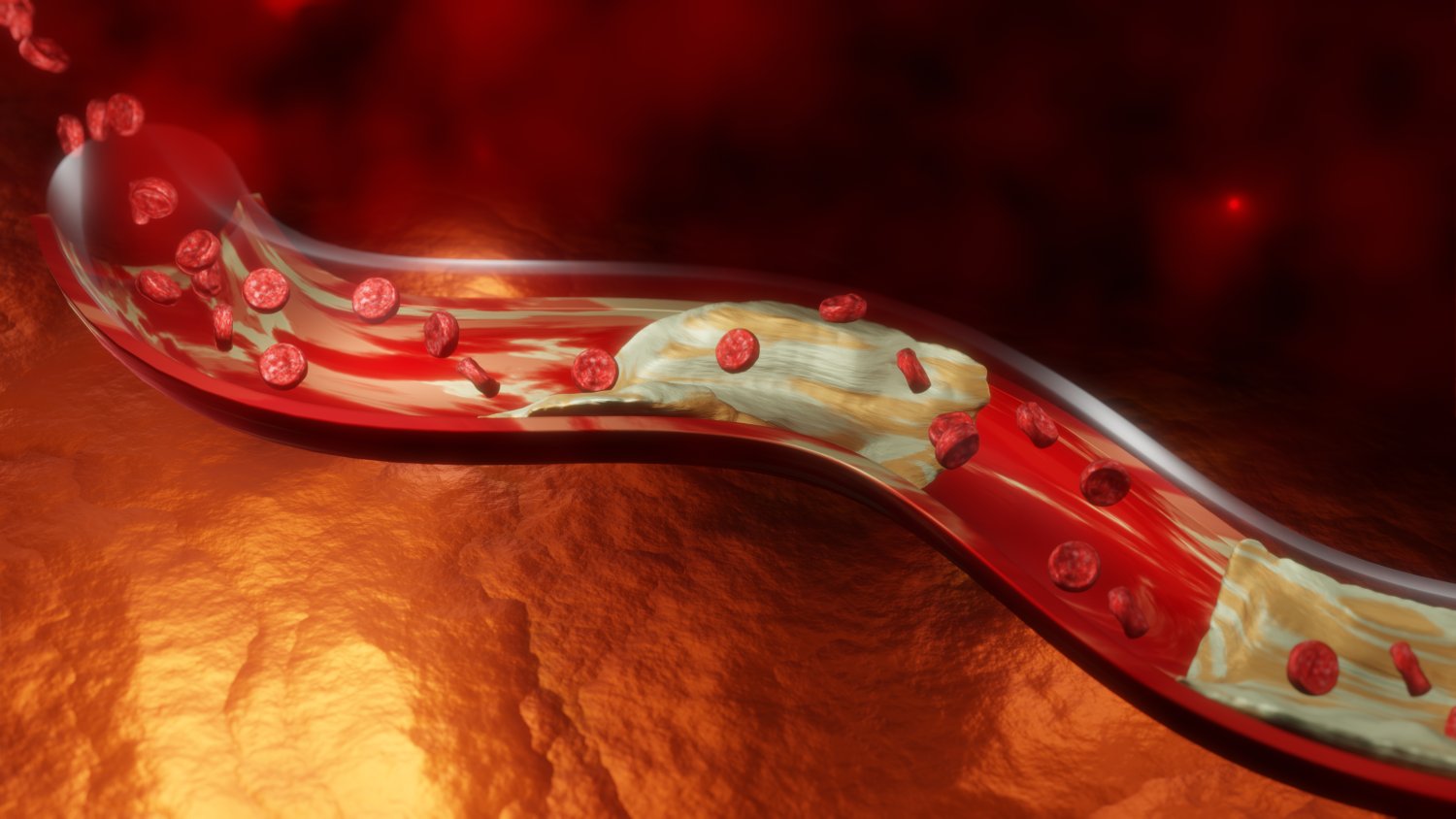
The process of arterial clogging is not simply the accumulation of fat; it is a complex interaction involving inflammation, tissue damage, and the body’s attempt to protect itself. When the inner lining of an artery becomes irritated—whether by high stress, harmful chemicals in the bloodstream, or forceful blood pressure—the affected area becomes slightly roughened. This roughness traps tiny particles circulating in the blood, particularly the fatty elements that the body needs in moderation but struggles to manage when present in excess. As these particles settle into the irritated area, the artery responds by sending protective cells to absorb the material. While this response is meant to help, it unintentionally contributes to the growth of plaque. The trapped material thickens, hardens, and slowly transforms into a more rigid mass that reduces the artery’s flexibility. As the artery wall loses its smoothness and elasticity, blood flow becomes turbulent, creating even more opportunities for materials to settle and grow the blockage further.
The Role of Lifestyle, Environment, and Biological Factors
Clogged arteries do not develop from a single cause but arise from a combination of habits, environmental influences, and individual biology. Diets high in unhealthy fats, refined sugars, and heavily processed foods contribute to elevated levels of circulating materials that tend to build up in arteries. A lack of physical activity reduces the body’s ability to regulate fat, sugar, and blood pressure, making arterial irritation more likely. Smoking and exposure to pollutants introduce harmful substances into the bloodstream that directly damage artery walls. Beyond lifestyle, genetics also play a significant role. Some individuals inherit a tendency to develop arterial scarring or elevated cholesterol regardless of their habits. Age further increases vulnerability because arteries naturally lose elasticity over time, becoming more susceptible to plaque formation. All of these elements blend to create a long-term environment where arterial clogging becomes more likely unless positive changes intervene.
Why Clogged Arteries Endanger the Heart and Circulation
The danger of clogged arteries comes from their direct influence on how effectively blood can reach essential tissues. When arteries supplying the heart become narrowed, the heart muscle receives less oxygen, especially during exertion or emotional stress. This reduced oxygen supply can lead to chest discomfort, fatigue, or a deep sense of heaviness—early signals that the heart is struggling. As narrowing continues, the risk of sudden blockage increases. A piece of hardened plaque can rupture, triggering a rapid reaction that forms a clot strong enough to obstruct the artery entirely. When this happens in a coronary artery, a heart attack occurs. Similar risks arise in arteries feeding the brain, where a sudden blockage can cause a stroke. Blockages in the arteries supplying the legs lead to poor circulation, pain, and in severe cases, tissue damage. What begins as a silent accumulation eventually becomes a threat to the body’s most essential functions.
How Lifestyle Choices Influence Arterial Health Over Time
Even though clogged arteries develop silently, the choices individuals make throughout life significantly shape the pace and severity of the condition. Regular movement helps strengthen the heart, improve circulation, and reduce harmful buildup in the bloodstream. Diets centered on whole foods—such as vegetables, fruits, grains, and balanced sources of healthy fats—create a gentle internal environment where arteries remain smooth and resilient. Stress management, sleep quality, and mental well-being also influence the progression of arterial clogging, because prolonged stress can tighten blood vessels and increase internal pressure. Avoiding smoking is one of the most impactful actions a person can take for arterial health, as tobacco chemicals directly erode the protective lining of arteries. While clogged arteries cannot always be reversed completely, consistent and thoughtful choices can slow progression and support better heart function well into older age.
Understanding the Subtle Early Signs and the Importance of Awareness
Clogged arteries often provide very subtle hints long before serious events occur. These signals may include slight shortness of breath, fatigue during routine activities, or mild discomfort after meals or exertion. Some people experience aching in the legs during walking, which may signal reduced blood flow to the limbs. Others may notice occasional dizziness or a sensation of heaviness in the chest. Because these early signs can easily be mistaken for stress or aging, they are frequently ignored. Yet recognizing them can make a significant difference, allowing individuals to take preventive actions or seek care before more severe complications arise. Awareness of family history, personal risk factors, and changes in daily stamina can help individuals recognize when arterial health may need attention.
Why Understanding Cardiovascular Health Matters at Every Age
Clogged arteries do not develop overnight; they form gradually throughout life, often beginning decades before any symptoms appear. This long-term progression makes it essential for people of all ages to understand the importance of cardiovascular health. By learning how arteries respond to daily habits, individuals can take steps to protect their long-term well-being. Even small adjustments—such as choosing more nourishing foods, walking regularly, or reducing harmful exposures—help maintain arterial flexibility and reduce the likelihood of dangerous buildup. Understanding this condition does not require medical expertise; it simply requires awareness of how the heart and blood vessels depend on consistency, balance, and care. With this understanding, individuals are better equipped to make choices that support a longer, healthier life.