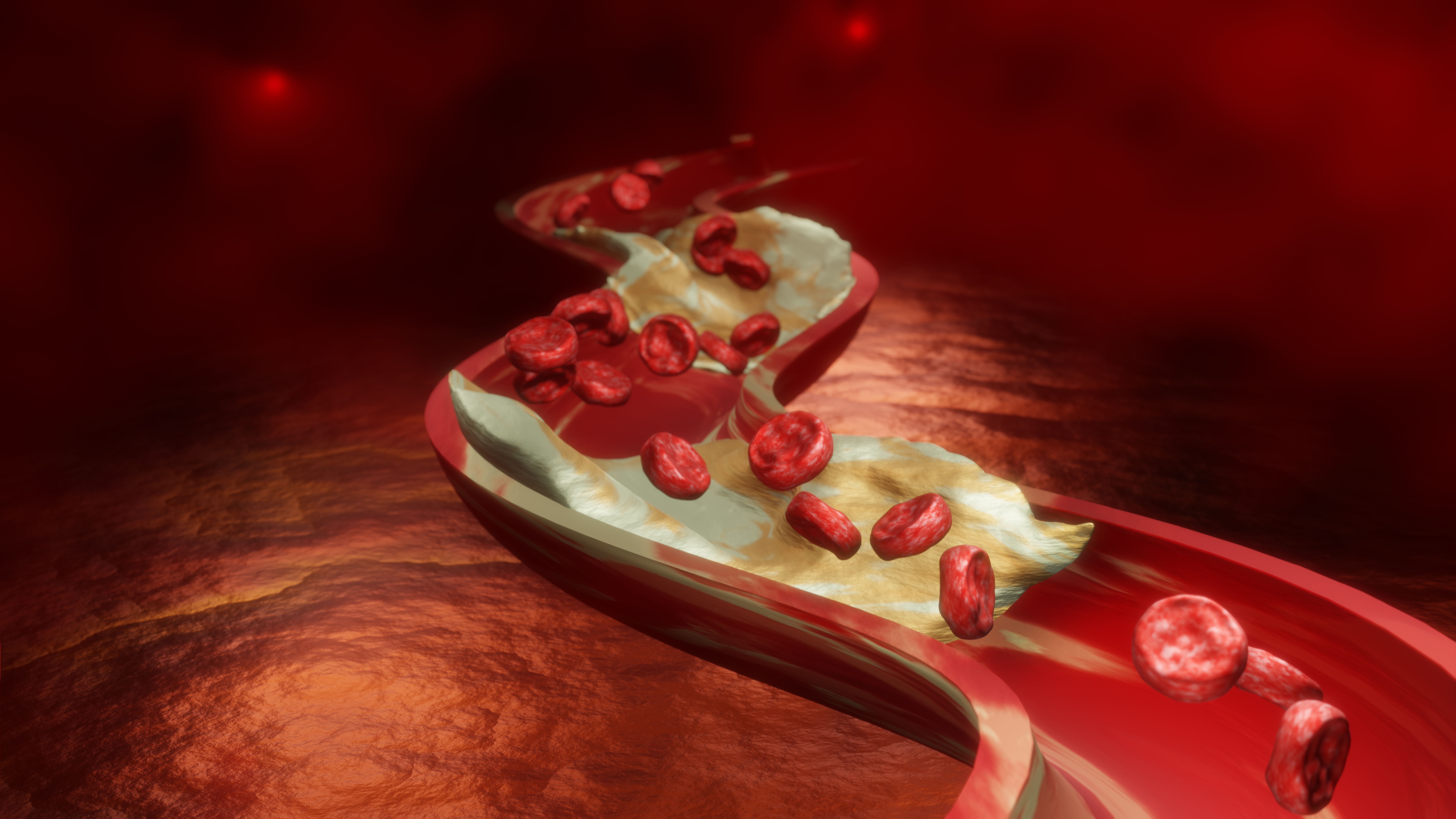
Artery Narrowing Process — Understanding Its Impact on the Circulatory System
How Arteries Begin to Narrow Within the Circulatory System
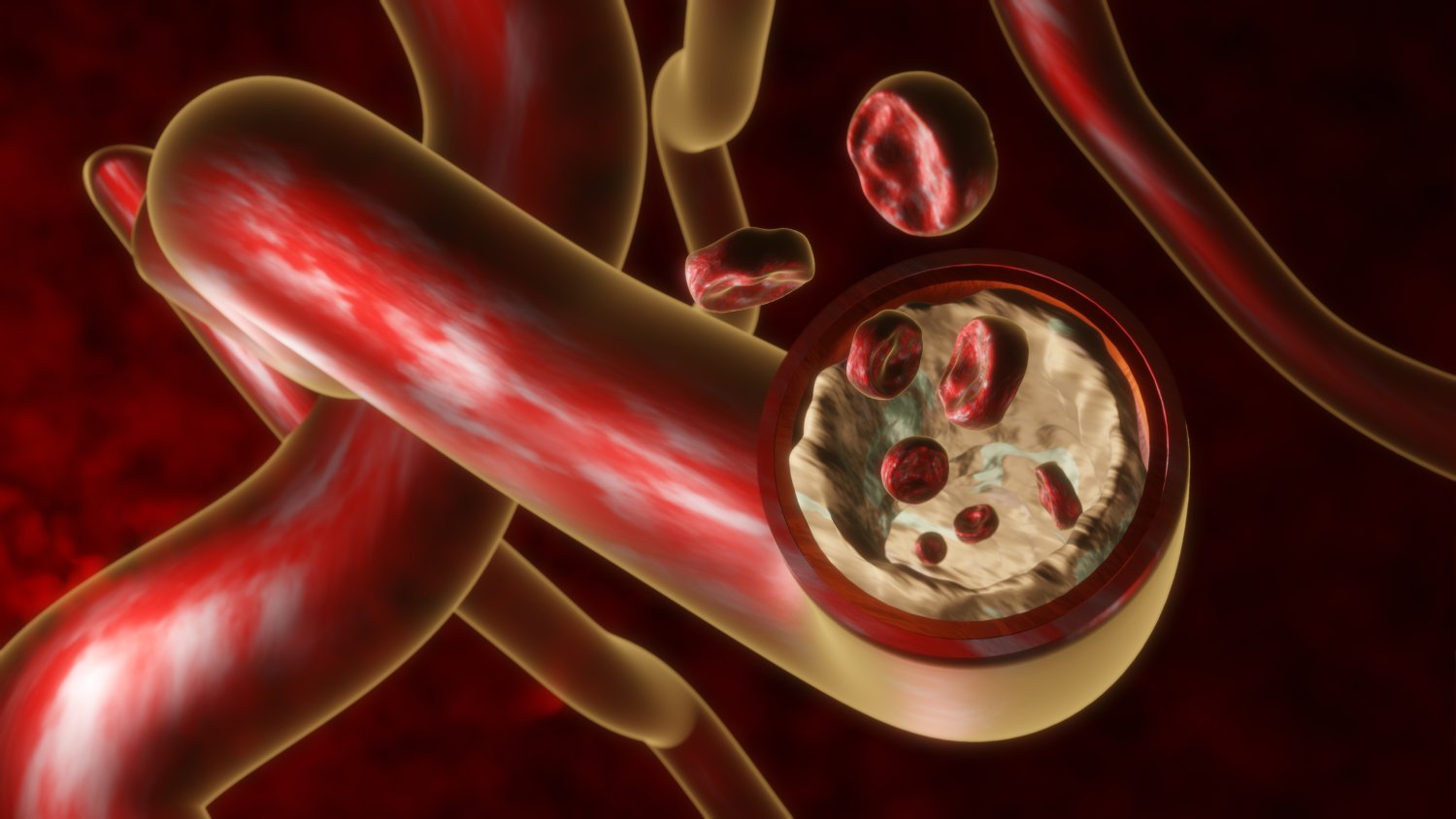
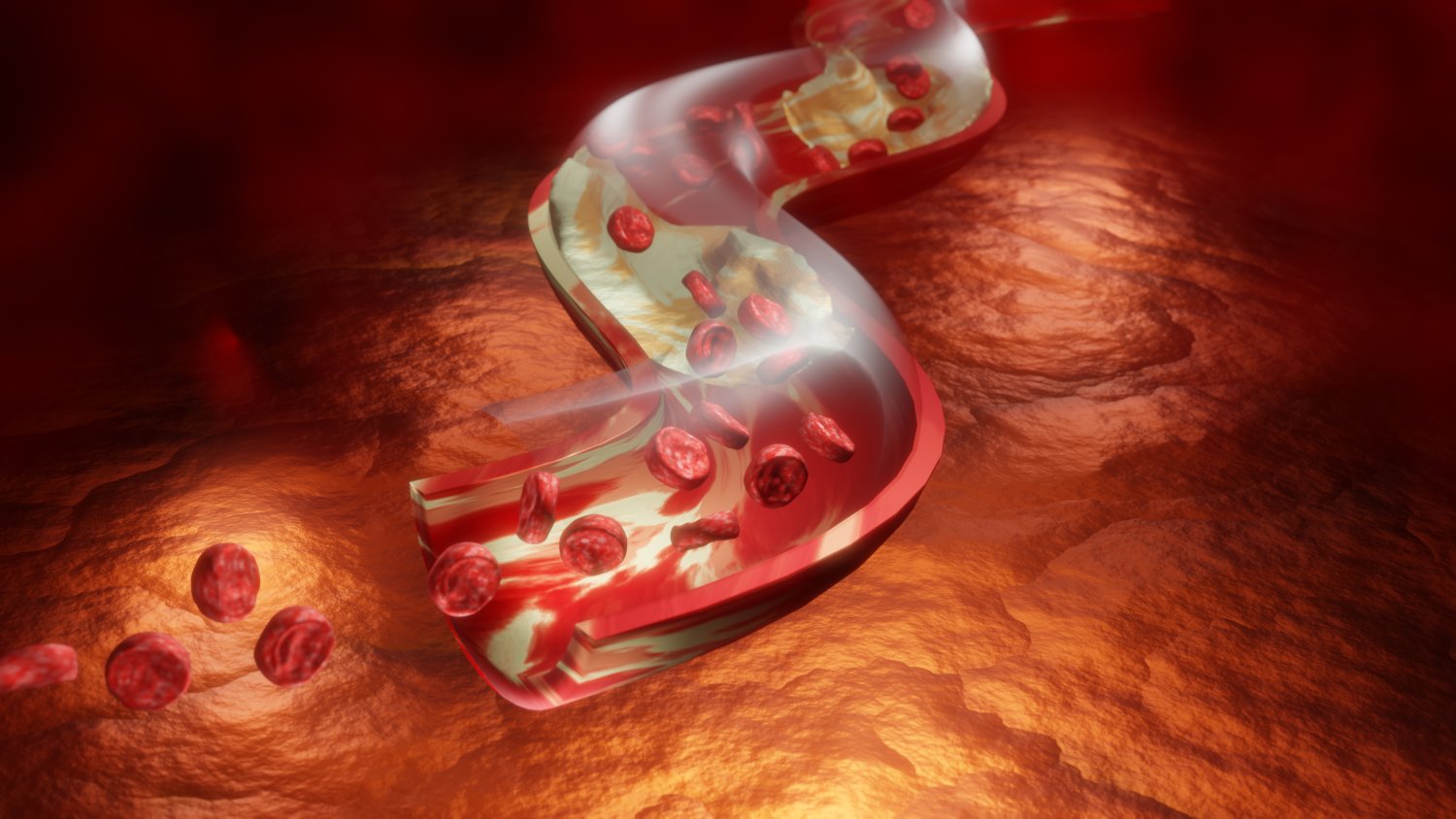
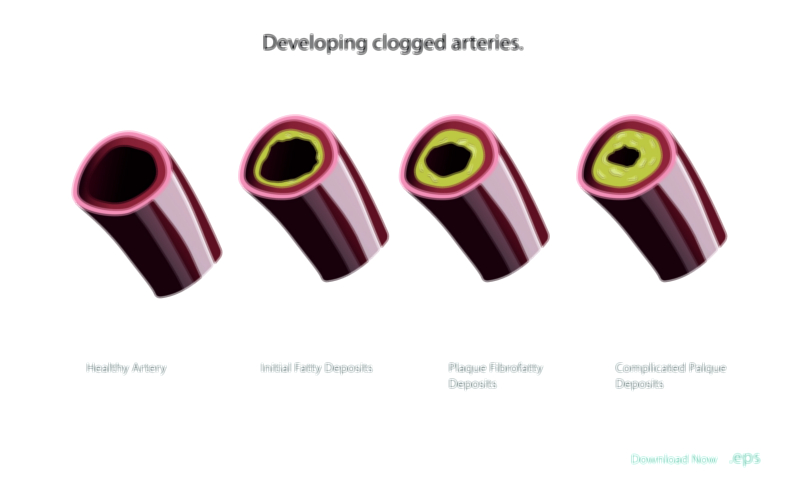
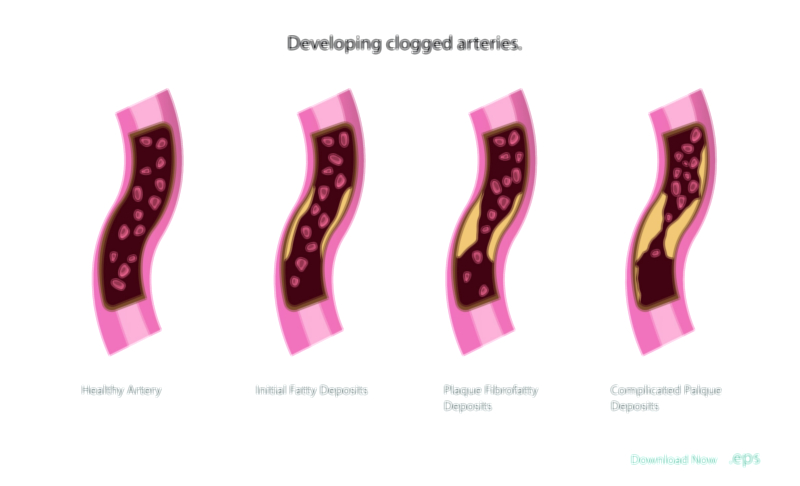
The artery narrowing process is a slow and progressive change that alters how blood moves through the circulatory system. Healthy arteries are designed to be open, flexible, and smooth inside so that blood can flow freely with every heartbeat. Over time, however, their inner lining can become irritated or damaged by factors such as elevated blood pressure, smoking, unhealthy dietary habits, or chronic internal inflammation. These small injuries weaken the protective layer that normally keeps the artery’s interior clean. Once this lining becomes compromised, circulating materials—particularly fatty particles, inflammatory substances, and tiny fragments suspended in the bloodstream—begin to cling to the roughened sections. What starts as a small patch of buildup becomes the foundation for gradual narrowing. This early stage often develops silently, with no noticeable symptoms, even though the circulatory system is already beginning to adapt to the reduced internal space available for blood flow.
The Progression From Early Irritation to Noticeable Narrowing
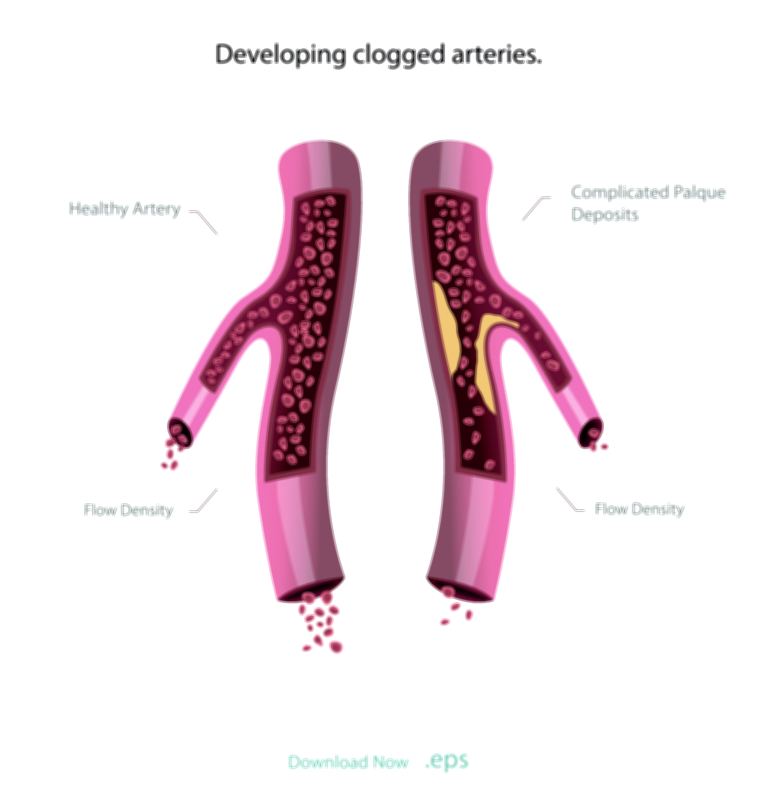
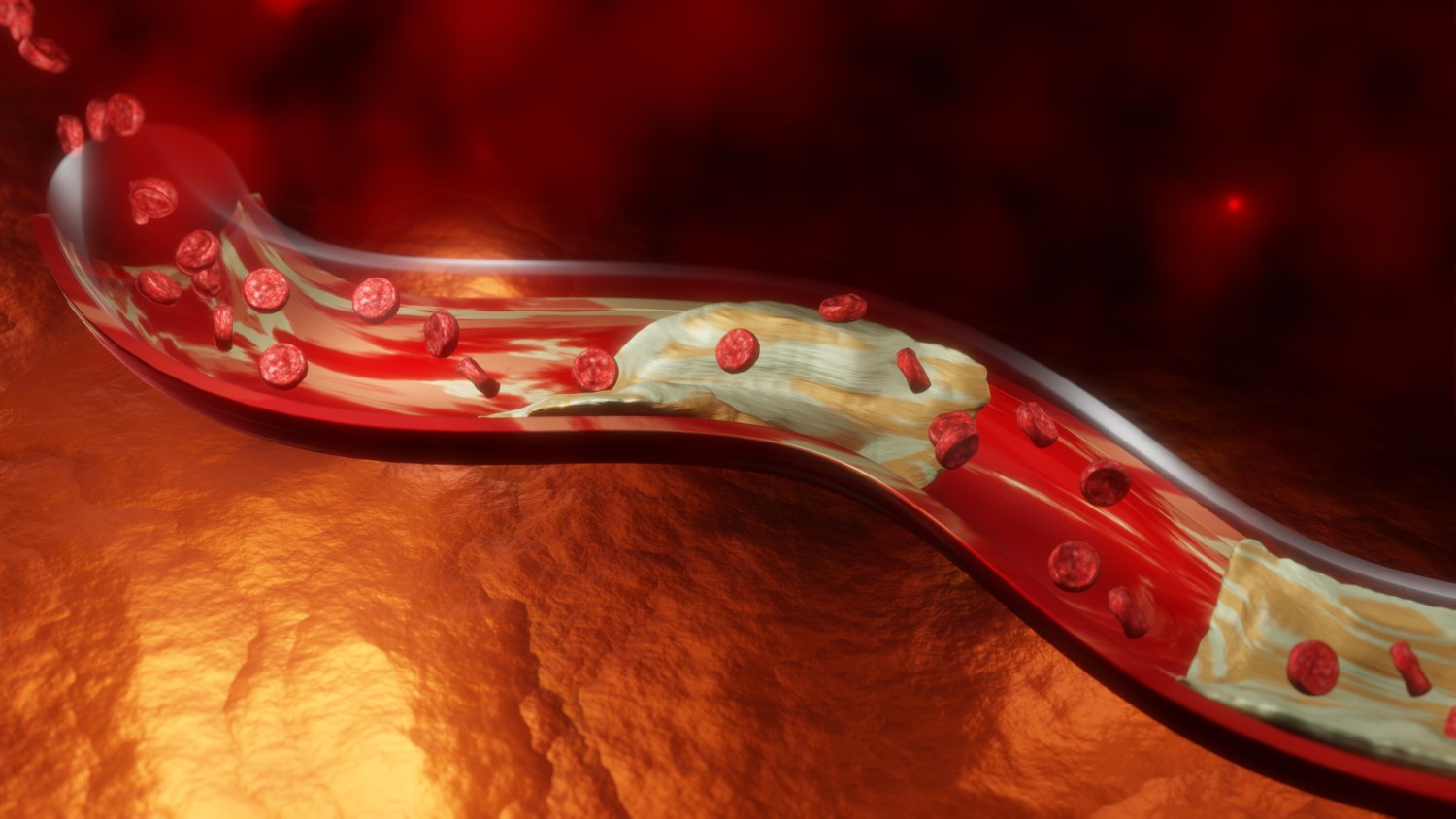
As more material accumulates, the narrowing becomes more pronounced. The body responds to the trapped fatty particles by sending protective cells to stabilize the area, but these cells often become embedded in the growing mass instead of clearing it. Layer by layer, these materials form a thicker structure that begins to protrude into the artery’s open channel. Throughout this process, the vessel wall itself also changes. It becomes stiffer, less flexible, and more vulnerable to further damage. The narrowing reduces the amount of blood that can pass through at any moment, creating areas where blood moves sluggishly or swirls instead of flowing smoothly. This altered flow increases the likelihood of further deposits, accelerating the narrowing process. Even though the artery has not yet reached complete blockage, the circulation is already under strain because the heart must work harder to push blood through a tighter passage.
How Narrowing Disrupts Blood Flow and Circulatory Efficiency
When an artery becomes significantly narrowed, the tissues it supplies begin to feel the effects of reduced circulation. The heart, which drives blood through this network, must increase its effort to maintain normal flow, especially during physical activity or emotional stress. If coronary arteries—which provide blood directly to the heart muscle—begin to narrow, the heart may experience a shortage of oxygen during exertion. This shortage can lead to chest discomfort, heaviness, or breathlessness. In other parts of the body, narrowing can cause different outcomes. Reduced flow to the brain may lead to dizziness, confusion, or episodes of weakness. Narrowing in the arteries of the legs can cause aching or cramping that appears during walking and eases with rest, a sign that the muscles are not receiving enough oxygen. These disruptions illustrate how even partial narrowing can have a noticeable impact on the body’s ability to function smoothly.
Why the Narrowing Process Intensifies Over Time
The narrowing of arteries tends to accelerate as the vessel becomes more damaged and less flexible. Once plaque has formed, the internal surface is no longer smooth, which causes blood to move in irregular patterns. These disturbances encourage even more particles to settle into the affected area. Over time, portions of the plaque may harden, further stiffening the artery and reducing its ability to expand with each heartbeat. The artery becomes increasingly vulnerable to cracking or irritation, which can cause the plaque to become unstable. This instability raises the risk of sudden complications. If the surface of the plaque weakens and breaks open, the body attempts to repair the damage by forming a blood clot. However, this clot may grow quickly enough to block the entire artery, turning a slow narrowing process into a sudden and dangerous event. These tendencies explain why consistent care and long-term prevention are so important for maintaining circulatory health.
Factors That Contribute to the Development of Artery Narrowing
A wide range of influences shape how quickly and severely arteries begin to narrow. Dietary habits play a major role, especially diets high in unhealthy fats, processed foods, and excess sugars. Lack of regular physical activity reduces the body’s ability to regulate blood pressure, blood sugar, and circulating fats, creating an internal environment more prone to plaque formation. Smoking introduces toxic chemicals that directly injure artery walls, making them more susceptible to early narrowing. Stress affects the circulatory system by tightening blood vessels and increasing hormonal activity that promotes inflammation. Genetics can also predispose individuals to narrower arteries or higher cholesterol levels even when they follow healthy lifestyles. Age naturally increases risk as arteries gradually lose their youthful elasticity. When several of these factors occur together, the narrowing process accelerates significantly.
Recognizing Early Indications of Artery Narrowing
Even though the narrowing process often progresses silently, the body sometimes provides early clues. Mild chest pressure during activity, shortness of breath, unusual fatigue, or discomfort in the neck, jaw, shoulders, or arms may indicate reduced blood flow through coronary arteries. If narrowing affects vessels in the legs, individuals may notice aching or heaviness during walking. When brain circulation is reduced, episodes of light-headedness, foggy thinking, or brief confusion may occur. These symptoms may appear inconsistently, which leads many people to overlook them. Yet they signal that the circulatory system is struggling to maintain normal flow and should not be ignored.
Impact on Overall Cardiovascular Strength and Organ Health
As arteries narrow, the strain on the cardiovascular system increases steadily. The heart must push harder to circulate blood, which can lead to long-term thickening of the heart muscle or eventual weakening if the strain continues unchecked. Reduced blood flow can diminish the function of major organs such as the brain, kidneys, and limbs. Healing slows, energy decreases, and the risk of sudden medical events rises. This systemic impact highlights that artery narrowing is not limited to one area; it influences the entire circulatory network and affects overall vitality.
Protecting Arteries and Slowing the Narrowing Process
Although artery narrowing is gradual and influenced by many factors, individuals have significant control over how quickly it progresses. Regular physical activity helps keep arteries flexible and reduces harmful materials circulating in the blood. Choosing whole, nutrient-rich foods supports healthier vessel walls and reduces inflammation. Avoiding smoking protects the arteries from direct chemical injury. Managing stress promotes healthier vessel tension and more consistent blood pressure. Adequate sleep, good hydration, and maintaining a balanced weight all contribute to a healthier circulatory environment. While aging and genetics cannot be changed, these long-term habits can significantly slow arterial narrowing and support stronger circulatory health.