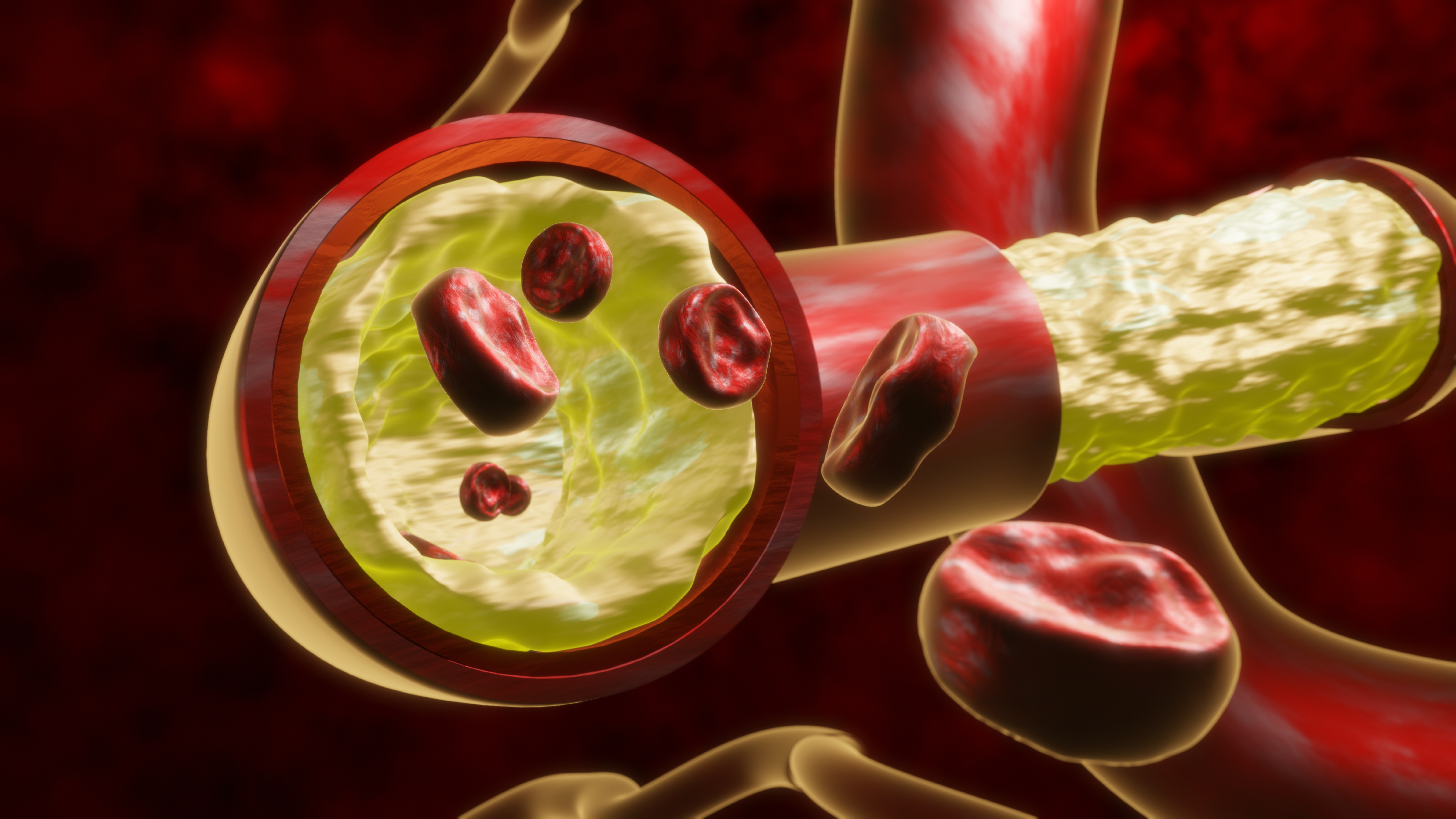
Detailed Overview of a 3D Rendered Depiction of Cholesterol Accumulation Inside Human Blood Vessels
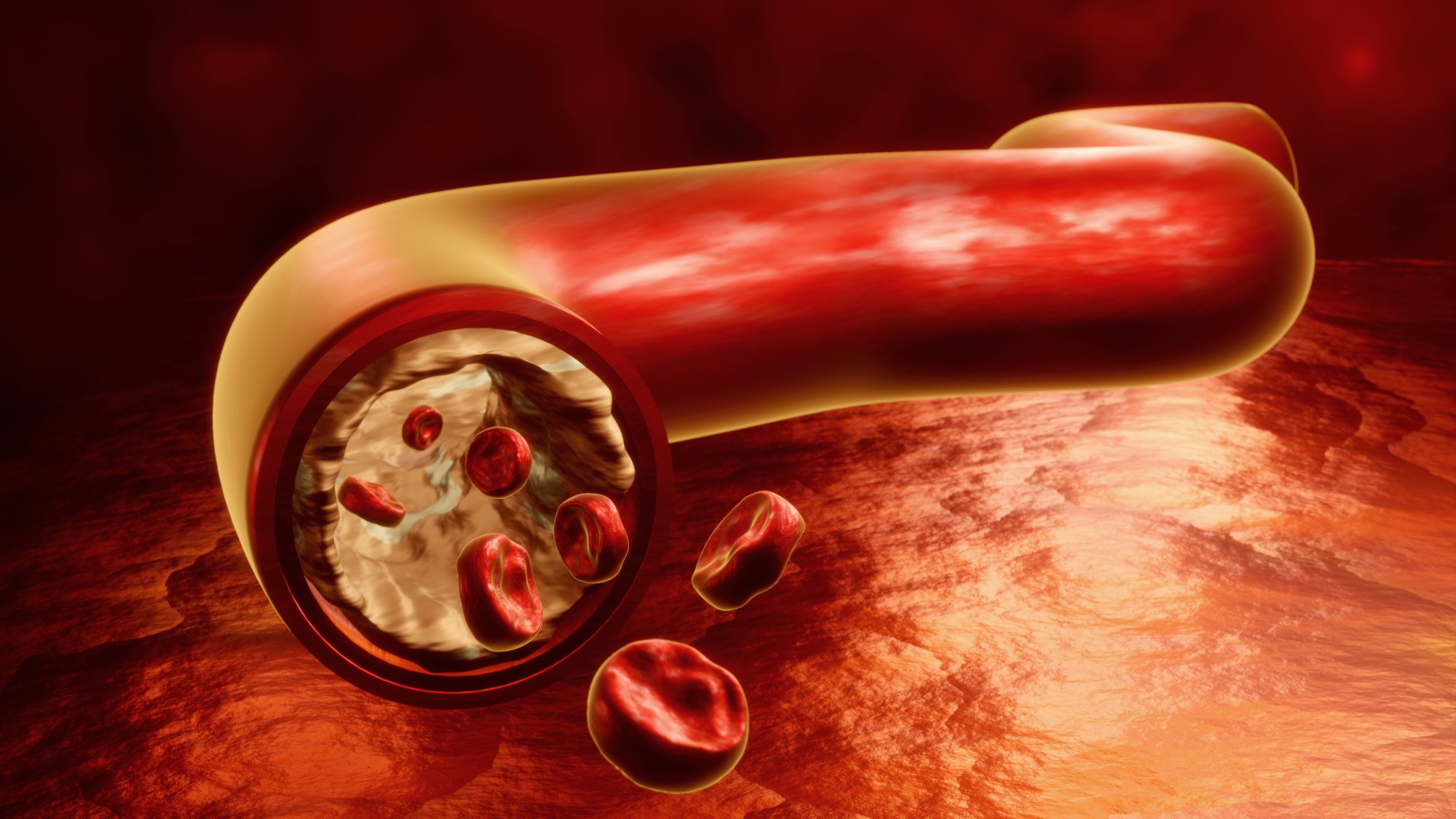
A 3D rendered depiction of cholesterol accumulation inside human blood vessels provides a striking and realistic view of a process that usually unfolds silently within the body. Instead of imagining this gradual change, viewers can observe a fully modeled interior scene that highlights the relationship between the vessel wall and the expanding buildup. The rendered space makes the process easy to understand by presenting depth, structure, color variation, and textural differences. These details reveal how sections of the vessel begin to shift as patches enlarge and create visible projections into the passage.
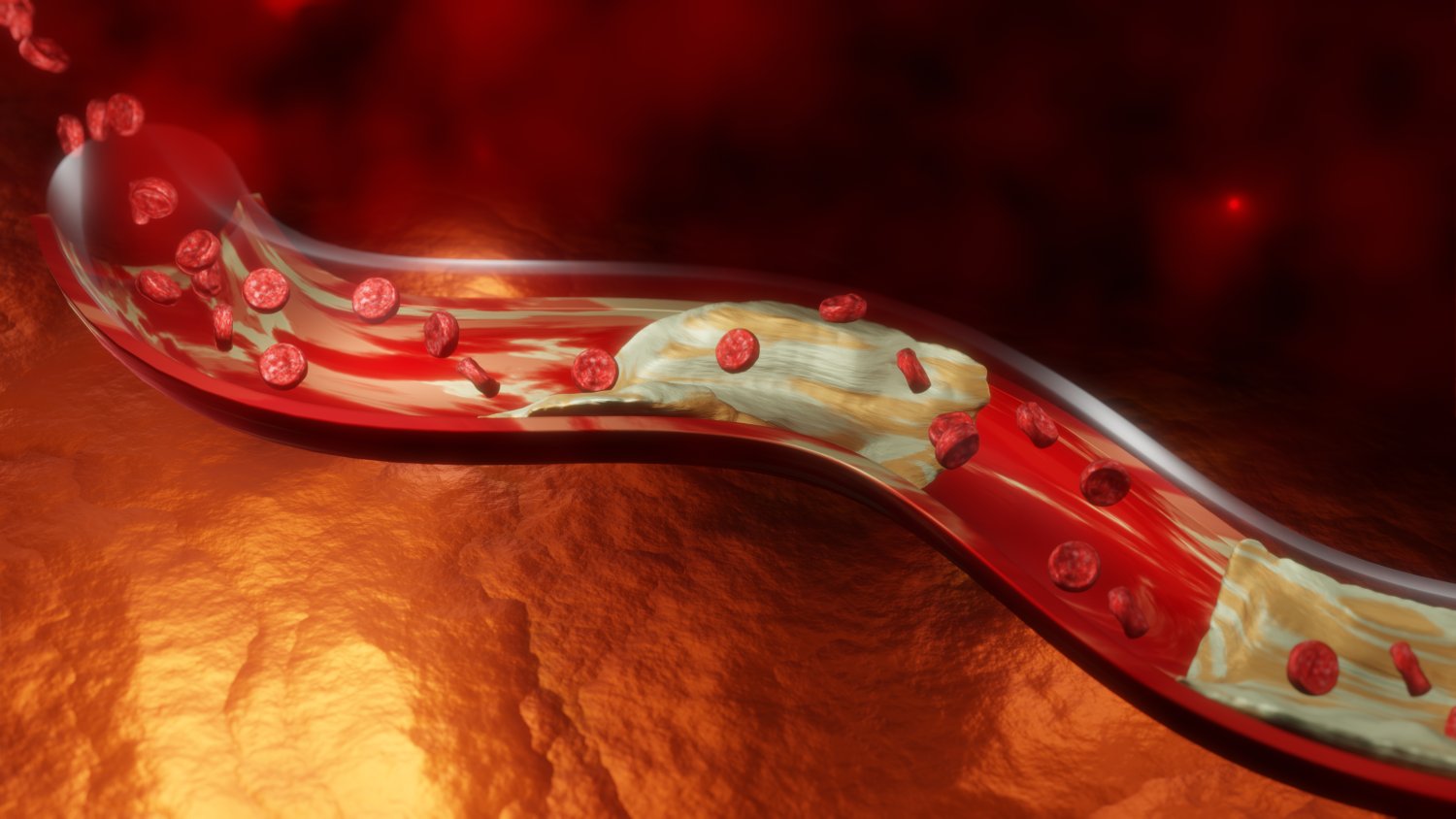
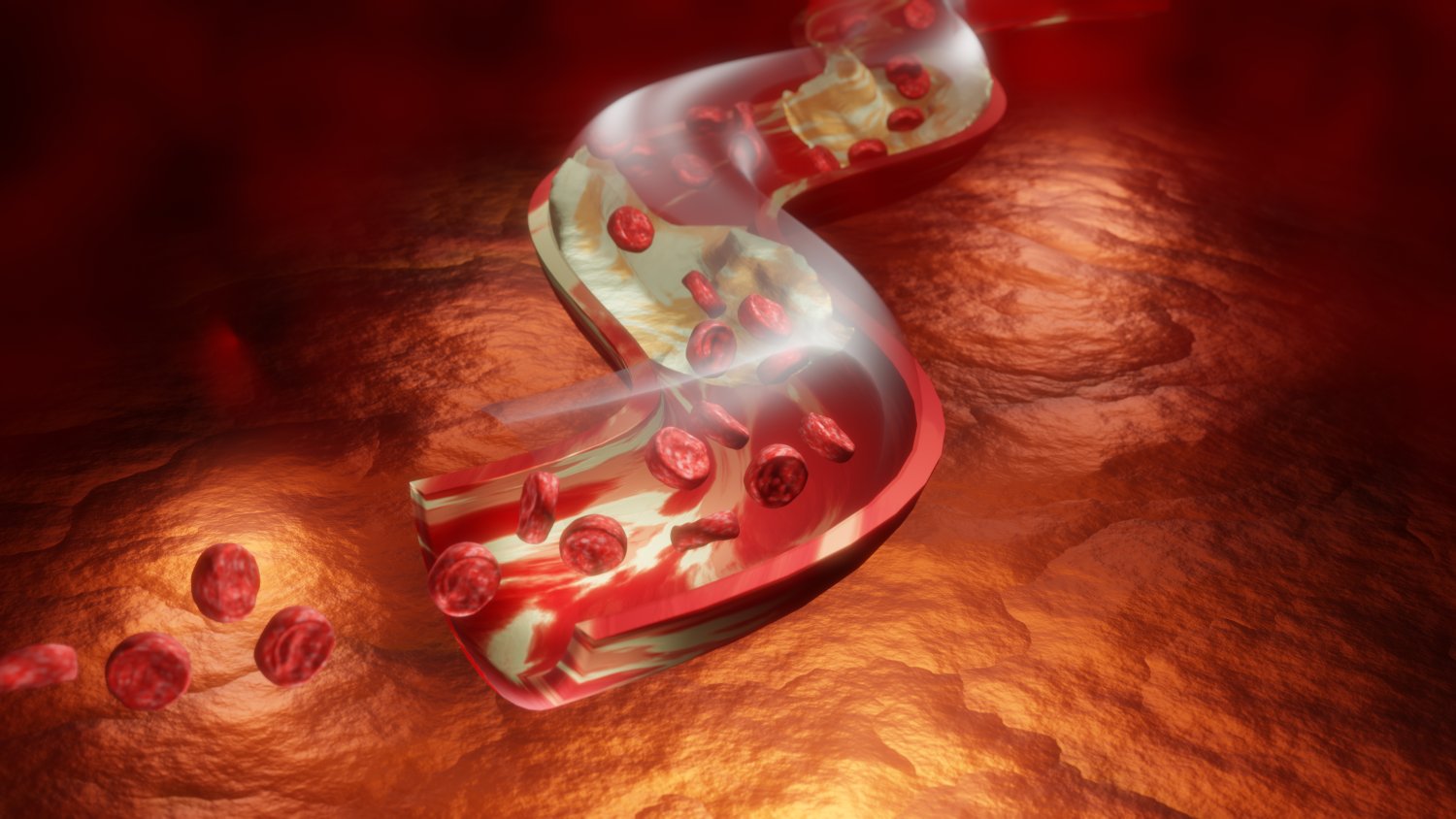
Inside the rendered vessel, a healthy inner surface appears smooth, forming a continuous lining that supports normal flow. As accumulation progresses, uneven patches begin forming along the wall. A 3D environment shows these patches lifting upward, creating irregular shapes that subtly encroach into the interior space. Lighting and shading reveal shadows around the raised areas, showing how the surface transitions from level to layered. These features allow viewers to understand not only the presence of the buildup but also the physical nature of its expansion.
The depiction also shows how the buildup does not spread evenly. Some regions display thin, scattered deposits, while others develop thickened segments that stand out clearly. The variation in height, texture, and surface pattern helps illustrate the complex behavior of these formations. A three-dimensional format makes it possible to recognize these differences instantly. The space left for movement inside the vessel becomes noticeably smaller as the buildup expands inward. This creates a clear understanding of how the interior environment gradually becomes less accommodating.
Such a detailed rendering is invaluable for education about circulation, wellness, and human anatomy. Many people hear discussions about vessel narrowing in health contexts but rarely encounter a precise visual that explains what happens inside the channel. A 3D depiction brings this hidden process into clarity, showing that these changes are gradual and often linked to long-term lifestyle patterns. Seeing this progression helps viewers connect everyday behavior with internal changes in a way that simple diagrams cannot achieve.
Clinical training benefits significantly from this type of visualization. Instructors can use the depiction to explain how different textures and elevations along the wall influence the quality of movement through the vessel. Small clusters may create subtle shifts, while larger patches can dramatically alter the path available for circulation. Students can observe how the vessel interior becomes more complex as the buildup increases, offering a realistic view that helps explain symptoms and outcomes. This perspective supports a deeper understanding of internal structure and long-term physical effects.
Scientific communication also gains clarity through such rendered scenes. When presenting findings, researchers can rely on the depiction to illustrate stages of progression or highlight structural features. Because the render maintains detail even when enlarged, it works effectively in presentations, digital publications, or educational platforms. The combination of vivid color, smooth geometry, and realistic modeling communicates information more effectively than abstract diagrams.
In summary, a 3D rendered depiction of cholesterol accumulation inside human blood vessels offers a powerful and accessible way to understand an important biological process. By showing the interior landscape with clarity and depth, it transforms a hidden event into a fully observable scene. This approach enhances learning, strengthens communication, and supports clearer understanding across health, science, and education fields.