Reflection and Refraction in a Drop — Light Behavior and Optical Effects
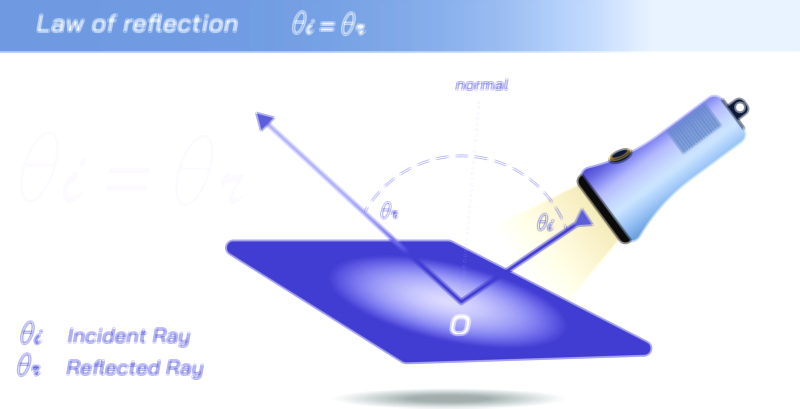
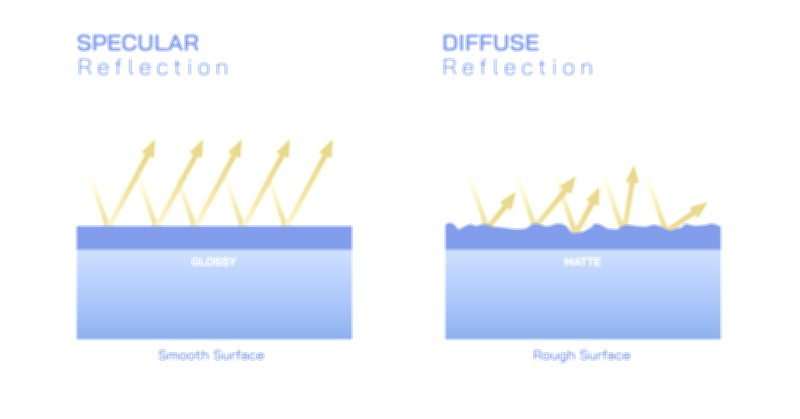
When light encounters a water drop, it undergoes two fundamental optical phenomena: refraction and reflection. These processes explain how rainbows, glimmers, and other optical effects are created in nature. Refraction occurs when light passes from one medium to another, such as from air into water, causing the light to bend due to a change in its speed. Reflection occurs when light strikes a surface and bounces back into the medium it came from. Together, these phenomena govern the behavior of light inside a water droplet.
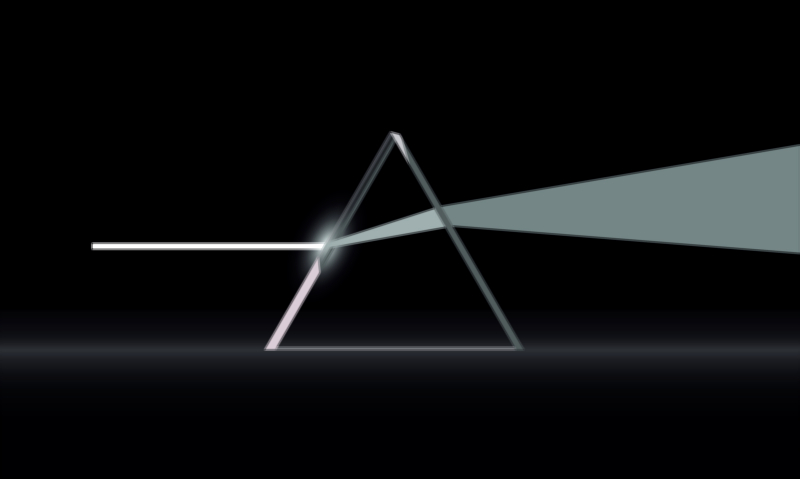
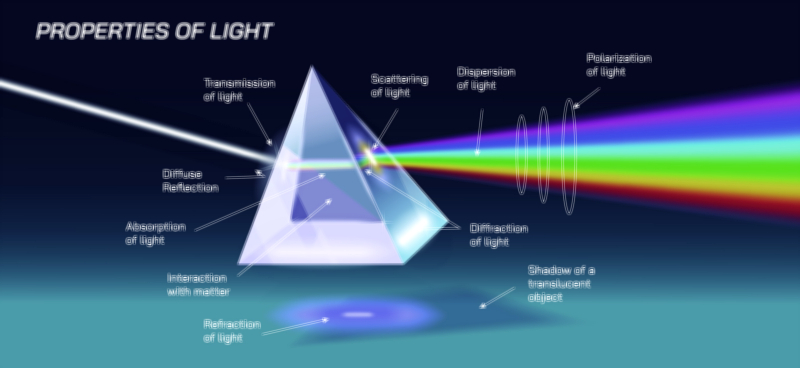
As sunlight enters a spherical water drop, it first refracts at the surface, bending as it moves from air into the denser water medium. This bending separates the light into its constituent colors due to dispersion, as each wavelength bends at a slightly different angle. The light then travels inside the drop and reflects off the inner surface of the droplet. After reflection, the light exits the drop, undergoing refraction again as it moves from water back into air. The combination of refraction upon entry, internal reflection, and refraction upon exit determines the angle at which light emerges and reaches the observer’s eye.
This sequence of events explains the formation of rainbows. The bending of light and internal reflection create multiple angles at which different colors emerge, resulting in a circular spectrum visible when sunlight interacts with countless droplets during rain. The principles of reflection and refraction in a drop also apply to dew, mist, and other small water droplets, creating glimmers, halos, and shimmering effects in natural and artificial settings.
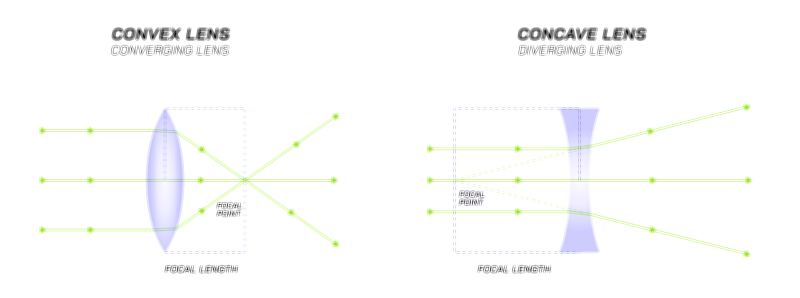
Understanding reflection and refraction in droplets is important in optics and physics, as it demonstrates the behavior of light in spherical media, the interaction of light with transparent surfaces, and the principles behind lenses and optical instruments. This knowledge is applied in designing optical devices, understanding natural phenomena, and explaining visual effects in the atmosphere.
In conclusion, reflection and refraction in a water drop govern how light bends, splits into colors, and exits the droplet, producing beautiful optical effects such as rainbows. By studying these processes, we gain insight into the physics of light, dispersion, and natural visual phenomena, highlighting the interplay between light, water, and observation in the natural world.