Visible Spectrum — Range of Light Wavelengths
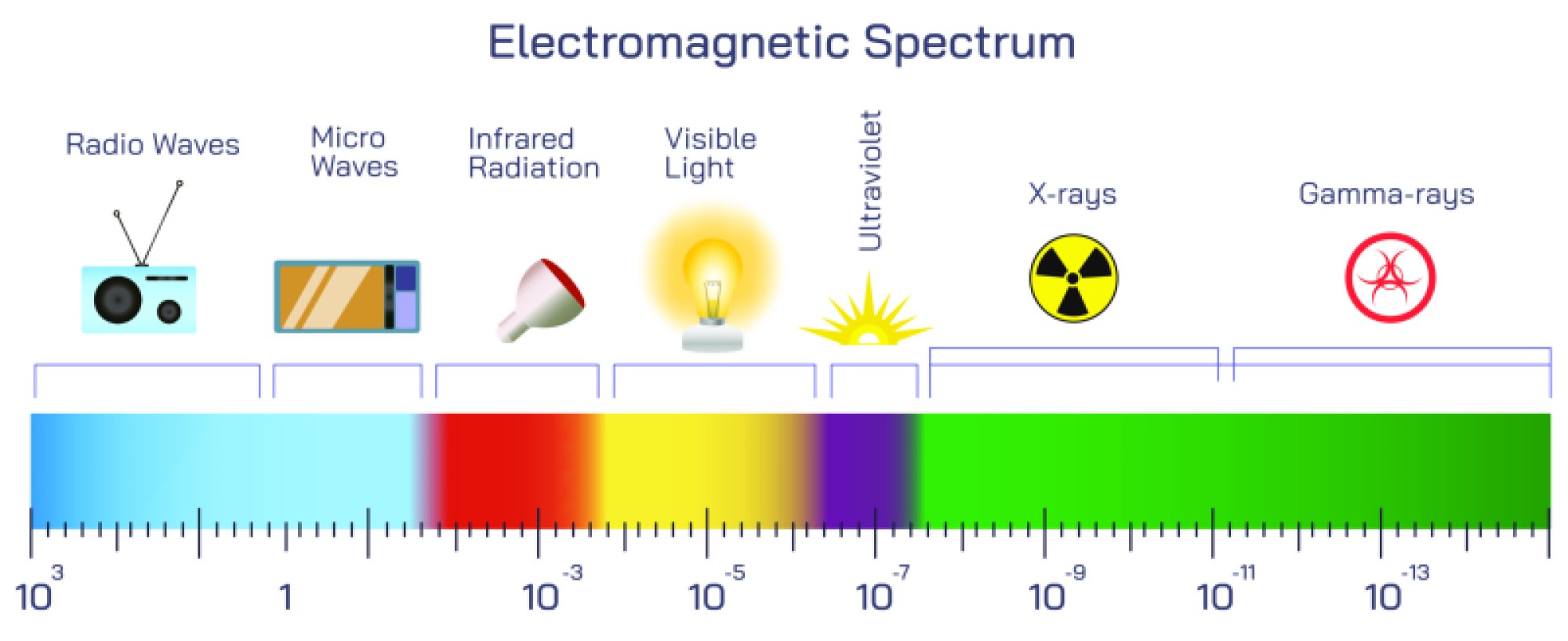
The visible spectrum represents the narrow portion of electromagnetic radiation that the human eye can perceive, a slender band of radiant energy that shapes nearly everything we observe in daily life. Although the electromagnetic spectrum stretches from unimaginably long radio waves to exceptionally short gamma rays, the visible region occupies only a small segment within this vast continuum. Yet despite its limited span, it defines the colours, contrasts, and visual sensations that form the basis of human perception. Understanding the visible spectrum requires exploring not only the physical nature of light but also the biological mechanisms that allow the eye to detect it, the historical development of colour studies, the way this range interacts with materials, and the profound roles it plays in art, technology, communication, and the natural world. Without resorting to mathematical symbolism, the exploration becomes a richly descriptive journey through the characteristics, boundaries, and significance of visible light.
The visible spectrum is often described as consisting of colours that humans recognise instinctively: reds, oranges, yellows, greens, blues, and violets. Each colour corresponds to a particular band of radiant energy, gradually transitioning from one shade to another in a continuous and seamless progression. This graceful blending of hues reflects the underlying continuity of electromagnetic radiation. Although diagrams traditionally depict discrete colour bands, in reality the spectrum offers an unbroken gradient. The human visual system selects and interprets various sections of this gradient based on how the retina responds to light. The retina contains specialised cells known as cones, each sensitive to specific ranges within the spectrum. Together, these cells allow the brain to combine their signals into the experience of full colour perception, demonstrating that colour arises from both physical and biological dimensions working in harmony.
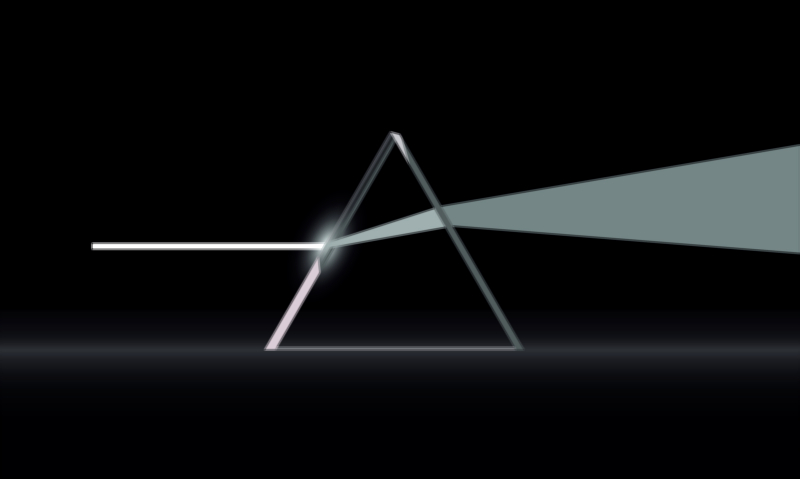
Historically, the understanding of the visible spectrum advanced dramatically when early scientists realized that white light is not a uniform substance but a composite of many colours. Through experiments that separated light into its constituent bands, it became clear that each colour possessed its own unique character and that the spectrum extended beyond the boundaries visible to the eye. These discoveries eventually revealed that the visible region is only one part of a much larger electromagnetic continuum. The fact that human vision is limited to this specific section is largely tied to biological evolution, because the environment in which early life developed offered abundant solar radiation in this particular band, making it advantageous for organisms to evolve sensors optimised for this range. The atmosphere also transmits these wavelengths efficiently, ensuring that they reach the Earth’s surface in significant amounts, reinforcing the evolutionary importance of being sensitive to them.
In nature, countless processes depend on the visible spectrum. Plants rely on visible light for photosynthesis, using selective portions of the spectrum to drive energy conversion. Their pigments absorb certain colours while reflecting others, giving vegetation its characteristic green appearance. Animals use visible light for navigation, communication, and survival, many developing eyes specifically tailored to the conditions in their environments. Some species expand beyond the human-visible range, perceiving ultraviolet or near-infrared light, demonstrating how the visible spectrum is ultimately a human-centred definition rather than a universal boundary. Nonetheless, for humans, this band represents the full palette from which visual experiences arise, colouring skies, oceans, sunsets, forests, and every object we see.
The interaction between visible light and matter explains why objects appear to have certain colours. When light strikes an object, some segments of the spectrum are absorbed while others are reflected or transmitted. The reflected portions reach the eye and define the colour perceived. This interplay depends on the structure of molecules within the object, as different molecular arrangements favour the absorption of different parts of the spectrum. The richness of colours in paints, textiles, natural minerals, and biological forms all derives from the ways in which their internal structures engage with this narrow but potent region of light. Even subtle variations in structural composition can alter which parts of the spectrum are reflected, creating differences in shades, brightness, and saturation.
The visible spectrum also forms the foundation of colour technologies that dominate modern life. Everything from digital screens to printed materials relies on manipulating portions of this spectrum to produce vivid images. Electronic displays generate colours by combining small amounts of light in selected wavelengths, exploiting the way human vision blends signals from the cones. Printers simulate colours by applying pigments that subtract selected parts of the spectrum from white light, leaving only the desired colours to be reflected. These techniques, built upon centuries of study, show how understanding the visible spectrum has enabled technology to reproduce natural colours with remarkable accuracy, bringing photographs, designs, and artworks into a wide range of digital and physical formats.
Furthermore, the visible spectrum plays a central role in communication. Traffic lights, signage, signals, and countless visual markers rely on consistent interpretations of certain colours. The choice of red for warnings, green for permission, and blue for informational cues reflects both cultural conventions and biological sensitivities. Red occupies one edge of the visible range and naturally commands attention because of how the eye processes longer wavelengths. Greens and blues dominate natural environments, making them soothing and familiar. Designers of safety systems, user interfaces, and visual communication tools consider these interactions to ensure clarity, accessibility, and effectiveness. The visible spectrum thus becomes more than an arrangement of colours; it becomes a medium through which meaning is conveyed.
Artistic expression also owes an immeasurable debt to the visible spectrum. Painters, photographers, and designers explore its full extent, experimenting with contrasts, harmonies, shadows, and saturations to evoke emotion and narrative. Artists have long studied how light behaves under different conditions, how colours interact, and how the human eye responds to changes in brightness and hue. This understanding enables them to manipulate the spectrum to create depth, rhythm, and atmosphere. Whether through stained glass filtering sunlight, oil paints capturing dramatic highlights, or modern digital palettes offering limitless gradients, the visible spectrum becomes a playground for creativity, shaping human culture and imagination.
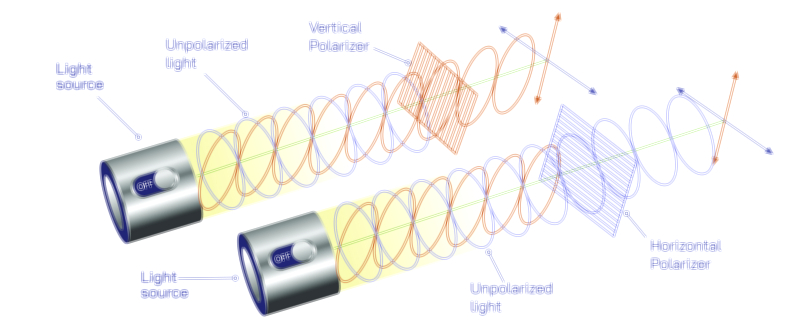
In scientific research, the visible spectrum often serves as a stepping stone to exploring other parts of the electromagnetic range. Instruments that observe the visible region help astronomers study stars and galaxies, chemists analyse material properties, and physicists investigate optical phenomena. The behaviour of light within this range reveals information about reflection, refraction, scattering, diffraction, and polarization, all of which contribute to broader knowledge about the nature of electromagnetic radiation. Understanding visible light thus provides insight into principles that extend far beyond the limits of human vision.
The visible spectrum also connects deeply with atmospheric phenomena. Rainbows, for example, occur when sunlight passing through droplets is separated into its constituent colours, each bending at slightly different angles. Sunsets appear redder when atmospheric particles scatter shorter wavelengths more effectively, allowing longer wavelengths to dominate the sky. Blue skies arise because air molecules scatter shorter wavelengths more strongly. These everyday sights demonstrate how the visible spectrum interacts with air, water, and particles to produce familiar yet astonishing displays of colour. They show that even ordinary natural scenes owe their appearance to the way specific segments of radiant energy behave under varying conditions.
Beyond natural beauty, visible light also supports practical activities such as photography, interior lighting, stage design, and horticulture. Cameras must capture fine distinctions within the spectrum to reproduce scenes faithfully. Lighting designers choose bulbs that emit selected portions of the spectrum to create warm, cool, or neutral atmospheres. Stage productions use coloured lighting to enhance mood and storytelling. Greenhouses adapt lighting systems to target the parts of the spectrum most useful for plant growth. In each case, the behaviour of light within the visible band becomes a tool for shaping environments and outcomes.
Ultimately, the visible spectrum represents a bridge between the physical world and human perception. It is both an objective range of radiant energy and a subjective canvas upon which experience is painted. The colours we see, the art we create, the technologies we use, and the natural scenes that surround us all depend on this slender portion of the electromagnetic landscape. Its boundaries reflect human biology, its beauty reflects the natural world, and its utility reflects centuries of scientific understanding and innovation. Even though it forms only a narrow slice of the full spectrum, its influence permeates nearly every aspect of life, shaping how we perceive reality and how we express ourselves within it.