Parts of Mouth — Structure, Functions, and Importance
The human mouth, also called the oral cavity, is a complex and essential part of the body that plays a vital role in digestion, speech, and overall oral health. It contains several distinct parts, each with a specific function that contributes to the proper functioning of the mouth and the body as a whole. Understanding these parts is fundamental in human anatomy, dentistry, and biology.
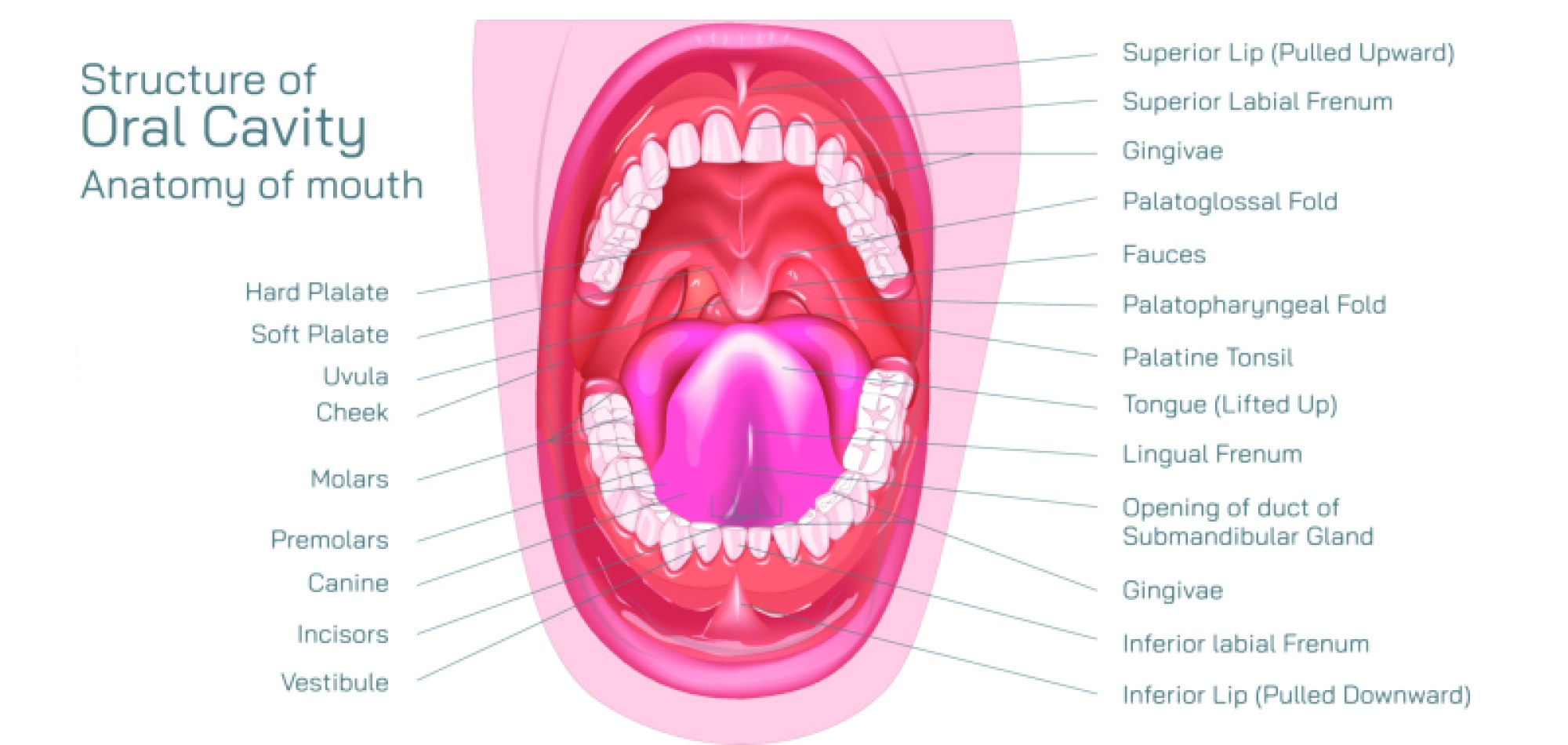
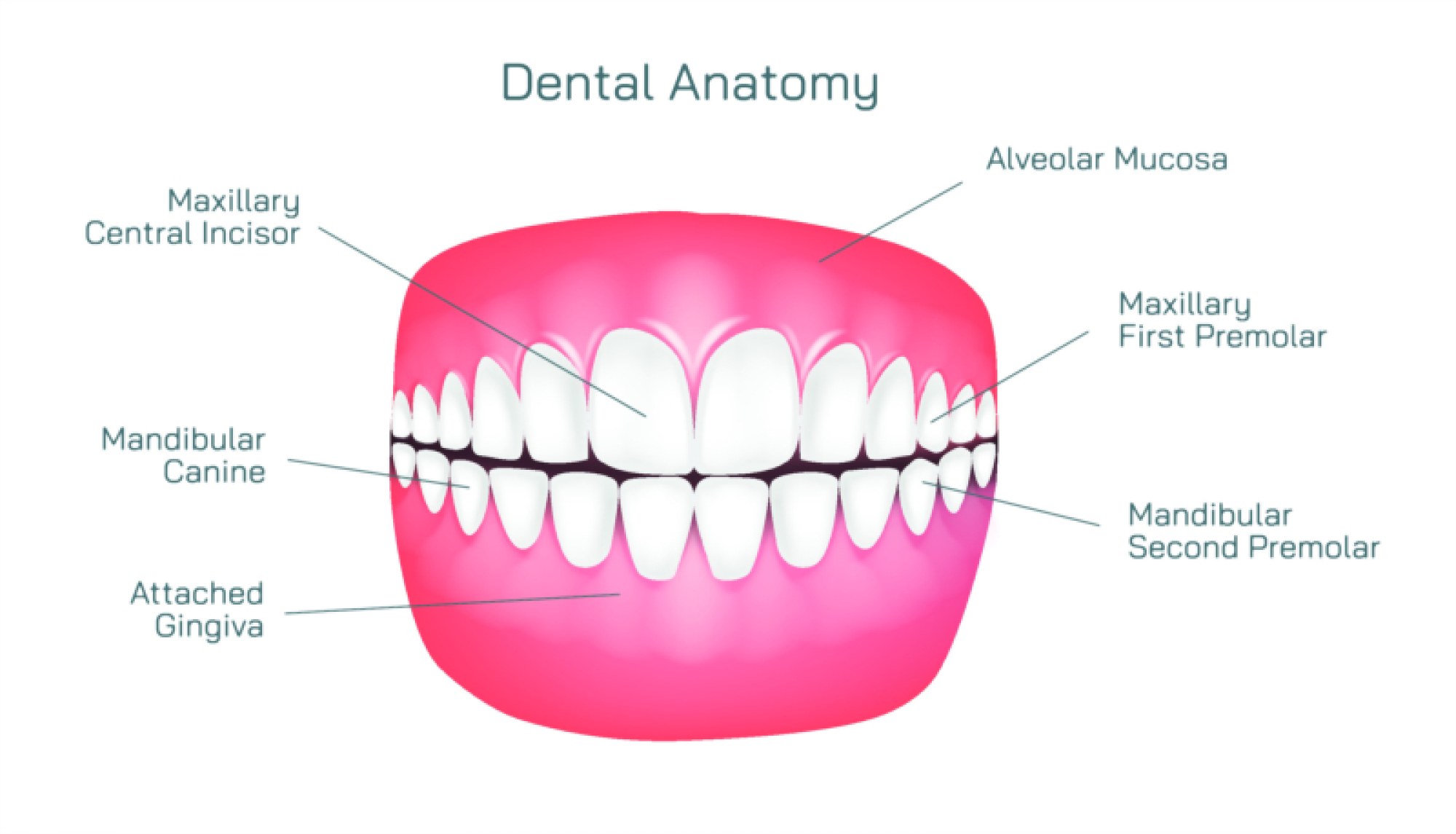
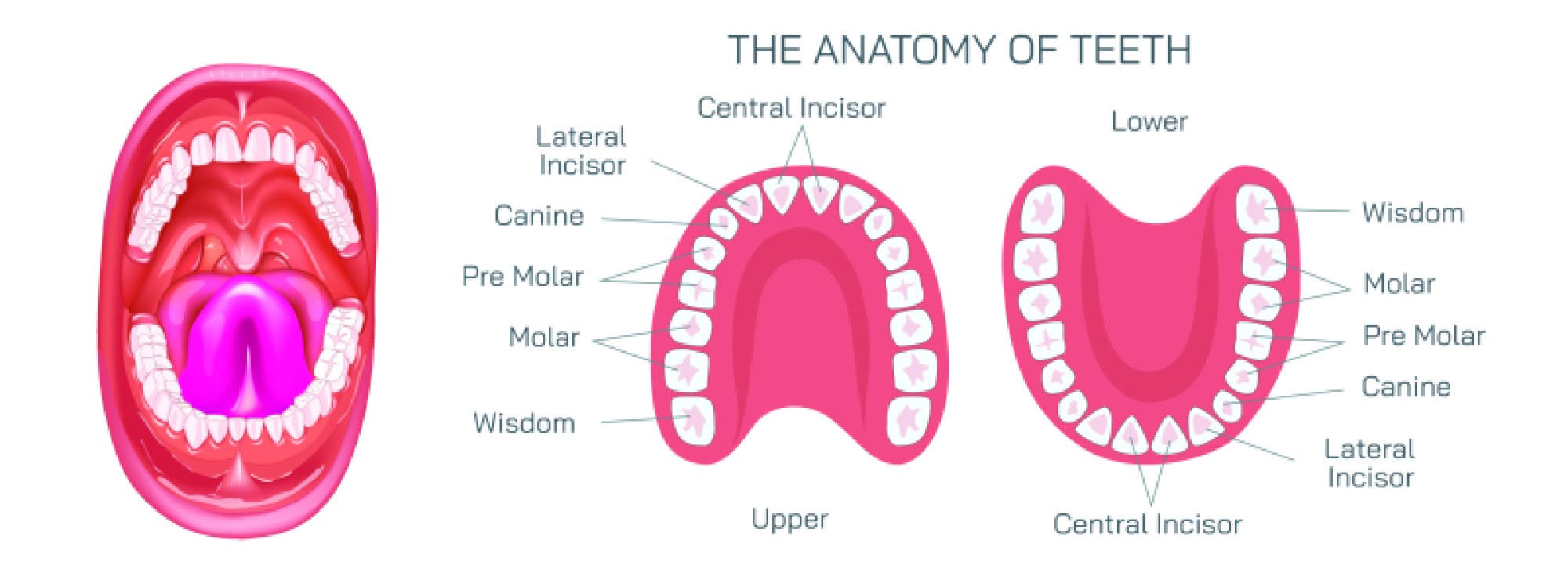
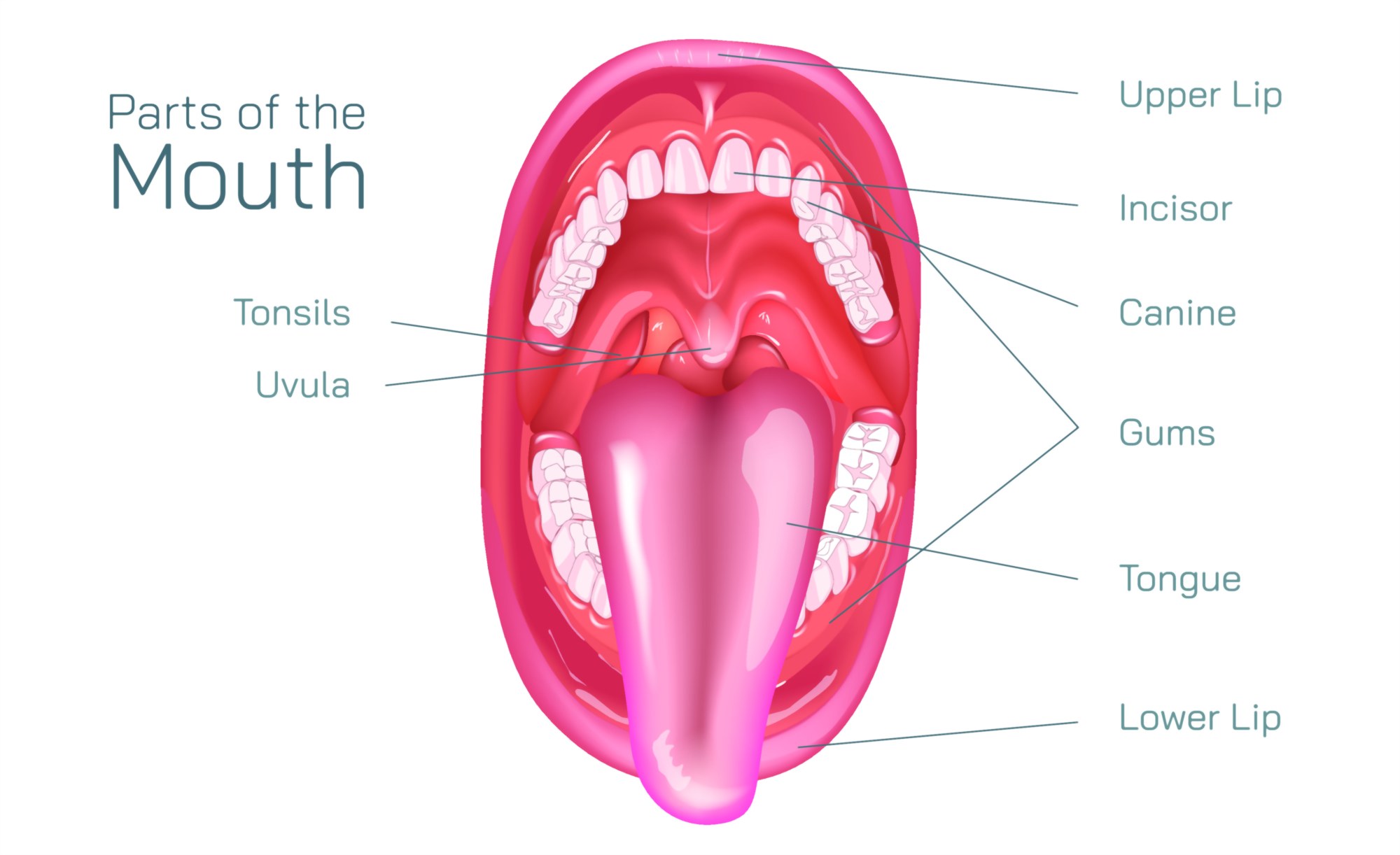
The teeth are hard, calcified structures responsible for mechanically breaking down food into smaller pieces during chewing. They are classified into incisors, canines, premolars, and molars, each designed for cutting, tearing, or grinding food. Surrounding the teeth are the gums (gingiva), which provide support, protect the teeth, and prevent infections. The tongue is a muscular organ that aids in tasting, moving food during chewing, and swallowing. It contains taste buds that detect various flavors, contributing to sensory perception and appetite. The tongue also plays a critical role in speech by helping to form sounds and articulate words clearly.
The hard palate forms the roof of the mouth at the front, providing a rigid surface for food manipulation, while the soft palate is located at the back and closes the nasal passage during swallowing to prevent food from entering the nose. The floor of the mouth contains the tongue and openings for the salivary glands, which produce saliva. Saliva moistens food, begins the enzymatic digestion of carbohydrates, and helps maintain oral hygiene by washing away bacteria and food particles. Other important structures include the uvula and tonsils, which contribute to immune defense and the proper functioning of the oral cavity.
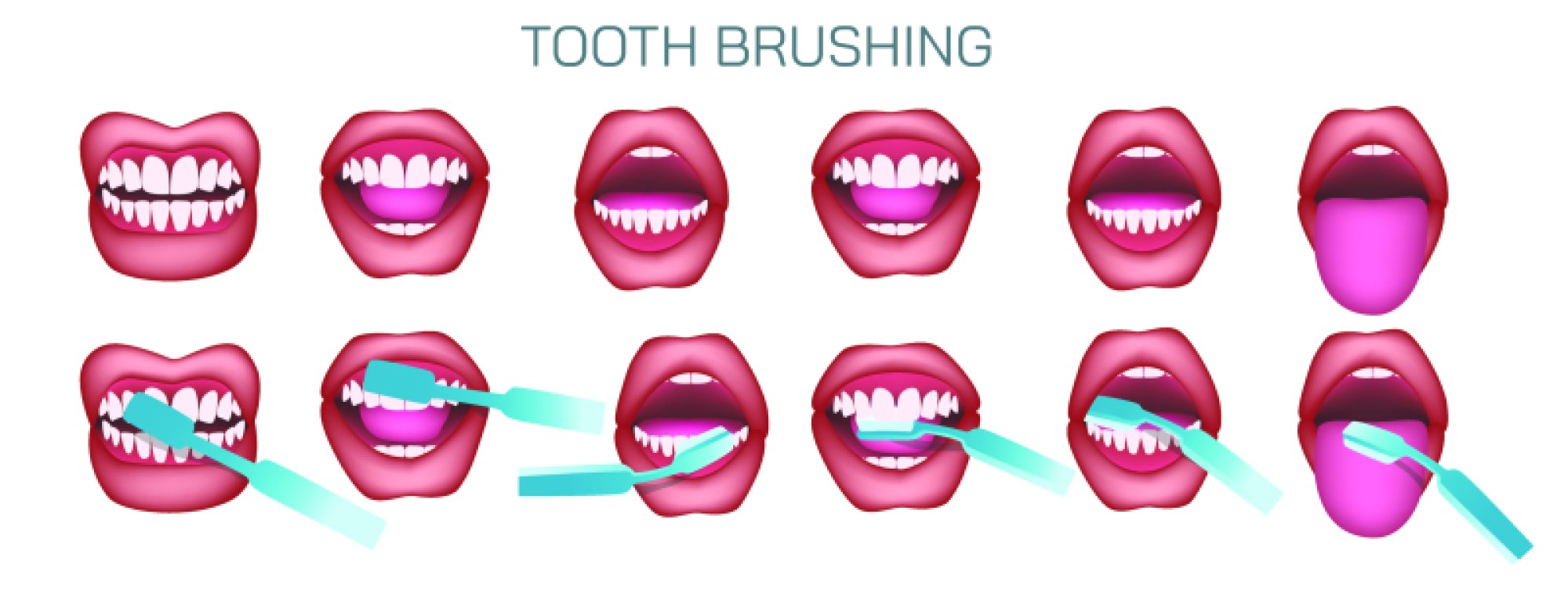
Together, these parts of the mouth work in coordination to perform chewing, swallowing, tasting, speaking, and protecting the body from pathogens. Maintaining oral health through proper hygiene, diet, and regular dental checkups is essential for ensuring that all these structures function effectively. Studying the parts of the mouth also provides insight into human physiology, nutrition, speech, and the prevention of oral diseases.
In conclusion, the mouth consists of several interconnected parts including teeth, tongue, hard and soft palate, gums, and salivary glands, each performing crucial roles in digestion, speech, and health. Their combined functions make the oral cavity an essential organ system for daily life, emphasizing the importance of understanding, caring for, and maintaining these structures for overall well-being.