Mouth Anatomy — Structure, Parts, and Functions
The human mouth, or oral cavity, is a complex structure that plays a crucial role in digestion, speech, and overall health. It serves as the entry point for food and liquids, initiating the digestive process while also contributing to communication and sensory perception. Understanding mouth anatomy provides insights into dental health, nutrition, and oral physiology, making it a vital topic in human biology and medicine.
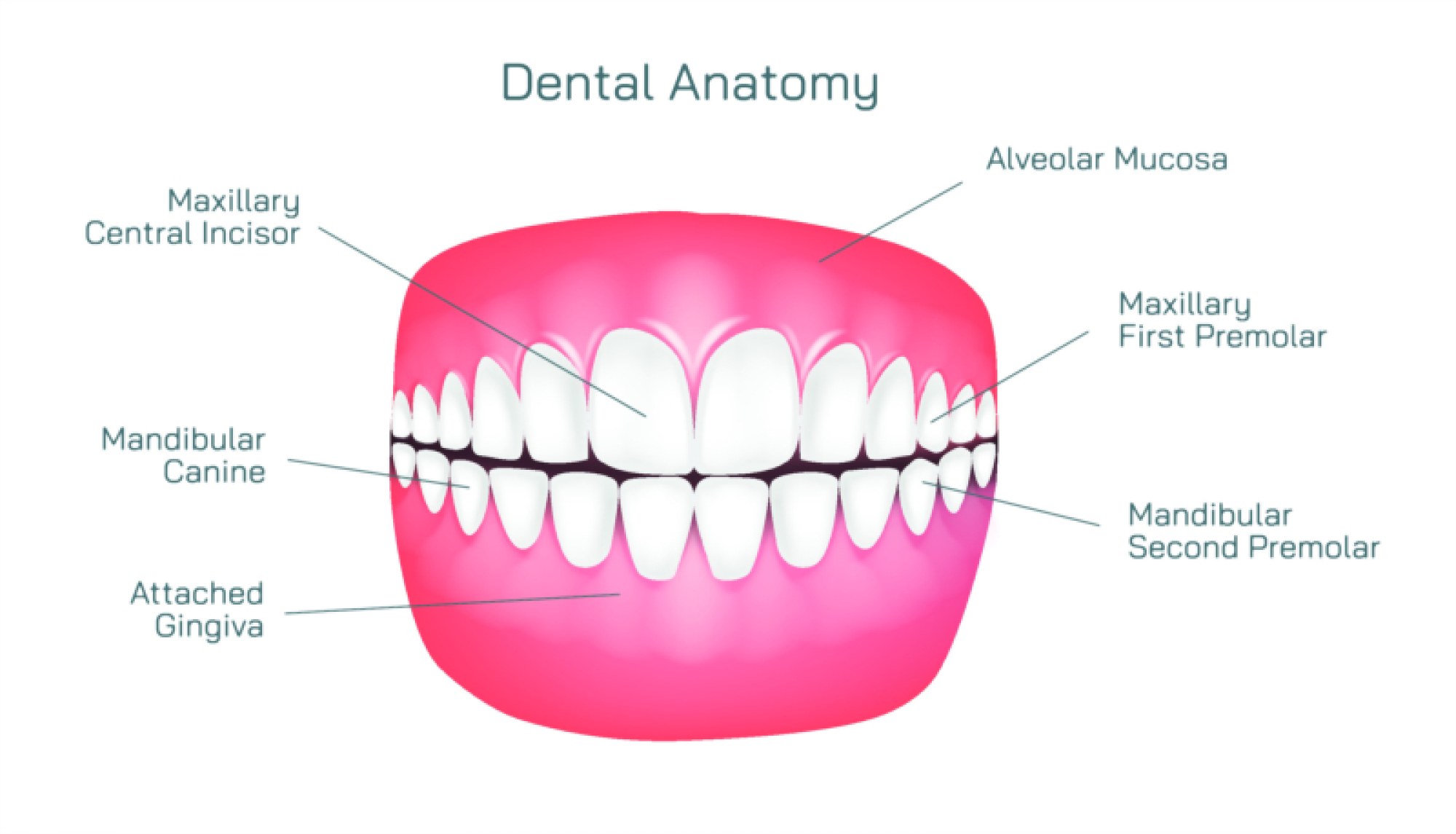
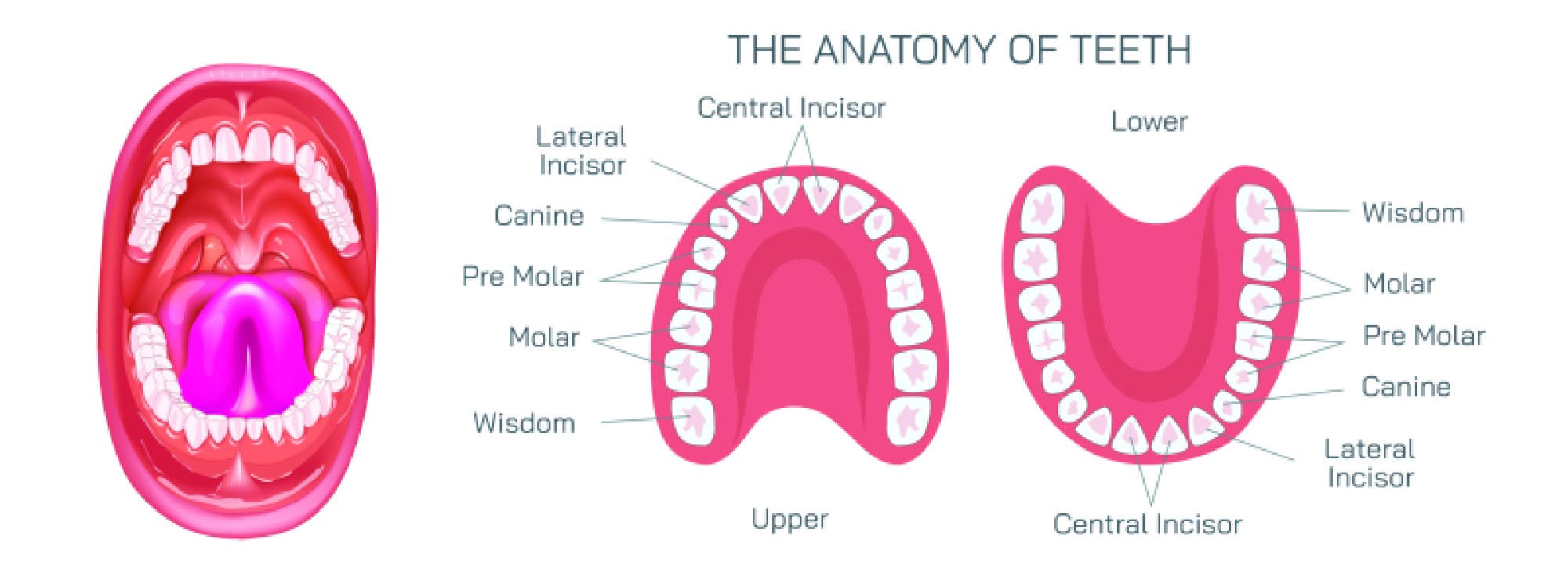
The teeth are hard, calcified structures embedded in the jaws and are essential for mechanical digestion. They cut, tear, and grind food into smaller particles suitable for swallowing and enzymatic breakdown. Human teeth are divided into incisors, canines, premolars, and molars, each specialized for specific functions. Surrounding the teeth, the gums (gingiva) provide support and protection, helping maintain dental integrity and preventing infections.
The tongue is a muscular organ that facilitates taste, manipulation of food, and swallowing. It contains taste buds that detect sweet, sour, salty, bitter, and umami flavors, contributing to sensory experience and appetite regulation. The tongue also assists in speech by shaping sounds and aiding in pronunciation.
The roof of the mouth consists of the hard palate at the front and the soft palate at the back. The hard palate provides a rigid surface for food manipulation, while the soft palate closes the nasal passages during swallowing, preventing food from entering the nasal cavity. The floor of the mouth contains the tongue and openings of major salivary glands, which secrete saliva to moisten food, begin enzymatic digestion, and maintain oral hygiene by washing away bacteria.
Other important structures include the salivary glands (parotid, submandibular, and sublingual), which produce saliva containing enzymes like amylase to start carbohydrate digestion. The uvula, tonsils, and oral mucosa also contribute to immune defense and proper functioning of the oral cavity. Together, these structures work in coordination to perform chewing, swallowing, tasting, speaking, and protecting the body from pathogens.
In conclusion, the human mouth is a multifunctional organ essential for digestion, speech, taste, and oral health. Its components — teeth, tongue, palate, salivary glands, gums, and mucosa — work together to mechanically and chemically process food, facilitate communication, and defend against pathogens. Studying mouth anatomy enhances understanding of human physiology, dental care, and overall health, emphasizing the oral cavity’s critical role in daily life and bodily functions.