Human Cell — Structure, Organelles, and Functions
The human cell is the basic structural and functional unit of the human body, forming the foundation of all tissues and organs. Human cells are eukaryotic, meaning they have a defined nucleus enclosed by a nuclear membrane and various membrane-bound organelles that carry out specific functions. Cells perform essential tasks including energy production, protein synthesis, genetic information storage, and maintenance of homeostasis. Understanding the structure and function of human cells is fundamental in biology, medicine, and health sciences.
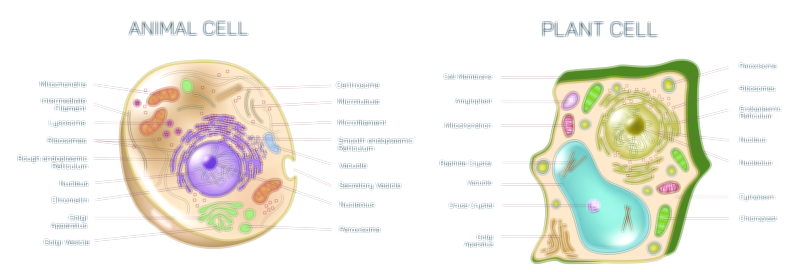
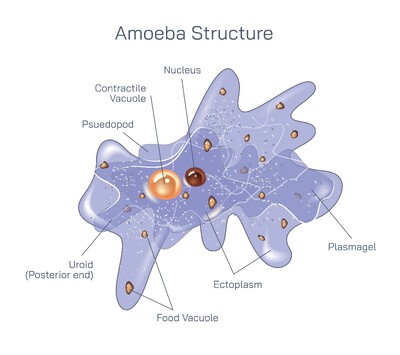
The cell membrane, also called the plasma membrane, forms the outer boundary of the human cell, regulating the movement of substances in and out of the cell and maintaining internal stability. The cytoplasm is the gel-like substance inside the cell where organelles are suspended and metabolic reactions occur. At the center of the cell lies the nucleus, which contains DNA and controls cellular activities such as growth, reproduction, and gene expression.
Among the important organelles, mitochondria generate energy through cellular respiration, converting glucose into ATP, the cell’s energy currency. The endoplasmic reticulum (ER), rough and smooth, plays roles in protein synthesis, lipid production, and detoxification. Ribosomes synthesize proteins based on genetic instructions, while the Golgi apparatus processes, packages, and transports proteins and lipids. Lysosomes contain digestive enzymes that break down waste and cellular debris, ensuring proper cellular cleanup and recycling. Additionally, the cytoskeleton provides structural support, facilitates movement, and organizes intracellular transport.
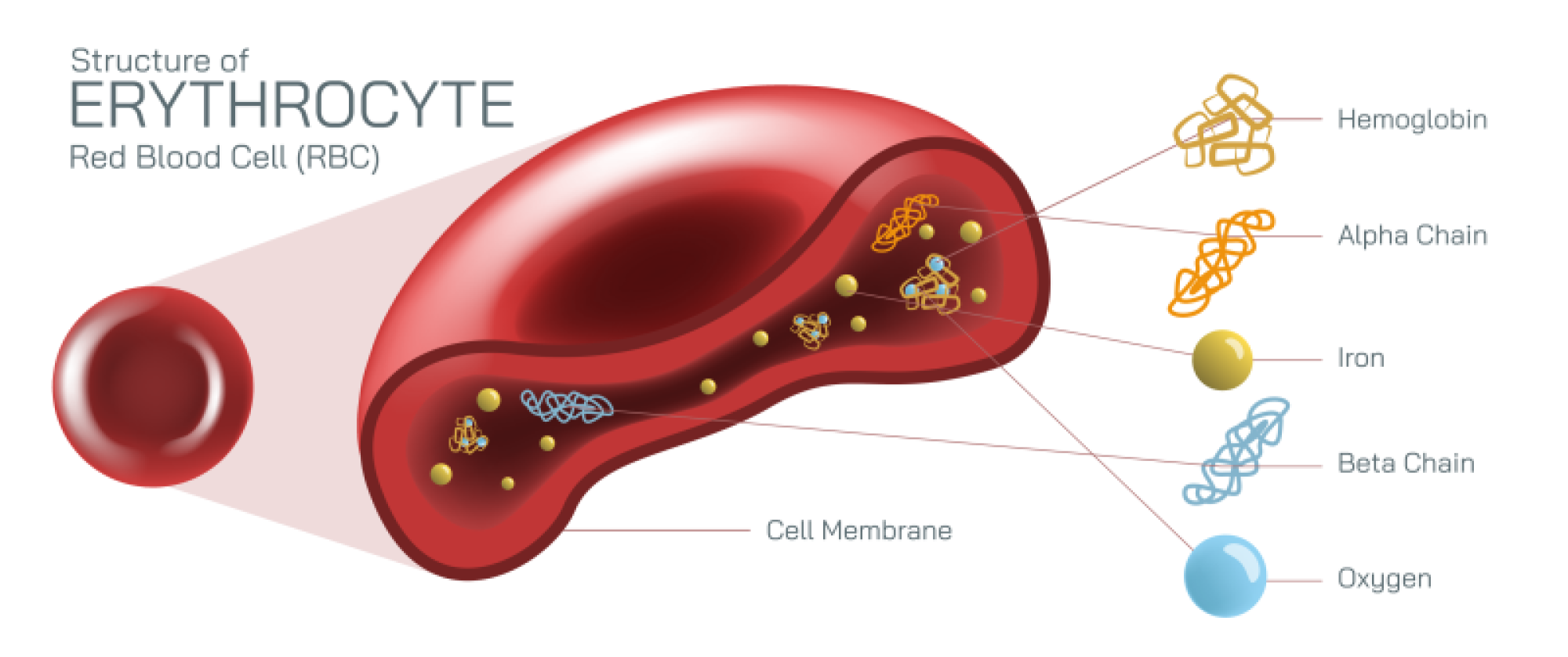
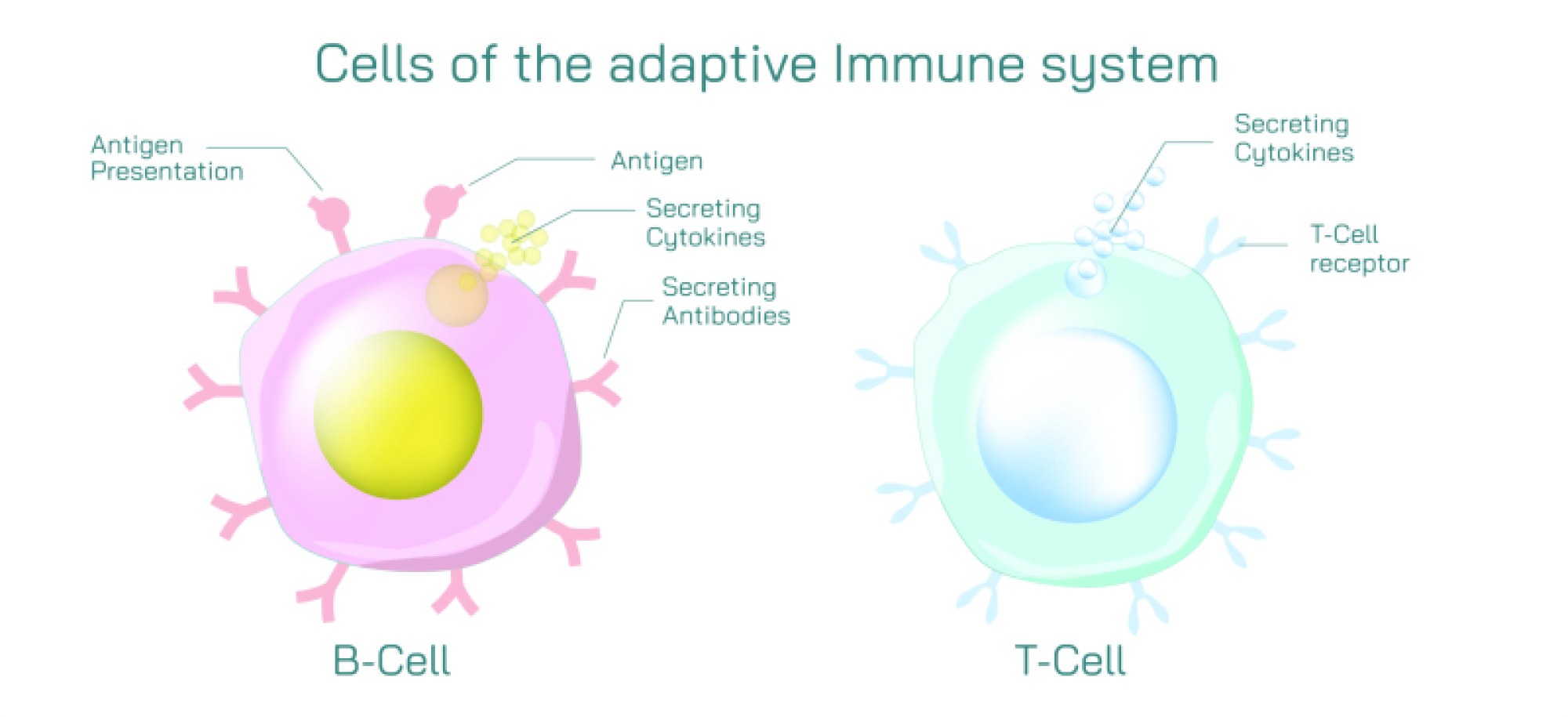
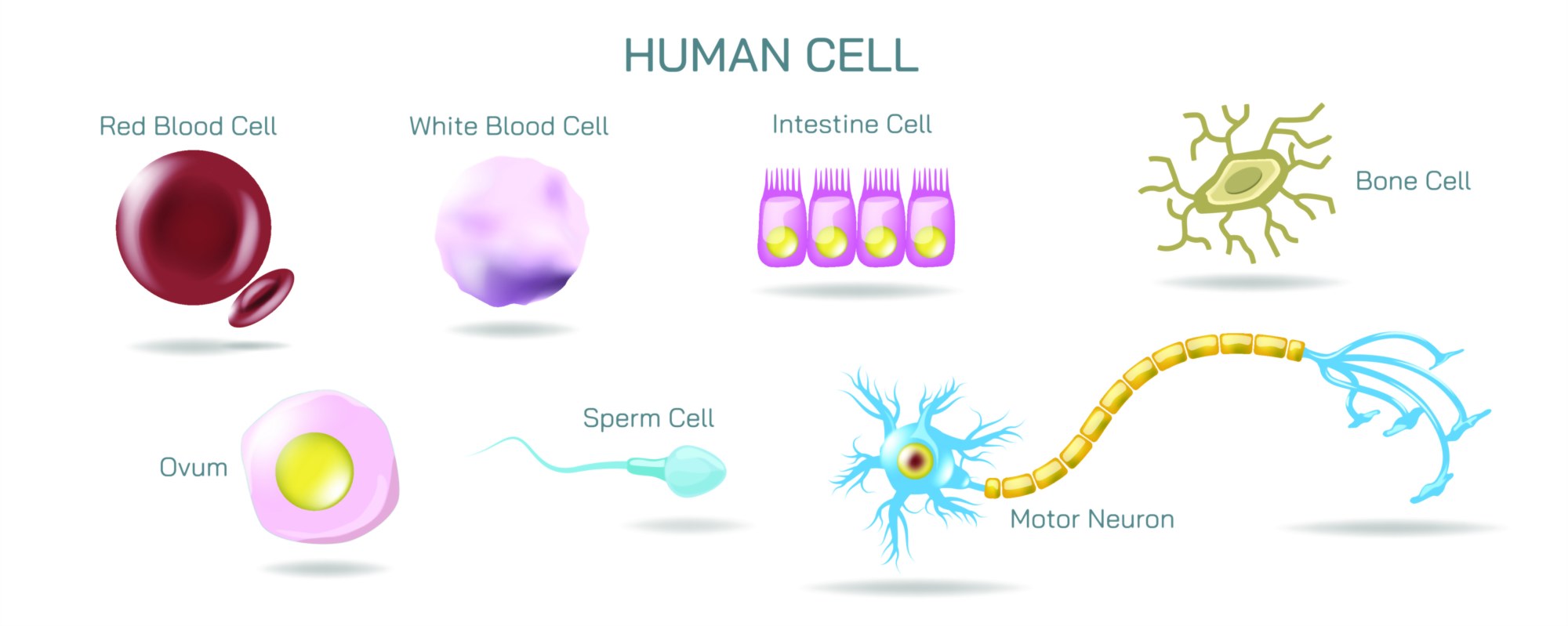
Human cells also exhibit diversity, with specialized types such as nerve cells, muscle cells, red blood cells, and epithelial cells, each adapted to perform specific functions. This cellular specialization allows complex organisms like humans to perform a wide range of physiological processes efficiently. Cell communication and interaction with the extracellular environment are vital for tissue formation, immune response, and overall organismal health.
Studying human cells provides insights into normal physiology and pathological conditions. Cell biology underpins modern medicine, enabling understanding of genetic disorders, cancer, infectious diseases, and regenerative therapies. Visualizing human cells through diagrams, microscopy, and models helps students and researchers grasp their intricate structures, organelle functions, and the dynamic processes that sustain life.
In conclusion, the human cell is a highly organized and dynamic unit that forms the basis of life. Its organelles work in coordination to perform critical functions, maintain homeostasis, and support tissue and organ activity. Understanding the structure, components, and functions of human cells is essential for biology education, medical research, and applications in healthcare, illustrating the remarkable complexity and adaptability of life at the cellular level.