DNA Molecules — Structure, Function, and Genetic Significance
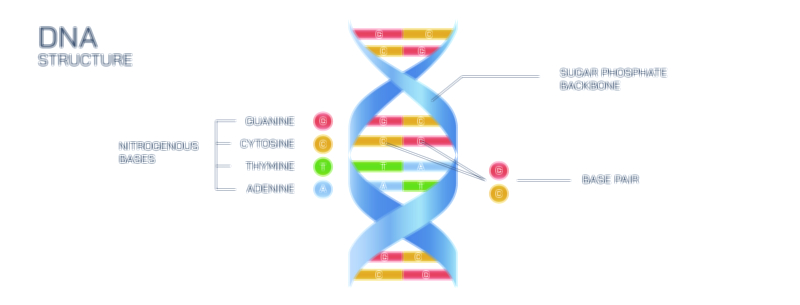
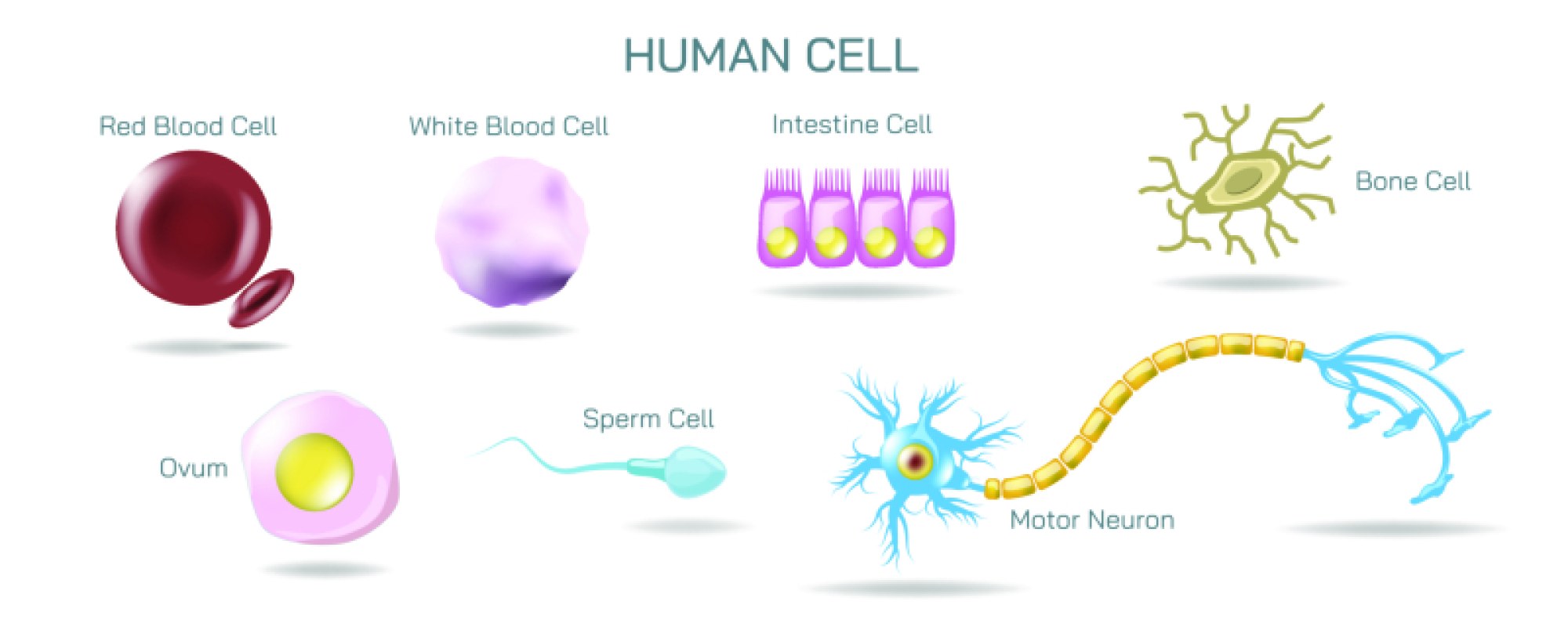
DNA molecules are the fundamental carriers of genetic information in all living organisms. The term DNA stands for deoxyribonucleic acid, and its molecules are composed of long chains of nucleotides that encode the instructions for building and maintaining cells. DNA is found primarily in the cell nucleus in eukaryotic organisms and in the cytoplasm of prokaryotes, packaged into structures called chromosomes. Each nucleotide within a DNA molecule consists of a phosphate group, a deoxyribose sugar, and a nitrogenous base, which can be adenine, thymine, cytosine, or guanine.
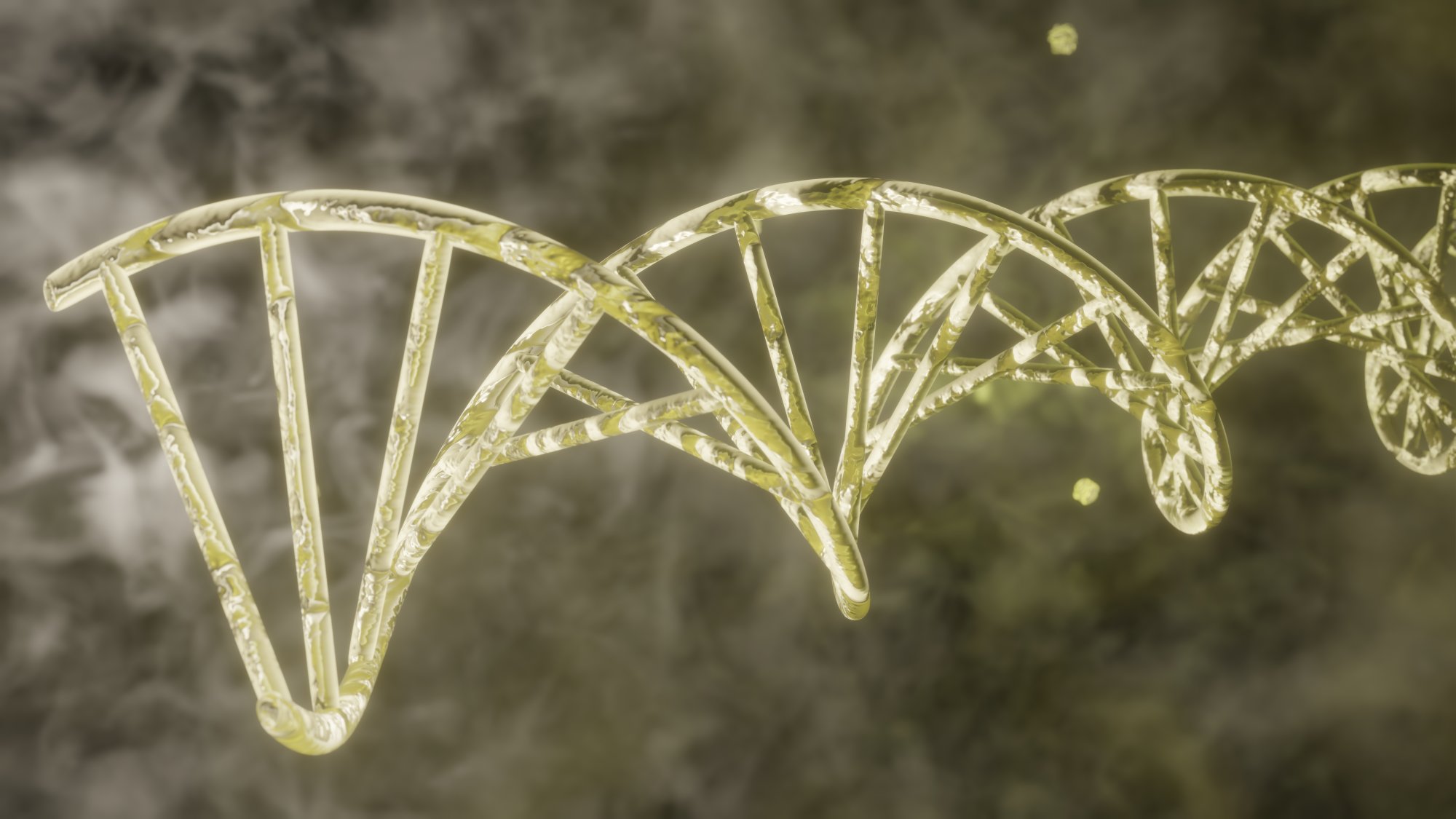
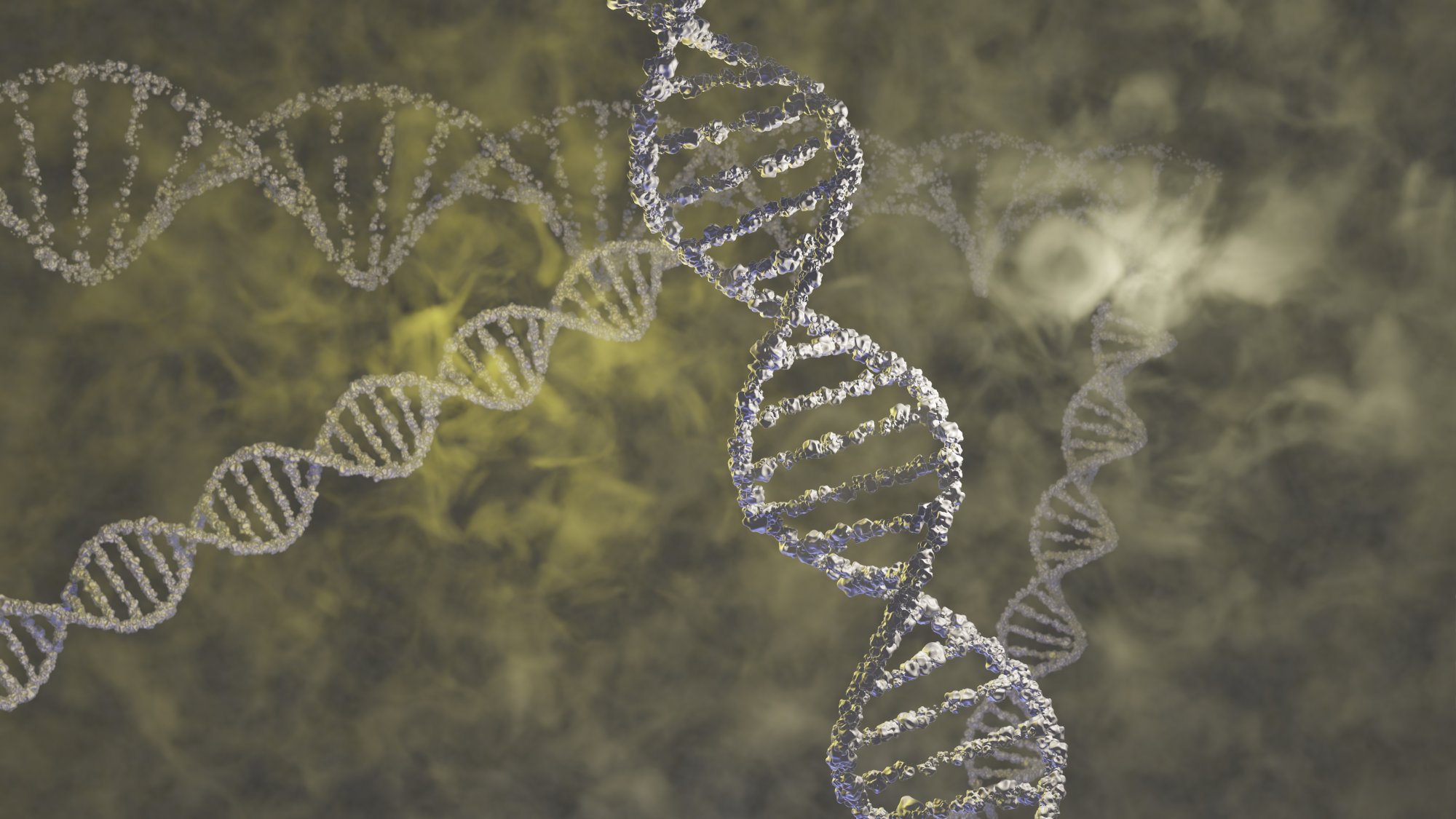
The most distinctive feature of DNA molecules is their double-helix structure, first described by James Watson and Francis Crick. This structure consists of two complementary strands twisted around each other, with base pairs forming the rungs of the helix and sugar-phosphate backbones forming the sides. Adenine pairs with thymine, and cytosine pairs with guanine, creating a stable yet flexible structure capable of storing vast amounts of genetic information. The double-helix allows DNA to replicate accurately during cell division, ensuring that genetic information is passed from one generation to the next.
DNA molecules perform several critical functions in living organisms. They store the genetic code that determines protein synthesis, guide cellular activities, and regulate growth and development. The processes of transcription and translation enable DNA to direct the production of RNA and proteins, which in turn perform essential cellular functions. DNA molecules are also involved in repair mechanisms that maintain genomic integrity, as well as in recombination events that contribute to genetic diversity. Mutations in DNA molecules can lead to variations, some of which may cause genetic disorders or provide evolutionary advantages.
Studying DNA molecules has revolutionized biology, medicine, and biotechnology. Molecular techniques such as DNA sequencing, polymerase chain reaction (PCR), and genetic engineering rely on understanding DNA structure and function. DNA analysis allows scientists to identify organisms, understand hereditary diseases, develop gene therapies, and explore evolutionary relationships. The visualization of DNA molecules using models, illustrations, or molecular imaging helps students and researchers grasp its complex structure and biological significance.
In conclusion, DNA molecules are the blueprint of life, encoding essential information that governs cellular function, heredity, and biological diversity. Their double-helix structure, precise base pairing, and ability to replicate and repair make them indispensable for life. Understanding DNA molecules provides deep insight into genetics, molecular biology, and biotechnological applications, highlighting their critical role in both fundamental science and practical innovations in medicine, agriculture, and research.