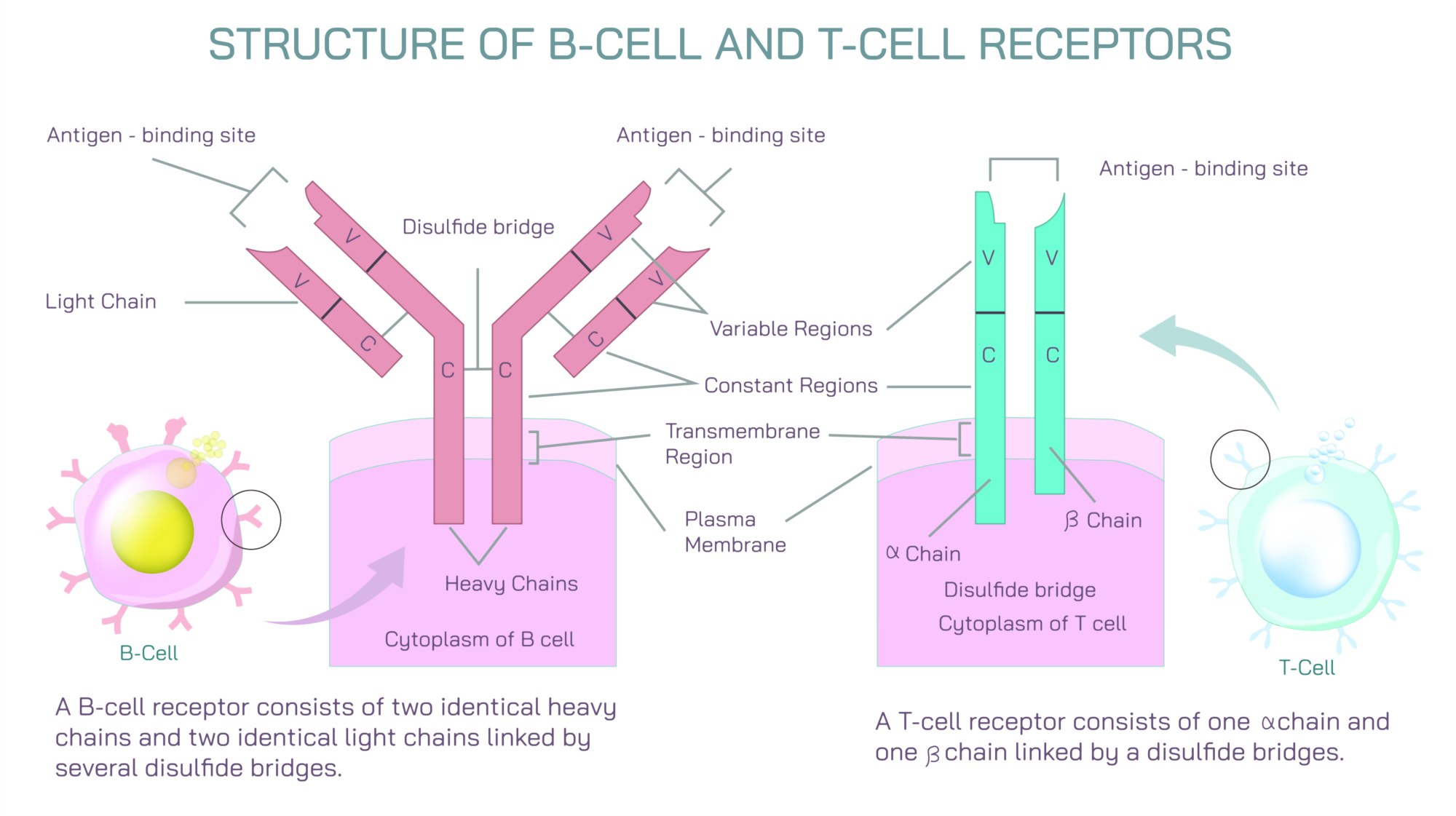
Structure of T and B Cell Receptors — Immune System Recognition Mechanisms
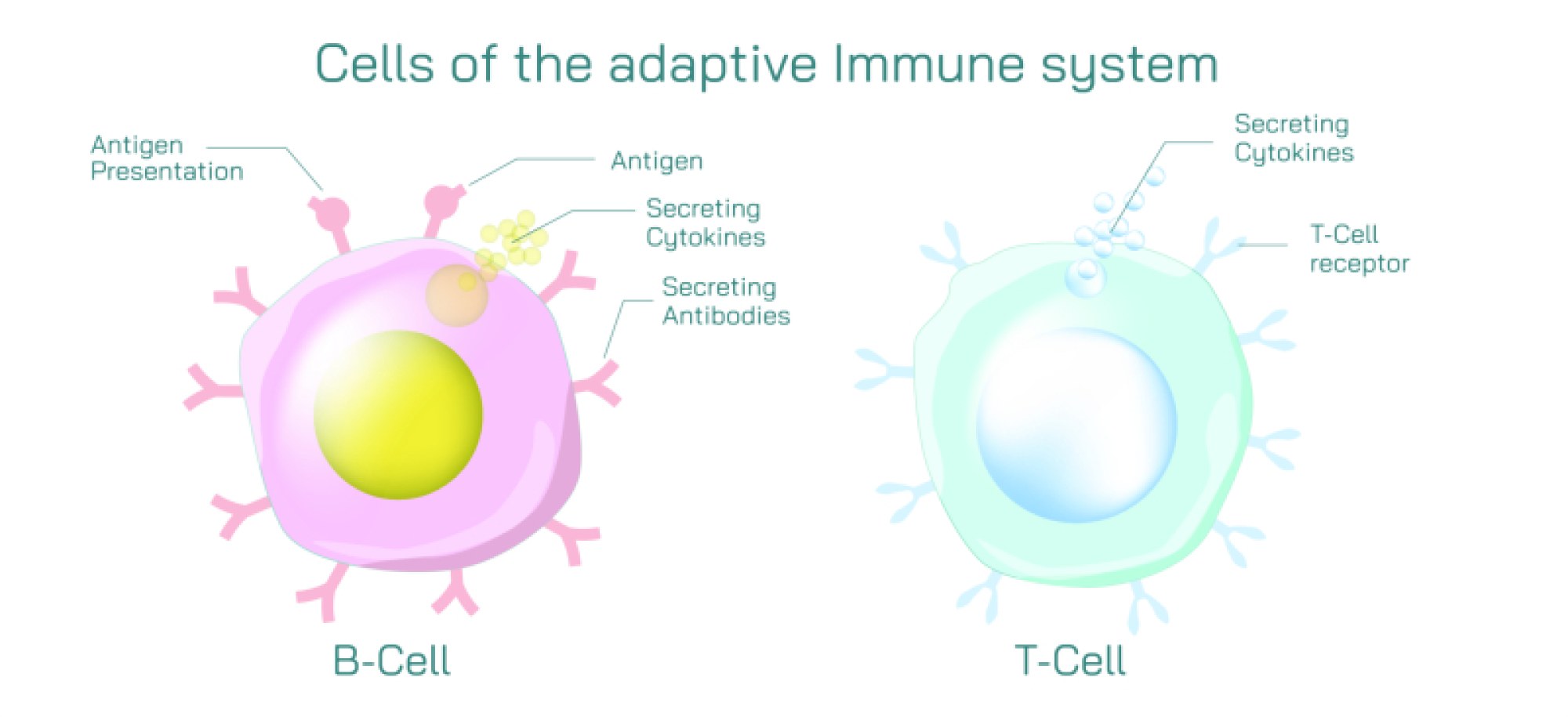
T cells and B cells are central components of the adaptive immune system, responsible for recognizing specific antigens and initiating immune responses. Their ability to identify and respond to pathogens relies on specialized receptors on their surfaces: the T cell receptor (TCR) for T lymphocytes and the B cell receptor (BCR) for B lymphocytes. These receptors have distinct structures that determine antigen specificity and trigger cellular signaling pathways leading to immune activation.
The T cell receptor (TCR) is a membrane-bound protein composed of two polypeptide chains, typically alpha (α) and beta (β), or in some cases gamma (γ) and delta (δ). Each chain has a variable region, which forms the antigen-binding site, and a constant region, which anchors the receptor to the T cell membrane and mediates signaling. TCRs recognize processed antigens presented by major histocompatibility complex (MHC) molecules on the surface of antigen-presenting cells. The specificity of the TCR variable region ensures that each T cell responds only to a particular antigen-MHC complex, enabling precise immune targeting.
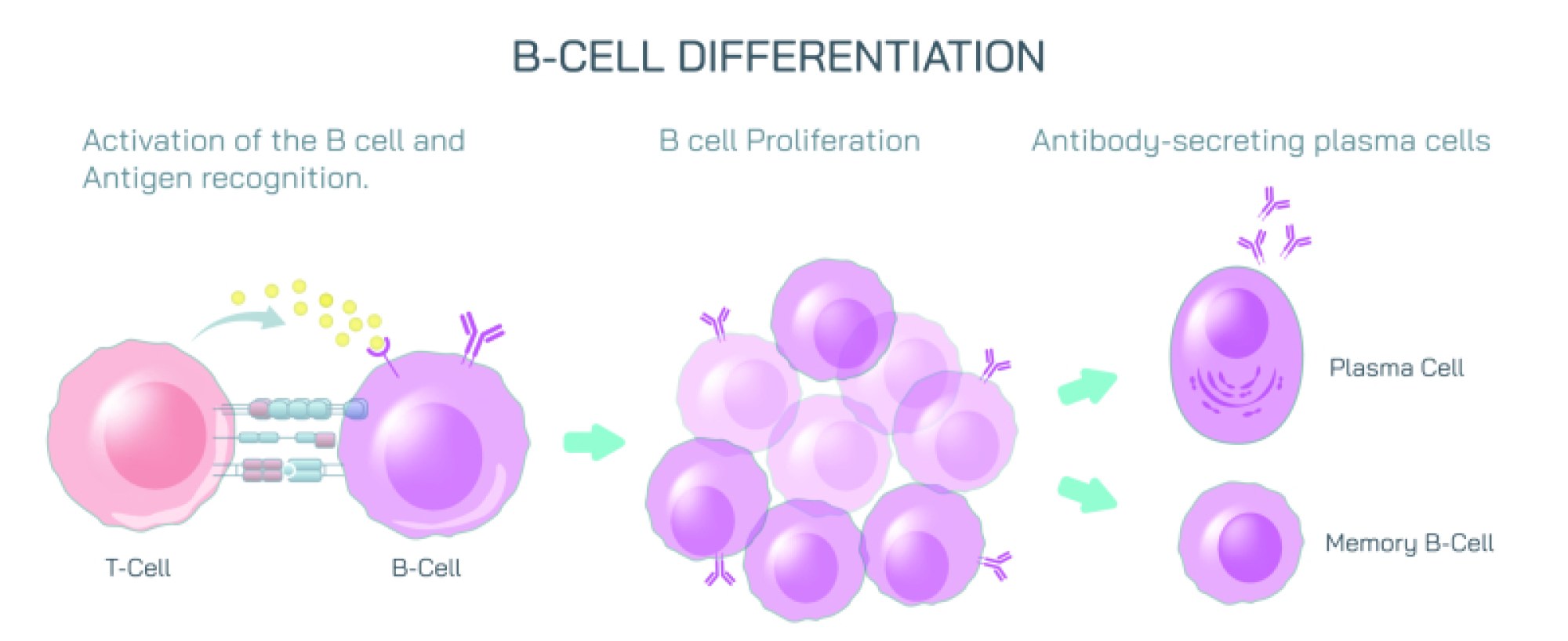
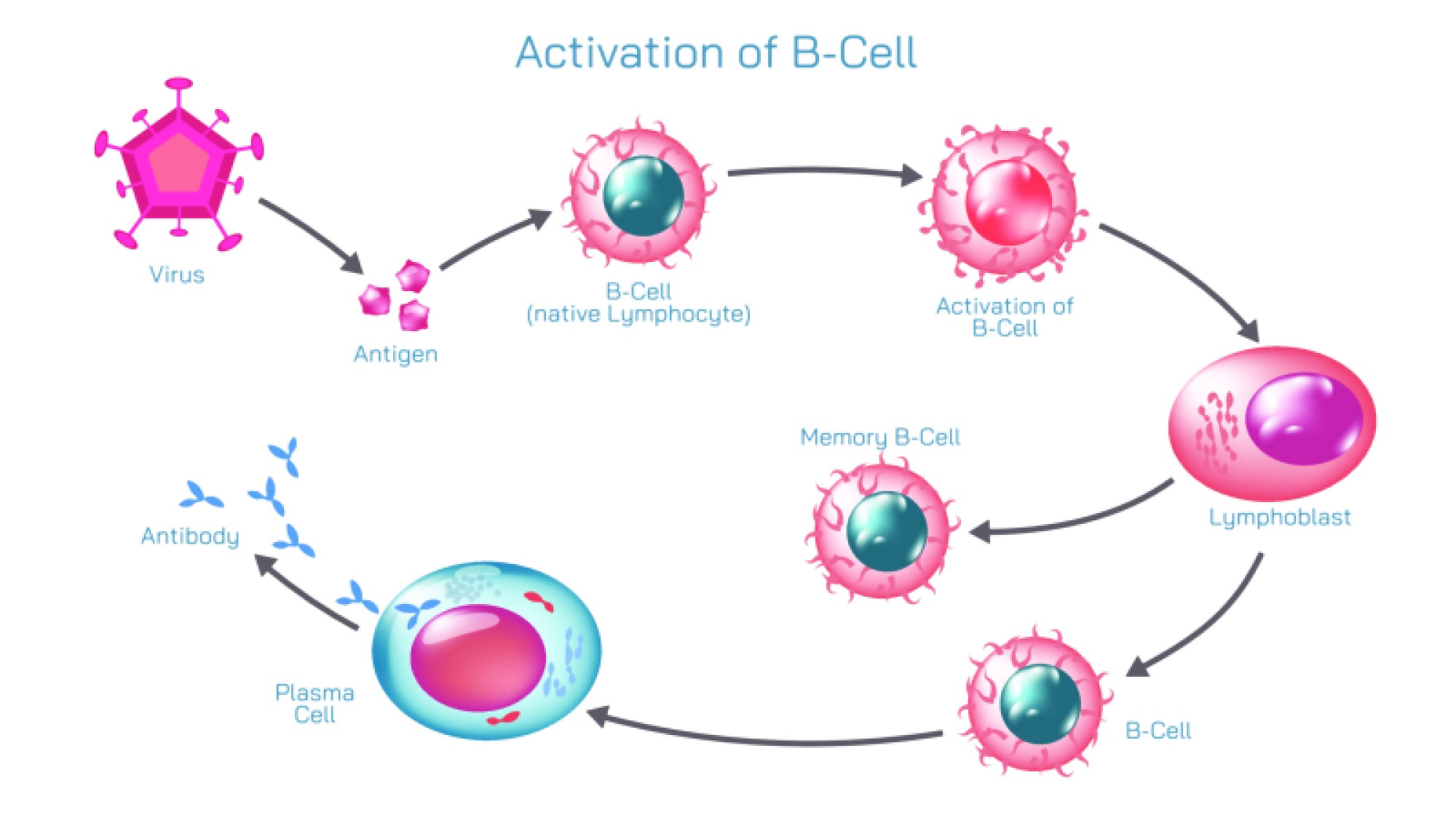
The B cell receptor (BCR) is a membrane-bound form of immunoglobulin (antibody) composed of two heavy chains and two light chains, creating a Y-shaped structure. The BCR contains variable regions at the tips of the Y arms that bind directly to free antigens, and constant regions that anchor the receptor to the B cell surface. Upon antigen binding, BCRs initiate signaling cascades that activate the B cell, leading to proliferation, differentiation into plasma cells, and secretion of soluble antibodies. BCR diversity is generated through genetic recombination, allowing the immune system to recognize a vast array of antigens.
Both TCRs and BCRs are highly specific due to their variable regions, which determine antigen recognition, while the constant regions mediate interactions with other immune molecules and signaling pathways. The structural differences between TCRs and BCRs reflect their roles: TCRs detect antigens presented by other cells, whereas BCRs bind antigens directly in body fluids. Together, these receptors enable the adaptive immune system to respond precisely and effectively to pathogens, maintaining immune surveillance and long-term protection.
In conclusion, T and B cell receptors are specialized proteins that allow lymphocytes to recognize and respond to antigens. TCRs consist of paired chains recognizing antigen-MHC complexes, while BCRs are Y-shaped immunoglobulins binding free antigens. Their structural features, including variable and constant regions, are crucial for antigen specificity, immune signaling, and the coordinated defense mechanisms of the human body.