Blood Donors and Blood Types — Compatibility Chart
The compatibility of blood donors and blood types forms one of the most vital foundations of modern medicine, ensuring that blood transfusions, emergency treatments, and surgical procedures can be performed safely and effectively. Although the topic is often presented in the form of charts, tables, and simplified diagrams, its deeper meaning lies in understanding why certain blood types can donate to or receive from others, how the immune system interprets these differences, and what biological features govern compatibility. By exploring these ideas in rich, descriptive detail without relying on mathematical expressions, it becomes possible to understand the principles behind blood grouping, the significance of antigens and antibodies, the unique characteristics of each blood type, and the critical importance of matching blood correctly for patient safety. The discussion also extends into the ways blood type compatibility has shaped medical practice, emergency protocols, donation systems, and global blood supply strategies.
Understanding Blood Types and Their Biological Basis
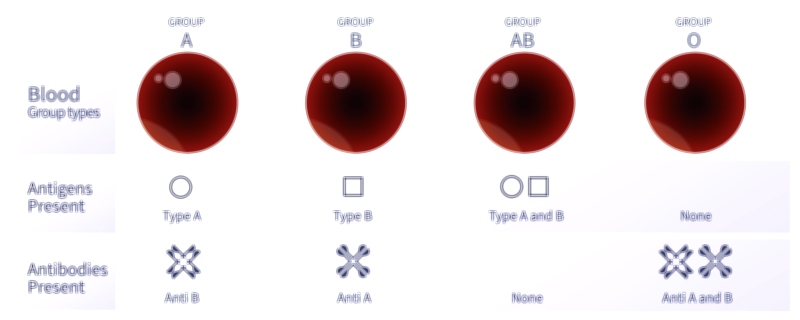
Human blood types are determined primarily by the presence or absence of specific markers found on the surface of red blood cells. These markers are known as antigens, and they act like identifying flags that the immune system can interpret. The most well-known classification system is the ABO blood group system, which categorizes blood into four types: A, B, AB, and O. Each type reflects which antigens are present on the red blood cells. Type A blood carries A antigens, type B carries B antigens, type AB carries both A and B antigens, and type O carries neither. These antigenic differences are not superficial details; they determine how the immune system reacts when foreign blood enters the body.
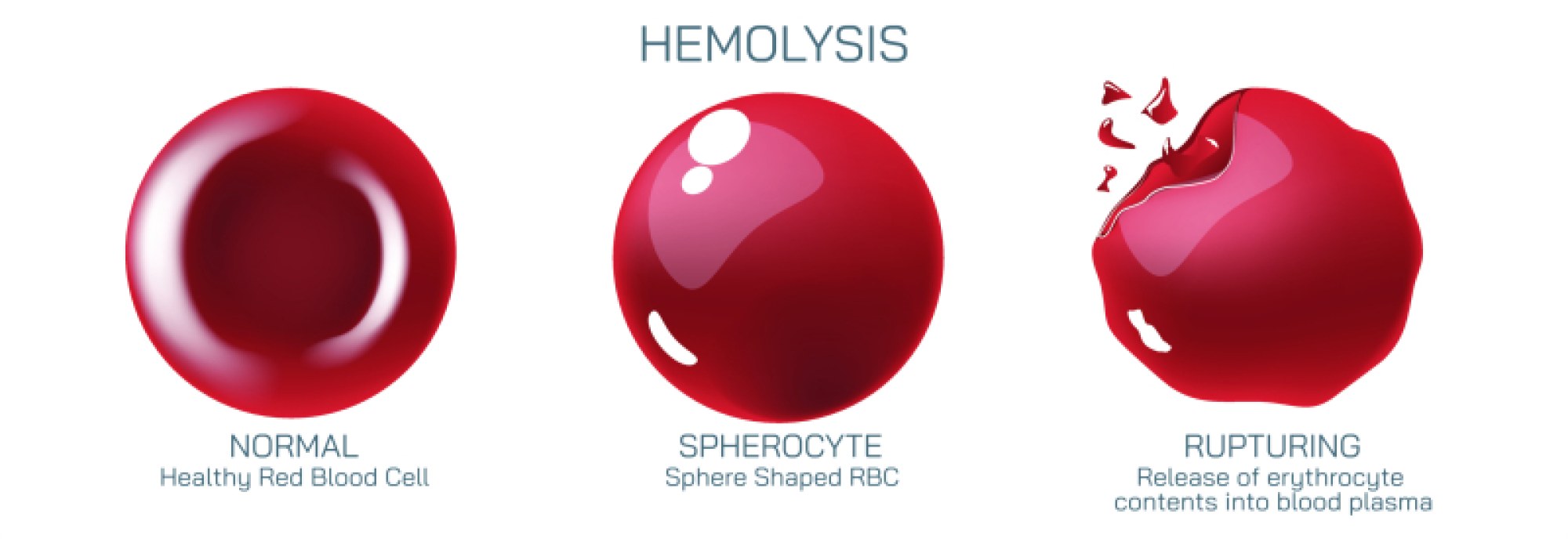
Because the immune system is designed to recognize and attack substances it perceives as foreign, it produces defensive proteins called antibodies. These antibodies are present in the plasma, the liquid component of blood, and they target antigens that the body does not recognize as its own. For example, someone with type A blood naturally forms antibodies against B antigens, while someone with type B blood forms antibodies against A antigens. A person with type O blood forms antibodies against both A and B antigens, and an individual with type AB blood does not form antibodies against either. This interplay between antigens and antibodies determines which blood types are compatible, because if incompatible antigens and antibodies meet, the immune system triggers a severe reaction in which red blood cells clump together and break apart, a dangerous condition that can be life-threatening.
How Compatibility Works Between Donors and Recipients
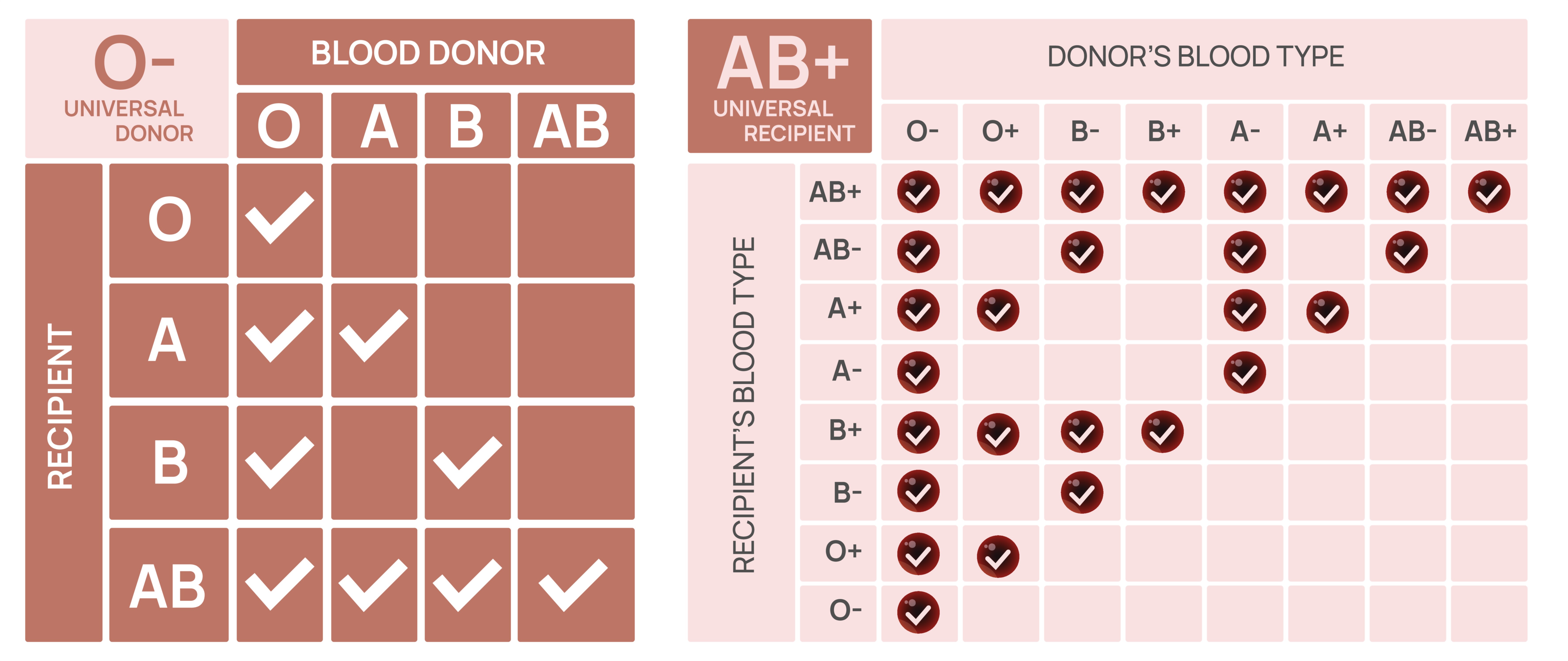
When a patient receives blood during a transfusion, the goal is to ensure that no immune conflict occurs. For this reason, doctors always consider both the ABO group and the Rh factor, another important marker that classifies blood as either positive or negative. The Rh factor adds an additional layer of compatibility, as Rh-negative individuals can react to Rh-positive blood. Together, these two classifications create the familiar eight major blood groups. The compatibility chart often seen in medical contexts summarises who can donate to whom, but understanding the biological reasoning reveals why these patterns exist.
For instance, type O negative blood is often referred to as the universal donor because it lacks A, B, and Rh antigens. Since it presents no antigens that would trigger an immune reaction in recipients, it can be given safely in emergencies when there is no time to determine a patient’s blood type. In contrast, type AB positive individuals are known as universal recipients because they have all major antigens and therefore do not form antibodies against A, B, or Rh. This means they can receive any of the common blood types without triggering an immune attack. These two extremes—type O negative at one end and type AB positive at the other—illustrate how antigen–antibody relationships dictate the direction of safe transfusion.
Between these extremes lie the remaining blood types, each with its own compatibility rules. Type A individuals can receive blood from type A donors and type O donors, because both are free of the B antigen that their immune system would reject. Similarly, type B individuals can safely receive type B and type O blood. Type AB individuals, because they lack antibodies against either antigen, can receive from any ABO type, while type O individuals, who possess both types of antibodies, can only receive blood that contains no A or B antigens. These relationships form the underlying logic of compatibility charts used in hospitals.
The Importance of the Rh Factor in Compatibility
Beyond the ABO system, the Rh factor further refines compatibility. People whose blood contains the Rh marker are considered Rh-positive, while those without it are considered Rh-negative. Rh-negative individuals develop antibodies if they are exposed to Rh-positive blood, meaning they must receive Rh-negative blood to avoid complications. Rh-positive individuals, however, can generally receive blood from either positive or negative donors, since their bodies recognize the Rh marker as normal. This distinction becomes especially significant in pregnancy, where an Rh-negative mother carrying an Rh-positive baby may require special monitoring to prevent immune complications that could affect the newborn.
When the ABO and Rh systems are combined, the familiar relationship among the eight major blood types becomes clear. For example, type A negative recipients can receive blood from A negative and O negative donors, whereas type A positive individuals can also receive from A positive and O positive donors. Matching these characteristics precisely ensures that transfusions proceed safely and that medical teams can avoid triggering immune responses.
How Compatibility Influences Medical Practice and Emergency Procedures
In medical settings, compatibility is more than an academic concept; it shapes the protocols that dictate how emergency transfusions are managed, how blood banks operate, and how donations are prioritized. Hospitals maintain blood supplies according to the needs of their patient populations, and certain blood types are consistently in higher demand. O negative blood is one of the most valuable resources in any blood bank because it can be used in situations where a patient’s type is unknown, such as trauma cases, accidents, or urgent surgeries. Similarly, type O positive blood is widely used because it matches a large percentage of the population.
Compatibility also affects long-term treatments such as those required for cancer patients, individuals with chronic anemia, or accident victims who need repeated transfusions. For these patients, precise matching is essential to avoid repeated exposure to foreign antigens, which could eventually cause the immune system to develop sensitivities and make future transfusions more complicated. This is why blood donors who match rare or less common types play such an important role in supporting patients with specialized needs.
Why Some Blood Types Are More Common Than Others
The distribution of blood types around the world varies according to genetics and population history. Type O is the most common globally, making it an essential component of blood donation systems, while type AB is relatively rare. These variations influence how blood banks plan their inventories and how often individuals with certain types are encouraged to donate. In regions where Rh-negative blood is less common, maintaining sufficient supplies becomes a logistical challenge. Understanding these patterns allows medical systems to anticipate shortages and develop strategies to ensure that compatible blood is always available.
The Biological Reason Behind Reactions to Incompatible Types
When incompatible blood is transfused, the immune system responds with dramatic intensity. Antibodies present in the recipient’s plasma rapidly identify the donor’s antigens as foreign, binding to the incoming red blood cells and causing them to clump together. This clumping obstructs blood vessels, damages tissues, and triggers a cascade of reactions that destroys the foreign cells. The breakdown of red cells releases substances that can overwhelm the kidneys and other organs, leading to severe complications. This reaction underscores the importance of compatibility and the precision with which medical professionals manage transfusions.
Beyond ABO and Rh: Additional Blood Group Complexities
Although ABO and Rh are the most widely known blood group systems, scientists have identified dozens of others, each with its own antigens and compatibility rules. These additional classifications rarely affect standard transfusions, but they become critically important in cases where patients receive frequent transfusions or when individuals possess rare antigen combinations. For example, some people lack antigens that most donors possess, making it difficult to find compatible blood when needed. In such cases, specialized donor registries and international coordination ensure that rare matches can be located. This complexity highlights the immense diversity within human blood and the careful system required to manage it.
The Role of Blood Donations in Supporting Compatibility Needs
The entire framework of transfusion medicine relies on voluntary donations from healthy individuals. Every donation contributes to a network that ensures compatible blood is available for emergencies, surgeries, and life-sustaining treatments. Donors with universally compatible types such as O negative are encouraged to give regularly because their blood can support nearly any patient. Meanwhile, donors with rare types provide essential support to those with uncommon compatibility requirements. The cooperation between donors, medical personnel, and blood banks creates a lifeline that saves countless lives.
Compatibility as a Foundation of Lifesaving Medical Science
The study of blood types and their compatibility reveals a remarkable combination of biology, evolution, and medical innovation. These systems exist because the immune system, evolved to protect the body, evaluates the molecular patterns it encounters and reacts accordingly. What began as a natural defence mechanism has been turned into a structured, life-saving medical system that allows physicians to treat trauma, support surgeries, manage childbirth complications, and care for patients with chronic illnesses.
Understanding blood donor compatibility means appreciating the subtle interplay of antigens and antibodies, recognizing the careful matching required for safe transfusion, and acknowledging the essential role of donors who make these treatments possible. The compatibility chart often taught in simplified form becomes, upon deeper exploration, a reflection of the complex biology that governs human life. By examining these principles in clear, descriptive terms, it becomes evident that the compatibility of blood types is not merely a diagram but a sophisticated system that underpins modern medicine and continues to protect lives every day.