Algebraic Equations — Understanding, Types, and Solving Techniques
Algebraic equations form the foundation of mathematics, linking numbers, variables, and operations in a structured way to represent relationships and solve problems. An algebraic equation is a mathematical statement where two expressions are set equal to each other, often involving variables that represent unknown values. Mastery of algebraic equations is essential for students, scientists, engineers, and anyone working with quantitative reasoning.
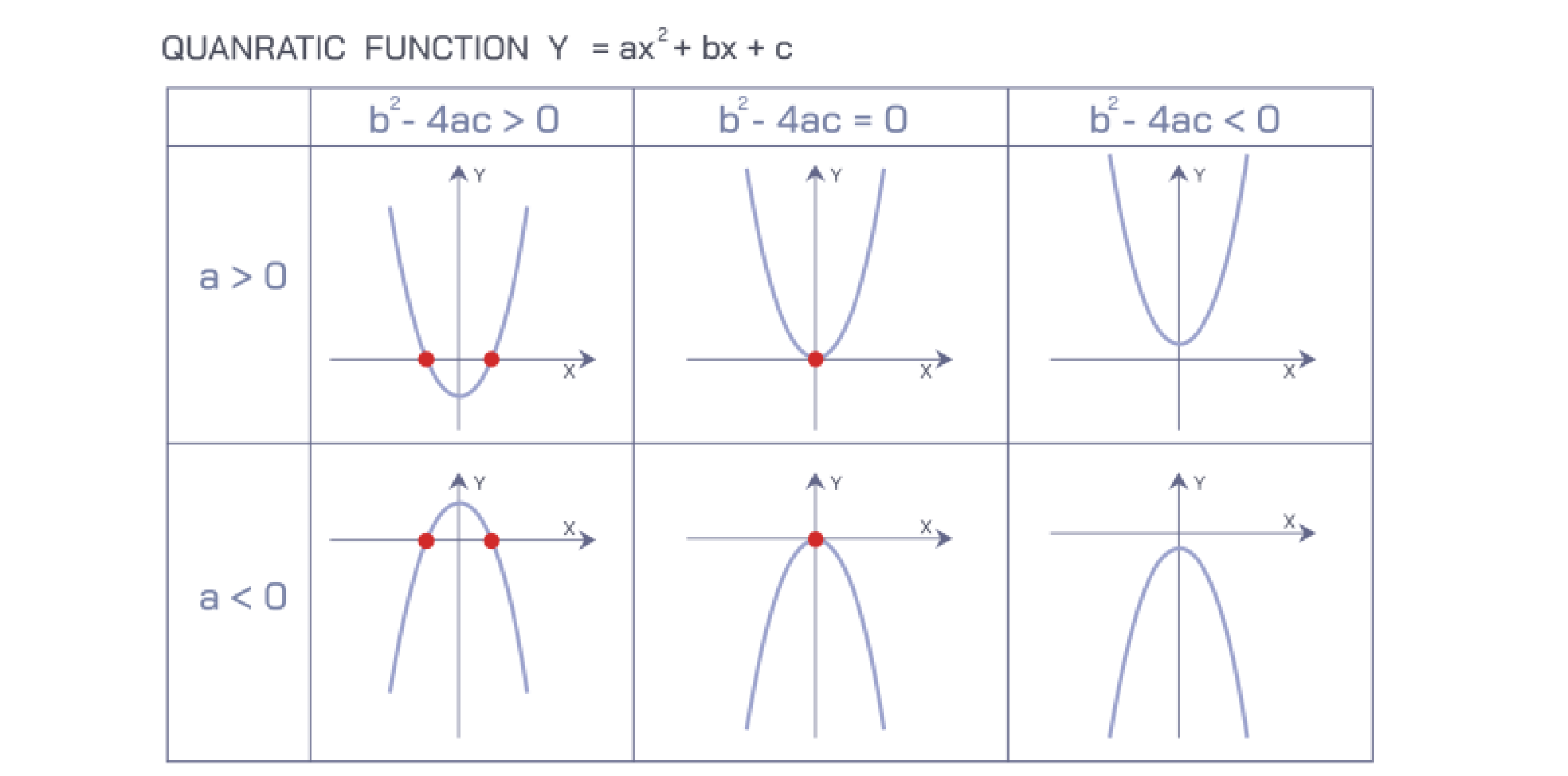
There are several types of algebraic equations, each with distinct characteristics and solving methods. Linear equations involve variables raised only to the first power and graph as straight lines. Quadratic equations involve variables squared and typically graph as parabolas. Polynomial equations contain variables raised to higher powers and may have multiple roots. More complex equations may involve rational expressions, radicals, or multiple variables, each requiring specific strategies for solution.
Solving algebraic equations often begins with isolating the variable on one side of the equation. Methods include addition, subtraction, multiplication, division, factoring, using the quadratic formula, or applying substitution and elimination in systems of equations. These techniques are crucial for simplifying problems and finding exact or approximate solutions. Understanding the properties of equality, inverse operations, and maintaining balance throughout the equation is central to accurate solving.
Applications of algebraic equations extend beyond textbooks. Engineers use equations to design structures and systems. Economists model supply and demand using linear or nonlinear equations. Scientists describe physical phenomena such as motion, energy, and chemical reactions through mathematical relationships expressed as equations. Even everyday problem solving, such as calculating expenses, planning schedules, or analyzing data, relies on algebraic thinking.
In conclusion, algebraic equations are more than abstract symbols; they are practical tools that allow us to describe patterns, solve problems, and predict outcomes. Developing proficiency in identifying equation types, applying appropriate solution methods, and interpreting results empowers learners to tackle a wide array of mathematical and real-world challenges efficiently. Mastery of algebraic equations forms a critical foundation for advanced studies in mathematics, physics, engineering, finance, and technology.