Overview of Human Brain Anatomy and Functional Organization
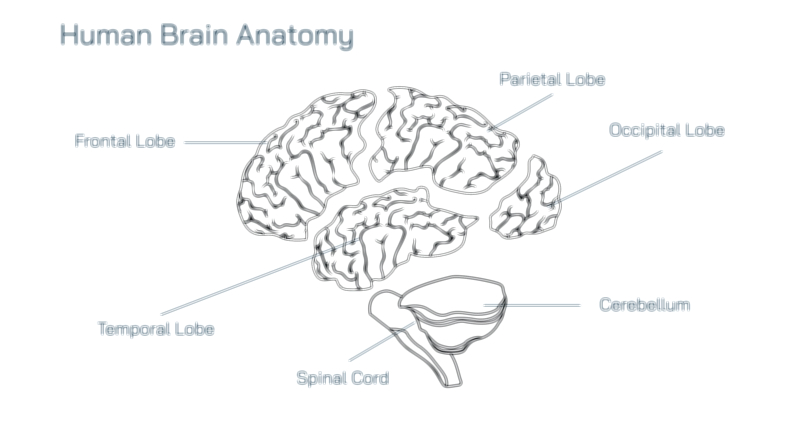
The human brain is an intricate control center composed of specialized regions that work together to support sensation, decision making, coordination, and emotional processing. At the highest level sit large outer lobes, each devoted to unique roles involving reasoning, language interpretation, voluntary actions, and integration of complex inputs. The surface layers fold into ridges and grooves, expanding working space within the restricted cranial cavity.
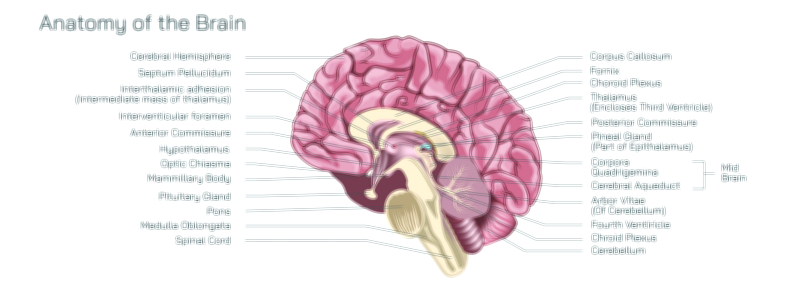
Beneath the outer sheet lie deeper segments responsible for essential life functions. These inner components regulate breathing, circulation, alertness, and automatic responses that keep the body balanced and stable. Pathways made of tightly bundled fibers form efficient channels that link distant zones, enabling rapid transfer of signals that shape thought, memory, and movement. This network ensures that information from senses is combined, analyzed, and redirected with remarkable speed.
Toward the back of the organ rests a compact structure that fine-tunes coordination and maintains smooth posture adjustments. Its densely arranged layers allow precise timing for complex actions such as walking, writing, and speaking. Nearby segments contribute to emotional interpretation and behavior patterns by processing stored impressions and learned associations. Together these components make the organ capable of adapting experiences into long-term memory.
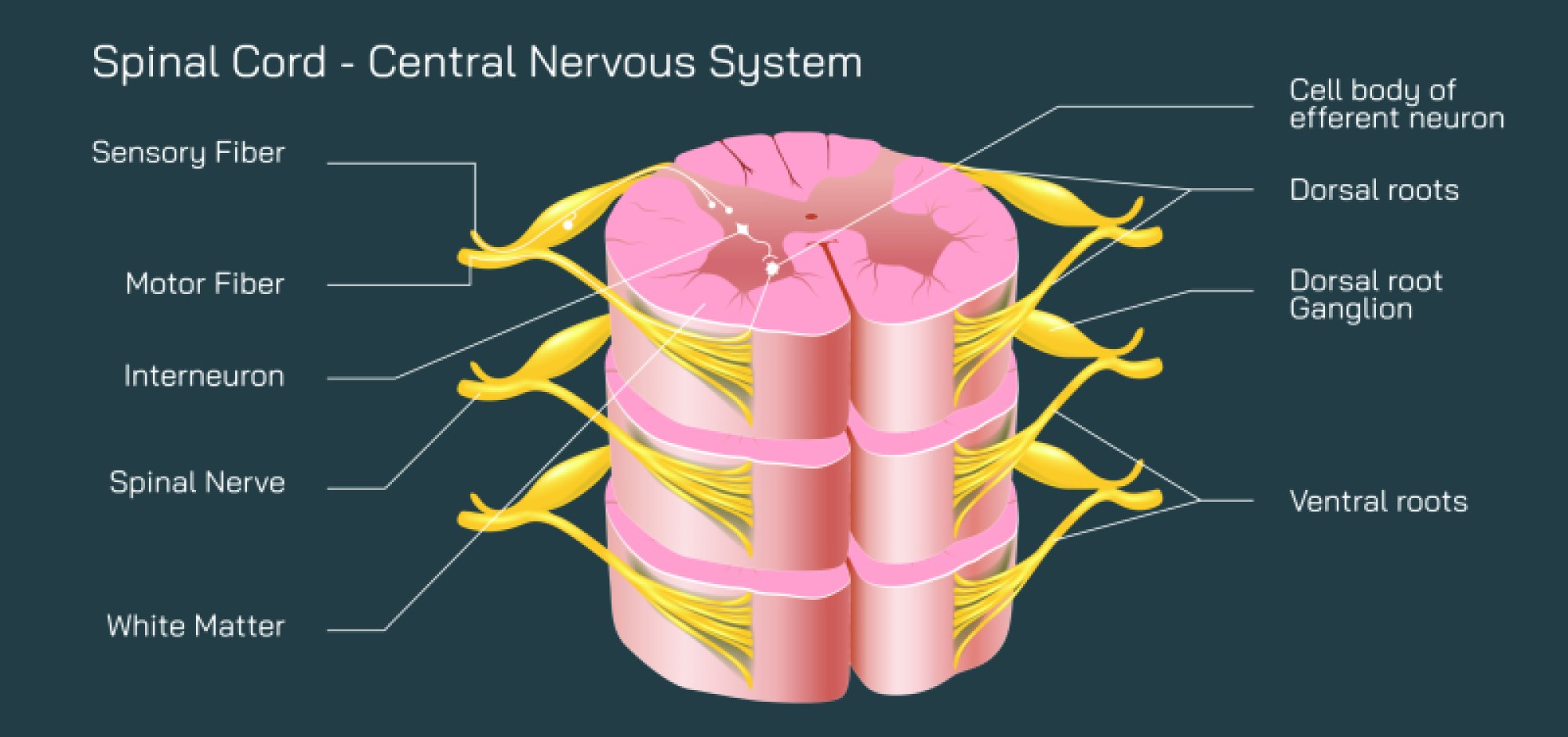
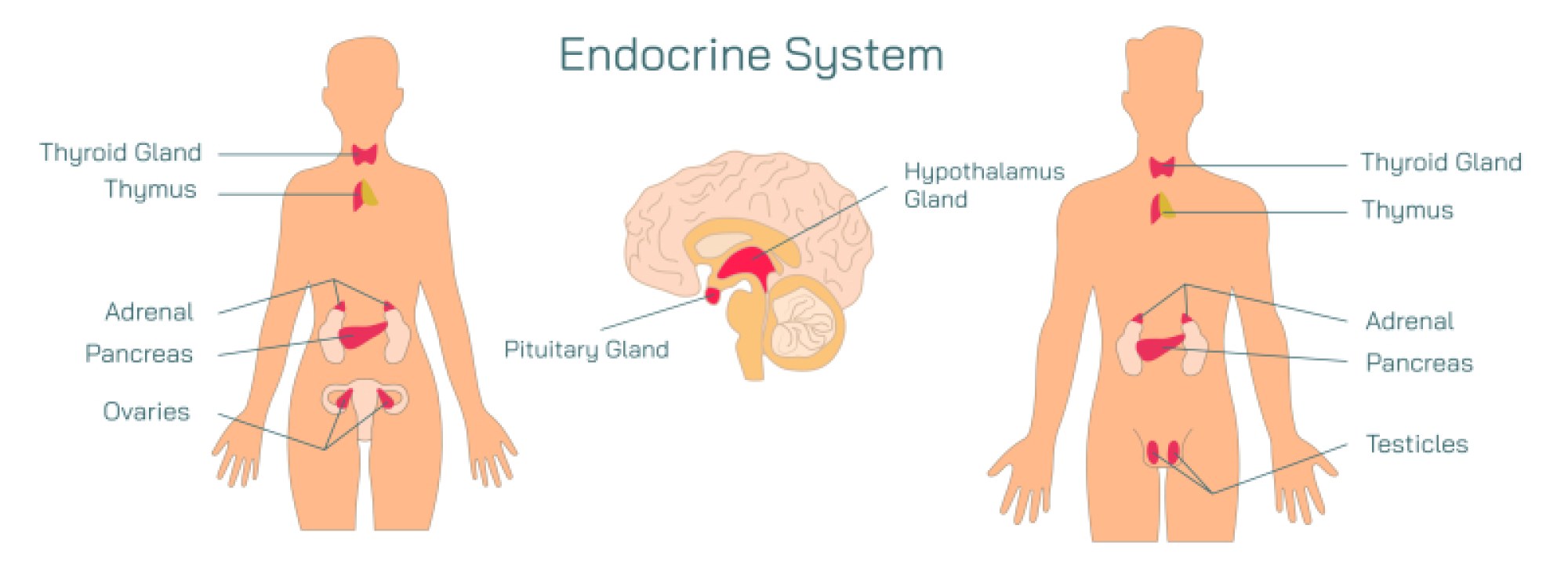
The lowest portion connects the organ to the spinal pathway, creating the communication route that sends and receives signals across the entire body. This connection supports reflexes, protective responses, and synchronized functioning of muscles and glands. The structural organization of this control center reflects millions of years of refinement that have shaped human abilities in problem solving, creativity, and social interaction.
Understanding its architecture provides insight into how thoughts form, how movements start, and how the body maintains internal balance. The study of this organ remains essential for fields involving health, learning, behavior, and cognitive development.