Neurons are the fundamental building blocks of the human nervous system, responsible for transmitting signals that allow us to move, think, feel and interact with our surroundings. Although every neuron participates in electrical and chemical communication, they differ greatly in shape, structure and functional role. Classifying neurons by both structure and function reveals why the nervous system is capable of rapid reflexes, deep learning, precise muscle control and complex cognitive processes.
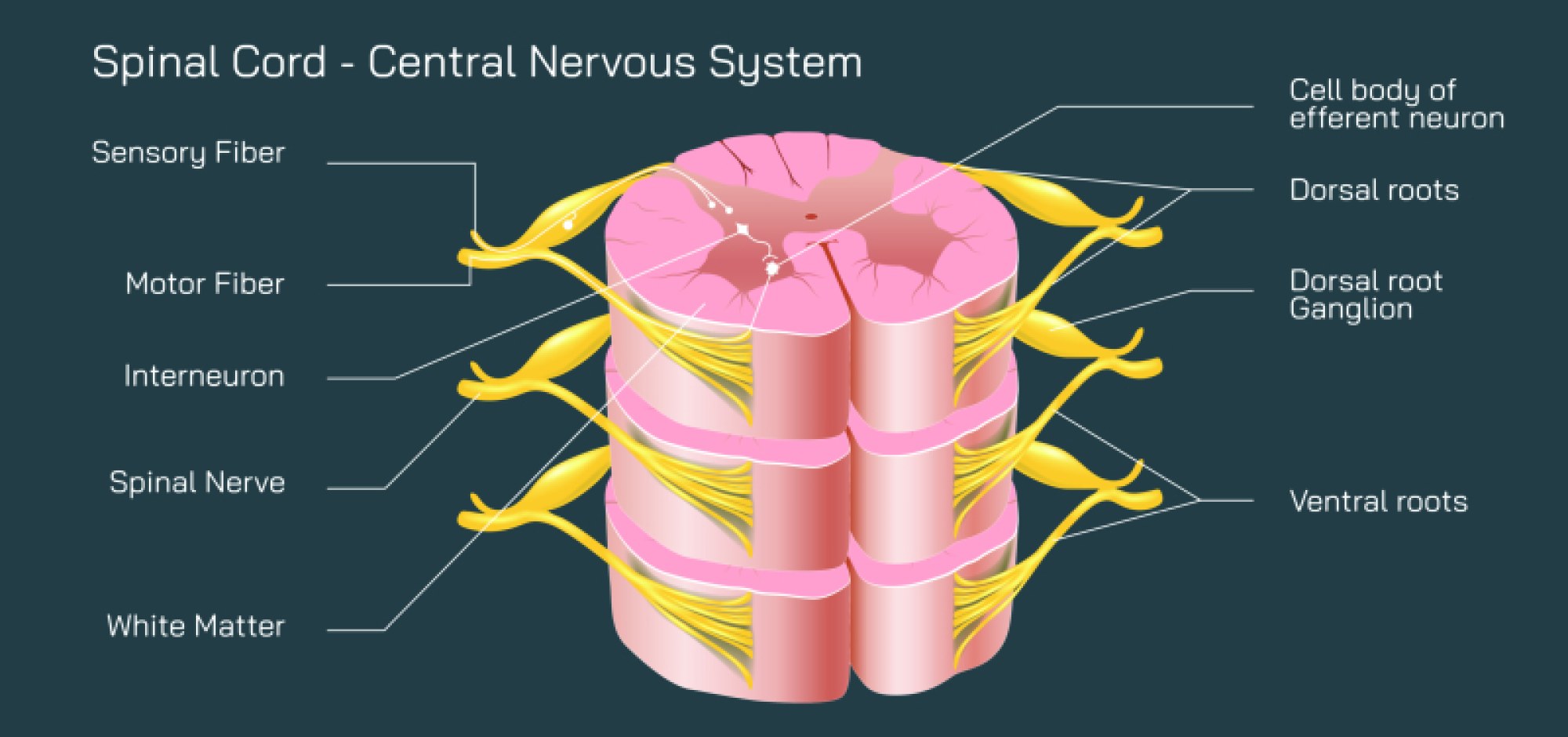
Structural classification focuses on how many projections extend from the neuron's cell body. These projections include dendrites that receive information and axons that carry signals onward. The simplest form is the unipolar neuron, which has only one projection that divides into two branches. In humans, a specialized version known as the pseudounipolar neuron appears within sensory ganglia, designed to rapidly transmit touch, pain and temperature information from the body to the spinal cord.
Bipolar neurons have one dendrite and one axon and are found in highly specialized sensory organs such as the retina and the olfactory pathway. Their streamlined structure supports direct signal transfer from receptors to brain regions responsible for sensory perception. Most neurons in the body, however, are multipolar neurons, which possess multiple branching dendrites and a single axon. This design allows for advanced information integration and flexible communication throughout the brain and spinal cord.
Multipolar neurons exist in several unique forms. Motor neurons activate muscles and glands by transmitting signals from the central nervous system to the body. Pyramidal neurons, located in the cerebral cortex, are critical for cognition, voluntary movement and problem solving. Purkinje neurons, found in the cerebellum, possess enormously branched dendritic trees that fine-tune motor coordination and timing. The variation in the number of dendrites, axon length and branching patterns allows each neuron subtype to specialize in its biological task.
Functional classification, rather than focusing on shape, categorizes neurons by the role they play in neural pathways. Sensory neurons act as the body’s input channels, collecting information from receptors in the skin, eyes, ears, nose and muscles. Their purpose is to carry signals toward the brain and spinal cord so the nervous system can interpret changes inside and outside the body. Many sensory neurons have a pseudounipolar structure to support fast conduction.
Motor neurons perform the opposite task—sending signals from the brain and spinal cord to muscles and glands. Through these neurons, the nervous system turns intention into movement and regulates automatic actions such as breathing, swallowing and digestion. Most motor neurons are multipolar because muscle control demands rich input from multiple regions of the nervous system.
Placed between sensory and motor neurons are interneurons, the largest and most diverse group. Found almost entirely within the brain and spinal cord, interneurons process incoming information, form associations, support memory, enable learning and control reflexes. Without interneurons, the nervous system would not be able to think, coordinate or respond appropriately.
Although structural and functional classifications appear different, they complement each other. A pseudounipolar neuron is typically sensory; a Purkinje neuron is exclusively interneuronal; most motor neurons are multipolar. By combining both classification systems, scientists gain a precise understanding of why neurons vary and how they work together to support every aspect of human behavior and physiology.
Neuron diversity is crucial to human life. Specialized sensory neurons detect the external world, interneurons interpret and plan responses, and motor neurons transform neural decisions into action. Losing one category disrupts the entire nervous system. Degeneration of motor neurons results in paralysis, damage to Purkinje cells causes tremors and loss of balance, and the death of cortical interneurons contributes to cognitive decline in neurodegenerative disease.
The complexity of the brain can be traced back to the variety of neuron types. By shaping different neural circuits, neurons enable language, memory, creativity, emotional perception and physical movement. Classifying neurons by structure and function is not just an academic exercise — it is key to understanding neurological health, diagnosing disease and designing treatments that restore or protect brain function.