Understanding Red Blood Cell Size and Its Physiological Importance
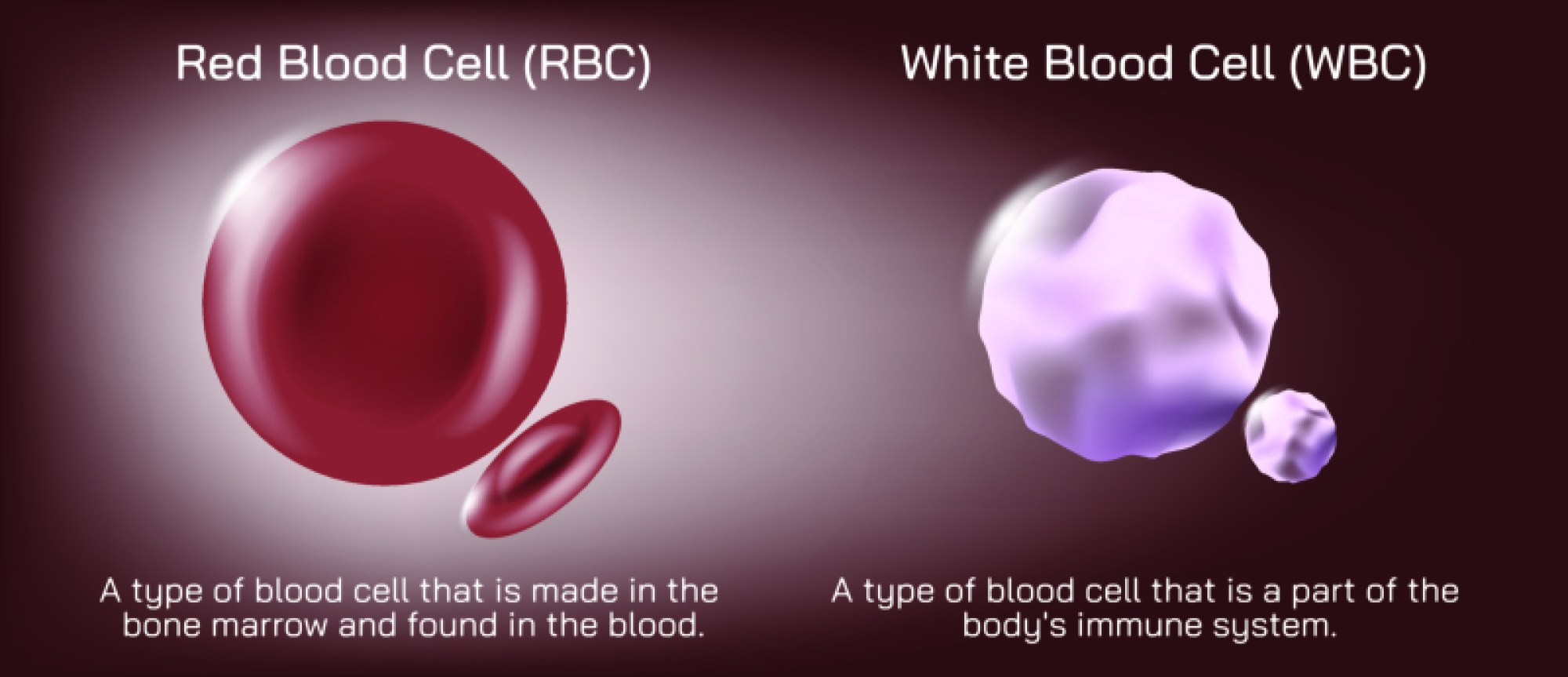
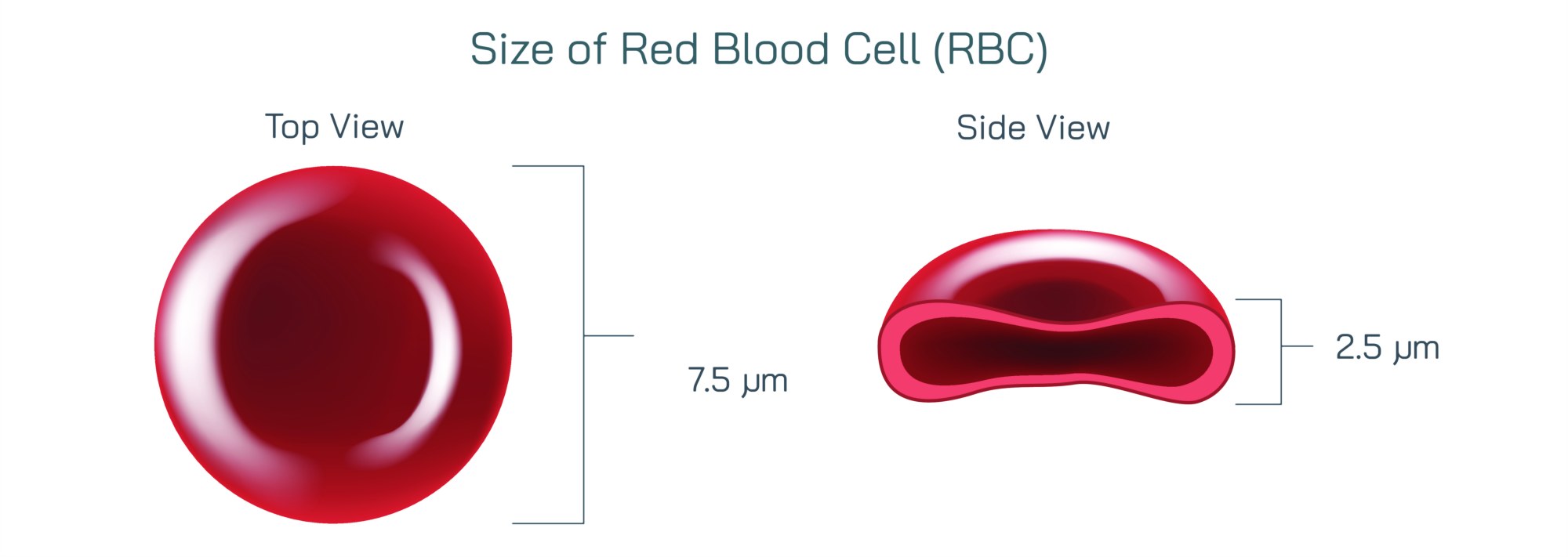
Red blood cell size is a central element in physiology because it reflects how effectively the circulatory system can transport oxygen throughout the body. The typical dimension of a mature human red blood cell remains remarkably consistent, maintaining a balance between strength, flexibility, and efficiency. This near-uniformity ensures smooth passage through narrow pathways that carry oxygen toward vital tissues.
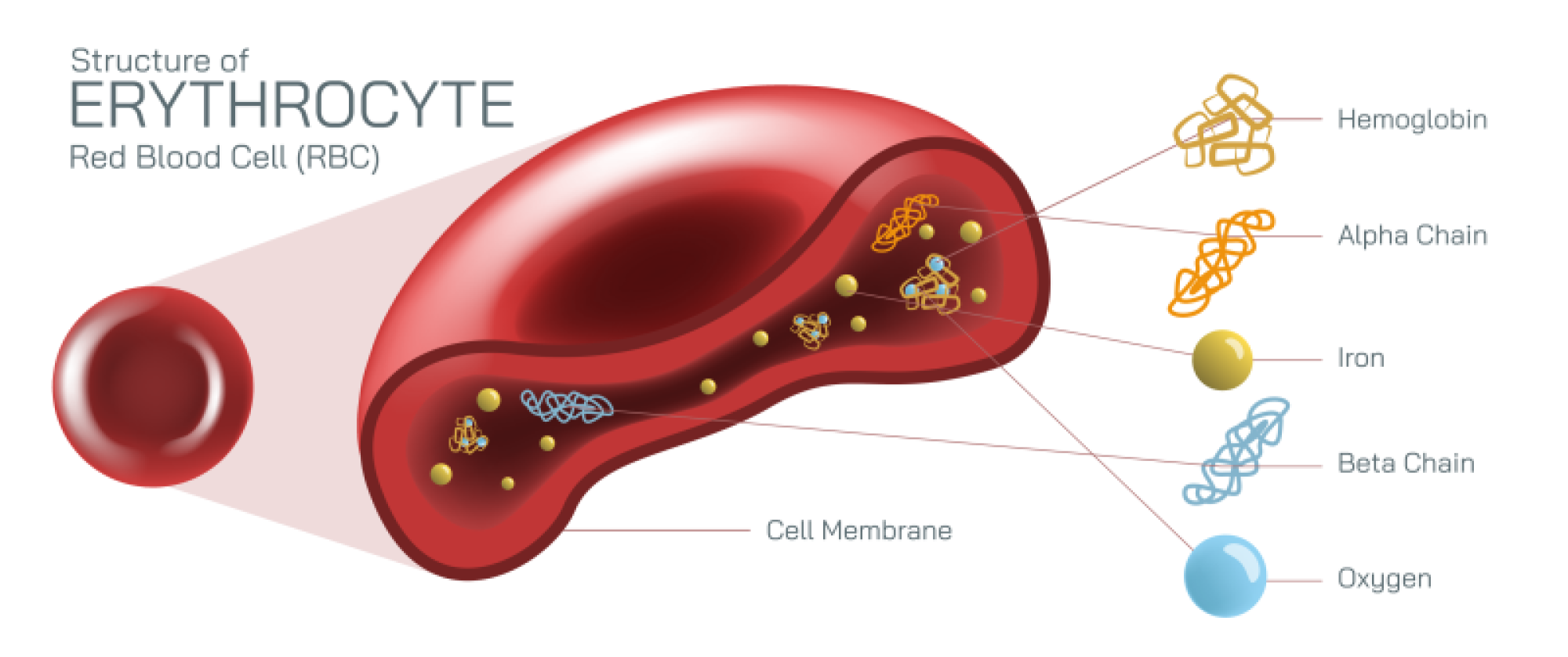
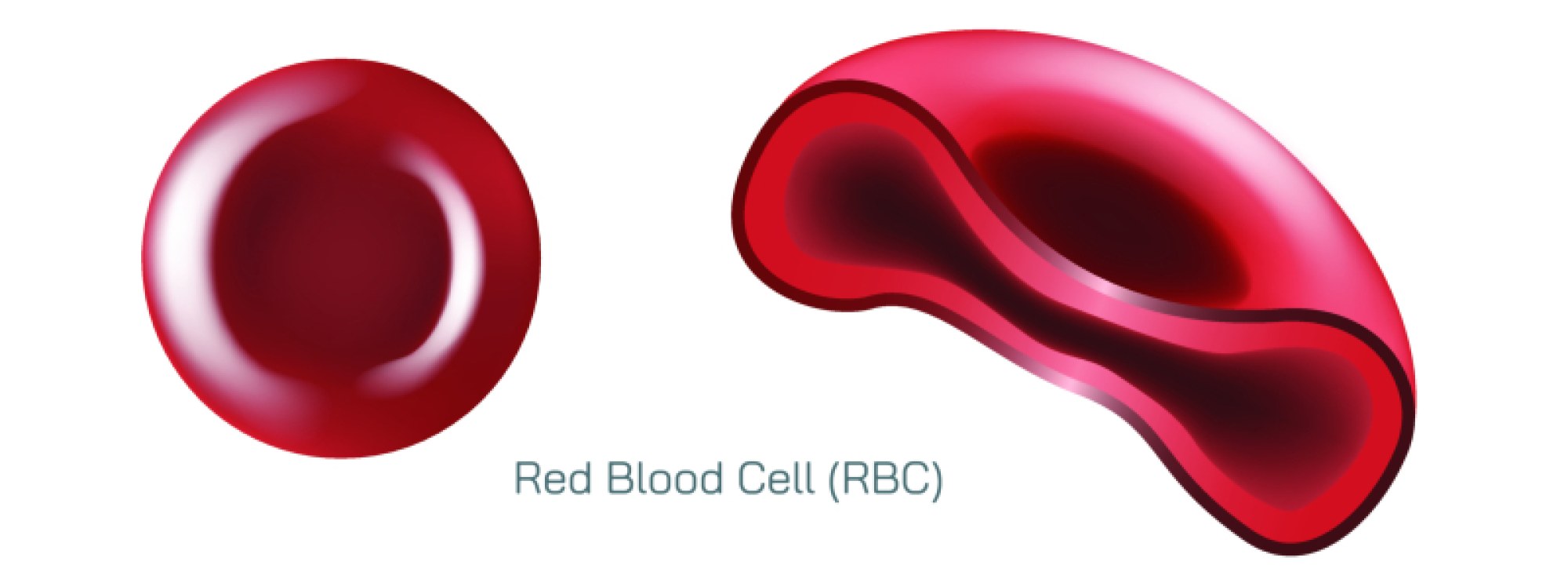
A standard red blood cell is shaped like a soft disc with a central depression, a form that optimizes travel through extremely fine channels. Its average width remains near the lower end of the micrometer scale, allowing it to bend and curve as needed. Slight variations in this measurement can influence movement inside the vascular network, changing how well gases are exchanged during circulation.
Changes in size may appear for several physiological or environmental reasons. Nutritional quality, genetic factors, and specific medical conditions can alter the dimensions of these cells. When they become noticeably smaller or larger than the normal range, their ability to navigate tight routes may be compromised. This can slow transport, reduce available oxygen, and generate strain on sensitive organs.
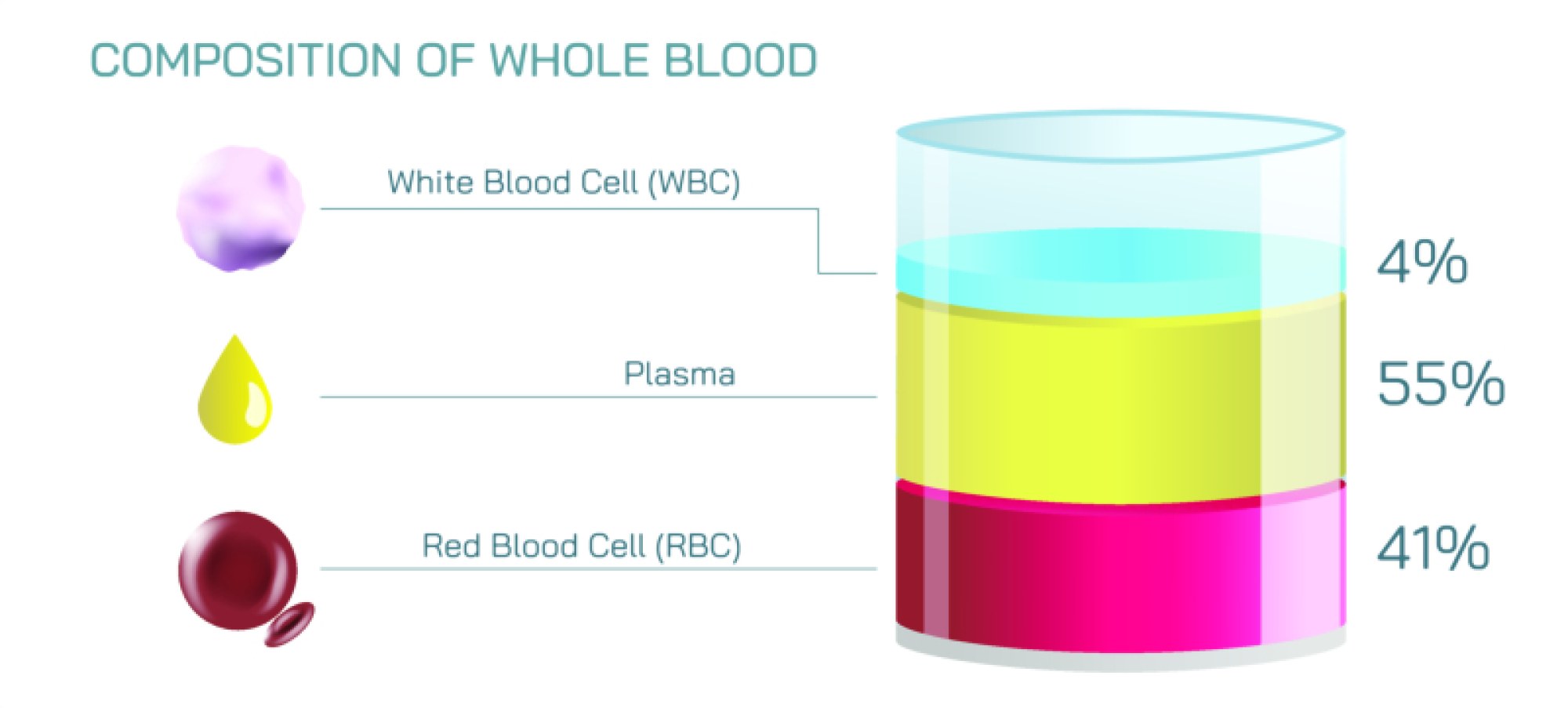
Measurements of red cell size are important in clinical evaluation. Laboratory tests examine the average width and consistency of blood cells to help identify imbalances in the body. Irregular values often signal underlying issues requiring observation or treatment. Understanding these variations gives insight into overall health status and supports early identification of conditions that impact life quality.
The study of red cell size continues to play an essential role in science and medicine. It provides information about the performance of the circulatory system, assists in diagnosis, and deepens our understanding of how microscopic structures support human survival.