Comprehensive Overview of Leaf Cross Section Anatomy and Internal Tissue Structure
A leaf cross section reveals a highly organized internal system designed to support energy production, gas movement, and fluid flow. Each layer contributes to essential plant processes and works together to maintain balance between environmental exchange and internal function. Understanding these structures helps explain how plants manage light, moisture, and nutrient distribution for survival and growth.
The upper region typically features a protective surface that limits water loss while still allowing sunlight to enter. This outer layer forms a barrier against environmental stress and helps maintain internal moisture. Beneath it lies an organized region filled with specialized cells arranged to capture and use light efficiently. Their compact form maximizes energy absorption while preserving structural strength.
Deeper within the leaf is a spacious middle region filled with loosely arranged cells. This zone contains numerous openings that allow movement of gases needed for essential plant activity. These internal spaces create a network through which air can circulate freely, supporting the transfer of carbon and oxygen. The open layout also helps moisture spread across the entire leaf interior.
Running through this central area is the transport system that carries essential fluids. These channels form a branching pattern that delivers dissolved minerals upward while returning processed products to other parts of the plant. Their strong walls help maintain flow even under changing external conditions, keeping the plant hydrated and nourished.
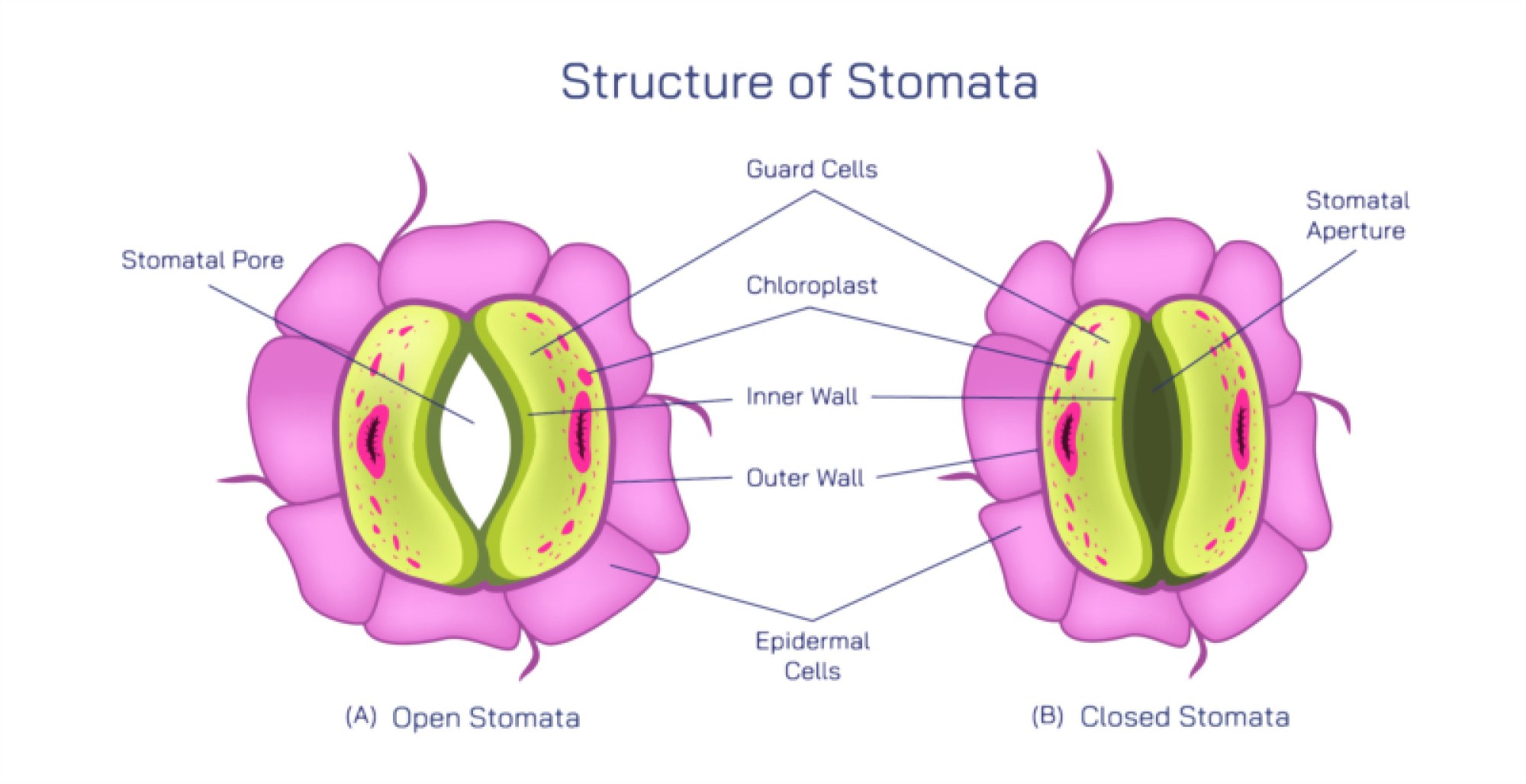
At the lower surface of the leaf, tiny openings allow gases to move in and out. These small portals can open or close depending on environmental demands, ensuring the leaf maintains the correct balance between moisture and air exchange. This system helps the plant react quickly to sunlight, temperature, or seasonal changes.
Overall, the leaf cross section demonstrates a refined internal design optimized for energy capture, fluid transport, and air exchange. Each region contributes to the coordinated effort that allows plants to thrive in a wide range of environments. Understanding these layers deepens insight into plant function, biology education, and scientific study.