Layers of the Human Brain: Structure, Protection, and Functional Significance
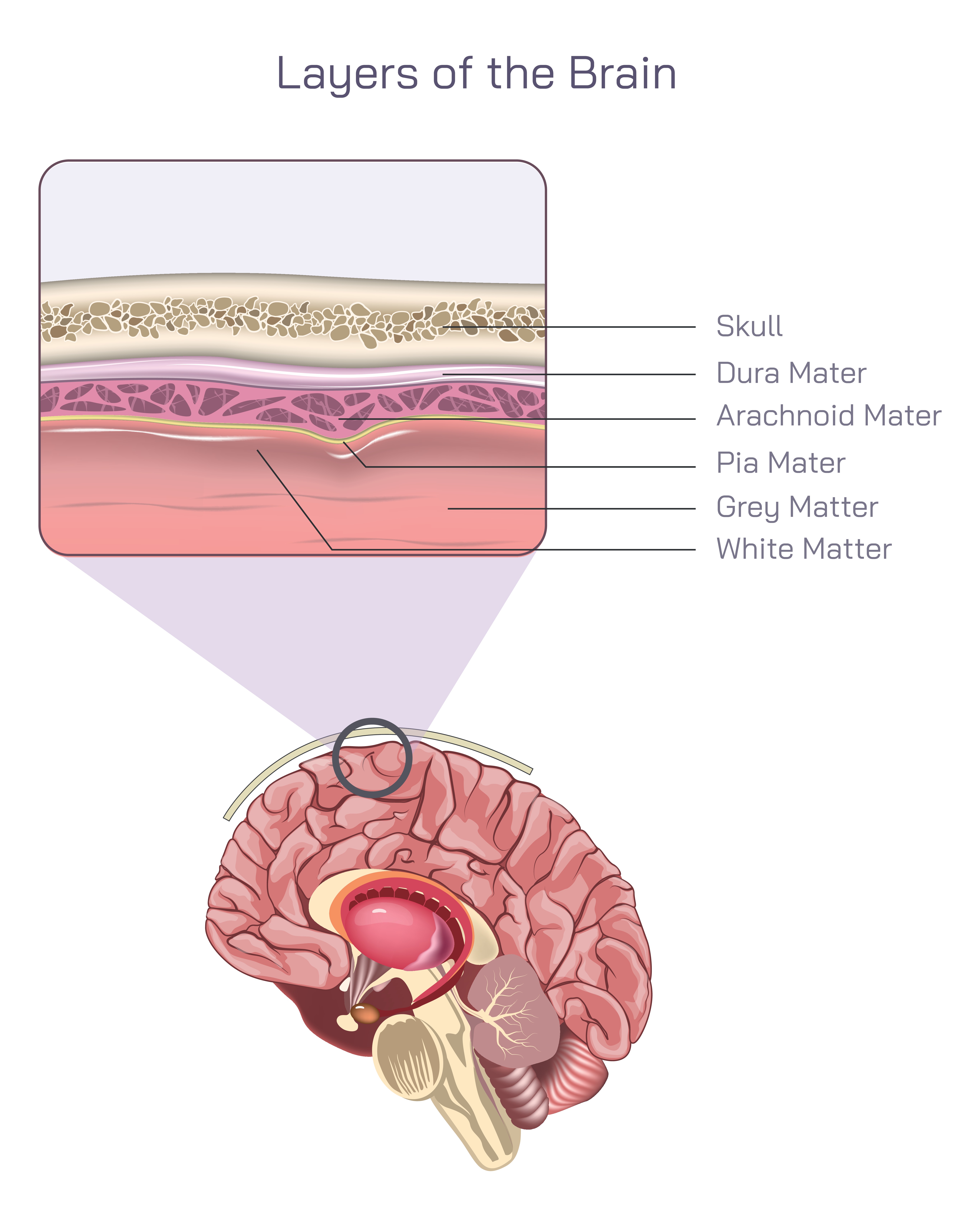
The human brain is one of the most intricate and delicate organs in the body, requiring multiple layers of protection and support to maintain its function. These layers not only shield the brain from physical injury but also provide nourishment, regulate pressure, circulate essential fluids, and enable efficient communication within the nervous system. Understanding the layers of the human brain helps explain how structure and function work together to protect the central nervous system and sustain consciousness, memory, movement, sensation, and countless other actions that define human life. The diagram illustrates each protective and functional layer, from the outermost skull to the innermost nerve tissues, showing how each component contributes to the brain’s overall stability and operation.
The Skull: The First Solid Layer of Protection
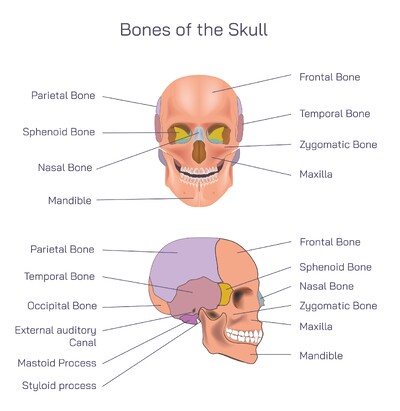
The outermost protective structure of the brain is the skull, a hard bony casing that surrounds and shields the delicate nervous tissue from external impact. Composed of several fused bones, the skull forms a rigid container that prevents the brain from suffering mechanical damage during accidental blows or sudden movements. Beyond protection, the skull provides attachment points for muscles and supports the overall shape of the head. Inside the skull, the cranial cavity houses the brain, leaving just enough space for cerebrospinal fluid circulation and slight movement without compromising stability. The skull’s strength ensures that the brain remains safely enclosed within a durable, supportive framework.
The Meninges: Three Vital Protective Membranes
Beneath the skull lie the meninges, three layered membranes that encase the brain and spinal cord. These layers—dura mater, arachnoid mater, and pia mater—form a buffering system that adds protection, regulates fluid movement, and maintains essential separation between brain tissue and surrounding structures.
The dura mater is the outermost meningeal layer and the toughest of the three. Thick and durable, it adheres closely to the inner surface of the skull and acts as a firm shield against mechanical injury. Its name, meaning “tough mother,” reflects its strong, fibrous nature. This layer also forms specialized folds and partitions within the cranial cavity that help stabilize the brain and anchor it in place, preventing excessive movement that could cause injury.
Beneath the dura lies the arachnoid mater, a delicate, web-like membrane named for its resemblance to a spider’s web. This thin layer does not closely follow the brain’s surface but forms a loose covering. Between the arachnoid and the pia mater lies the subarachnoid space, which plays a vital role in cerebrospinal fluid (CSF) circulation. CSF cushions the brain, reduces shock from mechanical forces, and creates a stable environment for neural tissue. The arachnoid layer helps regulate the flow of this fluid and maintains protective spacing around the brain.
The innermost meningeal layer is the pia mater, a thin, transparent membrane that clings tightly to the brain’s surface. Unlike the arachnoid, the pia mater follows every fold and groove of the brain, providing a nourishing interface between the neural tissue and protective structures. Rich in blood vessels, it helps deliver oxygen and nutrients to brain tissue while assisting in waste removal. The pia mater also helps maintain the pressure and fluid balance essential for healthy brain activity.
Cerebrospinal Fluid: The Cushioning Protective Medium
Although not shown as a separate layer in the diagram, cerebrospinal fluid plays a crucial role in the brain’s protective system. Found primarily in the subarachnoid space, CSF acts as a shock absorber, minimizing the impact of sudden movements. It also helps maintain chemical stability, remove metabolic waste, and regulate pressure within the brain. The presence of CSF ensures that even though the brain floats within the cranial cavity, it remains supported, cushioned, and protected from damage.
Grey Matter: The Brain’s Processing Layer
Beneath the pia mater lies the brain’s functional tissue, beginning with grey matter. Grey matter forms the outermost layer of the cerebrum, known as the cerebral cortex, and is composed mainly of neuronal cell bodies, dendrites, and synapses. This layer is responsible for processing information, interpreting sensory input, controlling voluntary movements, enabling language and decision-making, forming memories, and supporting countless cognitive functions. The folded appearance of the cortex increases surface area, allowing millions of neurons to occupy a compact space. Grey matter represents the brain’s “thinking” and “processing” layer, essential for conscious thought and complex behavior.
White Matter: The Brain’s Communication Network
Below the grey matter lies the white matter, composed primarily of myelinated axons that form communication pathways between different regions of the brain. These axons act like high-speed electrical cables, connecting the cerebral cortex with deeper brain structures and ensuring efficient transmission of signals. Myelin, which gives the white matter its pale color, increases the speed of neural conduction, enabling rapid communication necessary for coordinated movement, sensation, and cognitive activities. Without the structure and connectivity provided by white matter, neural signals would not reach their destinations efficiently enough to support normal functioning.
Functional Importance of Layer Organization
Each layer of the brain serves a distinct and essential purpose, and together they create a multi-level system that ensures both protection and performance. The skull provides a rigid barrier, the meninges create cushioning and maintain fluid balance, cerebrospinal fluid reduces physical stress and stabilizes the environment, and the grey and white matter layers carry out the brain’s processing and communication functions. This layered organization allows the brain to operate with high sensitivity and precision while remaining protected from injury, infection, and sudden changes in pressure or chemical composition.
Conclusion
The layers of the human brain form an extraordinary system designed to support, protect, and maintain the most complex organ in the body. From the solid protection of the skull to the soft but essential layers of grey and white matter, each component contributes uniquely to the brain’s functionality and safety. Understanding these layers provides a clearer view of how the nervous system operates and how structural organization supports cognitive, sensory, and motor activities.