Human Body Main Internal Organs — Structure, Roles, and System Connections
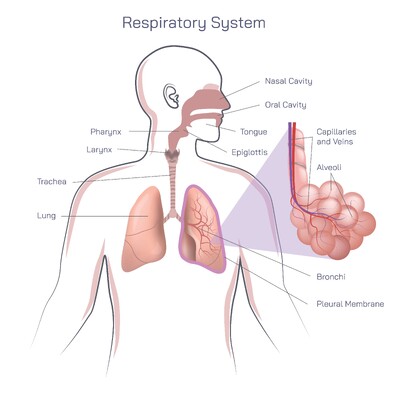
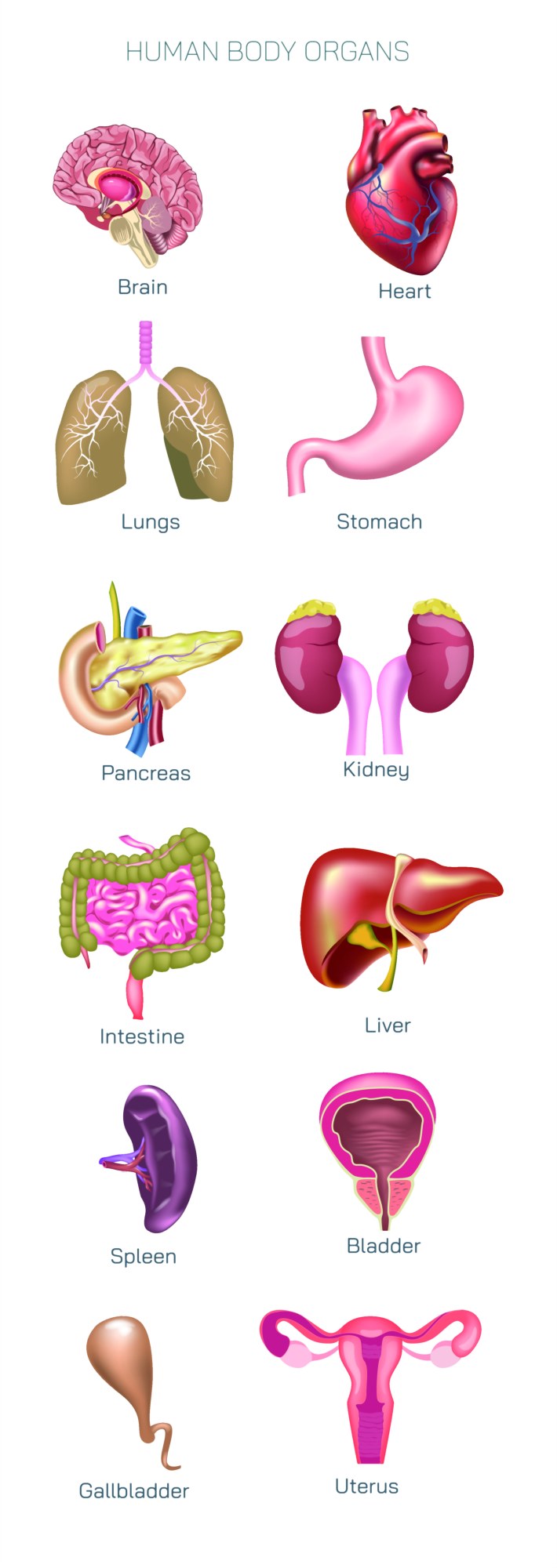
The main internal organs of the human body work together to maintain stability, energy flow, and overall function. Each organ performs unique tasks while also supporting broader system activity. At the center of the chest, the heart works as a dynamic pump that sends blood through channels reaching every region. Nearby, the lungs expand and relax to bring oxygen into the body and remove carbon dioxide, supporting essential metabolic processes. Together, these organs form a powerful partnership that fuels movement, thought, and long term health.
In the upper abdominal region rests the liver, an organ responsible for processing nutrients, removing waste compounds, and supporting energy control. Alongside it, the stomach breaks down food before it travels to the intestines, where further processing takes place. The small intestine absorbs nutrients while the large intestine manages remaining material and supports water balance. These organs form a connected system that transforms food into useful energy and vital compounds.
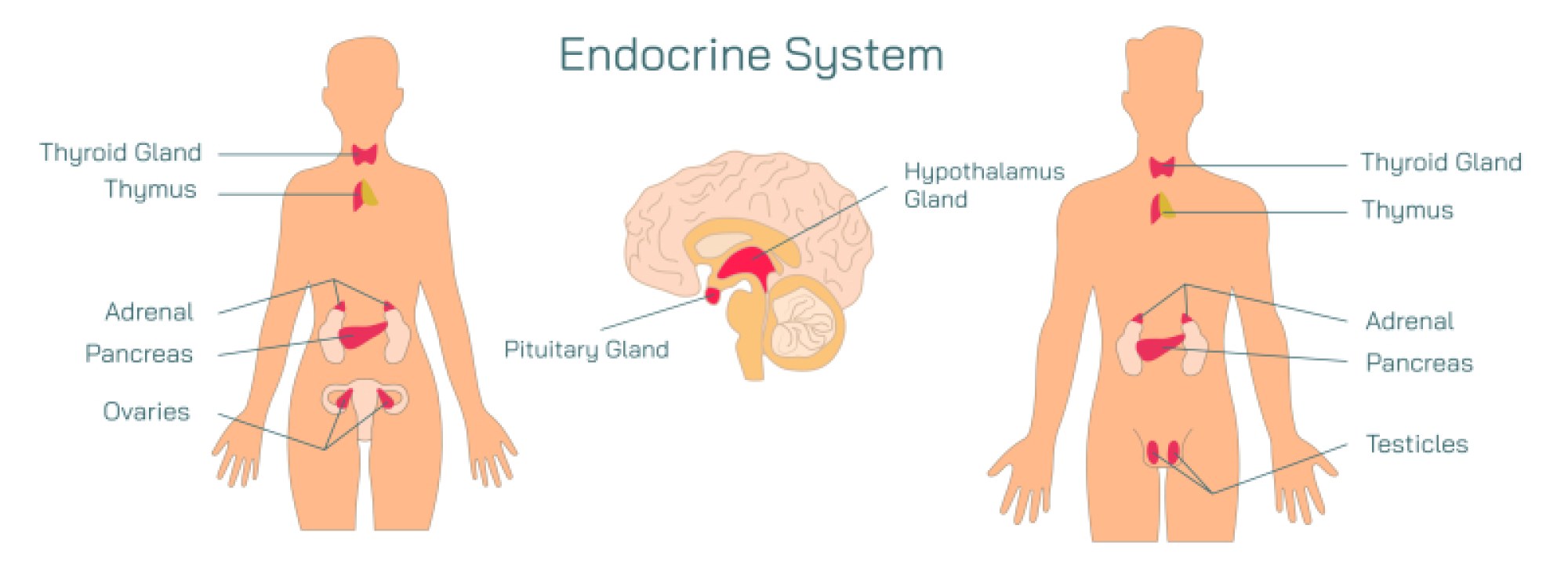
Toward the back of the abdominal space, the kidneys filter blood, removing unnecessary substances and balancing fluid levels. Their work helps maintain stable internal conditions so other organs can function smoothly. The bladder stores processed liquid before release, providing controlled elimination. The pancreas supports digestion and chemical regulation by releasing important compounds that influence energy use throughout the body.
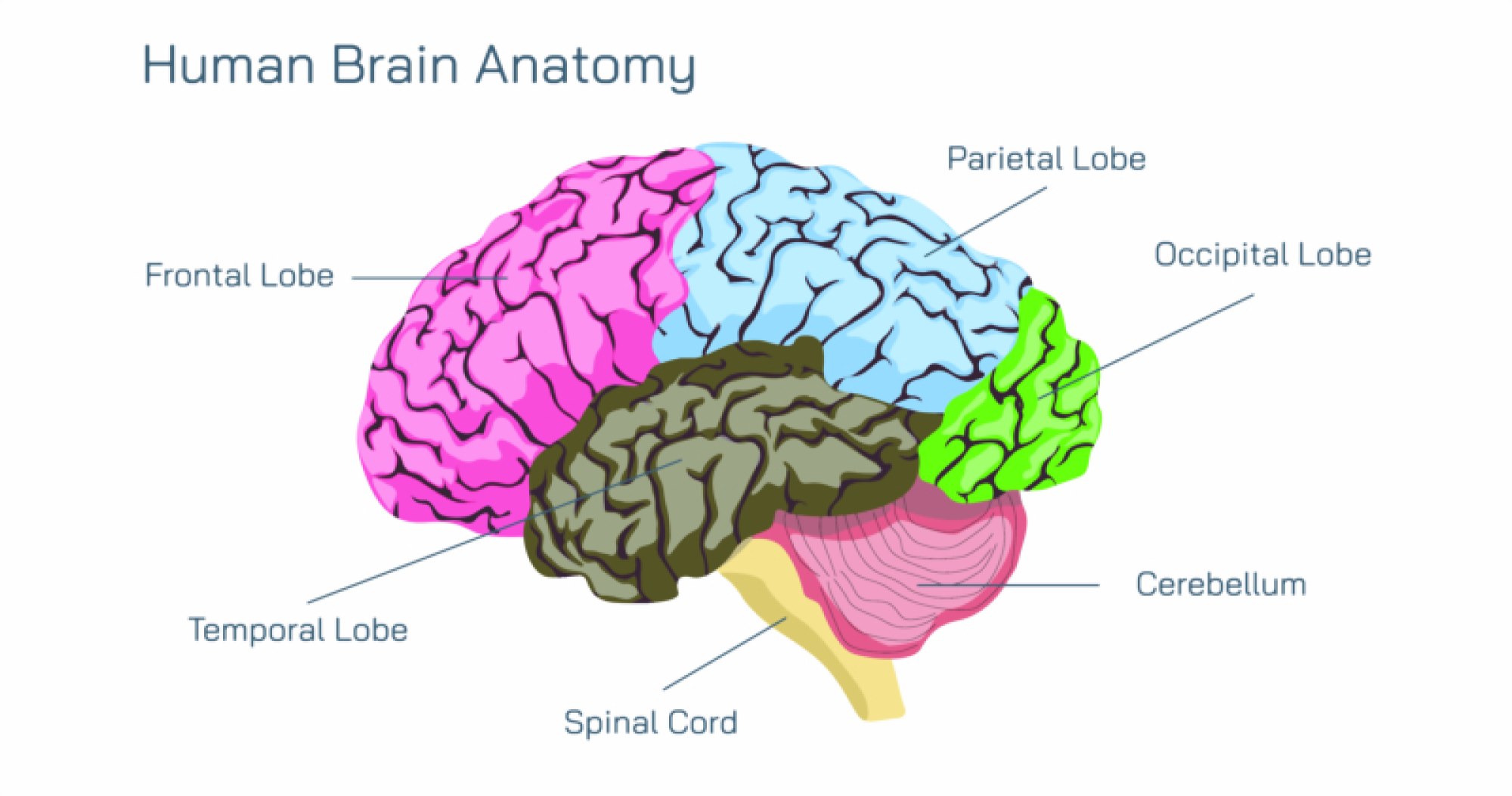
Inside the skull, the brain serves as the primary control center. It interprets signals, guides motion, shapes memory, and coordinates every system. Working with it, the spinal region forms a pathway that carries messages across the body, allowing fast communication between organs and limbs. Surrounding tissues and supportive structures keep these vital areas safe while enabling efficient activity.
Together, the internal organs form a connected network that sustains life. They regulate energy flow, support movement, protect critical functions, and maintain balance within the body. Understanding their roles reveals how essential each organ is in preserving health and enabling daily activity.